$
56
K
X
%
YOY Revenue Growth (Prime Day 2026 vs. 2025)
.webp)
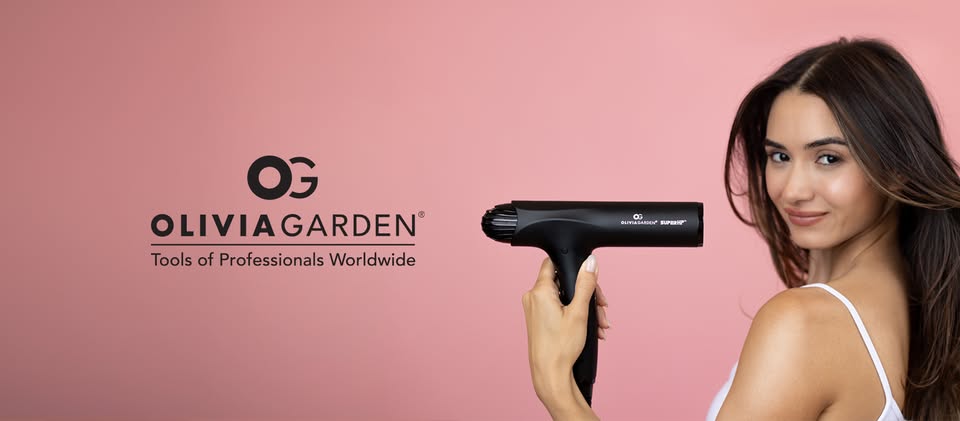
Olivia Garden has manufactured professional styling tools for salon owners and stylists since 1967, and on Amazon the brand is known for its brushes. That business was healthy. The growth priority was appliances, an arena the brand is working to break into, with the SuperHP dryer in the catalog and a new dryer in development.
Prime Day 2026 was measured against a comp that was already strong. Prime Day 2025 was the brand's first event under full gating, with no 3P sellers on its listings, and it delivered accordingly. Beating that on a like-for-like gated basis meant finding growth in conversion rate on the appliance detail pages, in a category where competition had increased.
Increased competition in the hair styling appliance category made it harder for Olivia Garden to keep scaling efficiently. The brand was pushing into a segment where it is not yet the known name, against a Prime Day 2025 comp that had already performed under full gating.
Appliances carry revenue through price point rather than unit volume, and at that price point the path to purchase is longer, so unit-led tactics would not move the number. Prime Exclusive Discount funding was also not available across the full catalog.
Success definition: The task: drive qualified traffic to optimized appliance detail pages and lift conversion rate, so the higher price point carries revenue growth without deeper discounting.
The available alternative was to put discount depth and media behind the brushes. They already rank, they convert on event traffic, and a discount on a brush is affordable. That approach would have produced a year-over-year beat and left the appliance objective untouched.
Nectar built the event around appliance conversion instead. Two factors drove the decision. First, a single point of conversion rate on a dryer returns far more revenue than the same point on a brush, which made the appliance PDPs the highest-return place to work. Second, at that price point, the purchase decision is harder and slower, so a shopper needs more convincing before they buy.
That moved the work upstream into content quality, pricing health, and inventory depth before any deal went live. It also meant the media plan had to reach people who had never bought from the brand, which is why DSP was stood up on the account for the first time.
"Volume tactics alone weren't going to move the needle against our strong 2025 benchmark. By shifting our focus from brush volume to appliance conversion, and backing it with net-new DSP and AMC targeting, we didn't just chase raw traffic; we captured high-intent shoppers willing to invest in our premium blow dryer." — Caroline Adams, Sr. Strategic Brand Manager
Against Prime Day 2025, total revenue grew 56%. Units sold rose 37% and average selling price rose 13%, and the SuperHP hair dryer grew 628% year over year. Media delivered 3.08x ROAS across the four-day event.
The lead SuperHP ASIN is where the plan concentrated and where it paid. It took 2.9x more sponsored spend than the year before, plus a Performance+ consideration line feeding dryer-intent traffic to its detail page, into a price that had been defended before it was discounted. Featured Offer share on that ASIN moved from 95.3% to 99.3%, sessions rose 161% year over year, and unit-session rate more than tripled. More traffic and better conversion on the same page at the same time.
Performance+ was the source of the new demand. It ran 6.5 million impressions of dryer-intent reach in the three weeks before the deal went live, and across the full flight the two hair-dryer line items delivered 3,089 detail page views to the SuperHP ASINs, 32% of all detail page views those ASINs received, at an 82.5% new-to-brand rate. DSP overall delivered 3.85x across the event, led by brush retargeting at 8.73x. Account-wide, new-to-brand first orders rose 29% and new-to-brand revenue rose 46%.
The reach expansion came from one place. Sponsored impressions were roughly level year over year, moving from 12.7M to 12.1M, while total impressions rose 72% to 21.9M. DSP did not exist on this account before January 2026, and it carried 9.7M impressions across the 25-day ramp and event window. Every impression of that growth came from a channel the brand was not running the year before.
Average selling price rising alongside unit growth confirms the appliance line added revenue on top of a healthy brush business rather than taking it from one. Growth held steady across all four days rather than clearing in the first twelve hours, which is the demand pattern the brand needs going into the launch of its next dryer.
When a higher-priced line is the growth priority, the return sits in conversion rate on those detail pages rather than in unit volume across the catalog. Shoppers take longer to commit at a higher price point, so brands that audit A+ content and variation families before the traffic arrives convert the shoppers their event budget is paying for.
Pricing decisions have to be made in the same window, because a Prime Exclusive Discount must beat the ASIN's lowest price across the prior 60 days, which means every price move in the month before the event changes what the deal has to look like. And when sponsored reach is already at its ceiling, the growth has to come from a channel that is not competing for the same impressions.