$
153
K
X
%
Ad-Attributed Sales Growth
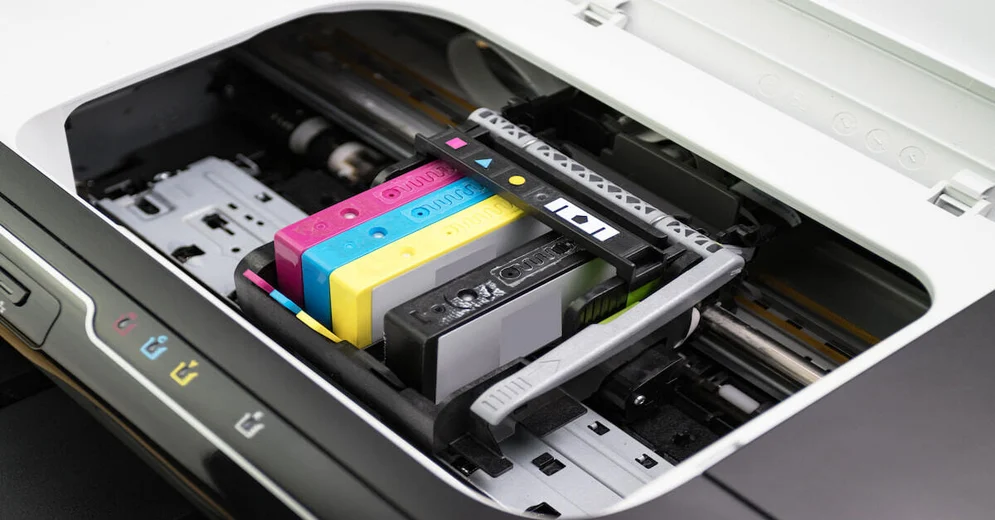
As one of the world’s leading printer, projector, and imaging technology companies, the brand had strong category recognition and a large Amazon presence. But like many Vendor Central brands, it faced limited visibility into keyword-level demand, making it difficult to identify which search terms, ASINs, and budget allocations were actually driving incremental growth.
Nectar restructured the brand’s Amazon advertising strategy using Brand Search Query Performance insights and iDerive analytics. The goal was not to simply increase spend. It was to understand where demand existed, where the brand was under-indexing, and where budget could be shifted toward higher-opportunity search terms and products.
The result was a 153% increase in ad-attributed sales with only a 3% increase in ad spend, along with a 15% increase in total revenue and a 24% increase in units sold. These performance metrics come from the case study source provided.
Nectar unlocked access to Brand Search Query Performance data and paired it with iDerive’s proprietary analytics to build a clearer growth and incrementality roadmap.
The strategy focused on three priorities:
This allowed Nectar to improve performance through better demand alignment, instead of relying on broader spend increases.
Nectar enabled access to Brand Search Query Performance data, giving the brand visibility into keyword-level purchase share, search demand, and competitive positioning.
Search query data was analyzed to identify where the brand was over-indexed, under-indexed, or losing share. This surfaced demand gaps, inefficient coverage, and areas where advertising could drive more meaningful gains.
Nectar reclassified keywords and products based on measurable opportunity. Newer and higher-margin products were aligned with search terms where incremental share could be gained.
Budget was shifted away from low-impact coverage and toward high-intent search terms with validated growth potential. Total spend stayed nearly flat, increasing by only 3%.
Nectar tracked purchase share and post-reallocation performance to ensure the gains were incremental, sustained, and tied to actual market opportunity.
During Q4, Amazon’s most competitive period, the restructured advertising program delivered measurable growth without materially increasing spend.
The results were driven by better demand alignment, stronger keyword and ASIN prioritization, and disciplined budget reallocation. Rather than expanding spend broadly, Nectar helped the brand use existing budget more effectively across the areas most likely to drive incremental growth.
In addition to the core strategy outlined here, we leaned heavily on Intentwise to help us move faster and scale more efficiently. Rule-based automation made it easier to keep bids, budgets, and campaigns aligned with performance by automatically reacting to changes in real time, rather than relying on constant manual updates.
We also used dayparting to push spend into the hours and days that were consistently driving stronger engagement and conversions, which helped cut back on inefficient spend SOV tracking gave us clearer visibility into how we were stacking up against competitors, allowing us to be more intentional about where to push harder and where to pull back.
Lastly, bulk actions let us roll out optimizations across large groups of campaigns and keywords quickly and consistently. Together, these tools helped us spend more efficiently and magnify the impact of our keyword and budget shifts, ultimately contributing to the strong ad-attributed sales growth highlighted here.















.webp)



.webp)