Amazon Storefront Design Steps for Higher Conversions
.webp)

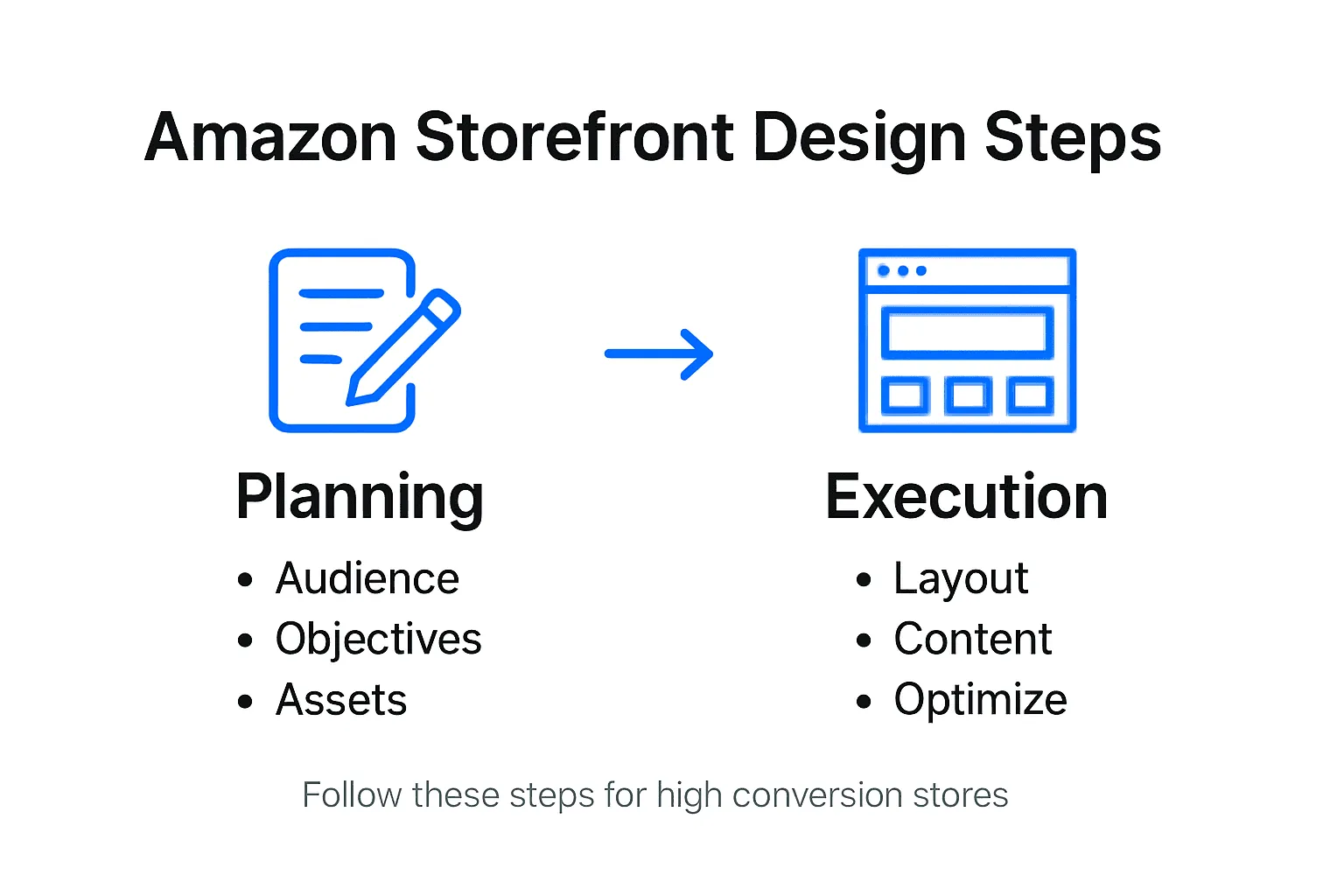
Nearly one in three American shoppers say a visually striking Amazon storefront influences their confidence in a brand. For e-commerce managers, optimizing storefront design goes beyond simple aesthetics; it shapes how customers perceive your value and directly impacts conversion rates. This guide breaks down every step, from defining objectives to mastering creative content, to help your brand win more customers and capture attention in the competitive Amazon marketplace.
5 steps towards Amazon Sucess
Key InsightExplanation
1. Define objectives clearly
Establish goals like brand awareness or sales to guide design and messaging effectively.
2. Organize brand assets properly
Gather high-quality images and logos, and create an organized system for easy access and collaboration.
3. Create an intuitive storefront layout
Design a user-friendly layout that flows logically and highlights key products to enhance customer experience.
4. Craft compelling creative content
Use professional photography and engaging descriptions to communicate your product’s unique value and benefits.
5. Implement ongoing testing and optimization
Regularly analyze performance metrics and conduct A/B tests to refine your storefront for better conversions.
Step 1: Define storefront objectives and target audience
Building a successful Amazon storefront begins with crystal clear strategic planning. Your storefront’s effectiveness hinges on understanding precisely who you’re selling to and what specific goals you want to achieve with your online presence. Strategic audience research transforms your digital storefront from a generic sales page into a targeted conversion machine.
Start by conducting comprehensive market research to map out your ideal customer profile. Develop a detailed persona that includes demographic information like age, income, location, purchasing habits, and pain points your product solves. Analyze your competitors to understand how they position themselves and identify gaps you can uniquely fill. This process allows you to craft messaging and design elements that speak directly to your target audience’s motivations and preferences.
Your storefront objectives should align closely with your broader business goals. Are you aiming to increase brand awareness, drive direct sales, introduce new product lines, or build customer loyalty? Each objective requires a slightly different strategic approach in design, content, and visual storytelling. By anchoring your storefront design in clear, measurable goals, you create a focused digital experience that guides potential customers seamlessly from initial interest to completed purchase.
Pro Tip: Create a one-page strategy document outlining your target audience persona, key storefront objectives, and unique value proposition before beginning design work to maintain laser focus throughout the development process.
Here’s a comparison of common Amazon storefront objectives and their typical strategic approaches:
Storefront ObjectivePrimary Focus AreaKey Metric to TrackBrand AwarenessVisual storytellingNew visitors, impressionsDrive Direct SalesProduct placementConversion rate, sales volumeLaunch New ProductsFeature highlightsClicks on new SKUs, new ordersCustomer LoyaltyPersonalization, engagementRepeat visits, return customers
Step 2: Gather and organize brand assets for design
Transforming your Amazon storefront into a compelling visual narrative begins with comprehensive asset collection and meticulous organization. Effective brand asset management sets the foundation for a cohesive and professional storefront design that resonates with your target audience. Creative design services understand how critical this preparatory stage is for building a powerful visual brand presence.
Start by conducting a comprehensive audit of your existing brand materials. Collect high resolution product images, lifestyle photography, brand logos, color palettes, typography guidelines, and any existing marketing collateral. Ensure all visual elements are current, high quality, and align with your brand identity. Create a centralized digital folder system with clear subfolders categorizing assets by type product line, and usage context. This systematic approach prevents asset loss and enables smooth collaboration between designers, marketers, and brand managers.
Prioritize image consistency and professional quality across all visual elements. Review each asset critically to confirm they meet technical specifications for Amazon storefront uploads resolution requirements and visual branding standards. Select imagery that not only showcases your products technically but also tells a compelling brand story that connects emotionally with your target audience.
Pro Tip: Invest in a robust digital asset management platform that allows version tracking metadata tagging and easy sharing to streamline your brand asset workflow and maintain organizational efficiency.
Use this table as a quick reference for essential brand assets to gather during design prep:
Asset TypeRole in StorefrontBest PracticeProduct ImagesProduct presentationUse high-res, consistent styleBrand LogosBrand recognitionUse vector or large PNG filesColor PalettesVisual identityFollow brand guidelinesMarketing CollateralVisual storytelling supportUpdate regularly for accuracy
Step 3: Develop a tailored storefront layout and structure
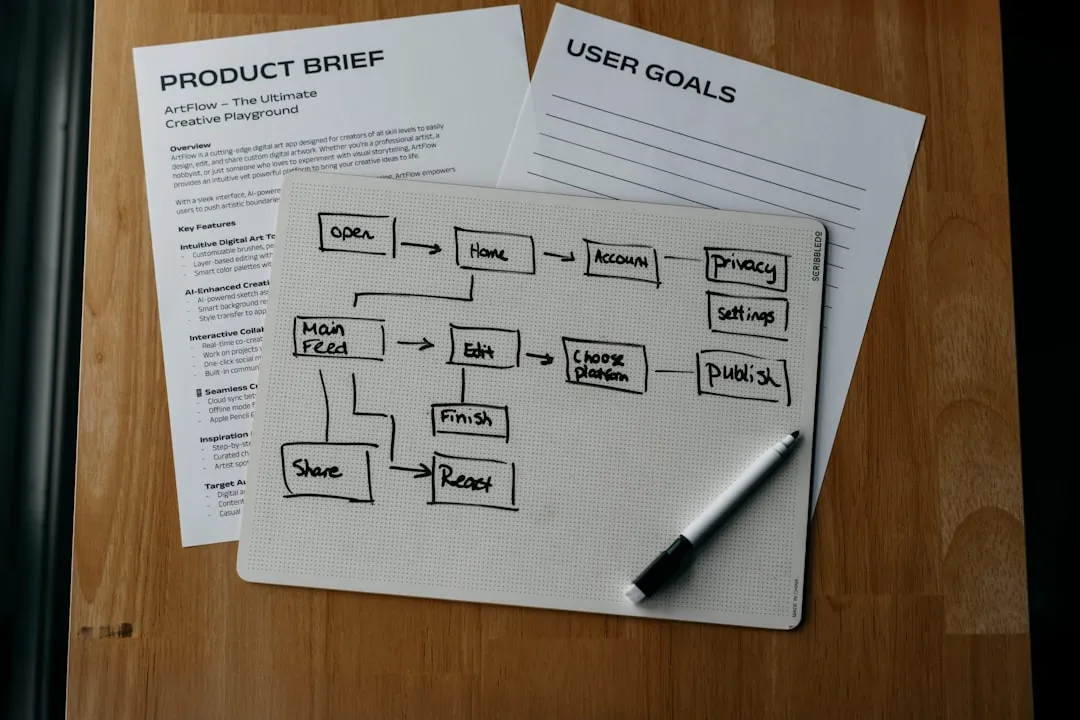
Crafting a strategic Amazon storefront layout transforms your digital real estate into a powerful conversion engine that guides shoppers seamlessly through your brand experience. Amazon brand store design requires thoughtful navigation and visual hierarchy that speaks directly to your target audience while showcasing your product lineup effectively.
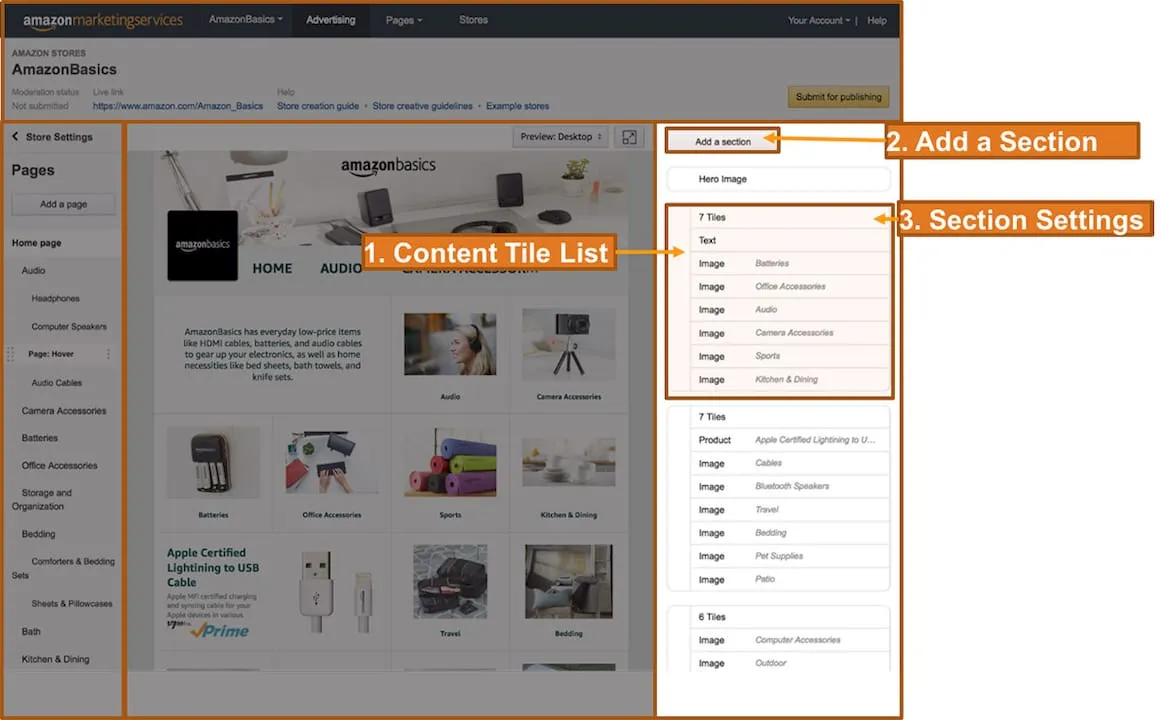
Begin by mapping out a logical flow that tells your brand story and highlights your most compelling products. Use Amazon modules strategically to create visual interest and break up content dynamically. Consider implementing a homepage that features your hero products or bestsellers first followed by category sections that allow customers to explore your entire product range. Select module types that complement your brand aesthetic like hero image tiles comparison charts lifestyle imagery and product grid layouts. Ensure each section provides clear visual cues and intuitive navigation paths that make exploring your storefront feel effortless and engaging.
Pay close attention to mobile responsiveness and visual consistency across different device sizes. Your storefront should look equally compelling on smartphones tablets and desktop screens. Use consistent color schemes typography and image styles that reinforce your brand identity while maintaining Amazon platform guidelines. Balance aesthetic appeal with functional design principles that guide potential customers toward making a purchase with minimal friction.
Pro Tip: Conduct user testing on your storefront layout by gathering feedback from potential customers to identify any navigation challenges or visual elements that might distract from your core conversion goals.
Step 4: Create and upload high-impact creative content
Transforming your Amazon storefront into a conversion powerhouse requires strategic visual storytelling that captures potential customers attention and drives purchasing decisions. Mastering product image strategies becomes the cornerstone of creating compelling creative content that communicates your brands unique value proposition.

Start by developing a comprehensive visual narrative that showcases your products from multiple perspectives. Invest in professional photography that highlights product features functionality and lifestyle context. Create a series of images that include detailed close-ups technical specification shots action or lifestyle images and comparative visuals that demonstrate product benefits. Ensure each image meets Amazon technical requirements including optimal resolution file format and size specifications. Focus on creating a consistent visual language across all images that reinforces your brand identity and communicates quality professionalism and unique product attributes.
Write engaging product descriptions that complement your visual content with clear concise language that addresses customer pain points and highlights key product benefits. Incorporate relevant keywords naturally to improve search visibility while maintaining an authentic conversational tone. Use module content like infographics comparison charts and lifestyle imagery to break up text and provide additional context that helps potential customers make informed purchasing decisions.
Pro Tip: Conduct A/B testing on your product images and descriptions to identify which visual and textual elements generate the highest engagement and conversion rates.
Step 5: Test, optimize, and finalize your Amazon storefront
Transforming your Amazon storefront from good to exceptional requires a strategic approach of continuous testing and data-driven optimization. Systematic A/B testing strategies provide the critical insights needed to refine your digital storefront and maximize conversion potential.
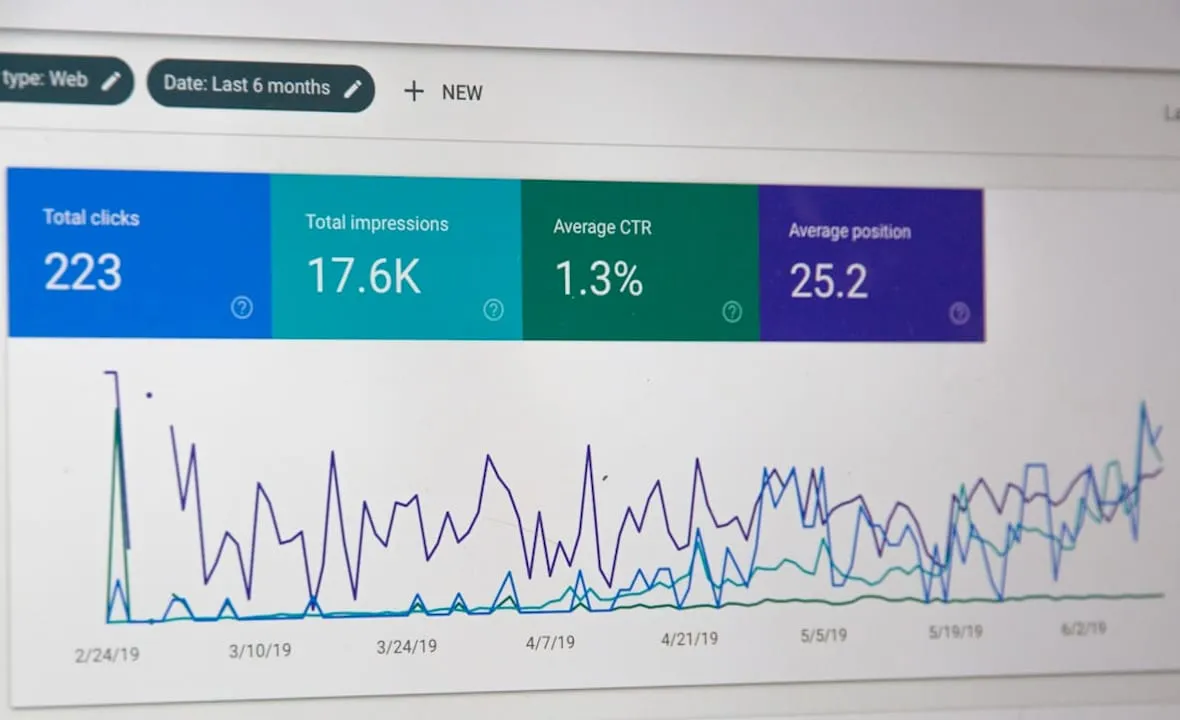
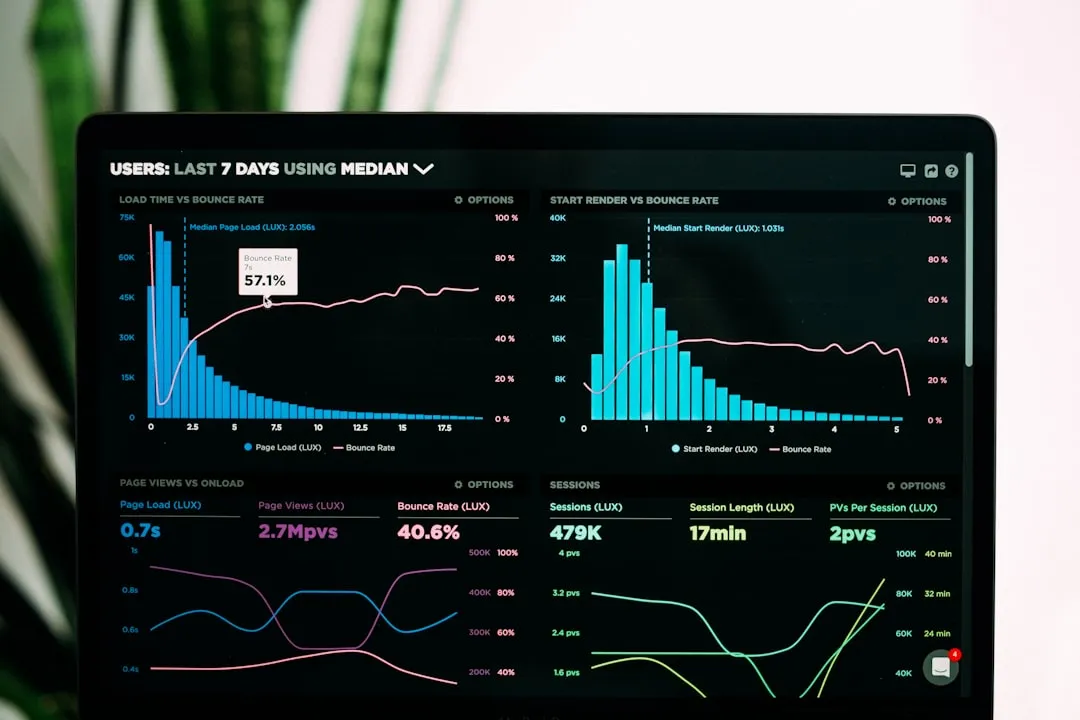
Leverage Amazon Store Insights to track key performance metrics that reveal user behavior and engagement patterns. Monitor critical indicators like bounce rate dwell time traffic sources and conversion rates to understand how visitors interact with your storefront. Analyze these metrics to identify potential friction points in your user experience such as confusing navigation unclear product descriptions or uninspiring visual content. Use this data to make targeted incremental improvements that streamline the customer journey and reduce barriers to purchase.
Implement a structured optimization process that includes regular performance reviews and strategic experiments. Conduct A/B tests on different module layouts product image configurations and content variations to scientifically determine which elements drive the highest engagement. Create multiple versions of key storefront sections and systematically compare their performance using Amazon analytics tools. Prioritize changes that demonstrably improve user experience session duration and ultimately conversion rates.
Pro Tip: Create a quarterly optimization calendar that schedules regular storefront performance reviews and ensures continuous improvement based on actionable customer interaction data.
Elevate Your Amazon Storefront to Drive Real Results
Struggling to convert visitors into loyal customers despite your well-planned Amazon storefront? The article “Amazon Storefront Design Steps for Higher Conversions” highlights common challenges like unclear navigation paths, inconsistent branding, and lack of engaging visual storytelling. If your goal is to increase sales, build customer loyalty, or launch new products more effectively, addressing these pain points with a data-driven, creative approach is essential.
At Nectar, we specialize in transforming storefronts with sophisticated creative services including professional photography, videography, and thoughtful design strategies that connect emotionally with your audience. Powered by our proprietary iDerive analytics platform, we provide the granular insights and continuous optimization you need to turn browsers into buyers and boost your conversion rates. Discover how our fully managed e-commerce solutions can take your Amazon brand store beyond just being a sales page and transform it into a true growth engine.
Ready to maximize your Amazon storefront’s potential and see measurable business growth? Take the next step by exploring how Nectar’s creative services and data-driven strategies work together seamlessly to optimize every detail of your storefront.

Unlock the power of a high-impact Amazon storefront now. Visit Nectar to get started and turn your brand vision into a conversion machine.
Frequently Asked Questions
What are the first steps to take when designing an Amazon storefront?
Begin by defining your storefront objectives and identifying your target audience. Conduct thorough market research to create customer personas that guide your design decisions and align with your broader business goals.
How can I organize my brand assets for effective storefront design?
Start by auditing your existing brand materials and collecting essential assets like product images, logos, and color palettes. Organize these assets into a centralized digital folder system to ensure accessibility and maintain a consistent visual identity throughout your storefront.
What layout strategies should I consider for my Amazon storefront?
Design a logical layout that tells your brand story while effectively showcasing products. Use various Amazon modules to create visual interest and ensure intuitive navigation, guiding customers through their shopping experience seamlessly.
How can I improve the visual storytelling of my storefront?
Focus on incorporating high-quality images that highlight your products’ features and lifestyle context. Develop a consistent visual narrative by maintaining uniformity in imagery style, and ensure that product descriptions complement the visuals with clear benefits and pain points addressed.
What methods can I use to test and optimize my Amazon storefront?
Implement systematic A/B testing to evaluate different layouts, content variations, and image configurations. Regularly monitor performance metrics to identify areas for improvement, allowing you to make data-driven adjustments that enhance customer engagement and conversion rates.
Recommended




































































.webp)