Step by Step PPC Campaign Guide for E-Commerce Success
.webp)

Every PPC manager knows how quickly ad budgets disappear without a plan. For American brands selling on Amazon or Shopify, defining your goals and audience is the difference between wasted spend and real growth. The most successful campaigns rely on high-quality customer data and precise audience segmentation at every step. This guide shows marketing managers how to set clear objectives, structure analytics, and optimize creative for measurable ROI.
Quick Summary
Key TakeawayExplanation
1. Define Clear Campaign Goals
Specific goals like revenue targets guide your PPC strategy effectively.
2. Utilize Robust Tracking Systems
Accurate tracking helps you measure PPC performance and optimize campaigns.
3. Create Compelling Ad Creative
High-quality images and tailored messaging increase engagement and conversion rates.
4. Test and Scale Strategically
Start small with conservative budgets; scale based on proven performance data.
5. Regularly Monitor and Optimize
Continuous analysis of key performance metrics drives ongoing improvements and ROI.
Step 1: Define Campaign Goals and Audience
Before you launch a single ad, you need clarity on two foundational elements: what you’re trying to achieve and who you’re trying to reach. Without these anchors, your PPC budget becomes a scattered expense rather than a strategic investment. This step determines the direction of everything that follows, from bid strategy to creative messaging.
Start by getting specific about your goals. Are you driving traffic to a new product launch, increasing overall revenue from existing customers, or clearing inventory before a season ends? Each goal demands a different approach. An awareness campaign on Amazon or Shopify looks fundamentally different from a conversion-focused campaign. Write down your primary goal and the measurable outcome you want within 30, 60, and 90 days. Real numbers matter here. “Increase sales” is too vague. “Generate $50,000 in incremental revenue in 60 days” gives you something to build toward.
Now shift focus to audience definition. Target audience refers to the group of consumers most likely interested in your products. For mid-size and enterprise brands, this means moving beyond broad demographics. You need to layer in behavioral data. Who’s already buying similar products? What’s their income range, age bracket, and purchase frequency? When working with platforms like Amazon or Shopify, pull transaction data from your previous campaigns. Look at your highest-value customer profiles and reverse engineer what they have in common.
Create audience segments based on what matters to your business. On Amazon, this might mean separating brand loyalists from price-conscious shoppers. On Shopify, you might segment by purchase history or average order value. The granularity here is what separates campaigns that break even from campaigns that return 3x or 4x ROI. Consider researching competitors with similar products to understand which audience segments are actively buying in your category.
Document everything. Your goals and audience definitions should sit in a shared document your team can reference throughout campaign execution. When performance data starts coming in, you’ll constantly reference these definitions to troubleshoot what’s working and what isn’t.
Pro tip Build your audience definitions using both historical transaction data and customer feedback surveys. The combination of what people actually bought and what they told you they wanted reveals gaps that neither source alone would show.
Step 2: Set Up Tracking and Analytics Systems
You can’t manage what you don’t measure. Without proper tracking systems in place, you’re flying blind. Your PPC campaigns generate massive amounts of data every single day, but that data only becomes valuable when you capture it, organize it, and know how to read it.

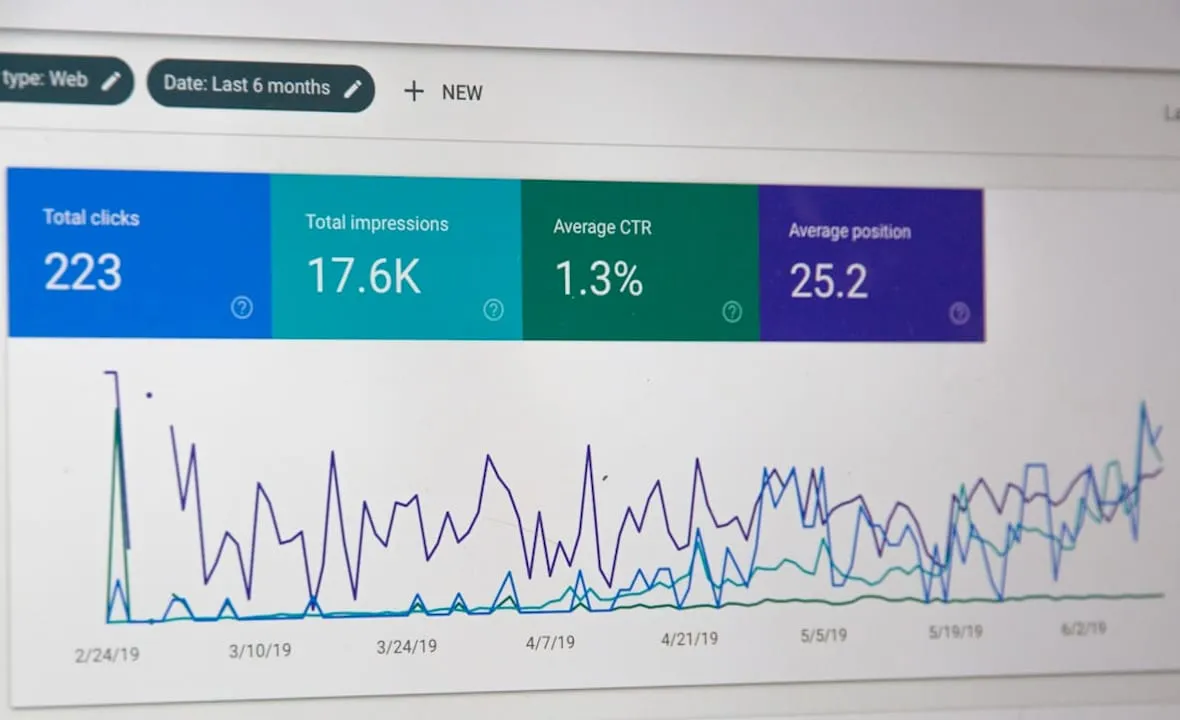
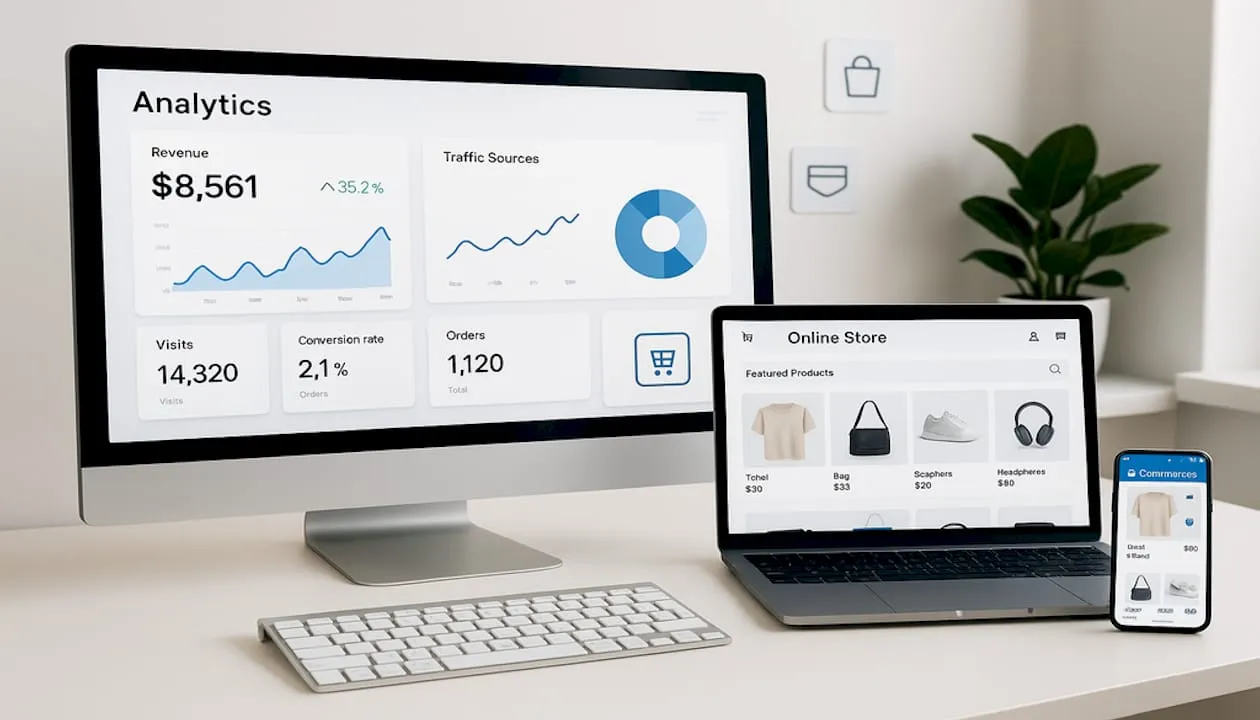
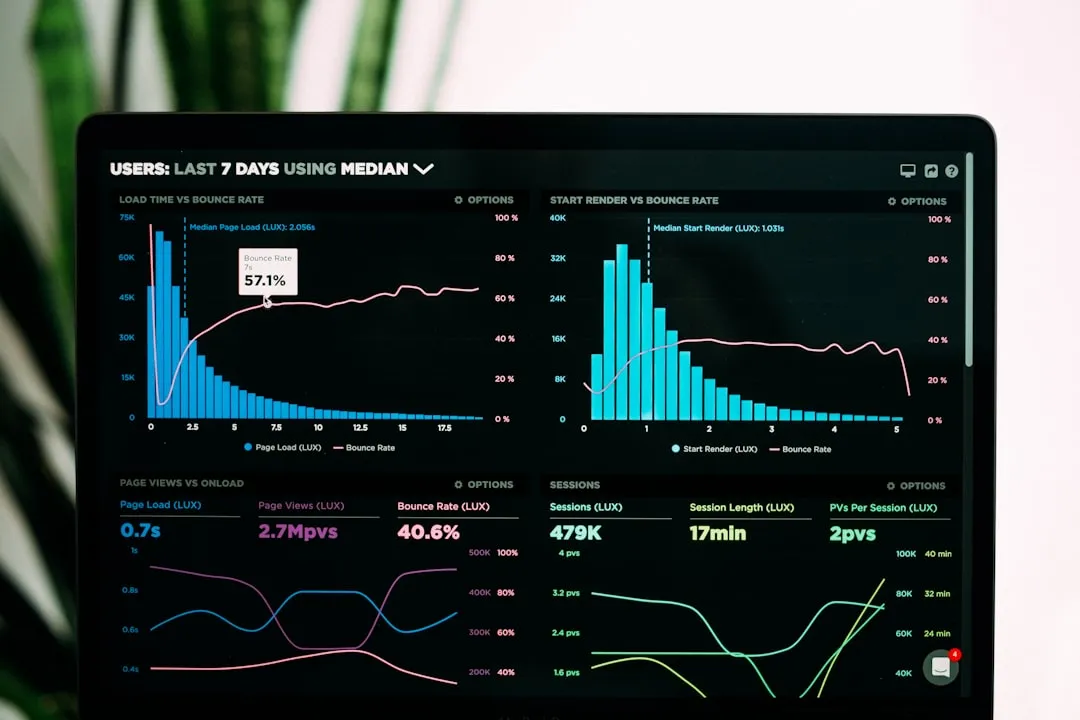
Start by understanding what you need to track. Ecommerce analytics involves collecting, analyzing, and interpreting data generated by your online store covering traffic sources, product views, purchases, refunds, and customer lifetime value. For your PPC campaigns specifically, you need to monitor conversion rate, average order value, cart abandonment rate, and customer acquisition cost. These metrics tell you whether your campaigns are actually profitable or just generating traffic.
Here’s a summary of key PPC campaign metrics and their purpose:
MetricWhat It MeasuresBusiness ImpactConversion RatePercent of clicks that convertIndicates ad effectivenessAverage Order ValueAverage transaction amountReveals revenue per purchaseCart Abandonment RateCarts started vs completedIdentifies sales funnel problemsCustomer Acquisition CostAd spend to acquire each customerAssesses campaign profitability
If you’re running campaigns on Amazon, set up conversion tracking through Amazon Attribution or your native reporting dashboard. On Shopify, install Google Analytics 4 and connect it to your ad accounts. Make sure you’re tracking not just clicks and impressions, but the actions that matter: purchases, email signups, add-to-cart events, and returns. Without pixel-level tracking, you can’t attribute sales back to specific ads and keywords.
Connect your data sources to a central hub. This might be Google Analytics 4, a BI tool, or even a well-structured spreadsheet depending on your team’s sophistication. The goal is having one single source of truth where anyone can check campaign performance without hunting through five different platforms. When your finance team asks about ROI or your creative team wants to see which product angles convert best, they should have one place to look.
Test your tracking setup with a small budget before scaling. Run a few ads, make test purchases, and verify that the data appears correctly in your analytics platform within 24 hours. Tracking bugs discovered later cost you weeks of unreliable data and bad decisions. Getting this right upfront saves enormous headaches.
Pro tip Set up alerts in your analytics platform for sudden drops in conversion rate or spikes in cost per acquisition, which often indicate tracking issues before they snowball into campaign problems.
Step 3: Build High-Impact Creative Assets
Your ad copy and visuals are the first impression between your brand and potential customers. Without compelling creative, even the best targeting and budget fall flat. This step is where you translate your campaign goals and audience insights into assets that actually stop the scroll and drive action.
Start with your imagery. On Amazon and Shopify, high-quality product images make the difference between browsers and buyers. Your primary image needs to show the product clearly against a clean background. Secondary images should demonstrate use cases, size comparisons, and lifestyle contexts that help shoppers visualize owning your product. Invest in professional photography or videography if your budget allows. Blurry phone photos tank conversion rates immediately.
Write ad copy that speaks directly to your audience’s pain point, not just the product features. If your research shows your audience cares about durability, lead with that. If they value sustainability, emphasize your sourcing and packaging. Creativity in business enables differentiation and sustained engagement, so avoid generic language everyone else uses. Test multiple headline variations. “Premium wireless earbuds” underperforms compared to “All day battery, zero fatigue fit.”
Consider testing multiple creative variations simultaneously. Generative AI tools can help overcome design fixation by producing diverse design ideas quickly. This is particularly useful when building varied advertising assets. Use AI to generate headline concepts, then refine the strongest performers manually. This accelerates iteration without sacrificing quality.
Create 3 to 5 variations of each creative element. Test different value propositions, color schemes, and product angles. Some audiences respond to minimalist design while others prefer lifestyle imagery. Run these variations in parallel and let performance data tell you which resonates. After two weeks of data, pause underperformers and double down on winners.
Pro tip Rotate your creative assets every 3 to 4 weeks even if they’re performing well, because ad fatigue gradually erodes click-through rates as audiences see the same creative repeatedly.
Step 4: Launch Targeted PPC Ads Strategically
You’ve defined your goals, set up tracking, and built compelling creative. Now comes the execution that separates successful campaigns from money-burning experiments. Strategic launch means starting small, testing assumptions, and scaling what works.
Begin with a segmentation approach. Data-driven targeting based on demographics, behavior, and psychographics minimizes wasted ad spend. On Amazon, this means launching separate campaigns for branded versus non-branded keywords. On Shopify, create distinct ad sets for different customer personas. Don’t dump your entire budget into one broad audience and hope for the best. That’s how you burn cash.
Apply the Segmentation, Targeting, and Positioning model to your launch. First, divide your market into segments based on shared characteristics like purchase intent or customer demographics. Second, select which segments offer the highest profit potential. Third, position your product messaging uniquely to appeal to each chosen audience. This framework prevents you from trying to be everything to everyone, which dilutes your message and inflates your cost per acquisition.
Start with a conservative daily budget. Launch with 20 to 30 percent of your projected daily spend and monitor performance metrics closely for the first 48 hours. Are clicks coming in at your target cost? Is the conversion rate tracking toward your goal? Are users actually completing purchases or just browsing? If something looks off, pause the campaign immediately and troubleshoot before scaling. You’ll catch tracking issues and messaging misaligns early.
Scale gradually only after collecting 50 to 100 conversions per ad variation. Real performance patterns emerge once you have statistically significant data. Week one might feel slow, but you’re building the foundation for exponential growth later. Rush the scaling phase and you’ll amplify mistakes instead of wins.
Pro tip Create a separate test campaign at higher cost per acquisition thresholds than your main campaign, because testing new audiences or creative variations should operate with looser constraints while you validate performance.
Step 5: Monitor Performance and Optimize Continuously
Launching your campaigns is just the beginning. The real work starts once ads go live and data begins flowing in. Continuous monitoring and optimization separate campaigns that plateau from campaigns that compound returns month after month.
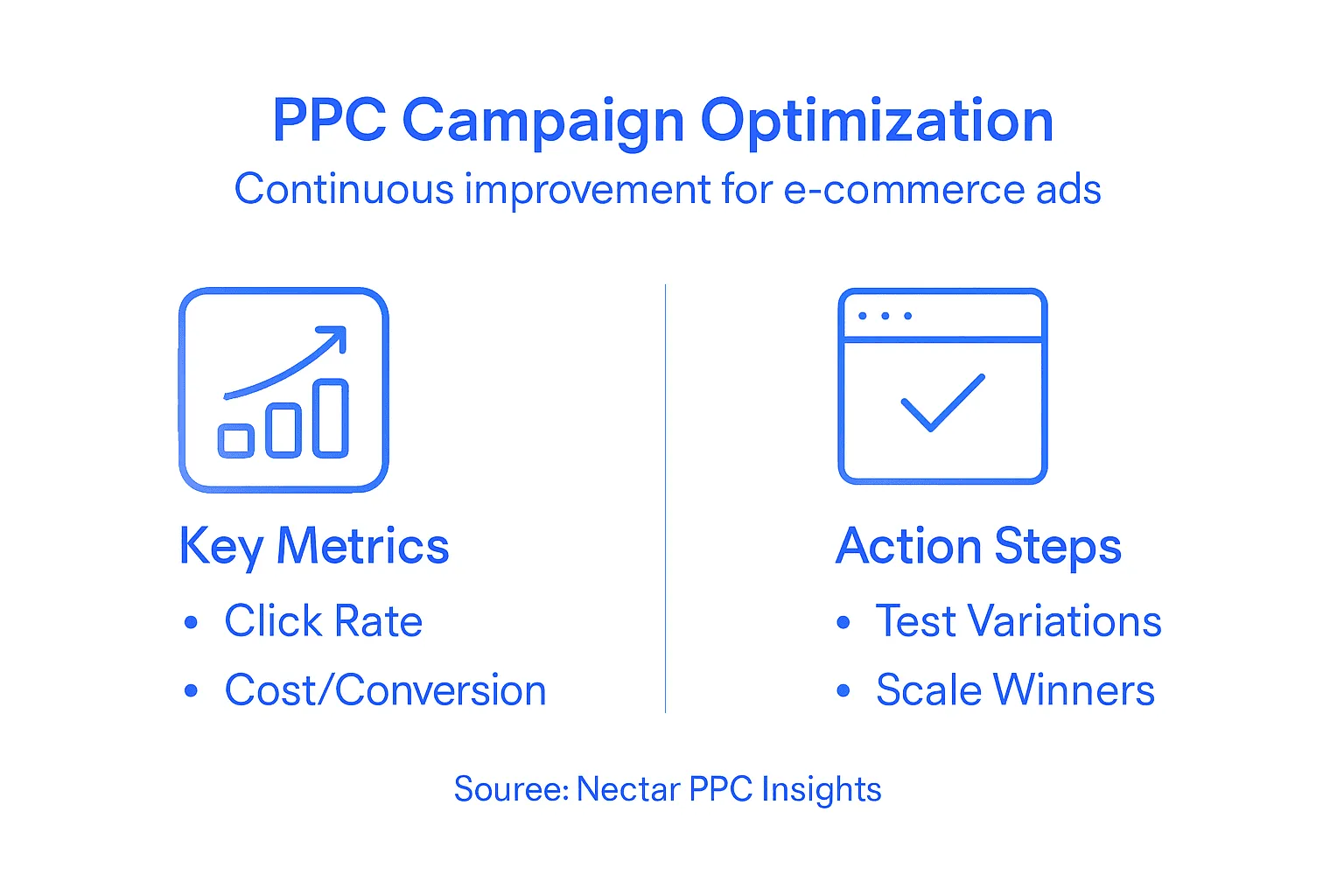
Set up a weekly review rhythm. Pull your core metrics every Monday morning and look for patterns. Key performance indicators such as conversion rates, customer engagement, and financial health enable informed decisions that drive long-term success. For your PPC campaigns, this means tracking conversion rate, cost per acquisition, return on ad spend, and average order value. Don’t just glance at these numbers. Write them down. Chart them week to week. Trends emerge when you see the progression.
Identify your optimization opportunities systematically. Ecommerce analytics metrics like conversion rate, bounce rate, average order value, and customer lifetime value allow identifying bottlenecks. If your conversion rate dropped 15 percent week over week, something changed. Was it your creative rotation? Did seasonality shift your audience? Did a competitor launch an aggressive price promotion? Investigate the root cause before reacting.
Test one variable at a time. Change your bid strategy and your creative simultaneously, and you’ll never know which caused the performance swing. Pause an underperforming ad set and launch a new audience segment on the same day, and the data becomes noise. Discipline here matters. Run tests for two weeks minimum before drawing conclusions. One week is too short to account for daily variability.
Scale winners and cut losers ruthlessly. When an ad set hits 3x return on ad spend consistently over two weeks, increase the daily budget by 25 to 50 percent. When another sits at break even or below after 100 conversions, pause it completely. Your job is capital allocation. Move money toward what works and away from what doesn’t.
Pro tip Set up automated alerts in your analytics platform for significant drops in conversion rate or spikes in cost per acquisition, so you catch problems within hours rather than discovering them during your weekly review.
Step 6: Verify Results and Report ROI
Your campaigns have run for weeks or months. Now comes the moment of truth: proving that your PPC investment actually generated profit. This step transforms raw performance data into a clear business story that justifies your marketing spend and informs future strategy.
Start by calculating your actual return on investment. ROI evaluates the profit generated from advertising investment by comparing costs against generated revenue. The formula is straightforward: take your total revenue from PPC sales, subtract your total ad spend and associated costs, then divide by total spend. If you spent $10,000 on ads and generated $40,000 in revenue with $8,000 in cost of goods sold, your profit is $22,000. That’s a 2.2x return on ad spend, or 220 percent ROI. Real numbers matter more than impressive percentages.
Account for attribution accurately. This is where most teams go wrong. Your PPC campaigns don’t operate in a vacuum. Some customers clicked your ad but didn’t convert immediately. They came back days later through a direct link or organic search. Did your ad deserve credit for that sale? Proper attribution requires understanding your customer journey. Use first-click, last-click, or multi-touch models depending on your business model. Document which approach you chose so stakeholders understand your methodology.
Compare popular attribution models used in PPC reporting:
Attribution ModelHow Credit Is AssignedBest Use CaseFirst-ClickFirst touchpoint gets full creditAwareness campaignsLast-ClickLast touchpoint gets full creditDirect purchase scenariosMulti-TouchCredit split across touchpointsLong sales cycles
Compare actual results against your initial projections. Did you forecast $50,000 in incremental revenue and actually generate $58,000? That’s a 16 percent beat. Did you promise a 2.5x return on ad spend but deliver 1.8x? That’s important context for future budgeting conversations. The gap between projection and reality teaches you how to forecast better next time.
Build a simple monthly reporting dashboard your leadership team can understand. Include total spend, total revenue attributed to PPC, gross profit, return on ad spend, and cost per acquisition. Add a trend chart showing progression over time. Avoid overwhelming stakeholders with 40 metrics. Three to five core metrics tell the story clearly.
Pro tip Run a holdout test by pausing your PPC campaigns for one week and measuring the revenue drop, which provides rigorous proof of campaign impact separate from baseline business performance.
Unlock the Full Potential of Your PPC Campaigns with Expert Support
The journey through successful PPC campaigns for e-commerce is complex and filled with crucial steps like defining precise goals, setting up robust tracking systems, and continuously optimizing for maximum return on ad spend. This article highlights common challenges such as ensuring accurate attribution, overcoming ad fatigue, and segmenting audiences strategically. If you find yourself overwhelmed trying to turn clicks into real profits or seeking granular insights to sharpen your campaigns, you are not alone.
At Nectar, we specialize in solving these exact pain points for mid-size and enterprise brands selling on Amazon, Walmart, and Shopify. Our fully managed e-commerce services combine high-impact creative production with data-driven strategies powered by our proprietary iDerive analytics platform. This approach ensures every dollar of your ad spend works harder with continuous performance monitoring and optimization. Stop guessing and start growing with tailored solutions designed to scale your PPC campaigns smarter and faster.

Ready to elevate your e-commerce PPC performance and achieve measurable results? Visit Nectar today and discover how our expert team transforms underperforming listings into high-converting storefronts. Don’t wait for another campaign to underdeliver. Take action now to maximize your ROI and market share.
Frequently Asked Questions
How do I define my PPC campaign goals for e-commerce?
To define your PPC campaign goals, be specific about what you want to achieve, such as increasing sales or boosting website traffic. Write down your primary goal and set measurable outcomes to reach within 30, 60, and 90 days.
What are the key metrics I should track for my PPC campaigns?
Key metrics to track include conversion rate, cost per acquisition, average order value, and cart abandonment rate. Monitor these metrics regularly to ensure your campaigns are profitable and make adjustments as needed.
How can I create effective audience segments for my PPC ads?
To create effective audience segments, analyze your existing customer data to identify patterns in purchasing behavior, income levels, and demographics. Segment your audience based on key characteristics that are relevant to your products for more targeted messaging.
What types of creative assets should I build for my PPC ads?
You should build high-quality product images and ad copy that directly addresses your audience’s pain points. Create multiple variations of each asset to test what resonates best with your audience and optimize based on performance.
How can I monitor and optimize my PPC campaigns continuously?
Set up a weekly review process to analyze core metrics and identify trends or opportunities for optimization. Focus on one variable at a time when testing, and scale successful ad sets while pausing underperformers to improve overall campaign effectiveness.
What steps should I take to verify results and report ROI from my PPC campaigns?
To verify results and report ROI, calculate your total revenue from PPC sales, subtract your ad spend, and then divide by total spend. Create a simple reporting dashboard highlighting key metrics and trends to easily communicate performance to your team.































































.webp)