What Is Paid Search on Amazon: Impact on ROAS
.webp)

Most American e-commerce brands know that paid search can earn their products premium exposure, but few master the strategies that drive real ROI on Amazon. With over 50 percent of American online product searches starting on Amazon, optimizing your paid search approach becomes make-or-break for digital marketing success. This practical overview shares clear steps to refine targeting, improve ad visibility, and outmaneuver rising costs in the world’s largest marketplace.
Key Takeaways
PointDetailsPaid Search on AmazonUtilizes an auction-based system where sellers bid on keywords to enhance product visibility and drive sales.Ad Format VarietyAmazon offers multiple ad types like Sponsored Products and Sponsored Brands, each designed for different marketing objectives and customer engagement.Precise TargetingAdvertisers can leverage various targeting strategies including keyword and audience targeting to optimize their campaigns effectively.Cost ManagementStrategic budget controls and monitoring are essential to avoid overspending and ensure efficient return on ad spend in a competitive landscape.
Defining Paid Search on Amazon
Paid search represents a strategic digital advertising approach specifically tailored for the Amazon marketplace, where sellers and brands can strategically position their products at the top of search results by bidding on relevant keywords. Paid search enables advertisers to display targeted product advertisements to shoppers actively searching for specific items, dramatically increasing product visibility and potential sales opportunities.
On Amazon, paid search functions through a sophisticated auction-based system where advertisers compete for prime placement within product search results. Sellers determine their maximum bid for specific keywords, and Amazon’s algorithm evaluates multiple factors including bid amount, product relevance, and historical performance metrics to determine ad placement. These sponsored product listings appear seamlessly within organic search results, often marked with a small “Sponsored” label, allowing brands to gain immediate visibility without waiting for organic ranking improvements.
The core mechanics of Amazon paid search involve several strategic components: keyword selection, bid management, targeting precision, and continuous performance optimization. Advertisers must conduct thorough keyword research to identify high-intent search terms that align closely with their product offerings. This process requires understanding customer search behaviors, analyzing competitor strategies, and selecting keywords that balance search volume, relevance, and competitive bidding landscape.
Pro tip: Develop a dynamic keyword strategy by regularly analyzing search term reports and adjusting bids based on actual customer search patterns and conversion performance.
Types of Amazon Paid Search Ads
Amazon offers a sophisticated array of paid search advertising options designed to help brands reach potential customers at different stages of the purchasing journey. Local, text, and shopping ads represent the foundational advertising formats, each serving distinct marketing objectives and targeting strategies. These ad types enable sellers to create highly customized campaigns that align with specific business goals and customer engagement metrics.
The primary Amazon paid search ad formats include Sponsored Products, Sponsored Brands, Sponsored Display, and Demand-Side Platform (DSP) ads. Each ad type serves a unique purpose within the marketing funnel, targeting different customer segments and supporting various campaign objectives. Sponsored Products focus on individual product promotion, appearing directly within search results and product detail pages. Sponsored Brands showcase multiple products and enhance brand visibility by displaying a custom headline, logo, and multiple product images, helping businesses build broader brand recognition.
Sponsored Display and Demand-Side Platform ads offer more advanced targeting capabilities. Sponsored Display ads enable remarketing to audiences who have previously viewed similar products, extending reach beyond traditional search results. DSP ads provide programmatic advertising opportunities across Amazon’s platform and external websites, allowing for more sophisticated audience targeting and broader marketing reach. These advanced ad formats give marketers unprecedented flexibility in designing comprehensive advertising strategies that can adapt to complex customer engagement scenarios.
Pro tip: Experiment with multiple ad formats simultaneously and use Amazon’s detailed performance analytics to optimize your advertising strategy and maximize return on ad spend.
How Paid Search Works on Amazon
Amazon’s paid search mechanism is fundamentally built on a sophisticated pay-per-click auction system where sellers compete for visibility by bidding on relevant keywords. This dynamic marketplace enables advertisers to strategically position their products in front of potential customers, with ad placement determined by a complex algorithm that evaluates multiple performance factors. The system ensures that only the most relevant and competitive advertisements gain prime real estate in search results.
The core mechanics of Amazon’s paid search involve several intricate components. Sellers create targeted advertisements and set maximum bids for specific keywords, indicating the highest amount they are willing to pay for each customer click. Amazon’s evaluation process considers multiple quality metrics beyond just bid price, including keyword relevance, historical click-through rates, conversion potential, and overall ad quality. This comprehensive approach ensures that high-performing, customer-centric advertisements are rewarded with better placement, creating a meritocratic advertising ecosystem.

The bidding process operates in real-time, with advertisers competing for ad placement during each customer search. Amazon’s algorithm instantaneously assesses multiple factors such as bid amount, ad relevance, product performance history, and expected click-through rates. Successful advertisers understand that winning this auction requires more than just high bids — it demands a strategic approach to keyword selection, compelling ad creative, and a deep understanding of customer search behaviors. Ads that demonstrate higher relevance and better performance are more likely to receive preferential positioning, allowing smaller brands to compete effectively against larger competitors.
Pro tip: Continuously monitor and adjust your keyword bids based on performance data, focusing on search terms with the highest conversion potential and most efficient cost-per-click metrics.
Targeting Options and Optimization Strategies
Amazon’s advertising platform provides sophisticated targeting options that enable precise audience engagement, empowering advertisers to create highly customized marketing campaigns. These targeting strategies encompass multiple dimensions, including keyword targeting, product targeting, and audience segmentation. By leveraging these advanced capabilities, brands can strategically position their products in front of the most relevant potential customers, maximizing the efficiency of their advertising spend and improving overall campaign performance.
The primary targeting approaches include keyword targeting, which allows advertisers to match their ads with specific search terms, product targeting that enables placement alongside similar or complementary products, and audience targeting that focuses on demographic, behavioral, and interest-based segments. Advertisers can create structured ad groups that segment their campaigns based on different performance characteristics, enabling more granular control over budget allocation and bid optimization. This multi-layered approach allows for sophisticated campaign management, where advertisers can continuously refine their targeting parameters to improve relevance and conversion rates.
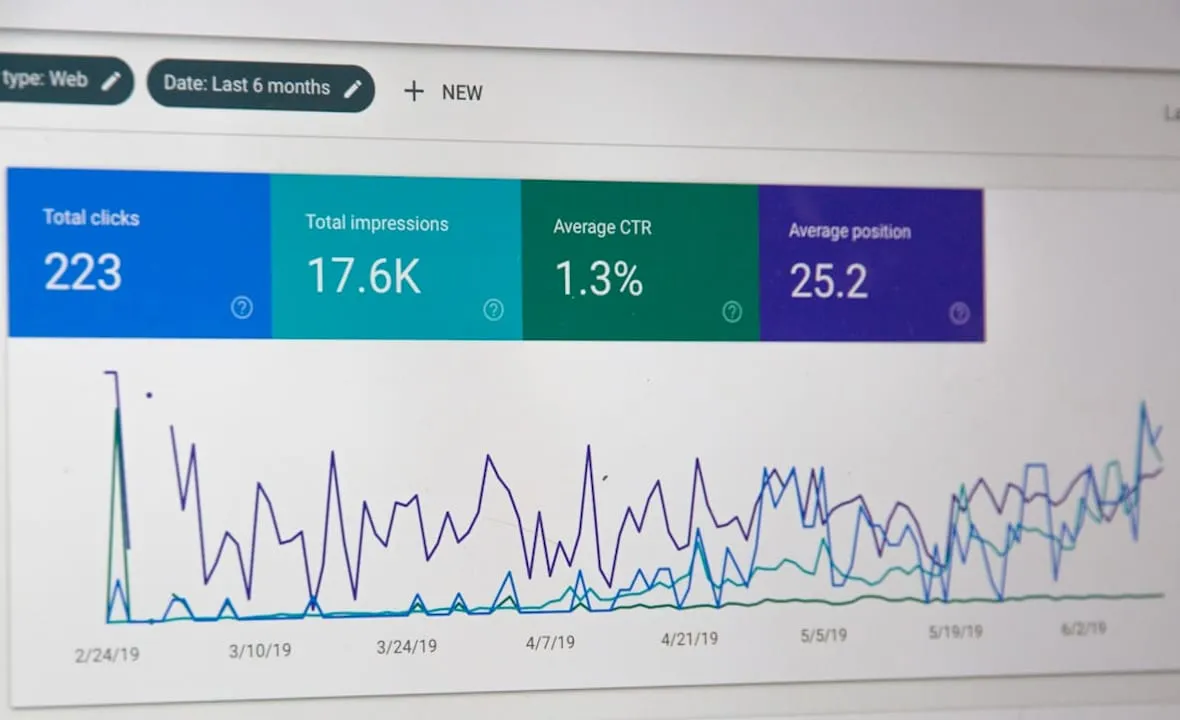
Advanced optimization strategies now incorporate emerging technologies like artificial intelligence and machine learning, which enable dynamic bid adjustments and automated campaign management. These technologies analyze historical performance data, identify high-performing audience segments, and automatically reallocate budgets to maximize return on ad spend. Successful advertisers develop a holistic approach that combines data-driven insights with creative strategy, continuously testing and refining their targeting parameters to stay ahead of competitive marketplace dynamics.
Pro tip: Implement a systematic approach to campaign optimization by creating granular ad groups, conducting regular performance audits, and using Amazon’s built-in analytics to identify and scale your most effective targeting strategies.
Below is a summary of effective optimization strategies for Amazon paid search campaigns:
StrategyCore FocusExample BenefitGranular Ad GroupsSegment by performanceImproved budget allocationPerformance AuditsRegular metric reviewsIdentify underperforming keywordsAI Bid AutomationDynamic bid adjustmentMaximized return on ad spendNegative Keyword UsageExclude poor matchesReduced wasted ad spend.
Common Pitfalls and Cost Management
Paid search advertising on Amazon presents complex financial challenges, with rising costs and competitive dynamics requiring strategic cost management strategies. Digital marketers must navigate an increasingly complex landscape where bidding costs escalate rapidly, driven by heightened marketplace competition and algorithmic pricing mechanisms. Understanding these financial nuances becomes critical for maintaining profitable advertising campaigns that deliver sustainable return on ad spend.
The most significant pitfalls in Amazon paid search stem from uncontrolled spending and inefficient targeting. Automated bidding tools, while seemingly convenient, can inadvertently drain advertising budgets by aggressively bidding on marginally relevant keywords. Successful advertisers implement rigorous budget controls, setting strict daily and campaign-level spending limits, and continuously monitoring performance metrics. Key risk areas include broad keyword matching, which can trigger ads for irrelevant search terms, and neglecting negative keyword strategies that prevent wasted impressions and unnecessary clicks.
Mitigating financial risks requires a multifaceted approach combining technological sophistication with strategic human oversight. Advanced advertisers utilize granular performance analytics to identify underperforming keywords, adjust bid strategies dynamically, and reallocate budgets toward high-converting search terms. This requires a disciplined approach of constant experimentation, precise tracking, and willingness to make data-driven pivots. Sophisticated marketers recognize that cost management is not about minimizing spending, but maximizing efficiency by understanding the nuanced relationship between ad spend, click-through rates, and actual revenue generation.
Pro tip: Implement a weekly budget review process that analyzes cost-per-click, conversion rates, and total advertising cost of sale to systematically optimize your Amazon paid search investment.
Unlock Higher ROAS with Expert Amazon Paid Search Management
The article highlights the challenges sellers face in mastering Amazon’s paid search system — from navigating the complex bidding process to optimizing targeting and controlling escalating costs. If you are struggling with granular keyword management or seeking a strategy that balances bid efficiency with maximum product visibility, it is clear that a data-driven approach is essential. Concepts like dynamic keyword strategies, AI-powered bid automation, and rigorous cost controls are critical to not only winning auctions but also improving your return on ad spend.
At Nectar, we specialize in turning these challenges into growth opportunities. By combining our proprietary iDerive analytics platform with creative listing optimization and fully managed advertising campaigns, we empower brands to convert underperforming listings into market leaders. Our expertise in Amazon paid search means you can confidently implement advanced tactics like granular ad grouping and negative keyword strategies while safeguarding your budget from waste. Explore how our team integrates creative services and sophisticated ad management to help you scale smarter and protect your advertising investment.
Ready to transform your Amazon paid search performance?

Discover how Nectar’s full-funnel solutions can drive profitable growth for your brand. Visit Think Nectar today and start maximizing your ROAS with experts who understand the evolving landscape of Amazon advertising. Learn more about our approach at Nectar Managed Services and how we deploy data-backed strategies to optimize your campaigns.
Frequently Asked Questions
What is paid search on Amazon?
Paid search on Amazon is a digital advertising strategy where sellers can bid on relevant keywords to display their products at the top of search results, increasing visibility and potential sales.
How does Amazon’s paid search auction system work?
Amazon’s paid search operates on a pay-per-click auction system, where advertisers bid on keywords, and an algorithm evaluates multiple factors to determine ad placement, including bid amount and ad relevance.
What are the different types of paid search ads available on Amazon?
The main types of paid search ads on Amazon include Sponsored Products, Sponsored Brands, Sponsored Display, and Demand-Side Platform (DSP) ads, each serving different marketing objectives and audience targeting strategies.
How can I improve my Return on Ad Spend (ROAS) with Amazon paid search?
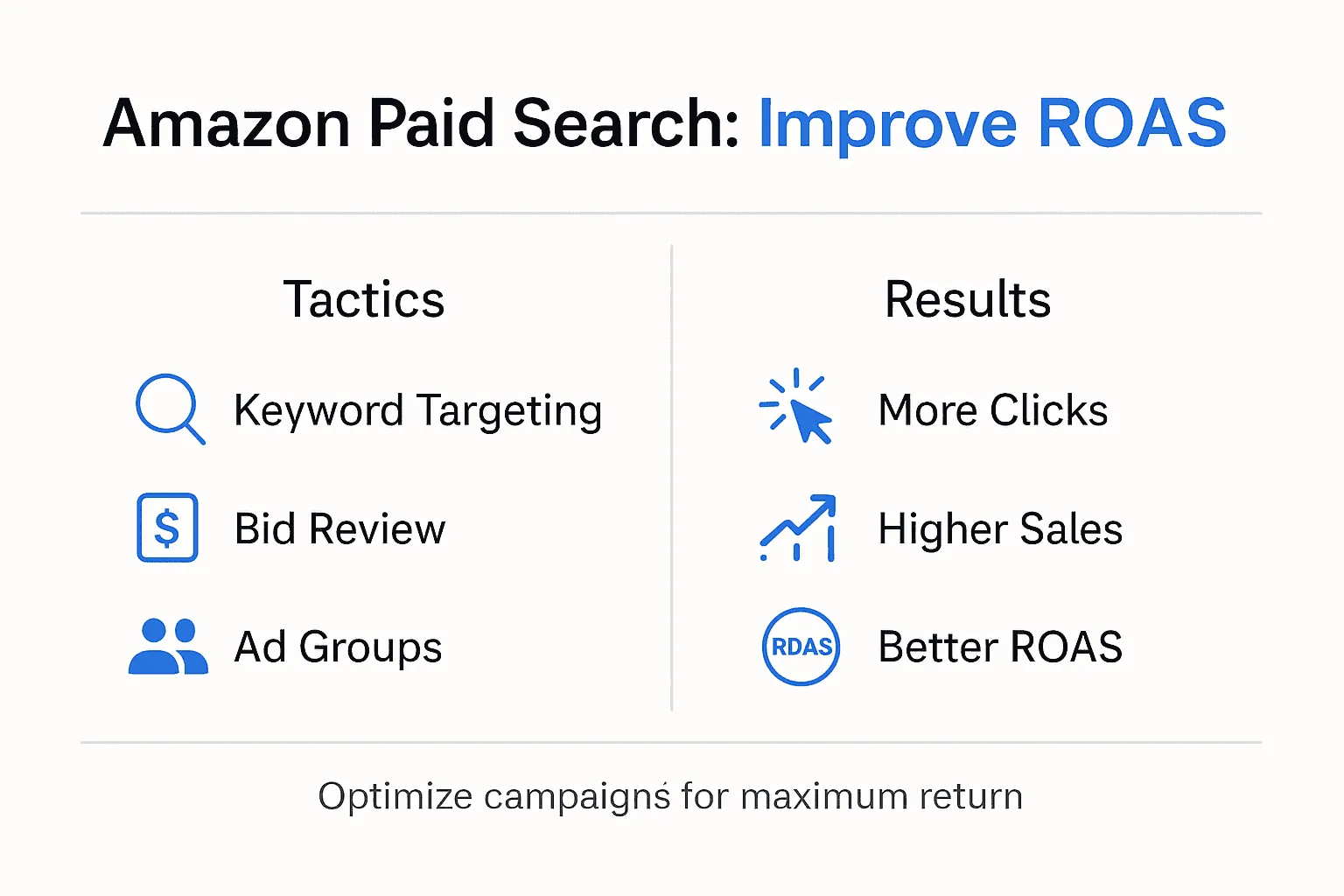
To improve ROAS, focus on effective keyword selection, optimize bid management, utilize targeted ad formats, and continuously analyze performance data to make informed adjustments to your campaigns.








































































.webp)