How to Leverage Ecommerce Data for Higher ROI in 2026
.webp)

Keeping up with shifting sales trends across Amazon, Walmart, and Shopify can leave even seasoned managers searching for clarity. Without a unified approach to data collection, essential insights get lost between platforms, slowing growth and decision making. Building a foundation of comprehensive, integrated ecommerce data sets your brand up for smarter analysis and timely optimization—empowering your team to turn complex market signals into profitable actions.
Quick Summary
Key InsightExplanation1.
Establish Unified Data Systems
Integrate data from all platforms to create a comprehensive view of ecommerce performance.
2. Analyze Cross-Channel Metrics
Compare key performance indicators across channels to identify trends and optimization opportunities.
3. Identify Actionable Insights
Use advanced analysis techniques to uncover hidden patterns that can inform business strategy.
4. Implement Optimization Strategies
Deploy data-driven interventions like dynamic pricing to enhance sales effectiveness and customer satisfaction.
5. Monitor and Refine Actions
Continuously review performance metrics and adjust strategies to improve decision-making and results.
Step 1: Set up unified ecommerce data collection systems
Establishing a comprehensive data collection system is critical for transforming your ecommerce insights into actionable strategies. By creating a unified platform that aggregates data from multiple sources, you can develop a holistic view of your online sales performance.
Start by identifying all potential data sources within your ecommerce ecosystem. This includes your sales platforms like Amazon and Shopify, web analytics tools, customer relationship management systems, and third party data providers. NielsenIQ consumer panel data offers excellent comprehensive datasets that can help you understand broader market trends and consumer behaviors.
Next, select a centralized data management platform that can integrate these diverse data streams. Look for solutions with robust API connections and real-time data ingestion capabilities. Government open data resources can provide additional guidance on establishing integrated data collection methodologies. Prioritize platforms that offer scalable infrastructure, advanced security protocols, and flexible reporting tools.
Pro tip: Consider implementing a data governance framework that establishes clear protocols for data collection, cleaning, and standardization to ensure consistent and reliable insights across your organization.
Here’s a comparison of common ecommerce data sources and their unique contributions:
Data SourceKey ContributionExample Use CaseSales PlatformsRecords transactions & revenueTrack product sales trendsWeb Analytics ToolsAnalyzes visitor behaviorIdentify drop-off pointsCRM SystemsStores customer interaction dataPersonalize email campaignsThird-Party ProvidersOffers market benchmarksCompare to industry standards
Step 2: Analyze performance metrics across channels
Understanding and analyzing performance metrics across your ecommerce channels is essential for developing targeted growth strategies. By systematically examining sales data and consumer behaviors, you can uncover valuable insights that drive smarter business decisions.

Begin by conducting a comprehensive cross-channel performance analysis that compares metrics like conversion rates, average order value, and customer acquisition costs across different platforms. The U.S. Census Bureau retail ecommerce sales data provides excellent benchmarks for understanding broader market trends and identifying potential optimization opportunities.
Prioritize creating a standardized reporting framework that allows for direct comparisons between channels. This involves normalizing data collection methods, establishing consistent key performance indicators, and developing a unified dashboard that presents insights in a clear, actionable format. Pay special attention to variations in customer behavior, platform specific conversion dynamics, and seasonal performance fluctuations.
Pro tip: Implement machine learning algorithms to automatically detect performance anomalies and generate predictive insights that can help you proactively adjust your sales strategies across different ecommerce channels.
Step 3: Identify opportunities with actionable insights
Transforming raw data into meaningful business opportunities requires a strategic approach that goes beyond surface level analysis. Your goal is to uncover hidden patterns and potential growth strategies that can directly impact your ecommerce performance.
Start by applying advanced text data analysis techniques that help decode customer sentiment and emerging market trends. This involves systematically examining consumer reviews, support interactions, and online discussions to identify recurring themes, pain points, and unmet customer needs. Leverage machine learning models that can consistently extract reliable insights from complex textual data sources.
Develop a structured framework for translating these insights into concrete business strategies. Business data analytics approaches recommend setting clear, measurable goals and creating a direct connection between your data findings and strategic actions. Focus on identifying specific opportunities such as product improvements, new market segments, pricing adjustments, or customer experience enhancements that can drive tangible business growth.
Pro tip: Create a recurring insight review process where cross functional teams collaborate to interpret data findings and rapidly prototype potential strategic interventions based on the most promising actionable insights.
Step 4: Implement targeted optimization strategies
Targeted optimization strategies are critical for transforming your ecommerce data insights into tangible business improvements. Your objective is to design precise, data driven interventions that systematically enhance performance across different sales channels and product lines.
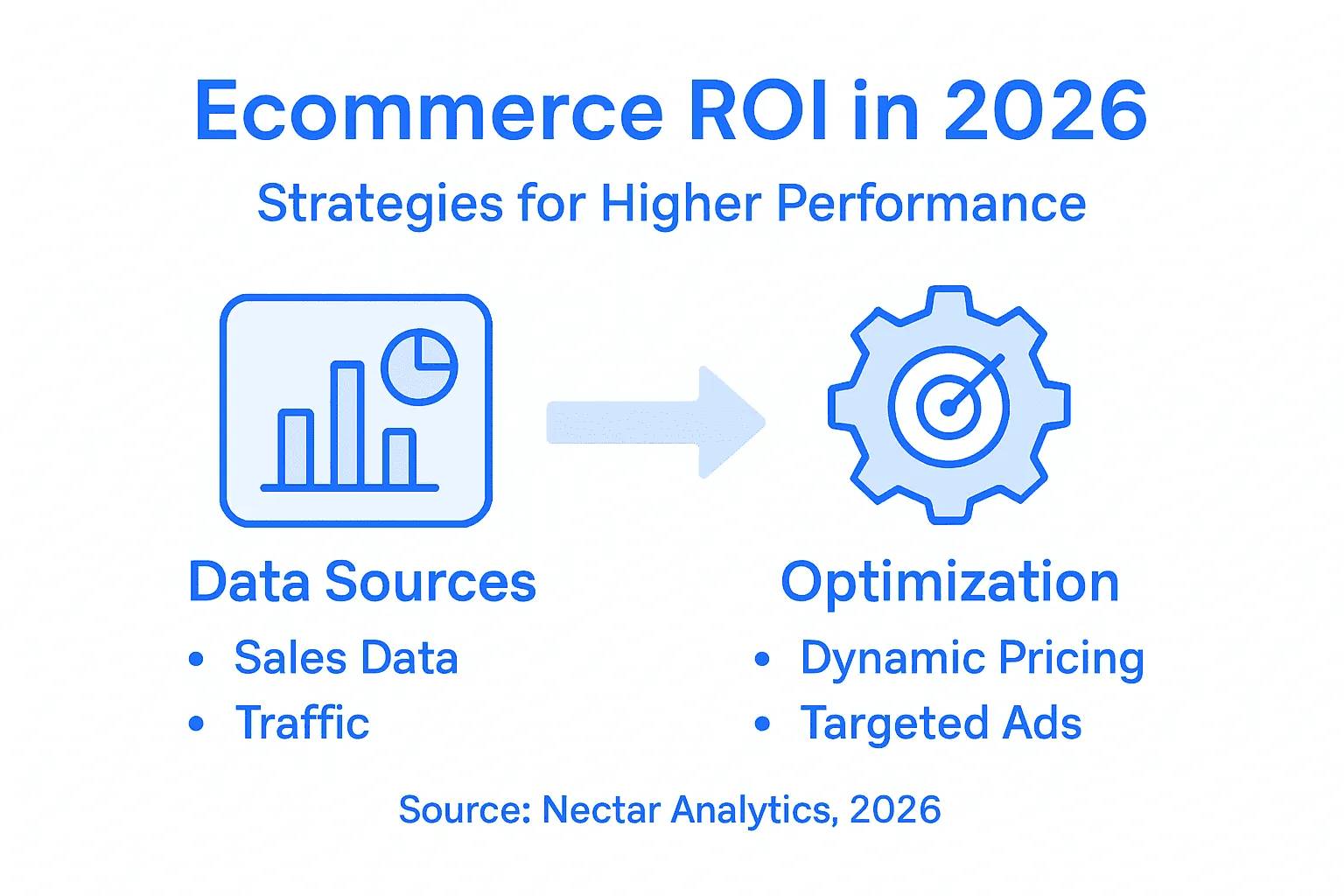
Begin by implementing machine learning pricing optimization techniques that allow for dynamic and responsive adjustments. This approach enables you to fine tune pricing strategies based on real time competitive insights, inventory levels, and consumer demand patterns. Consider developing automated systems that can make daily pricing modifications to maximize revenue and maintain market competitiveness.
Carefully balance your optimization efforts with consumer experience considerations. Targeted advertising strategies require thoughtful implementation to avoid potential negative outcomes like ad fatigue or privacy concerns. Focus on creating personalized, relevant interventions that provide genuine value to your customers while respecting their preferences and data privacy expectations.
Pro tip: Implement a continuous feedback loop that allows you to rapidly test optimization strategies, measure their impact, and quickly iterate based on real world performance data.
This summary highlights popular optimization techniques and their business impact:
Optimization TechniqueBusiness ImpactExample ApplicationDynamic PricingMaximizes revenue and competitivenessAdjust prices daily by demandTargeted AdvertisingIncreases conversion ratesServe product ads to segmentsPersonalization AlgorithmsBoosts customer satisfactionRecommend relevant productsReal-time Feedback LoopsAccelerates performance improvementsTest offers and iterate quickly
Step 5: Monitor results and refine data-driven decisions
Successfully leveraging ecommerce data requires a dynamic and continuous approach to performance monitoring and strategic refinement. Your ultimate goal is to create an adaptive system that transforms raw data into intelligent business actions.
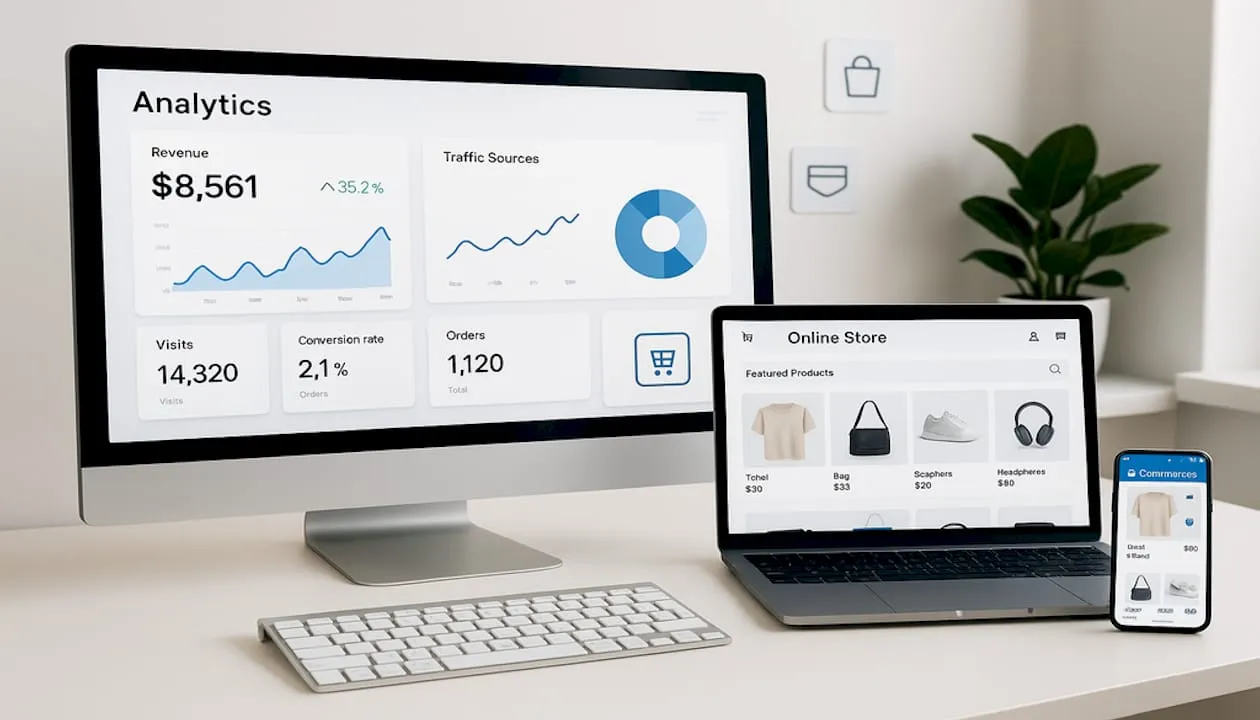
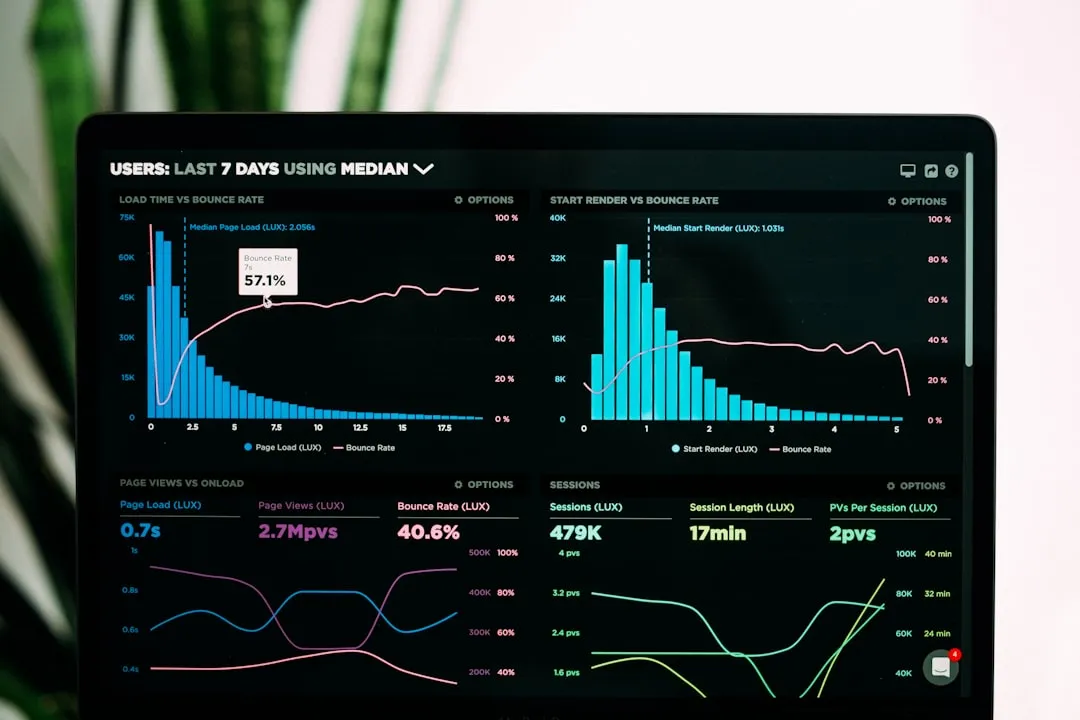
Longitudinal consumer behavior tracking provides the foundation for understanding long term performance trends. Develop a comprehensive monitoring framework that captures key performance indicators across multiple dimensions such as sales volume, customer acquisition costs, conversion rates, and product category performance. Implement automated dashboards that offer real time insights and allow for rapid identification of emerging patterns or potential optimization opportunities.
Establish a systematic process for data driven decision making that emphasizes continuous learning and incremental improvements. This involves setting clear objectives, defining measurable success metrics, and creating a structured approach to evaluating and acting on performance data. Regularly schedule cross functional review sessions where teams can collaboratively interpret results, challenge existing assumptions, and develop targeted strategies for enhancement.
Pro tip: Create a quarterly performance review ritual where you not only analyze results but also critically examine the data collection and analysis methodologies themselves to ensure ongoing accuracy and relevance.
Unlock the Full Potential of Your Ecommerce Data for Higher ROI in 2026
The article highlights the critical challenge of managing diverse ecommerce data sources and transforming them into actionable strategies that drive growth. If you aim to overcome pain points like fragmented data collection, inconsistent cross-channel analysis, and the need for precise optimization, Nectar’s fully managed ecommerce services are designed for businesses just like yours. By combining high-impact creative solutions with the power of our proprietary iDerive analytics platform, we provide the granular insights and data governance frameworks needed to scale smarter and boost profitability across Amazon, Walmart, and Shopify.
Ready to take control of your ecommerce performance with proven data-driven strategies that maximize long-term ROI?

Discover how Nectar can transform your underperforming listings into high-converting storefronts with comprehensive full-funnel management. Learn more at thinknectar.com and start leveraging ecommerce data the right way today. Visit Nectar’s homepage and explore our tailored solutions to optimize pricing, personalize customer experiences, and monitor results with unmatched precision.
Frequently Asked Questions
How can I set up a unified ecommerce data collection system?
To establish a unified ecommerce data collection system, first identify all data sources including sales platforms, web analytics tools, and customer relationship management systems. Next, select a centralized data management platform that can integrate these streams and implement a data governance framework to ensure reliable insights.
What key performance metrics should I analyze for higher ROI?
Focus on analyzing metrics such as conversion rates, average order value, and customer acquisition costs across channels. Conduct a comprehensive analysis to identify trends or discrepancies, which can help inform your strategy and enhance your ecommerce performance within 30 days.
How do I transform raw data into actionable insights?
To turn raw data into actionable insights, apply advanced data analysis techniques to decode customer sentiment and market trends. Develop a structured framework to link these insights to specific business strategies, targeting areas like product improvements or pricing adjustments to drive revenue growth.
What optimization strategies can increase my ecommerce sales?
Implement targeted optimization strategies such as dynamic pricing and personalized advertising to enhance sales performance. Test these strategies continuously and adjust based on real-time feedback to increase your conversion rates by approximately 15% over the next quarter.
How often should I monitor ecommerce performance data?
Regularly monitor your ecommerce performance data at least on a monthly basis to track key performance indicators and emerging trends. Establish a systematic review process and use automated dashboards to facilitate quick adjustments and decision-making based on the data you collect.






































































.webp)