7 Types of Digital Advertising Every E-Commerce Brand Needs
.webp)

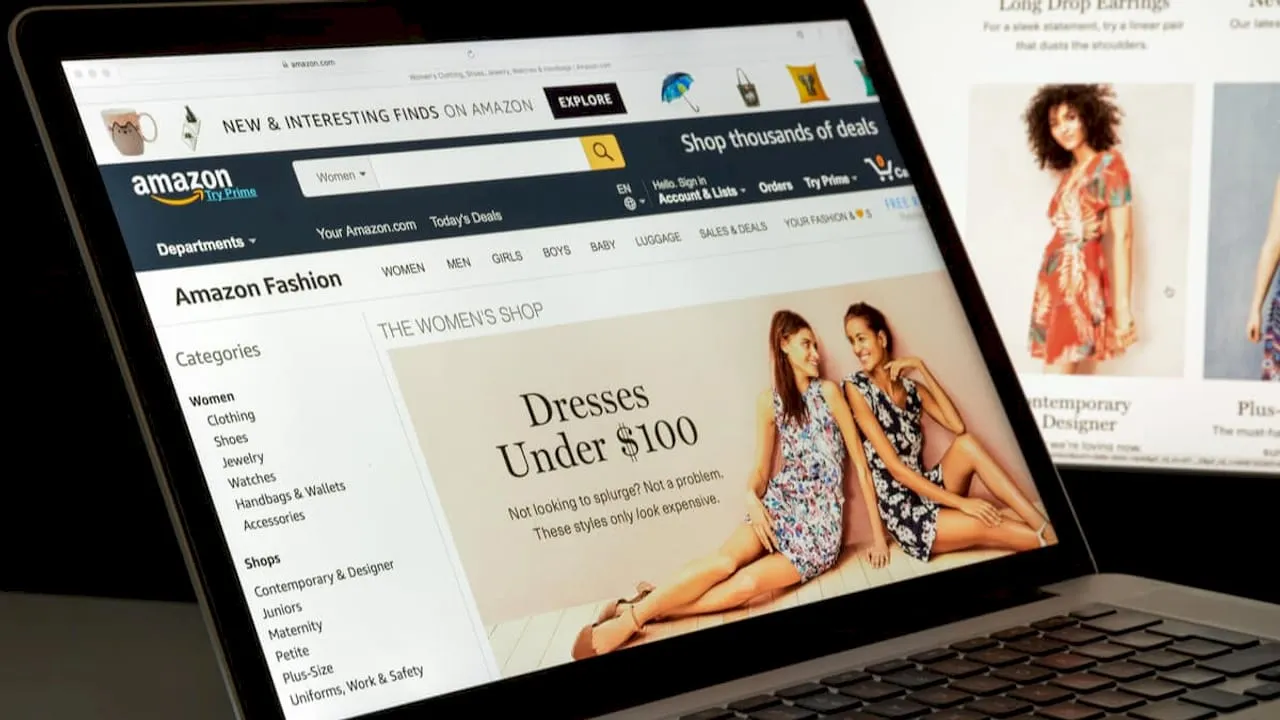
Bold digital strategies can make or break sales growth for American e-commerce brands. With search ad spend expected to soar past $88 billion nationwide, competition for buyer attention is fiercer than ever. Many marketing professionals know that unlocking real results on Amazon and D2C requires cutting-edge approaches in advertising. This guide unpacks proven tactics to target intent, boost engagement, and drive conversion with smarter digital investments.
Quick Summary
Key MessageExplanation1. Focus on Strategic Keyword TargetingUse precise keywords to capture direct buyer intent and boost sales conversions effectively.2. Leverage Diverse Content Formats in Social MediaCreate a mix of ads, including video and in-feed content, to enhance engagement and brand storytelling.3. Invest in High-Quality Visuals for Display AdsCraft compelling visuals to draw attention and communicate your brand’s unique value quickly.4. Build Authentic Relationships with InfluencersCollaborate with influencers who align with your brand values to enhance trust and engagement.5. Utilize Programmatic Advertising for EfficiencyAutomate ad buying to reach specific audiences quickly and reduce wasted advertising spend.
1. Search Engine Advertising for Direct Buyer Intent
Search engine advertising represents the most targeted digital marketing strategy for capturing consumers at the precise moment of purchase intent. By strategically bidding on specific keywords, e-commerce brands can place targeted ads directly in front of potential customers who are actively searching for their products or solutions.
In the United States, search ad spending is projected to exceed $88 billion in 2023, representing approximately 30% of digital media advertising investment. This massive market highlights the critical importance of strategic keyword targeting for brands seeking immediate sales conversions.
The power of search engine advertising lies in its ability to match consumer search queries with hyper-relevant product advertisements. Advanced targeting technologies enable brands to segment audiences based on demographic information, browsing history, and explicit purchase signals. This means your ads appear precisely when potential customers are most likely to make a buying decision.
Successful search engine advertising requires continuous optimization. Brands must regularly analyze keyword performance, refine audience targeting, and adjust bid strategies to maximize return on investment. This involves testing different ad copy, monitoring click through rates, and understanding which search terms generate the highest quality traffic.
Implementing search engine advertising effectively demands a multi-dimensional approach. Businesses should develop comprehensive keyword lists that cover broad informational searches, specific product queries, and high-intent commercial terms. By creating granular ad groups and matching them with tailored landing pages, brands can significantly improve conversion rates.
Pro tip: Implement a systematic keyword research process that includes analyzing competitor strategies, using long tail keywords, and continuously updating your search term portfolios to capture emerging consumer intent patterns.
2. Social Media Ads to Expand Brand Reach
Social media advertising has become an essential strategy for e-commerce brands seeking to amplify their digital presence and connect with targeted audiences. With 80% of business leaders anticipating increased social media budgets, these platforms offer unprecedented opportunities for brand visibility and customer engagement.
Modern social media advertising leverages sophisticated AI and machine learning technologies to deliver hyper-targeted advertising solutions across platforms like Facebook, Instagram, TikTok, and LinkedIn. Each platform provides unique audience demographics and engagement patterns, allowing brands to craft precise marketing messages that resonate with specific consumer segments.
The most effective social media advertising strategies integrate multiple content formats including in-feed ads, story ads, and video advertisements. Video content has emerged as a particularly powerful medium, with consumers demonstrating higher engagement and retention rates compared to static image advertisements. Brands can maximize their reach by creating authentic, compelling visual narratives that capture audience attention within seconds.
Successful social media advertising requires a comprehensive approach that goes beyond simple product promotion. Marketers must develop content that provides value, tells a compelling brand story, and creates emotional connections with potential customers. This means understanding audience pain points, interests, and aspirations while delivering content that feels personal and relevant.
Measuring and analyzing advertising performance is crucial for continuous improvement. Brands should track key metrics such as engagement rates, click-through percentages, conversion rates, and return on ad spend. By consistently refining targeting parameters and creative approaches, e-commerce businesses can optimize their social media advertising investments.
Pro tip: Develop a diverse content strategy that balances promotional material with genuine, value-driven storytelling to build trust and maintain audience interest across social media platforms.
3. Display Advertising for Visual Impact
Display advertising represents a powerful visual storytelling strategy for e-commerce brands seeking to capture audience attention across digital platforms. As the second most invested digital ad format in the United States, display advertising offers unprecedented opportunities for creating memorable brand experiences through compelling visual narratives.
The landscape of display advertising has dramatically transformed with the emergence of advanced programmatic targeting technologies. Modern display ads leverage sophisticated algorithms that enable precise audience segmentation, allowing brands to deliver personalized visual messages to specific consumer groups based on browsing behaviors, demographics, and interests.
Visual elements are critical in display advertising success. Brands must craft high quality images, animations, and videos that not only capture attention but also communicate their unique value proposition within seconds. This requires a strategic approach to design that balances aesthetic appeal with clear messaging and strong calls to action.
Programmatic buying has revolutionized display advertising by automating ad placement and optimization. This technology enables real time bidding and intelligent ad positioning across multiple websites and apps, ensuring maximum visibility and cost efficiency. E-commerce brands can now reach potential customers with unprecedented precision, reducing wasted ad spend and improving overall marketing performance.
Designing effective display ads demands a nuanced understanding of visual communication. Successful advertisements blend eye catching graphics, concise messaging, and strategic brand positioning. Marketers must focus on creating visuals that evoke emotion, tell a story, and provide immediate value to potential customers.
Pro tip: Create multiple ad variations with different visual styles and messaging to conduct systematic A B testing and continuously refine your display advertising performance.
4. Video Advertising to Increase Engagement
Video advertising has emerged as a powerhouse strategy for e-commerce brands seeking to capture consumer attention and drive meaningful engagement across digital platforms. With digital video advertising projected to exceed $55 billion in spend by 2024, brands have unprecedented opportunities to connect with audiences through compelling visual storytelling.
The evolution of digital video advertising is transforming how brands communicate their value proposition. Connected TV and streaming platforms have revolutionized consumer content consumption, creating dynamic channels for targeted video advertising that go far beyond traditional media constraints.
Successful video advertising requires a nuanced approach that balances entertainment and information. Modern consumers expect authentic, high quality content that provides genuine value. This means creating videos that are not just promotional but educational, entertaining, and aligned with the target audience’s interests and pain points.
Video ad formats have diversified dramatically, ranging from short social media clips to longer form educational content. E-commerce brands can leverage these variations to create targeted strategies that address different stages of the customer journey. Quick product demonstrations, customer testimonial videos, and behind-the-scenes content can all serve unique marketing objectives.
Data demonstrates the growing importance of video advertising, with a remarkable 21% year over year increase in digital video ad spend. This trend underscores the medium’s effectiveness in driving consumer engagement and supporting conversion goals. Brands that invest in high-quality, strategically designed video content can significantly enhance their marketing performance.
Pro tip: Develop a diverse video content strategy that includes multiple formats and lengths, and continuously analyze performance metrics to refine your approach and maximize audience engagement.
5. Influencer Partnerships for Authentic Promotion
Influencer marketing has transformed from a trendy tactic to a strategic cornerstone of digital advertising for e-commerce brands seeking genuine consumer connections. Modern brands recognize that authentic partnerships can dramatically amplify brand messaging and drive meaningful engagement across multiple digital channels.
The landscape of influencer marketing has evolved significantly, with brands increasingly focusing on micro and nano influencer strategies that deliver more targeted and credible promotional content. These smaller-scale influencers often demonstrate higher engagement rates and more genuine connections with their audiences compared to macro influencers with massive follower counts.
Successful influencer partnerships require a strategic approach that goes beyond simple product placement. Brands must seek out content creators who genuinely align with their values, product offerings, and target audience demographics. This means conducting comprehensive research to identify influencers whose personal brand and audience authentically match the e-commerce brand’s positioning.
Advanced analytics and artificial intelligence are now playing crucial roles in influencer selection and campaign optimization. Brands can leverage sophisticated tools to evaluate an influencer’s true reach, engagement quality, audience demographics, and historical performance. These data-driven insights enable more precise influencer matching and campaign performance prediction.
Effective influencer marketing strategies extend beyond single-post collaborations. The most successful brands develop long-term relationships with content creators, creating ongoing narratives that build trust and credibility with potential customers. This approach transforms influencers from mere promotional channels into genuine brand advocates.
Pro tip: Prioritize long-term relationship building with influencers and focus on creating collaborative content that provides genuine value to the audience rather than purely transactional promotional posts.
6. Programmatic Advertising for Automated Targeting
Programmatic advertising represents the cutting edge of digital marketing automation, enabling e-commerce brands to execute highly precise and efficient advertising strategies. This sophisticated approach uses advanced algorithms and real-time data to purchase and optimize digital ad inventory across multiple platforms with unprecedented speed and accuracy.
The U.S. programmatic advertising market is experiencing explosive growth, projected to reach $609 billion by 2030 with a remarkable compound annual growth rate of 21.6%. This massive expansion reflects the technology’s transformative potential for digital advertising strategies.
At its core, programmatic advertising automates the decision-making process of media buying through intelligent algorithms that analyze user data, browsing behaviors, and contextual signals. This enables brands to deliver highly targeted advertisements to specific audience segments in milliseconds, maximizing the efficiency of every advertising dollar spent.
Real-time bidding represents the most dynamic aspect of programmatic advertising. Brands can now compete for ad impressions across digital platforms through instantaneous auctions, ensuring their messages reach the most relevant audiences at precisely the right moment. This approach dramatically reduces wasted ad spend and increases overall campaign performance.
Successful programmatic advertising requires a sophisticated understanding of data analytics, audience segmentation, and continuous optimization. Brands must invest in robust tracking technologies, develop comprehensive audience personas, and maintain flexibility to adapt their strategies as consumer behaviors evolve.
Pro tip: Implement a multi-platform tracking system that allows granular performance analysis and enables rapid adjustments to your programmatic advertising strategy based on real-time insights.
7. Native Advertising to Blend with Content
Native advertising represents a sophisticated approach to digital marketing that seamlessly integrates promotional content within the natural user experience of digital platforms. This innovative advertising strategy enables brands to deliver compelling messages without disrupting consumer engagement or triggering traditional ad avoidance mechanisms.
The United States native advertising market has experienced remarkable growth, valued at $85 billion in 2023 and projected to expand rapidly. This surge reflects consumers’ increasing preference for non-intrusive, contextually relevant advertising experiences that provide genuine value alongside standard content.
Successful native advertising requires a nuanced understanding of platform specific content formats and audience expectations. Brands must craft promotional messages that genuinely resemble the surrounding editorial or platform content, creating a seamless integration that feels informative rather than overtly commercial. This approach demands high quality content creation and deep audience insights.
Different digital platforms offer unique native advertising opportunities. Social media networks allow sponsored posts that match user-generated content, search engines enable sponsored listings that blend with organic results, and content platforms support advertorial-style articles that provide meaningful information while subtly promoting brand offerings.
Transparency remains crucial in native advertising strategies. Regulatory bodies like the Federal Trade Commission mandate clear disclosure of sponsored content to maintain ethical marketing practices. Successful brands accomplish this through subtle but visible indicators that distinguish native advertisements from organic content.
Pro tip: Prioritize creating native advertising content that delivers genuine value to your audience, focusing on solving problems or providing insights rather than pure promotional messaging.
Below is a comprehensive table summarizing the diverse digital advertising strategies described in the article.
Unlock the Full Potential of Your Digital Advertising Strategy
Navigating the complex world of digital advertising for e-commerce can feel overwhelming. As the article points out, mastering search engine advertising, social media ads, programmatic buying, and influencer partnerships requires deep expertise and continuous optimization. Key challenges such as targeting the right audience at the right moment, creating compelling content that converts, and leveraging data-driven insights are critical to transforming underperforming ads into revenue-driving assets. If you want to move beyond basic tactics and implement a strategic, full-funnel digital advertising approach that truly scales your brand, you need expert guidance.
At Nectar, we specialize in orchestrating high-impact advertising campaigns tailored for Amazon, Walmart, and Shopify sellers. Our proprietary iDerive analytics platform delivers granular performance insights while our in-house creative team crafts captivating visuals and video content that stop consumers in their tracks. By harmonizing powerful programmatic targeting with authentic influencer partnerships and native advertising techniques, we help brands overcome the common pitfalls of digital advertising and drive sustained, profitable growth.
Ready to elevate your digital advertising game with a proven, data-driven partner?

Discover how Nectar’s full-service e-commerce marketing solutions empower brands to maximize ROI across digital ad formats. Visit us now to learn more and start converting clicks into loyal customers today. Take the first step to grow smarter and increase your market share by partnering with Nectar.
Frequently Asked Questions
What are the main types of digital advertising e-commerce brands should consider?
Digital advertising for e-commerce brands includes search engine advertising, social media ads, display advertising, video advertising, influencer partnerships, programmatic advertising, and native advertising. Analyze your target audience to determine which types align best with your marketing goals.
How can I effectively implement search engine advertising for my e-commerce store?
To successfully implement search engine advertising, start by developing a comprehensive list of keywords related to your products. Regularly analyze keyword performance and adjust your bidding strategies to optimize ad placements and improve conversion rates.
What steps should I take to create engaging video advertisements?
Begin by scripting your video to balance entertainment and information, focusing on your target audience’s interests. Aim to produce high-quality content that showcases your products and aligns with customer needs, then distribute it across platforms where your audience engages, such as social media.
How can I measure the effectiveness of my social media advertising campaigns?
You can measure the effectiveness of social media advertising by tracking key metrics like engagement rates, click-through rates, and conversion rates. Set specific goals for these metrics, and regularly analyze performance data to refine your advertising strategies and improve results.
What factors should I consider when selecting influencers for my e-commerce brand?
When selecting influencers, consider their alignment with your brand values, audience demographics, and engagement rates. Conduct thorough research to find influencers who can create authentic content that resonates with your audience and supports your marketing objectives.
How does programmatic advertising enhance my digital marketing strategy?
Programmatic advertising automates media buying, allowing for precise targeting using real-time data and algorithms. Set up a tracking system to optimize your campaigns continually, enabling you to maximize efficiency and reduce wasted ad spend.




































































.webp)