Why Invest in Ecommerce Creative for Growth
.webp)

Over ninety percent of American online shoppers say captivating creative influences their purchase decisions. If your retail brand is aiming for stronger results on major platforms like Amazon, Walmart, and Shopify, relying on basic product photos is not enough. Misconceptions about ecommerce creative limit your sales potential. This guide clarifies what truly drives online success, helping you spot overlooked creative opportunities and sidestep common mistakes.
Key Takeaways
PointDetails
Ecommerce Creative is MultifacetedIt
Integrates visual storytelling, user experience, and data-driven insights to enhance customer engagement.
Diverse Creative Assets are Essential
Brands should utilize a range of media types, such as video and interactive content, for effective communication.
Data Analytics Enhance Creative Strategy
Leveraging data helps refine creative outputs to align with consumer preferences and optimize performance.
Invest Wisely to Minimize RisksA structured approach and regular performance evaluations are crucial to ensuring a positive return on creative investments.
Ecommerce Creative Defined and Common Misconceptions
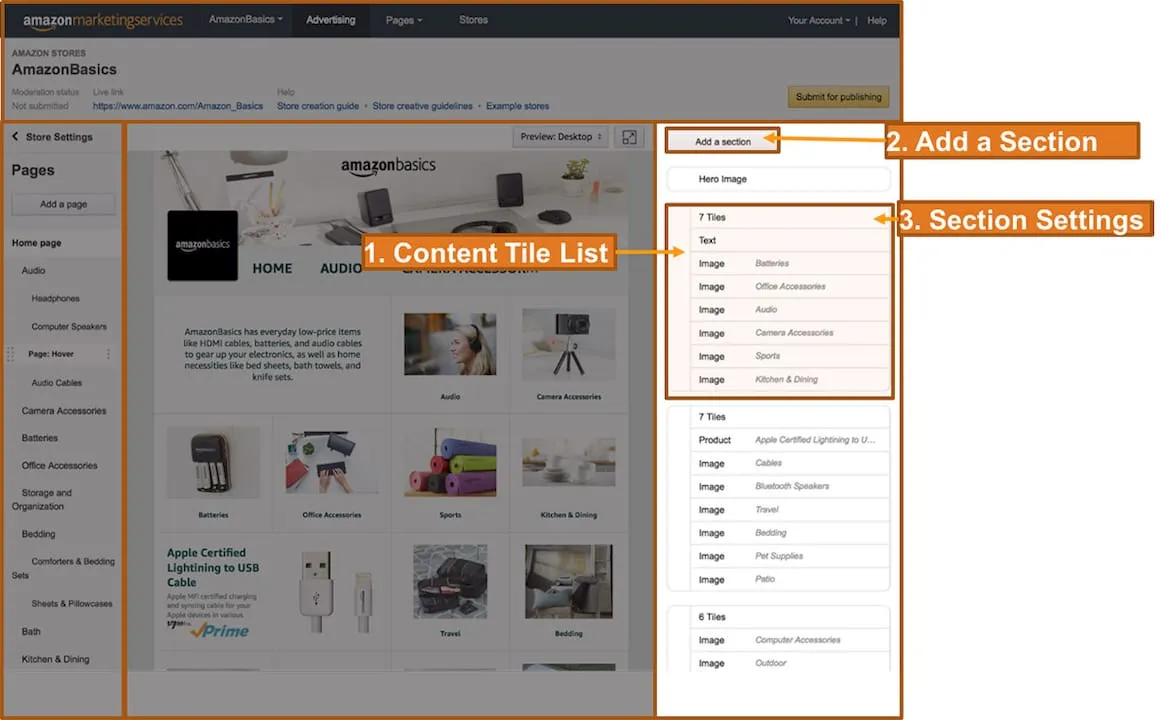
Ecommerce creative is more than simple product imagery or basic online marketing materials. At its core, ecommerce creative represents a strategic approach to visual and narrative communication that transforms digital shopping experiences. Digital creativity in ecommerce encompasses the generation of innovative ideas and products using advanced digital tools that merge cognitive skills, technological platforms, and design thinking.
Contrary to popular belief, ecommerce creative is not just about creating aesthetically pleasing graphics. It’s a comprehensive discipline that involves understanding consumer psychology, technological capabilities, and market dynamics. The misconception that creativity is purely artistic overlooks its critical role in problem-solving and strategic communication. Successful ecommerce creative integrates data-driven insights, user experience design, and compelling storytelling to drive meaningful engagement and conversions.
The scope of ecommerce creative extends far beyond traditional product photography. It includes developing immersive digital experiences, crafting narrative-driven product descriptions, designing intuitive user interfaces, and creating multimedia content that resonates with target audiences. From interactive product demonstrations to personalized marketing campaigns, modern ecommerce creative leverages technologies like artificial intelligence and advanced analytics to deliver targeted, contextually relevant content.
Pro tip: Invest in cross-functional creative teams that combine design expertise with data analytics and consumer behavior insights to develop truly transformative ecommerce experiences.
Types of Ecommerce Creative Assets
Ecommerce creative assets represent the diverse visual and narrative tools that brands leverage to communicate their unique value proposition and engage potential customers. Creative assets in digital commerce encompass a wide range of media types, including both tangible and digital content elements that reflect a brand’s identity and communication strategy.
The primary categories of ecommerce creative assets include visual graphics, video content, interactive media, and design templates. Visual graphics range from product photographs and lifestyle images to infographics and brand illustrations that capture attention and communicate complex information quickly. Video content has emerged as a particularly powerful asset, with formats including product demonstrations, customer testimonials, animated explainer videos, and immersive brand storytelling pieces that create emotional connections with audiences.

Advanced ecommerce creative assets now integrate emerging technologies and design trends. Dynamic design elements like animations, surreal illustrations, and gradient backgrounds are transforming traditional marketing visuals. Interactive assets such as 360-degree product views, augmented reality try-on experiences, and personalized content generators represent the cutting edge of ecommerce creative strategy, enabling brands to provide more engaging and contextually relevant customer experiences.
Pro tip: Develop a comprehensive digital asset management system that enables quick retrieval, consistent branding, and strategic repurposing of your creative content across multiple marketing channels.
Here’s a summary of key types of ecommerce creative assets and their business benefits:
Asset TypeCommon Use CasesDistinctive BenefitVisual GraphicsProduct photos, infographicsQuick communication of features and brand identityVideo ContentDemos, testimonialsBuilds emotional connection and trustInteractive Media360° views, AR try-onsEngages users, increases conversion ratesDesign TemplatesWeb and social layoutsEnsures branding consistency, streamlines workflow
How Creative Drives Sales and Conversion
Creative marketing transforms the fundamental approach to driving sales by connecting with customers on a deeper emotional level. Storytelling in digital marketing significantly enhances sales performance by creating meaningful narratives that go beyond traditional product promotion, engaging consumers through compelling brand experiences that inspire action and loyalty.

The mechanisms of creative-driven conversion are multifaceted, focusing on strategic emotional and psychological triggers. Visual storytelling, personalized content, and immersive design elements work together to reduce purchase barriers and increase consumer confidence. By crafting narratives that resonate with target audiences, brands can transform passive browsers into active purchasers, leveraging design psychology to guide customers through the buying journey more effectively.
Digital creative content strategies demonstrate that visually dynamic and fast-paced storytelling dramatically improves campaign effectiveness. Modern consumers expect more than static product descriptions—they seek interactive, emotionally engaging experiences that help them visualize products in their own lives. This approach not only drives immediate sales but also builds long-term brand equity by creating memorable connections that transcend traditional transactional relationships.
Pro tip: Develop a robust creative content framework that maps specific emotional triggers and visual narratives to different stages of the customer purchase journey, ensuring each creative asset is strategically designed to move potential buyers closer to conversion.
Role of Data and Analytics in Creative
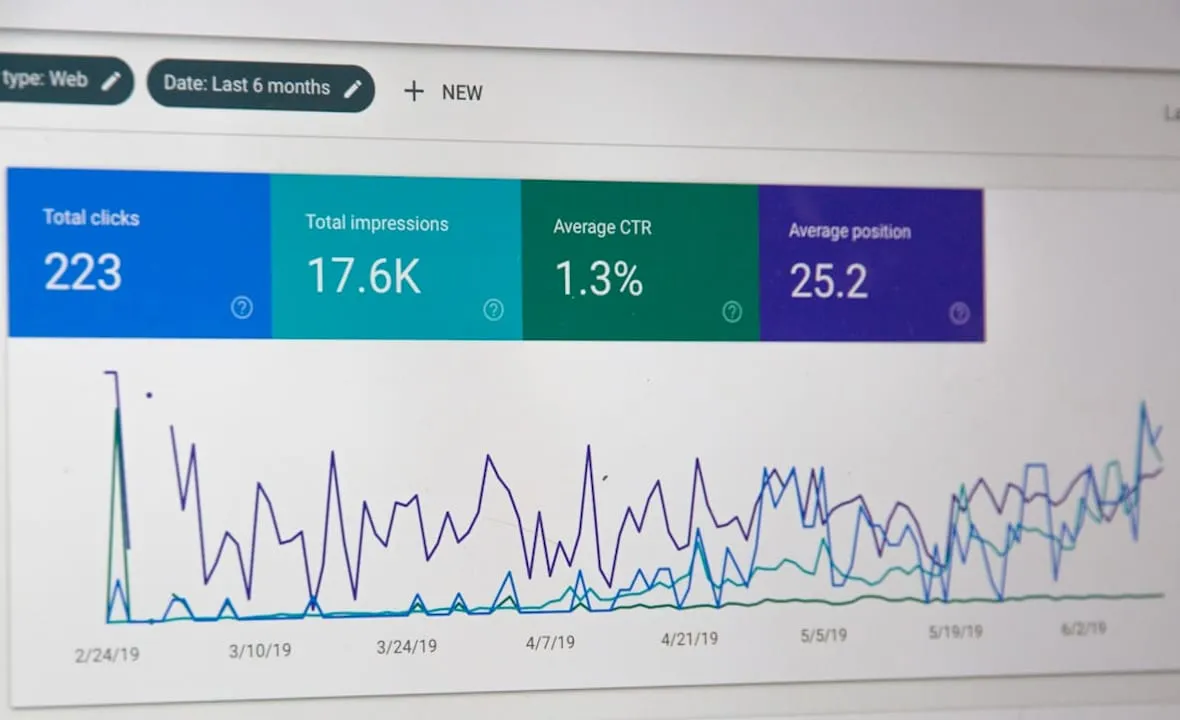
Data analytics has revolutionized the creative process in ecommerce, transforming intuition-based design into a precision-driven strategic approach. Creative data analysis techniques enable companies to systematically evaluate and optimize creative strategies by linking design elements directly to business performance metrics, providing unprecedented insights into customer engagement and conversion dynamics.

The intersection of data science and creative development creates a powerful framework for understanding consumer behavior. By analyzing complex datasets, brands can uncover nuanced patterns in customer interactions, preferences, and emotional responses. This approach allows creative teams to craft more targeted, resonant content that speaks directly to specific audience segments, moving beyond generic design principles to develop highly personalized visual narratives that drive meaningful engagement.
Innovative data integration methods combine quantitative metrics with qualitative insights, offering a holistic view of creative performance. Advanced analytics platforms now provide granular understanding of how individual design elements—from color schemes to storytelling techniques—impact customer journey progression. This data-driven creative approach enables continuous optimization, allowing brands to iterate rapidly and make informed decisions about visual communication strategies that directly influence sales and brand perception.
Pro tip: Implement a comprehensive analytics dashboard that tracks both quantitative performance metrics and qualitative engagement indicators, enabling your creative team to make real-time, data-informed design decisions.
See how data and analytics transform creative decision-making in ecommerce:
Data ApplicationCreative ImpactMeasurable OutcomePerformance Metric TrackingGuides asset optimizationHigher engagement ratesAudience SegmentationEnables tailored contentImproved customer targetingA/B TestingIdentifies top-performing visualsIncreased conversion ratesQualitative FeedbackRefines storytelling approachesStronger brand connections
Costs, Risks, and ROI Considerations
Ecommerce creative investments require a strategic approach to evaluating financial implications and potential returns. Ecommerce cost structures demonstrate that flexible operating expenses can significantly impact marketing effectiveness, necessitating a nuanced understanding of how creative spending translates into tangible business outcomes.
The financial risks associated with creative investments extend beyond direct monetary expenditures. Brands must carefully consider potential challenges such as market perception, customer trust, and competitive positioning. Unsuccessful creative strategies can lead to decreased brand credibility, reduced customer engagement, and diminished market share. This requires a comprehensive risk assessment that goes beyond simple cost-benefit analysis, incorporating qualitative factors that influence long-term brand performance.
Advanced ROI measurement techniques provide sophisticated frameworks for evaluating creative investments. Key metrics including conversion rates, customer acquisition costs, return on advertising spend, and customer lifetime value offer a comprehensive view of creative performance. Successful brands leverage these analytics to create a dynamic evaluation model that continually assesses and optimizes creative spending, ensuring that each investment delivers measurable value.
Pro tip: Develop a quarterly creative performance scorecard that tracks both financial metrics and qualitative brand impact, allowing for data-driven adjustments to your creative investment strategy.
Common Pitfalls When Investing in Creative
Creative investment strategies demand meticulous planning and strategic execution. Common creative investment mistakes often stem from insufficient preparation, unclear objectives, and a fundamental misalignment between creative outputs and core business goals. These missteps can dramatically undermine marketing effectiveness and waste valuable resources.
Brands frequently fall into predictable traps that compromise their creative investments. Overreliance on intuition without data-driven validation creates significant risk. Some organizations invest heavily in visually appealing content without rigorously testing market fit or understanding audience preferences. Others neglect cross-functional collaboration, creating silos that prevent comprehensive creative strategy development and limit innovative potential.
Strategic evaluation techniques provide critical safeguards against creative investment failures. Successful organizations implement robust measurement frameworks that integrate early-stage analytics, set clear performance benchmarks, and establish continuous feedback mechanisms. These approaches help brands transform potential pitfalls into opportunities for refinement, ensuring that creative investments align closely with strategic business objectives and deliver measurable value.
Pro tip: Create a comprehensive creative investment checklist that includes market research validation, cross-functional alignment, precise performance metrics, and built-in iterative review processes.
Unlock Ecommerce Growth With Strategic Creative Solutions
The article highlights how investing in ecommerce creative is essential to overcoming common challenges like low engagement and missed conversions. Key goals include developing emotionally resonant storytelling, leveraging data-driven insights, and building immersive digital shopping experiences that truly connect with customers. If you are struggling to translate your creative efforts into measurable sales growth, understanding and implementing a comprehensive creative framework is critical.
At Nectar, we specialize in transforming underperforming listings on Amazon, Walmart, and Shopify through a seamless blend of high-impact creative services and advanced data analytics. Our in-house photography, videography, and design teams ensure your brand stands out while our proprietary iDerive platform provides the granular insights needed to optimize every asset and drive meaningful customer engagement. Discover how our approach directly addresses the pain points of creative investment and ROI discussed in the article with Nectar’s full-service ecommerce growth solutions.
Elevate your brand with creativity that converts and analytics that empower smarter scaling.
Drive results that matter—partner with Nectar today.
Enhance your ecommerce strategy now with Nectar’s premier managed services and start transforming your storefront into a high-converting powerhouse.

Frequently Asked Questions
What is ecommerce creative?
Ecommerce creative refers to a strategic approach to visual and narrative communication that enhances digital shopping experiences, integrating design, consumer psychology, and market dynamics.
How can ecommerce creative drive sales and conversions?
Ecommerce creative employs emotional storytelling and immersive design elements to connect with consumers, thereby reducing purchase barriers and increasing confidence, ultimately transforming browsers into buyers.
What types of creative assets are important for ecommerce?
Key types of ecommerce creative assets include visual graphics, video content, interactive media, and design templates, each serving distinct purposes like quick communication, building trust, engaging users, and ensuring consistent branding.
How does data influence ecommerce creative strategies?
Data analytics enables brands to evaluate and optimize creative strategies by linking design elements to performance metrics, allowing for targeted content development based on consumer behavior and preferences.









































































.webp)