End-to-End Ecommerce Management: Driving Profitable Growth
.webp)

Running an American digital storefront on platforms like Amazon or Shopify often means juggling everything from product listings to customer support without a break. For e-commerce managers, finding a way to bring these moving parts together is crucial to stay competitive and meet rising customer expectations. By adopting end-to-end ecommerce management, brands can unify inventory, marketing, logistics, and analytics within one cohesive system that helps drive efficiency and steady growth.
Key Takeaways
| Point | Details |
|---|---|
| End-to-End Integration | Successful ecommerce management requires a coordinated approach that integrates marketing, inventory, logistics, and customer service. This integration enhances operational efficiency and improves customer experiences. |
| Data-Driven Decision Making | Utilizing advanced analytics and real-time insights allows businesses to optimize strategies and respond swiftly to market changes. This helps in reducing inefficiencies and personalizing customer interactions. |
| Creative Strategy Importance | Focusing on user experience and mobile optimization drives higher conversion rates by creating seamless and engaging purchasing journeys for customers. |
| Selecting the Right Partner | Choosing an ecommerce management partner with strong technical expertise and strategic alignment is crucial for achieving long-term business success in the digital landscape. |
What End-to-End Ecommerce Management Means
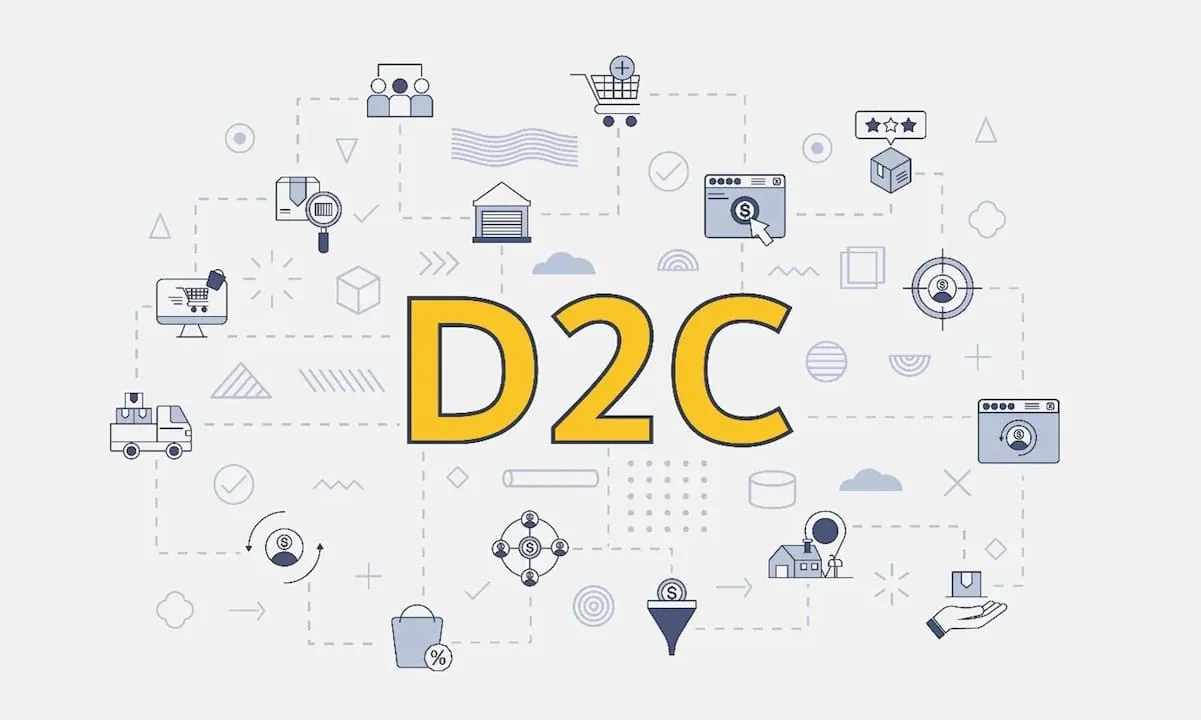
End-to-end ecommerce management represents a comprehensive approach to running an online business that integrates multiple operational functions into a seamless strategic framework. Unlike traditional siloed approaches, this method coordinates every aspect of the digital commerce experience from initial product development through final customer delivery. Comprehensive digital commerce strategies now require holistic coordination across multiple business domains.
At its core, end-to-end ecommerce management encompasses several critical operational dimensions. These include strategic marketing, precise inventory control, streamlined payment processing, efficient order fulfillment, and responsive customer service. By synchronizing these interconnected functions, businesses can create a unified ecosystem that enhances operational efficiency and delivers superior customer experiences. Technology integration and process transformation become fundamental to achieving these sophisticated operational goals.
Successful implementation demands sophisticated technological platforms that can integrate multiple business functions. Modern end-to-end management solutions leverage advanced analytics, artificial intelligence, and cloud-based infrastructures to provide real-time insights and enable rapid decision-making. This approach allows businesses to adapt quickly to market changes, optimize resource allocation, and consistently improve performance metrics across their entire digital commerce operation.
Pro tip: Invest in a robust ecommerce management platform that offers comprehensive integration capabilities and provides granular analytics to track performance across all operational dimensions.
Core Components of Ecommerce Management
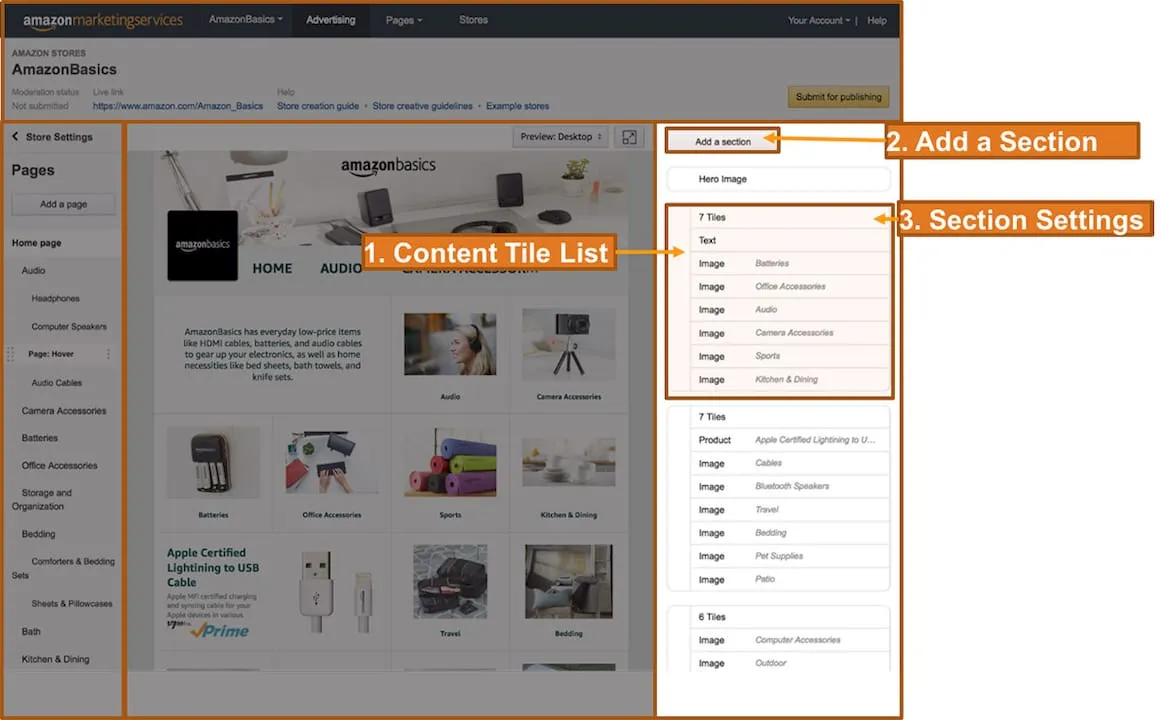
End-to-end ecommerce management relies on several critical components that work together to create a robust digital commerce ecosystem. Foundational technology infrastructure serves as the critical backbone, enabling seamless operations across multiple business functions. This technological framework includes online store platforms, payment processing systems, inventory management tools, and integration technologies that connect various operational domains.
Marketing and customer acquisition represent another pivotal component of ecommerce management. Strategic digital marketing approaches drive traffic, convert visitors into customers, and build brand recognition. These efforts encompass targeted advertising, search engine optimization, email marketing campaigns, and social media engagement. Performance tracking and analytics enable businesses to refine their marketing strategies continuously, ensuring optimal return on investment and sustained growth.

Logistics and fulfillment form the operational heart of successful ecommerce management. This component involves precise inventory control, efficient order processing, shipping coordination, and responsive customer service. Advanced businesses now integrate sophisticated technologies like artificial intelligence and machine learning to optimize these processes, enabling real-time inventory tracking, predictive demand forecasting, and personalized customer experiences. By synchronizing these complex operational elements, companies can reduce costs, minimize errors, and dramatically improve overall customer satisfaction.

Pro tip: Implement an integrated ecommerce management platform that provides comprehensive analytics and allows seamless communication between marketing, inventory, and customer service departments.
Here’s a summary of core components in end-to-end ecommerce management and their primary business impacts:
| Component | Primary Function | Business Impact |
|---|---|---|
| Technology Infrastructure | Enables seamless operations, integrations | Increased efficiency, scalability |
| Marketing & Acquisition | Drives customer traffic and conversions | Enhanced brand awareness, revenue growth |
| Logistics & Fulfillment | Manages inventory, orders, shipping | Reduced costs, improved customer satisfaction |
| Customer Service | Resolves issues and supports users | Higher retention, positive reviews |
How Data and Analytics Transform Performance
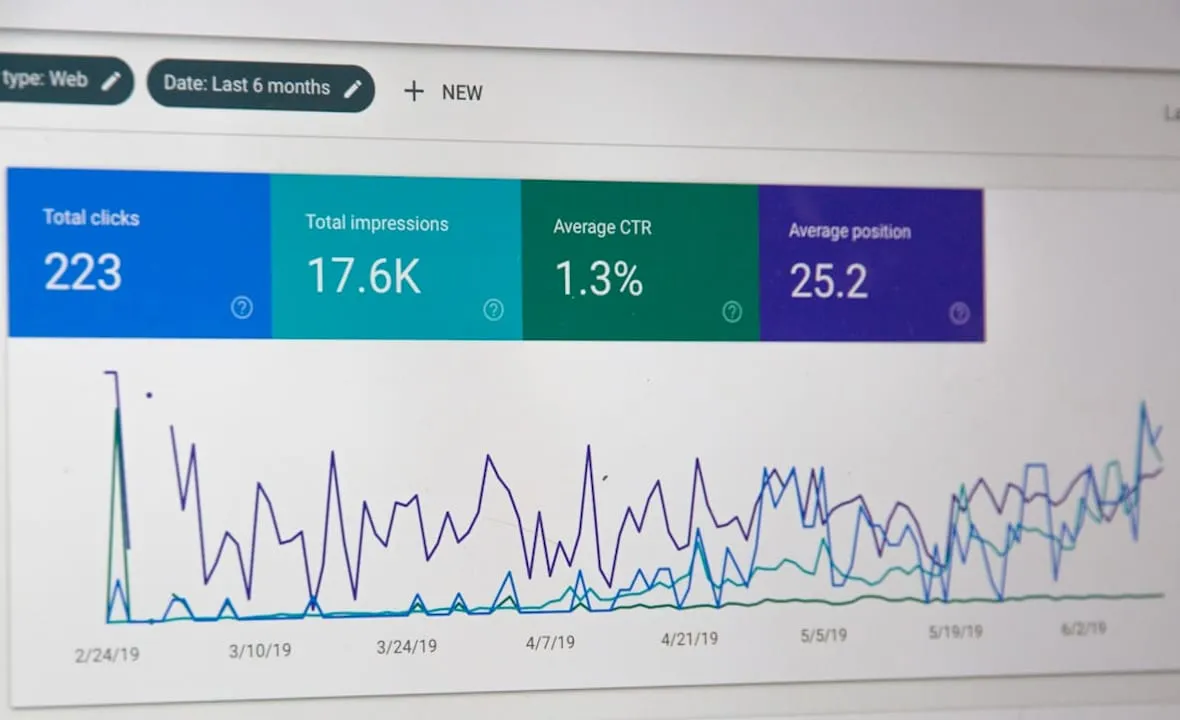
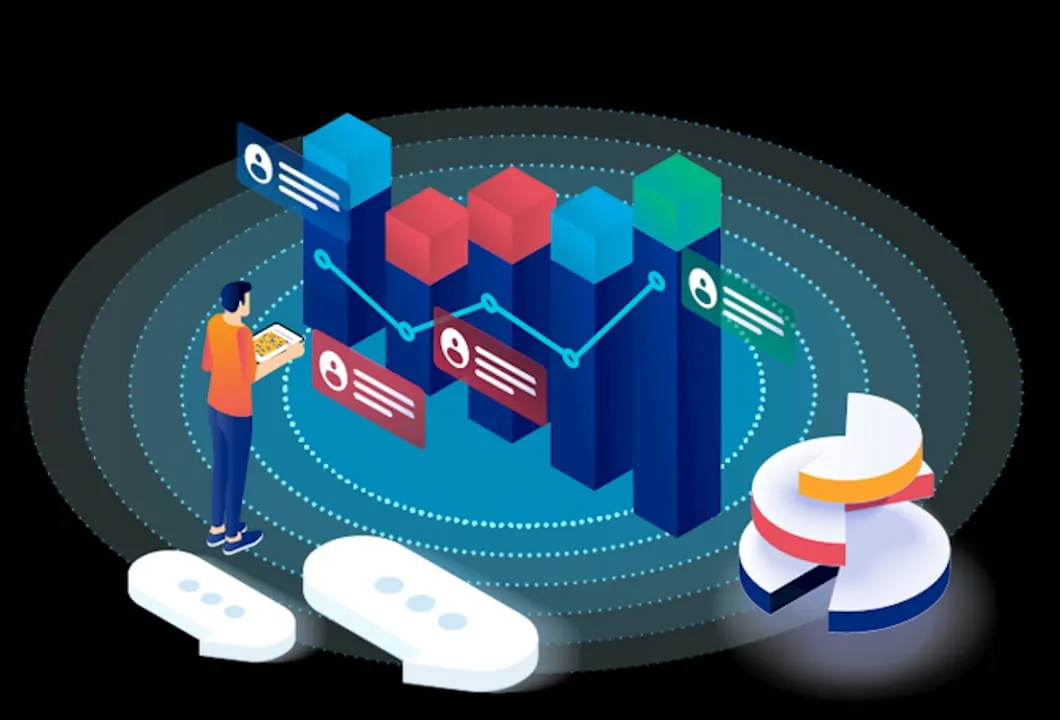
Data and analytics have become the cornerstone of modern ecommerce performance, enabling businesses to unlock unprecedented insights into customer behavior and operational efficiency. Advanced analytics platforms now leverage sophisticated artificial intelligence and machine learning techniques to transform raw data into actionable strategic intelligence. By processing complex datasets, businesses can identify nuanced patterns in consumer preferences, purchasing behaviors, and market trends that were previously invisible.
The transformative power of data analytics extends across multiple operational dimensions. Marketing teams can now develop hyper-targeted campaigns based on granular customer segmentation, while inventory managers optimize stock levels through predictive demand forecasting. Real-time performance tracking allows businesses to make rapid, informed decisions, adjusting strategies instantly in response to emerging market signals. These data-driven approaches dramatically reduce operational inefficiencies and create more personalized customer experiences that drive revenue growth.
Technological innovations have dramatically expanded the scope of data analytics in ecommerce. Machine learning algorithms can now predict customer lifetime value, recommend personalized product selections, and even anticipate potential churn risks before they materialize. By integrating data from multiple sources—including website interactions, social media engagement, purchase histories, and customer service records—businesses can create comprehensive customer profiles that enable more intelligent, responsive business strategies.
Pro tip: Invest in a robust analytics platform that integrates data from multiple sources and provides actionable, real-time insights across your entire ecommerce ecosystem.
Creative Strategy’s Role in Conversion Rates
Creative strategy has emerged as a critical driver of conversion rates in the competitive ecommerce landscape. Website design and user experience directly influence customer engagement and purchasing decisions, transforming how businesses approach digital marketing. Successful creative strategies go beyond aesthetic appeal, focusing on creating intuitive, emotionally resonant experiences that guide potential customers seamlessly through the purchasing journey.
Personalization stands at the forefront of effective creative strategies. By leveraging data-driven insights, businesses can craft targeted messaging and visual experiences that speak directly to individual customer preferences. Dynamic content adaptation allows websites to present product recommendations, imagery, and promotional language that align precisely with each user’s browsing history, demographic profile, and previous interactions. This hyper-targeted approach significantly reduces friction in the purchasing process and increases the likelihood of conversion.
Mobile optimization represents another crucial dimension of creative strategy in ecommerce. With an increasing proportion of online shopping occurring on smartphones and tablets, creative teams must design experiences that are not just visually appealing but also functionally seamless across different device types and screen sizes. This involves developing responsive designs, simplifying navigation, minimizing load times, and creating touch-friendly interfaces that make purchasing as effortless as possible. The goal is to eliminate any potential technological barriers that might interrupt the customer’s path to purchase.
Pro tip: Conduct regular user experience testing and implement A/B variations to continuously refine your creative strategy and identify the most effective conversion pathways.
Selecting the Right Ecommerce Management Partner
Choosing the right ecommerce management partner can dramatically impact a brand’s digital performance and growth trajectory. Strategic partner selection requires a comprehensive evaluation of multiple critical factors beyond basic service offerings. Businesses must look for partners who demonstrate deep technological expertise, industry-specific knowledge, and a proven track record of driving measurable results across complex digital ecosystems.
The ideal ecommerce management partner should offer a holistic approach that integrates technology, marketing, and operational support. This means examining their capabilities across key dimensions such as platform compatibility, customization options, scalability, and the ability to provide end-to-end solutions. Advanced partners leverage sophisticated analytics platforms, offer robust marketing strategies, and can seamlessly integrate with existing business systems to create a unified and efficient digital commerce infrastructure.
Critical evaluation criteria extend beyond technical capabilities to include strategic alignment and cultural compatibility. Businesses should assess potential partners based on their approach to innovation, responsiveness to emerging market trends, and commitment to continuous improvement. The most effective partnerships are characterized by transparent communication, proactive problem-solving, and a shared vision for long-term growth. Look for partners who not only provide technological solutions but also offer strategic insights that can help your business navigate the complex and rapidly evolving ecommerce landscape.
Use this table to help compare key factors when choosing an ecommerce management partner:
| Evaluation Factor | Why It Matters | What to Look For |
|---|---|---|
| Technical Expertise | Ensures robust platform integration | Track record, certifications |
| Industry Knowledge | Helps address specific challenges | Relevant client experience |
| Strategic Alignment | Supports long-term business goals | Shared vision, communication |
| Performance Metrics | Validates measurable success | Transparent reporting, results |
Pro tip: Create a comprehensive scorecard that evaluates potential ecommerce partners across technical capabilities, industry expertise, strategic alignment, and proven performance metrics.
Unlock Profitable Growth with End-to-End Ecommerce Solutions
Managing every aspect of your ecommerce business from marketing and inventory to customer service can feel overwhelming. This article highlights the critical challenges brands face when trying to unify technology infrastructure, analytics, and creative strategy to boost conversion rates and operational efficiency. If you find yourself struggling with scattered data, inefficient fulfillment, or generic marketing approaches, it’s time to consider a partner who offers comprehensive, data-driven management.
At Nectar, we specialize in turning complex ecommerce demands into clear, scalable growth opportunities. By combining our high-impact creative services—including photography, videography, and design—with advanced advertising strategies powered by our proprietary iDerive analytics platform, we provide brands with the granular insights and seamless integration necessary to manage the entire digital commerce ecosystem. Discover how our full-funnel approach can transform your Amazon, Walmart, or Shopify storefronts into high-converting assets that maximize long-term ROI.
Ready to overcome operational silos and elevate your ecommerce performance? See how Nectar’s end-to-end expertise aligns with the strategic goals outlined in this article and take your growth to the next level today.
Learn more about our comprehensive ecommerce solutions
Explore how data-driven creative strategy drives conversions
Partner with a premier ecommerce agency for seamless management

Transform your ecommerce operations with Nectar. Visit thinknectar.com now to start scaling smarter and capturing more market share.
Frequently Asked Questions
What is end-to-end ecommerce management?
End-to-end ecommerce management is a comprehensive approach that integrates all operational functions of an online business, from product development to customer delivery, creating a seamless digital commerce experience.
How can data and analytics improve ecommerce performance?
Data and analytics enable businesses to understand customer behavior, optimize marketing efforts, inventory management, and enhance decision-making, ultimately driving more efficient operations and increased revenue.
Why is having a robust ecommerce management platform important?
A robust ecommerce management platform allows for comprehensive integration of various business functions, providing real-time insights, enhancing operational efficiency, and supporting rapid decision-making in today’s fast-paced digital marketplace.
What factors should be considered when selecting an ecommerce management partner?
When choosing an ecommerce management partner, consider their technical expertise, industry knowledge, strategic alignment with your business goals, and proven performance metrics to ensure a successful collaboration.
Recommended












.png)