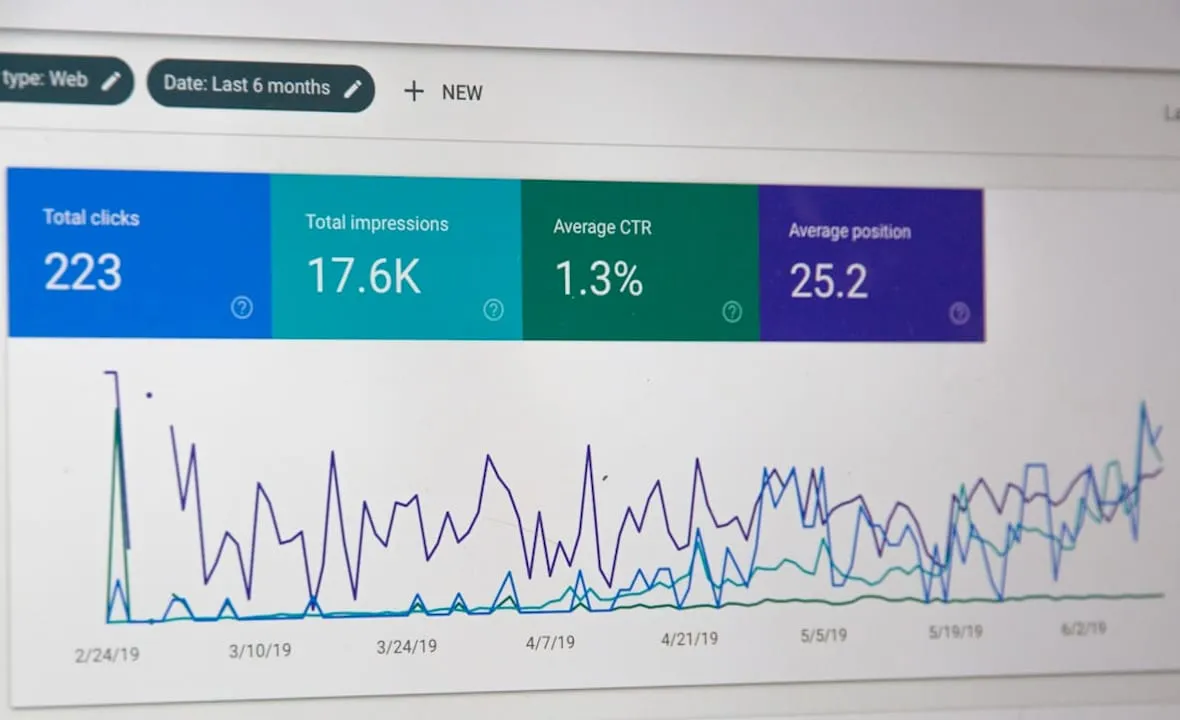
Performance Metrics in Ecommerce: Driving ROI Growth
.webp)

Every Ecommerce manager knows the pressure to turn numbers into meaningful results. Gaining clarity from performance metrics is more than tracking sales or conversion rates. For American brands on Amazon and Shopify, the task is about transforming complex data streams into actionable insights that steer product decisions and strategy. Discover how a strategic approach to metrics empowers you to drive operational efficiency, elevate customer value, and sustain ROI without relying on guesswork.
Key Takeaways
PointDetails
Performance Metrics Drive Strategic Decisions
Metrics transform data into actionable insights that guide online retail strategies for growth and efficiency.
Holistic Approach to Metrics
Metrics should be interconnected and aligned with business objectives for a comprehensive understanding of performance.
Continuous Monitoring is Essential
Regular reviews of selected metrics help ensure they remain relevant and actionable, fostering ongoing improvement.
Caution Against Misinterpretation
It’s crucial to avoid oversimplification and maintain a critical perspective on data to prevent flawed decision-making.
Role of Performance Metrics in Online Retail
Performance metrics are the strategic compass guiding online retail businesses toward sustainable growth and competitive advantage. By transforming raw data into actionable insights, these quantitative indicators help organizations understand, predict, and optimize their digital commerce strategies.
Understanding how to measure e-commerce performance metrics requires a nuanced approach that goes beyond simple numerical tracking. The goal is not just collecting data, but extracting meaningful strategic intelligence that drives informed decision-making.

Businesses must recognize that metrics serve as more than passive indicators. They are dynamic tools that, when carefully selected and interpreted, can reshape operational strategies. However, as Harvard Business Review cautions, an overzealous focus on numbers without strategic alignment can potentially undermine overall business objectives.
Pro tip: Select performance metrics that directly correlate with your most critical business objectives, and review them consistently to ensure they remain relevant and actionable.
Key Types of Ecommerce Performance Metrics
Ecommerce performance metrics are sophisticated diagnostic tools that provide critical insights into digital business health and potential. These quantitative indicators transform complex data streams into actionable intelligence, enabling businesses to make strategic decisions with precision and confidence.
According to comprehensive research, key performance metrics encompass multiple dimensions that evaluate different aspects of online retail operations. Successful ecommerce organizations understand that these metrics are not standalone numbers, but interconnected indicators that reveal deeper strategic insights. Each metric provides a unique perspective on business performance, helping leaders identify strengths, diagnose weaknesses, and develop targeted improvement strategies.
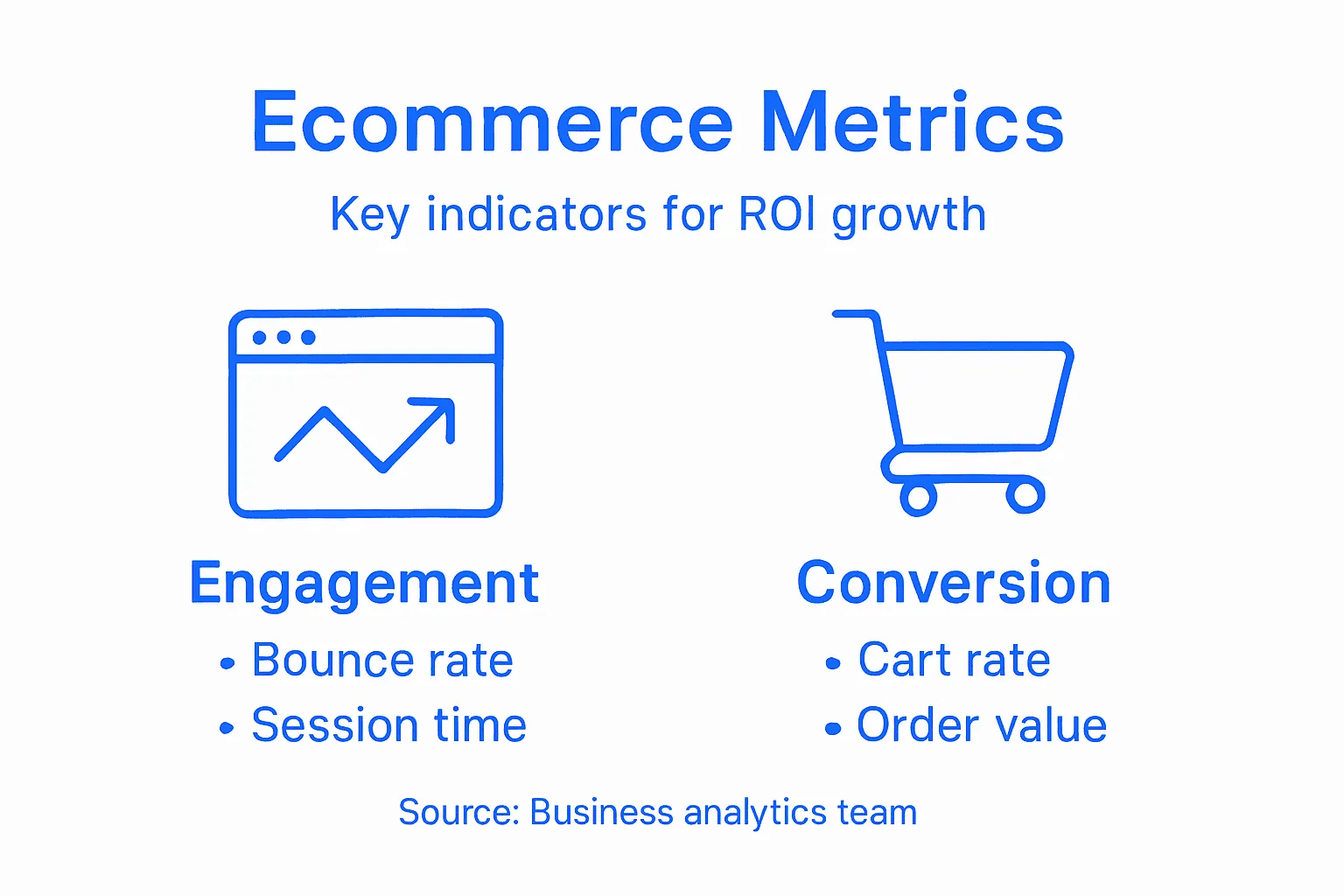
Understanding the nuanced relationship between different performance metrics allows businesses to create a holistic view of their digital commerce ecosystem. By tracking and analyzing these indicators systematically, companies can develop data-driven approaches that optimize operational efficiency, enhance customer experiences, and drive sustainable growth.
Pro tip: Create a comprehensive dashboard that integrates multiple performance metrics, allowing real-time visibility into your ecommerce operation’s health and potential areas of improvement.
The following table summarizes how different e-commerce metric types impact overall business strategy:
Metric TypeStrategic PurposeCommon Business ImpactFinancial PerformanceTracks sales and profitabilityIdentifies revenue growth trendsCustomer EngagementMonitors user interaction levelsBoosts retention and loyaltyOperational EfficiencyMeasures process effectivenessReduces costs and delaysAdvertising & CreativeAssesses marketing effectivenessImproves campaign ROIData-Driven DecisionDrives informed decision-makingSupports resource optimization
How Metrics Influence Advertising and Creative
Performance metrics serve as the critical compass that guides advertising strategy and creative development in ecommerce, transforming intuitive approaches into data-driven precision. By systematically analyzing consumer interactions, brands can craft more targeted, resonant marketing experiences that directly impact business outcomes.
Advertising creativity metrics reveal crucial insights into how marketing content connects with target audiences. These sophisticated indicators help organizations understand the nuanced relationship between creative elements and consumer engagement.
Successful ecommerce brands recognize that metrics are not merely numbers, but strategic insights that illuminate the complex pathways of consumer decision-making. By systematically tracking these indicators, organizations can continuously refine their creative approach, ensuring that every advertising asset is optimized for maximum impact.
Creative content without metrics is like navigating without a compass – you might move, but you won’t know if you’re heading in the right direction.
Pro tip: Implement a dynamic creative testing framework that allows real-time optimization of advertising assets based on granular performance metrics.
Optimizing ROI With Data-Driven Decisions
Data-driven decision making represents the cornerstone of modern ecommerce strategy, transforming raw information into powerful insights that directly impact financial performance. By systematically analyzing complex datasets, businesses can unlock unprecedented opportunities for growth and optimization.
Intelligent decision frameworks enable ecommerce organizations to make more precise, strategic choices that significantly enhance return on investment. These advanced analytical approaches go beyond traditional intuition-based methods, providing a rigorous foundation for resource allocation and performance improvement.
Data without interpretation is just noise. Successful businesses transform metrics into meaningful strategic actions.
Ecommerce brands must develop a holistic approach that balances quantitative analysis with strategic vision. This means not just collecting data, but creating robust frameworks that translate complex information into actionable business strategies.
Pro tip: Establish a dedicated data analytics team that bridges technical expertise with strategic business understanding, ensuring metrics consistently drive meaningful organizational improvements.
Common Mistakes and Misinterpretations
Performance metrics in ecommerce are powerful tools, but they can become dangerous when misunderstood or applied without critical analysis. Organizations frequently fall into predictable traps that undermine the potential of their data-driven strategies, leading to misguided decisions and suboptimal outcomes.
Data quality challenges represent a fundamental obstacle in accurate performance measurement. Inconsistent data collection, incomplete tracking, and measurement errors can create a distorted view of business performance that leads managers astray.
Not all numbers that can be measured matter, and not all things that matter can be measured.
Successful organizations develop a nuanced approach to performance metrics, recognizing that data is a tool for insight, not an infallible oracle. They cultivate a culture of critical thinking that questions metrics, understands their limitations, and uses them as part of a broader strategic framework.
Pro tip: Implement a quarterly metric audit that critically examines your performance indicators, ensuring they remain relevant, accurate, and aligned with your evolving business objectives.
Here is a comparison of common mistakes vs. best practices in performance metric interpretation:
PitfallConsequenceBest PracticeOverfocusing on numbersMissed strategic contextAlign metrics with business goalsInconsistent dataFlawed analysesEnsure regular data validationIgnoring qualifiersMisleading conclusionsBalance quantitative and qualitative insights
Unlock the Full Potential of Your Ecommerce Performance Metrics
Many ecommerce brands face the challenge of turning complex performance data into meaningful growth strategies. From navigating the pitfalls of metric misinterpretation to optimizing ROI through data-driven decisions, this article highlights common obstacles including aligning key metrics like conversion rates and customer acquisition cost with your business goals. If you are ready to move beyond the noise of raw data and harness actionable insights, Nectar offers a proven solution.
At Nectar, we specialize in transforming underperforming listings on Amazon, Walmart, and Shopify into high-converting storefronts by integrating high-impact creative services with our proprietary iDerive analytics platform. This combination ensures every advertising dollar works smarter by connecting financial performance and customer engagement metrics directly to your growth objectives. Our full-funnel management and granular insights help mid-sized and enterprise brands avoid common mistakes such as oversimplifying metrics or overlooking strategic alignment.

Explore how data-driven creativity and optimized performance metrics can boost your ROI today at Nectar. Discover tailored strategies that will help you scale smarter and increase your market share now.
Frequently Asked Questions
What are performance metrics in ecommerce?
Performance metrics in ecommerce are quantitative indicators that help businesses assess their online performance. They provide insights into various aspects such as sales volume, conversion rates, customer acquisition costs, and overall operational efficiency.
How can I ensure the accuracy of my ecommerce performance metrics?
To ensure accuracy, it is crucial to establish consistent measurement methodologies, implement rigorous data validation processes, and regularly audit your metrics to align them with your evolving business goals.
Why is it important to align performance metrics with business goals?
Aligning performance metrics with business goals ensures that the data collected is relevant and actionable. This strategic connection helps businesses focus on key areas that drive growth and improve decision-making.
What are some common mistakes in interpreting ecommerce performance metrics?
Common mistakes include oversimplifying data by focusing on individual metrics in isolation, inconsistent data collection processes, and failing to connect metrics to strategic business objectives. Critical analysis and holistic evaluation are necessary to avoid these pitfalls.










































































.webp)