7 Essential Ecommerce Retention Strategies List for Brands
.webp)
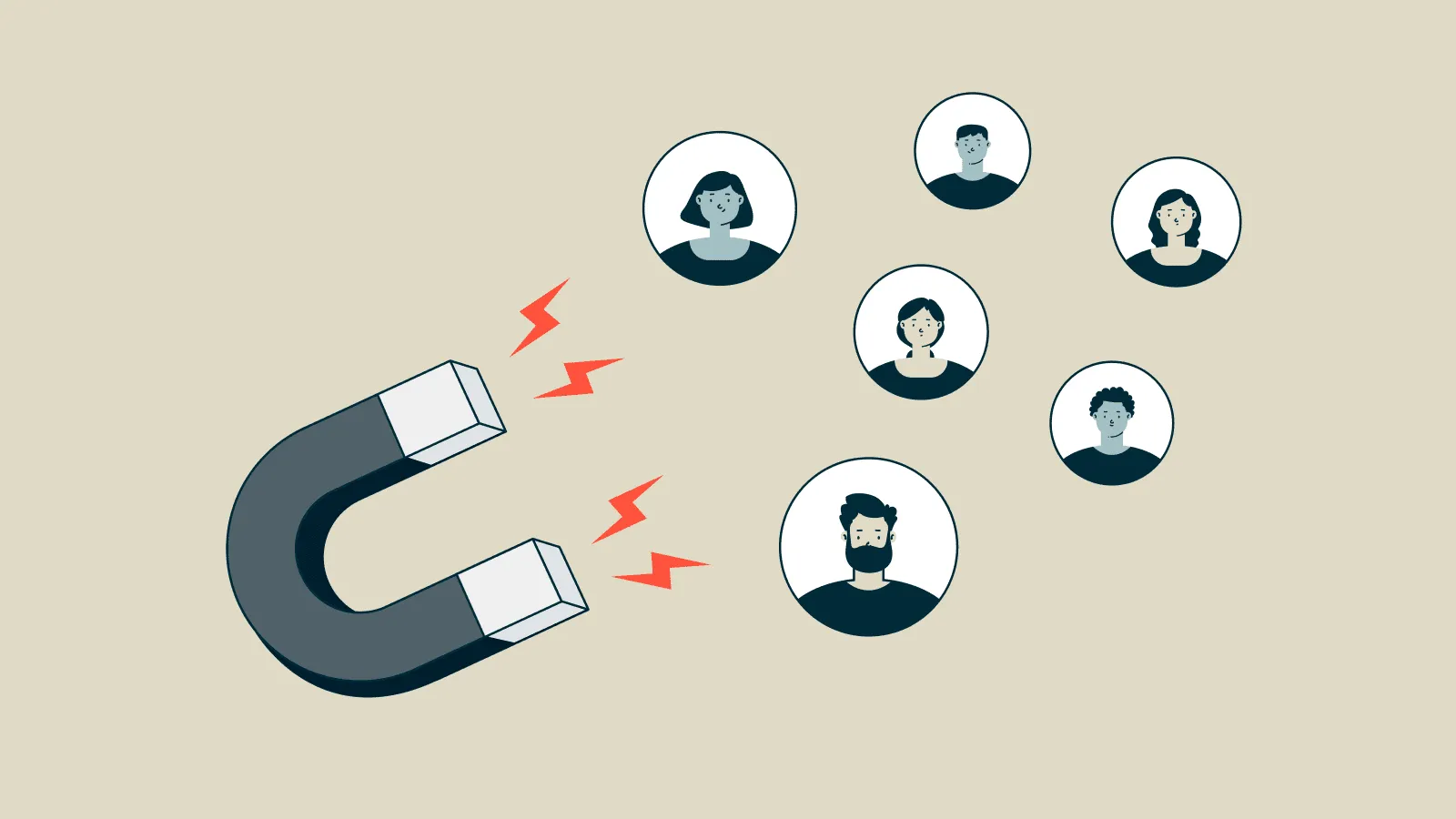
Keeping customers engaged after a purchase can feel challenging when every brand is competing for attention. You know that lasting loyalty depends on more than just a smooth checkout process. To turn one-time shoppers into repeat buyers, you need impactful strategies that actually build trust and strengthen relationships over time.
This list reveals practical ways to enhance post-purchase communication and retention using insights shaped by real customer behavior. You’ll learn how to personalize customer interactions, use advanced segmentation, reward ongoing loyalty, and much more—all based on proven approaches. Get ready for actionable steps that will help your business stand out and keep customers coming back.
Summary of Key Insights
Key InsightExplanation
1. Personalize Post-Purchase Communication
Tailor follow-ups based on customer purchases and preferences to enhance loyalty and retention.
2. Implement Customer Segmentation
Use detailed customer profiles to create personalized marketing strategies that resonate with each segment.
3. Enhance Loyalty Programs
Design programs with tiered rewards and personalization to foster emotional connections and repeat purchases.
4. Utilize Automated Email Campaigns
Send timely and relevant automated emails to maintain customer engagement and drive repeat business.
5. Act on Customer Feedback
Create transparent feedback mechanisms that demonstrate how customer insights are used to improve products and services.
1. Personalize Post-Purchase Communication for Higher Loyalty
Post-purchase communication represents a critical moment in the customer experience where brands can transform a single transaction into a lasting relationship. By implementing strategic personalized follow-ups, e-commerce companies can significantly boost customer loyalty and retention.
Customers expect more than a generic “thank you” email after making a purchase. They want personalized interactions that demonstrate genuine care. This means tailoring communication based on their specific purchase, preferences, and past interactions.
Timing and relevance are crucial in these interactions. Reaching out too frequently can feel intrusive while waiting too long might make customers feel forgotten. The sweet spot involves sending carefully crafted messages that add genuine value.
Pro tip: Implement a dynamic communication workflow that adapts to individual customer behaviors and preferences, using AI-driven insights to create truly personalized experiences.
2. Segment Customers to Tailor Retention Efforts Precisely
Customer segmentation is the strategic process of dividing your customer base into distinct groups with shared characteristics, enabling more targeted and effective retention strategies. By understanding the nuanced behaviors and preferences of different customer segments, e-commerce brands can create highly personalized experiences that dramatically improve loyalty.
Customer segmentation divides buyers into specialized groups that enable precise marketing and engagement approaches. These segments go far beyond basic demographic information and delve into complex behavioral patterns.
Modern e-commerce brands can leverage advanced analytical techniques like explainable AI and survival analysis to create even more sophisticated segments. These approaches allow for transparent attribution of potential churn risks and enable proactive retention interventions.
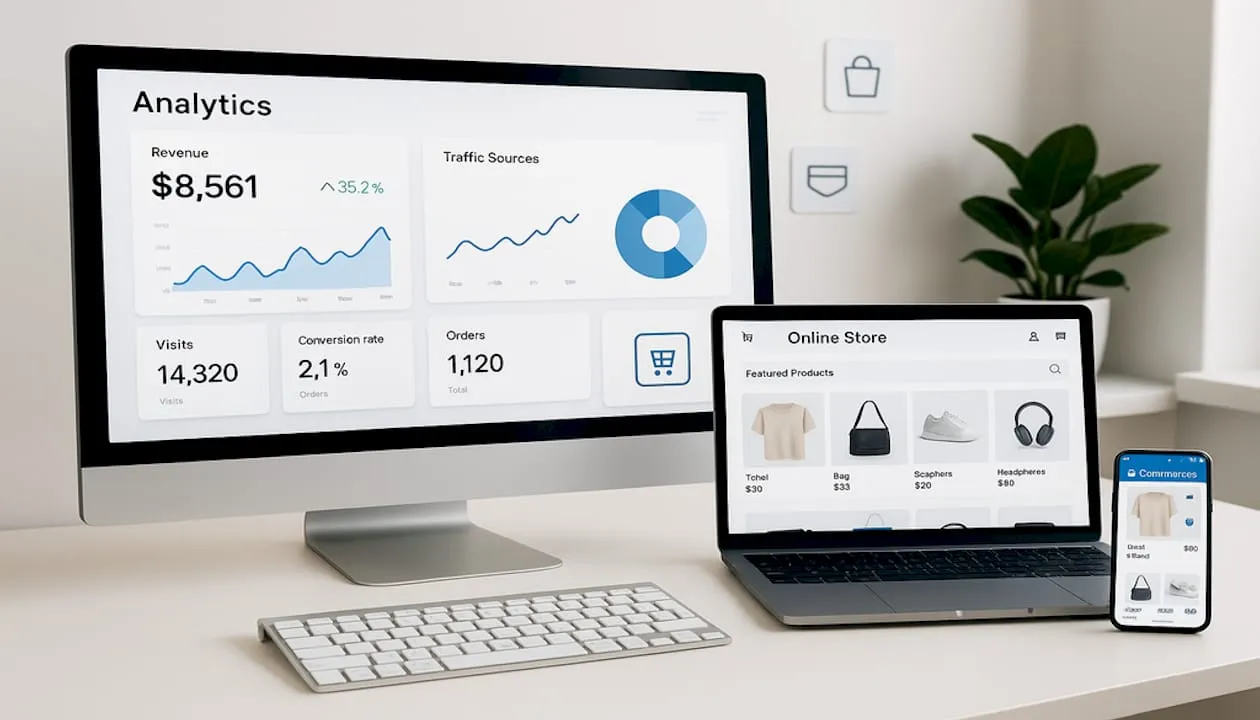
Implementing customer segmentation requires robust data collection and analysis. Brands should invest in analytics platforms that can track detailed customer interactions across multiple touchpoints and generate actionable insights.
Pro tip: Regularly update your customer segments every 3-6 months to ensure your retention strategies remain aligned with evolving customer behaviors and preferences.
3. Leverage Loyalty Programs to Incentivize Repeat Purchases
Loyalty programs represent a strategic approach to transforming one-time buyers into long-term brand advocates. These carefully designed initiatives go beyond simple discounts by creating meaningful connections that motivate customers to choose your brand repeatedly.
Successful loyalty programs demand precise customer profiling and thoughtful reward structures that genuinely resonate with your target audience. Not all loyalty programs are created equal some drive significant engagement while others fade into obscurity.
Implementing a successful loyalty program requires ongoing refinement. Brands must continuously analyze member behavior track engagement metrics and adapt their strategies to maintain relevance and excitement.
Pro tip: Design your loyalty program with flexibility that allows members to choose rewards matching their individual preferences rather than implementing a one-size-fits-all approach.
4. Use Automated Email Campaigns for Timely Engagement
Automated email campaigns represent a powerful strategy for maintaining customer connections and driving repeat business in e-commerce. By leveraging technology to send precisely timed and personalized messages businesses can significantly enhance customer retention and engagement.
Triggered email campaigns outperform traditional marketing approaches by delivering highly relevant content at critical moments in the customer journey. These automated communications feel personal and timely rather than intrusive.
Timing plays a crucial role in email campaign success. Research suggests that optimal retargeting windows can dramatically improve customer re-engagement. For instance cart abandonment emails perform best when sent one to three days after the initial browsing session.
Successful automated email campaigns require continuous optimization. Brands must analyze open rates click-through rates and conversion metrics to refine their communication strategies and improve overall performance.
Pro tip: Implement dynamic content personalization in your automated emails that adapts recommendations based on individual customer browsing and purchase history.
5. Collect and Act on Customer Feedback for Better Experience
Customer feedback is the lifeblood of continuous improvement in e-commerce. By systematically gathering and responding to customer insights businesses can transform their products services and overall shopping experience.
Advanced churn analytics help identify customer experience drivers enabling brands to proactively address potential issues before they lead to customer loss. The key is not just collecting feedback but translating those insights into meaningful action.
Successful brands create transparent feedback mechanisms that show customers their input drives real organizational change. This approach turns feedback collection from a transactional process into a collaborative relationship-building opportunity.
Pro tip: Develop a closed-loop feedback system where customers receive direct communication about how their specific suggestions have been implemented or considered.
6. Offer Exceptional Support Across All E-commerce Platforms
Customer support has evolved beyond simple problem resolution into a critical brand experience that can make or break customer loyalty. Exceptional support requires a strategic approach that seamlessly integrates technology communication channels and personalized interactions.
Machine learning techniques enhance customer retention by enabling more proactive and intelligent support strategies. Modern e-commerce brands must develop comprehensive support ecosystems that adapt to customer preferences and platform-specific nuances.
Successful support strategies require continuous learning and adaptation. Brands must invest in training technology and feedback mechanisms that enable their support teams to deliver consistently exceptional experiences.
Pro tip: Implement a unified customer support dashboard that integrates data from all platforms to create a holistic view of customer interactions and support history.
7. Analyze Churn Data to Build Effective Win-Back Campaigns
Churn analysis represents a critical strategic approach for e-commerce brands seeking to understand and reduce customer attrition. By systematically examining why customers leave businesses can develop targeted interventions that transform potential losses into opportunities for reconnection.
Machine learning models predict customer churn dynamics with unprecedented precision enabling brands to take proactive retention measures. Advanced analytics transform raw data into actionable insights that drive strategic win-back campaigns.
Successful win-back campaigns require continuous refinement. Brands must treat churn analysis as an ongoing process adapting strategies based on evolving customer behaviors and emerging market trends.
Pro tip: Implement a dynamic churn prediction model that uses machine learning to continuously update risk assessments and intervention strategies in real time.
Unlock Lasting Customer Loyalty with Nectar’s Expert Ecommerce Solutions
The article highlights critical challenges brands face in retaining customers through personalized post-purchase communication, precise customer segmentation, and targeted loyalty programs. Many ecommerce businesses struggle to consistently engage buyers with timely, relevant messages and convert one-time purchasers into loyal advocates. Nectar understands these pain points and combines high-impact creative services with data-driven advertising powered by the proprietary iDerive analytics platform to transform your storefront into a retention powerhouse.
Imagine sending automated, personalized follow-ups that feel authentic while leveraging granular customer insights to segment your audience with precision and designing loyalty programs that truly speak to your customers’ needs. These strategies not only increase repeat purchases but also deepen brand trust and maximize your long-term ROI.
Ready to turn retention strategies into real growth? Start by exploring how Nectar’s full-funnel management and expert creative solutions can elevate your ecommerce brand today.
Discover proven ways to reduce churn and boost loyalty with Nectar’s premier agency services. Visit Nectar’s website now to schedule a consultation and see how we can help transform your ecommerce retention efforts into sustainable growth. Don’t wait—your customers deserve a brand experience that keeps them coming back.
Frequently Asked Questions
What are the key benefits of personalized post-purchase communication?
Personalized post-purchase communication builds customer loyalty and enhances the overall customer experience. Implement strategies like customized thank you messages and tailored product recommendations to foster a connection, aiming for increased engagement within the first week after purchase.
How can I effectively segment my customers for better retention strategies?
Segmenting customers allows you to create targeted marketing efforts based on shared characteristics like purchase history and customer lifecycle stage. Utilize data analysis to categorize your customers into segments every 3–6 months, which can lead to a more personalized experience and improved retention rates.
What elements make a loyalty program successful in e-commerce?
A successful loyalty program includes features such as tiered rewards, personalized redemption options, and transparent point accumulation. Design a program that allows customers to choose rewards that match their preferences, aiming to increase repeat purchases by around 15% within a few months.
How can automated email campaigns enhance customer engagement?
Automated email campaigns deliver timely, personalized messages that can keep customers connected with your brand. For optimal results, implement triggered emails like cart abandonment reminders within 1–3 days after the initial browsing session to boost re-engagement rates.
What steps can I take to collect and act on customer feedback effectively?
To collect and act on customer feedback, utilize tools like post-purchase satisfaction surveys and social media sentiment monitoring. Ensure you communicate back to customers about how their input has been implemented, which can enhance their trust and loyalty over time.
How can analyzing churn data help in developing win-back campaigns?
Analyzing churn data helps identify why customers leave and allows you to create targeted win-back campaigns. Track behavioral patterns and churn triggers, then develop personalized reengagement strategies that can turn around potential losses within a few months.
























































.webp)