Why Optimize Product Listings for Higher Sales
.webp)

Over 85 percent of American online shoppers rely on marketplace search results when making purchase decisions. For e-commerce managers, standing out on massive platforms like Amazon and Walmart is a daily challenge, with small listing tweaks often making a big impact on visibility and conversion rates. Learning how to optimize product listings effectively gives brands the edge they need to attract more buyers, drive measurable sales growth, and protect long-term market share.
Key Takeaways
PointDetails
Product Listing Optimization
Enhancing product listings increases visibility and conversion rates on marketplaces like Amazon and Walmart.
Marketplace-Specific Strategies
Different marketplace types (Retail, B2B, Niche) require tailored optimization approaches to succeed.Continuous
Evaluation
Regular audits of listings can identify optimization opportunities and track performance metrics effectively.
Risks of Poor Optimization
Neglecting optimization can lead to reduced visibility, decreased conversions, and a damaged brand reputation.
What Is Product Listing Optimization
Product listing optimization is a strategic process of enhancing digital product representations to maximize visibility, attract potential buyers, and drive higher conversion rates across online marketplaces. At its core, this approach involves systematically improving product details, imagery, descriptions, and metadata to stand out in competitive digital environments like Amazon and Walmart.

The optimization process encompasses multiple critical elements, including precise keyword integration, compelling visual content, clear product descriptions, and strategic pricing models. Algorithmic product ranking techniques demonstrate that successful optimization requires balancing revenue generation with user experience relevance. By carefully crafting each listing element, brands can significantly improve their product’s discoverability and appeal to potential customers.
Understanding the nuanced mathematics behind optimal product pricing becomes crucial for e-commerce managers seeking to maximize sales potential. This involves analyzing demand elasticity, cross-product interactions, and market positioning to create listings that not only attract attention but convert browsers into buyers.
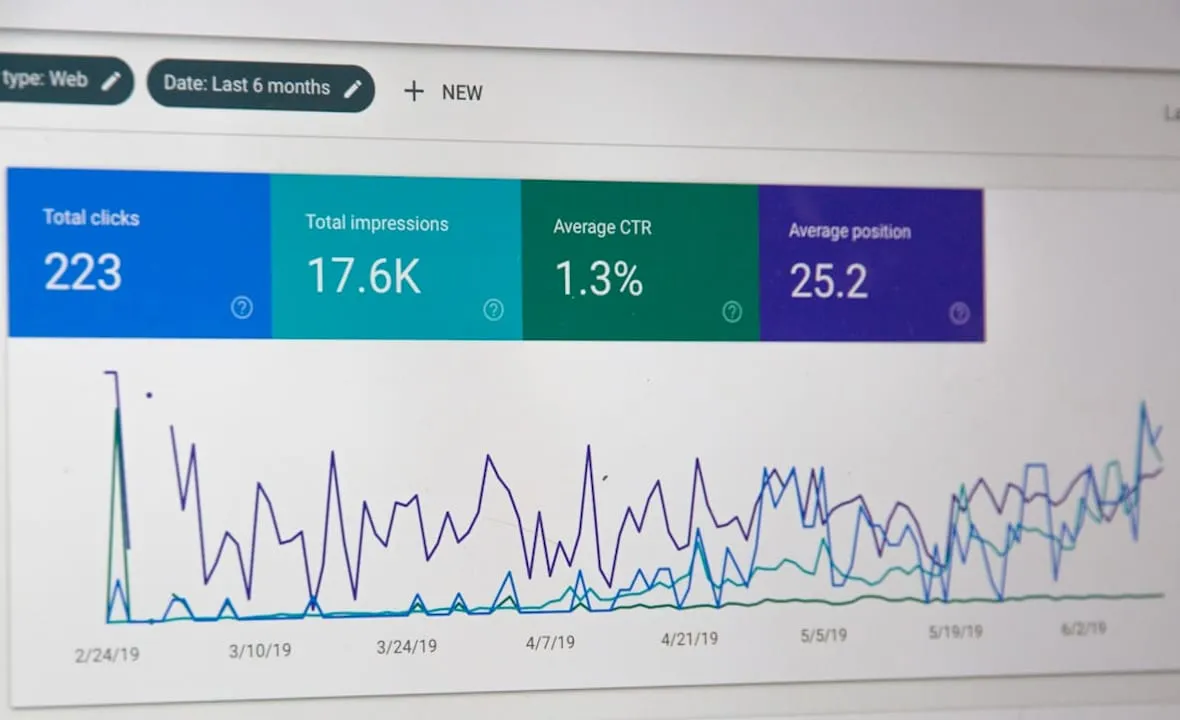
Pro tip: Conduct monthly audits of your product listings to identify and implement optimization opportunities, tracking performance metrics like click-through and conversion rates.
Marketplace Types and Unique Requirements
Online marketplaces represent diverse digital environments with distinct operational models and listing optimization strategies. Online marketplace structures range from business-to-business (B2B) platforms to consumer-focused retail channels, each demanding specialized approaches to product representation and sales techniques.
Each marketplace type presents unique challenges and requirements for product listing success. Marketplace network effects significantly influence how sellers must structure their product information, with different platforms prioritizing various elements like pricing, imagery, description length, and technical specifications.
Retail marketplaces typically demand visually appealing, consumer-friendly listings with high-resolution images and clear, concise descriptions. B2B platforms, conversely, require more technical details, bulk pricing information, and comprehensive product specifications that support complex purchasing decisions. Niche marketplaces often have highly specialized listing requirements based on their specific industry standards and buyer expectations.
Here’s a comparison of product listing optimization strategies across different online marketplace types:
Marketplace TypeKey Success FactorOptimization FocusRetail (e.g., Amazon)Consumer appealHigh-quality images, concise textB2B (e.g., Alibaba)Detailed specificationsBulk pricing, technical detailsNiche (specialized)Industry complianceCustom attributes, buyer fit
Pro tip: Create separate listing templates for different marketplace types to ensure maximum optimization and compliance with platform-specific guidelines.
Key Elements Driving Listing Success
Successful product listings are built on a foundation of strategic elements that transform basic product information into compelling consumer experiences. Strategic product listing planning requires a holistic approach that combines data-driven insights, technological optimization, and deep understanding of consumer psycholo
Beyond technical elements, success principles emphasize the importance of passion, integrity, and a clear vision in creating product listings that truly resonate with potential buyers. This means going beyond mere data entry to craft narratives that connect emotionally with consumers, highlight unique product value, and address specific customer pain points.
Effective listings require a dynamic approach that combines analytical rigor with creative storytelling. E-commerce managers must continuously test and refine their strategies, using performance data to iterate and improve listing effectiveness. This involves understanding nuanced consumer behavior, platform-specific algorithms, and the subtle art of converting browser interest into definitive purchasing decisions.
Pro tip: Develop a systematic approach to listing optimization by creating a comprehensive checklist that covers content, visual, and technical aspects, and review it monthly to ensure ongoing improvement.
Impact on Visibility, Conversion, and ROI
Product listing optimization represents a strategic investment that directly impacts an e-commerce brand’s financial performance through enhanced marketplace visibility and targeted consumer engagement. Marketplace visibility metrics demonstrate a direct correlation between optimized listings and increased user interaction, translating technical improvements into measurable business outcome.
Comprehensive optimization transforms product listings from static information repositories into dynamic marketing assets. Search indexing strategies enable brands to attract qualified traffic by precisely matching consumer search intent, effectively reducing marketing waste and improving overall conversion efficiency. This approach means moving beyond basic product descriptions to create compelling narratives that resonate with potential buyers and algorithmically rank higher in marketplace search results.
Successful optimization requires a multifaceted approach that balances technical precision with creative storytelling. E-commerce managers must continuously analyze performance data, understanding that each listing represents a complex ecosystem of keywords, visual elements, pricing strategies, and consumer psychology. The most effective listings anticipate and address potential customer questions, concerns, and motivations before they become barriers to purchase.
Pro tip: Implement a quarterly review process that tracks listing performance across key metrics like click-through rate, conversion rate, and average order value to identify and replicate successful optimization strategies.
Risks of Poorly Optimized Listings
Poorly optimized product listings create substantial financial and reputational risks for e-commerce brands, effectively sabotaging their online sales potential. Optimization failures can lead to systemic performance challenges that extend far beyond immediate sales metrics, potentially damaging long-term marketplace positioning.
Marketplace performance algorithms reveal that listings failing to balance technical precision with user experience can trigger significant performance penalties. Ineffective listings not only reduce immediate sales potential but can create cascading negative effects, including reduced platform recommendation rates, lower search result placements, and diminished consumer confidence.

E-commerce managers must recognize that product listings are more than static product descriptions. They represent dynamic marketing assets that require continuous refinement, strategic keyword integration, and a deep understanding of consumer search behaviors. Neglecting optimization means surrendering valuable digital real estate to more strategic competitors who understand the nuanced art of converting browser interest into definitive purchasing decisions.
Pro tip: Develop a systematic monthly audit process that evaluates listing performance across key metrics, identifying and addressing optimization gaps before they significantly impact sales performance.
Best Practices for Effective Optimization
Successful product listing optimization requires a comprehensive, strategic approach that goes beyond simple keyword insertion and basic product descriptions. Optimization strategy development demands a holistic framework that integrates data analytics, market intelligence, and continuous performance measurement to create dynamic, high-converting listings.
Evidence-based optimization approaches leverage advanced analytical tools to synthesize market insights and refine listing strategies. E-commerce managers must move beyond intuition, using AI-assisted research methods to uncover nuanced consumer behaviors, platform algorithm preferences, and emerging marketplace trends that can significantly impact product visibility and conversion rates.
The most effective optimization strategies treat product listings as living, dynamic assets that require constant attention and strategic refinement. This means developing a systematic approach to listing management that combines technical expertise, creative storytelling, and data-driven decision-making. Successful brands understand that optimization is not a one-time task but an ongoing process of adaptation and improvement.
Pro tip: Create a standardized optimization workflow with monthly performance reviews, using a consistent set of metrics to track and improve listing effectiveness across different marketplace platforms.
Unlock Your Listings Full Potential with Nectar
The challenge of optimizing product listings to boost visibility, conversion, and ROI is complex and ever-changing. If you are struggling with poor search rankings, inconsistent sales, or ineffective keyword strategies described in the article, you are not alone. Many brands face these pain points — from balancing technical precision and creative storytelling to managing performance tracking and consumer trust signals. Nectar understands these exact hurdles and offers tailored solutions that transform underperforming listings into high-converting storefronts across Amazon, Walmart, and Shopify.
By combining in-house photography, videography, and sophisticated, data-driven advertising, Nectar addresses the specific concepts like strategic keyword integration and continuous measurement of listing metrics highlighted in the article. Their proprietary iDerive analytics platform empowers mid-sized and enterprise brands with granular insights needed to refine every element of the listing for maximum impact. If you want to elevate your product listings strategically and avoid risks associated with poor optimization, Nectar is uniquely positioned to help your brand scale smarter and increase market share.

Ready to maximize your marketplace success through expert product listing optimization Take the next step today by visiting Nectar and discover how a premier, fully managed e-commerce agency can drive your brand to higher sales. Unlock your full growth potential with Nectar’s proven solutions crafted specifically to meet the challenges discussed in this article. Learn more about how we transform listings at Nectar’s website and start improving your product visibility and conversion now.
Frequently Asked Questions
Why is product listing optimization important for sales?
Product listing optimization is crucial for increasing visibility and attracting potential buyers in competitive online marketplaces. By enhancing product details, images, and descriptions, brands can significantly improve discoverability and conversion rates, ultimately driving higher sales.
What are the key elements of a well-optimized product listing?
Key elements of a well-optimized product listing include high-quality product images, descriptive and keyword-rich titles, comprehensive product descriptions, competitive pricing strategies, and effective customer review management.
How does poor optimization affect product sales?
Poorly optimized product listings can lead to reduced visibility, decreased conversion rates, higher customer acquisition costs, and potential reputational damage, significantly impacting sales performance and long-term market positioning.
What best practices should I follow for effective product listing optimization?
Best practices for effective product listing optimization include conducting data-driven research, optimizing keywords, developing high-quality visual content, tracking performance continuously, and creating compelling narratives that address customer pain points.












.png)