Why Performance Marketing Matters for E-Commerce Brands
.webp)

Over 80 percent of American consumers research online before making a purchase, putting enormous pressure on e-commerce brands to track every marketing dollar. For American marketing managers seeking to maximize ROI on Amazon and Shopify, understanding performance marketing is no longer optional. This guide shows how strategic, results-driven advertising translates every ad spend into measurable business outcomes, helping you outpace the competition and fuel consistent revenue growth.
Key Takeaways
PointDetailsPerformance Marketing Focuses on ResultsBrands pay for measurable outcomes such as sales and leads, ensuring that marketing budgets are directly tied to performance.Utilization of Advanced TrackingSophisticated tracking mechanisms allow e-commerce brands to monitor customer interactions and optimize campaigns in real-time.Multi-Channel Strategy is EssentialImplementing a comprehensive multi-channel approach enhances customer engagement and improves resource allocation.Avoid Common Pitfalls for SuccessBrands should align campaign objectives with measurable outcomes to avoid ineffective strategies and maximize returns.
Defining Performance Marketing in E-Commerce
Performance marketing represents a strategic approach to digital advertising where brands pay exclusively for specific, measurable outcomes. Unlike traditional marketing models that charge for impressions or visibility, performance marketing focuses on concrete actions like sales, clicks, or lead generation. Performance-based advertising fundamentally transforms how businesses allocate their marketing budgets by ensuring every dollar spent directly correlates with tangible results.

In the e-commerce landscape, performance marketing operates through precise tracking mechanisms that monitor user interactions across digital platforms. Advertisers leverage advanced analytics to understand exactly how consumers engage with their campaigns, enabling real-time optimization of marketing strategies. This data-driven approach allows brands to identify which channels, ad formats, and targeting parameters generate the most significant return on investment. By understanding specific marketing actions, businesses can strategically allocate resources toward the most effective promotional tactics.
The core components of performance marketing include diverse digital channels such as search engine marketing, affiliate networks, social media advertising, and programmatic display ads. Each channel provides unique opportunities for brands to track conversions, measure engagement, and adjust campaigns dynamically. Sophisticated tracking pixels, conversion tracking, and attribution modeling enable marketers to trace customer journeys from initial ad exposure to final purchase, providing unprecedented transparency into marketing effectiveness.
Pro Tip: Implement multi-touch attribution tracking to understand the complete customer journey and accurately assign value to different marketing touchpoints.
Types of Performance Marketing Channels
Performance marketing encompasses a diverse range of digital channels that enable businesses to track, measure, and optimize their advertising efforts. Marketing channels represent complex networks designed to connect brands with potential customers through strategic touchpoints. These channels are not just communication pathways but sophisticated ecosystems that facilitate targeted interactions and measurable outcomes.
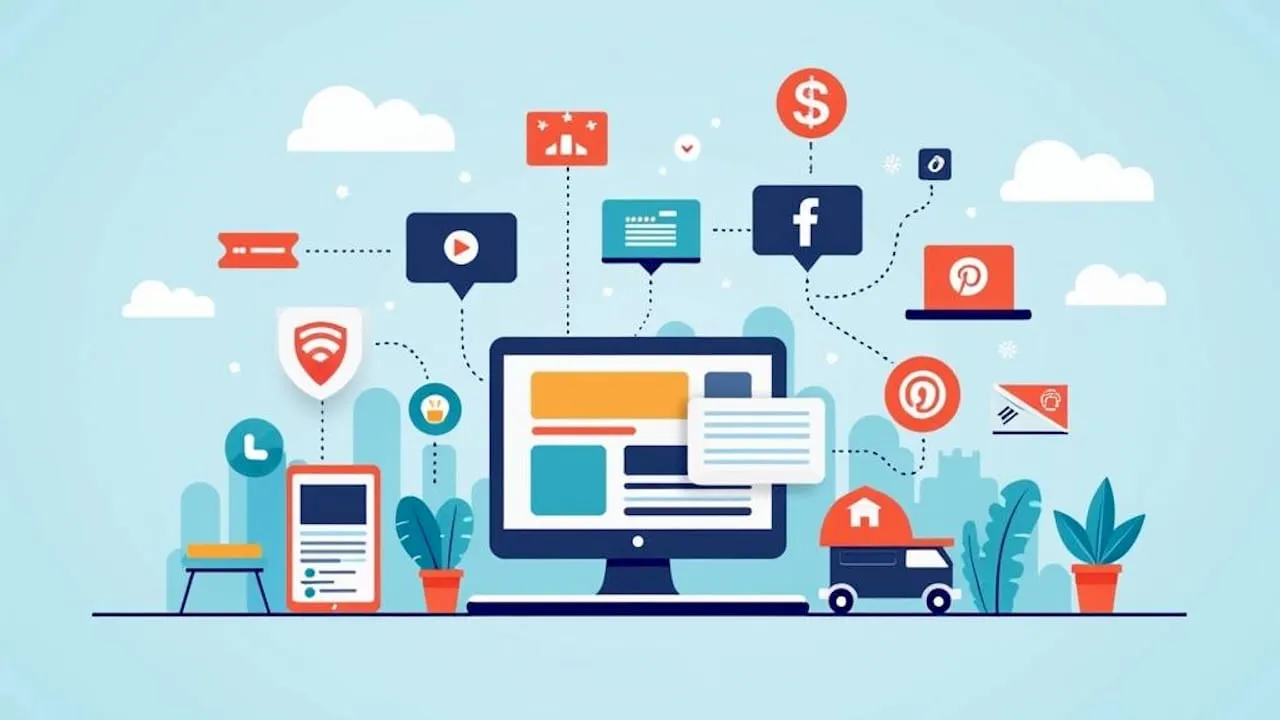
The primary performance marketing channels include search engine marketing (SEM), which involves paid advertisements on platforms like Google and Bing, where brands bid on keywords relevant to their products. Social media advertising represents another critical channel, with platforms like Facebook, Instagram, and TikTok offering granular targeting options that allow marketers to reach specific demographic segments. Affiliate marketing emerges as a powerful performance channel where third-party publishers promote products and earn commissions based on generated sales or leads.
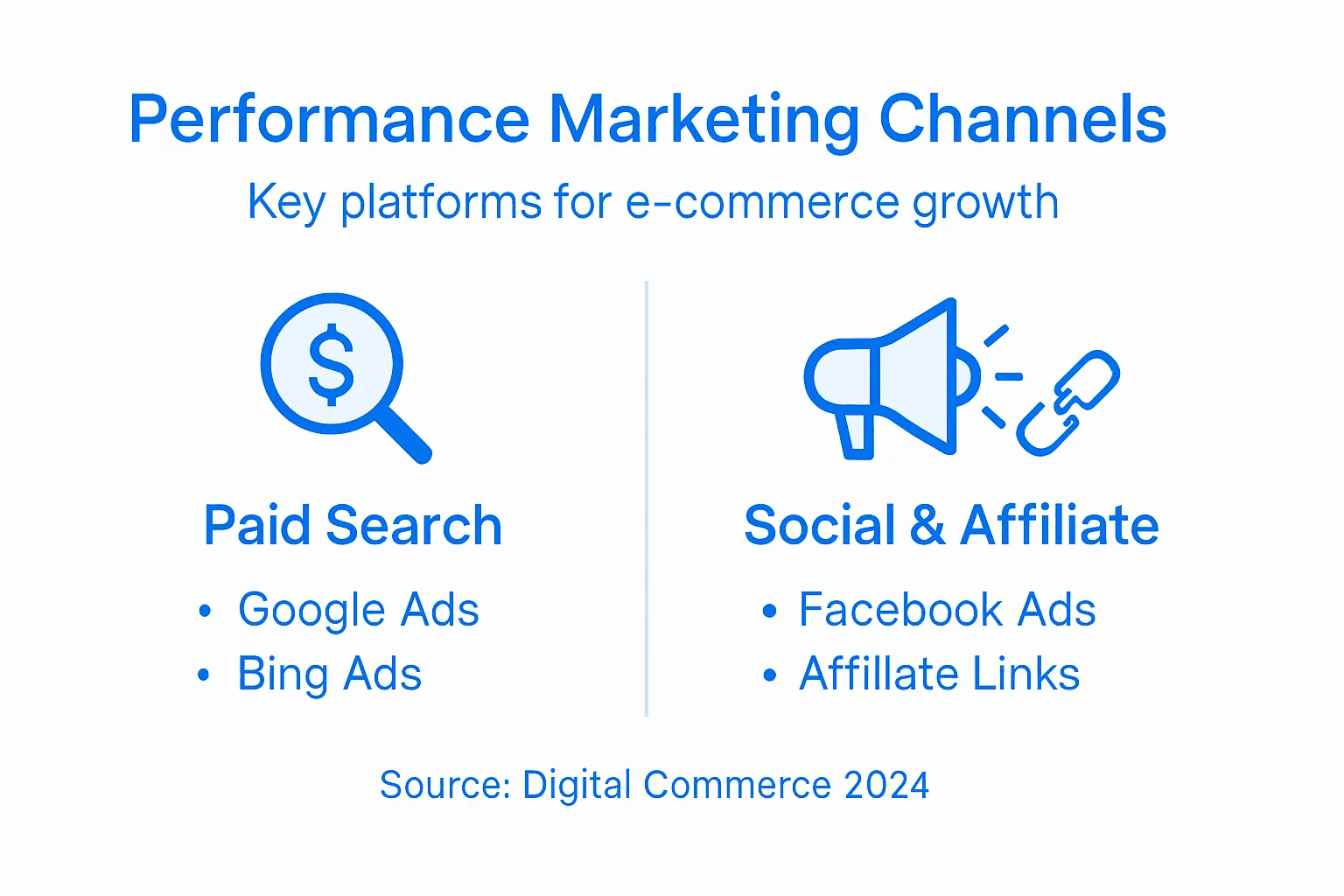
Displays and programmatic advertising provide additional performance marketing avenues, enabling brands to place targeted ads across websites and applications. Email marketing continues to be a highly effective channel, allowing for personalized communication and direct tracking of open rates, click-throughs, and conversions. Emerging channels like Strategic Amazon Advertising are revolutionizing how e-commerce brands approach marketplace-specific performance marketing strategies, offering unprecedented targeting and measurement capabilities.
Pro Tip: Develop a multi-channel performance marketing strategy that integrates different platforms to create a comprehensive, interconnected approach to customer acquisition and engagement.
Here’s a comparison of performance marketing channels and their key business benefits:
ChannelMain BenefitBest Use CaseSearch Engine MarketingImmediate search visibilityTargeting high-intent buyersSocial Media AdvertisingPrecise audience targetingEngaging specific demographicsAffiliate MarketingPay for actual resultsDriving sales through partnersProgrammatic Display AdsAutomated ad placementsLarge-scale reach and retargetingEmail MarketingPersonalized messagingNurturing leads and repeat purchasesAmazon AdvertisingMarketplace visibilityBoosting product sales on Amazon
How Performance-Based Strategies Drive ROI
Performance marketing fundamentally transforms how e-commerce brands approach advertising by directly connecting marketing spend to measurable business outcomes. Performance-based incentives create powerful motivational frameworks that align marketing efforts with concrete financial results. By focusing on specific, trackable actions like sales, clicks, or lead generation, brands can optimize their marketing budgets with unprecedented precision and accountability.
The ROI-driving mechanics of performance marketing center on sophisticated tracking and attribution models that provide granular insights into campaign effectiveness. Unlike traditional marketing approaches that charge for impressions or visibility, performance strategies enable businesses to pay exclusively for verified results. This model allows marketers to continuously refine targeting, adjust messaging, and allocate resources toward channels and tactics that demonstrably generate revenue. Performance budgeting frameworks empower brands to make data-driven decisions that incrementally improve marketing efficiency and profitability.
Key ROI optimization strategies in performance marketing include implementing advanced analytics, utilizing real-time campaign optimization tools, and developing comprehensive multi-channel tracking mechanisms. E-commerce brands can leverage these approaches to identify high-performing customer segments, understand complex conversion pathways, and create increasingly targeted marketing interventions. By treating marketing expenditures as investments with measurable returns, businesses can transform their advertising from a cost center into a predictable revenue generation engine.
Pro Tip: Implement a robust attribution modeling system that tracks customer interactions across multiple touchpoints to accurately measure the true impact of your performance marketing investments.
Common Pitfalls in Performance Marketing Campaigns
Campaign failures in performance marketing often emerge from systemic strategic oversights that can significantly undermine marketing effectiveness. E-commerce brands frequently encounter critical mistakes that drain resources and diminish potential returns. Understanding these common pitfalls is essential for developing robust, high-performing marketing strategies that deliver consistent, measurable results.
One primary challenge is the misalignment between campaign objectives and measurement approaches. Brands often fall into the trap of tracking vanity metrics that look impressive on surface but fail to demonstrate genuine business impact. Measuring marketing performance requires a nuanced approach that connects advertising spend directly to meaningful outcomes like revenue generation, customer acquisition cost, and long-term customer value. This means moving beyond simplistic click-through rates or impression counts to understand the complete customer journey and attribution mechanisms.
Additional critical pitfalls include inadequate audience segmentation, poor conversion funnel optimization, and inconsistent cross-channel tracking. Many e-commerce marketers struggle with creating cohesive experiences across different platforms, leading to fragmented user experiences and missed conversion opportunities. Increase ROAS by Avoiding These 5 Common Amazon PPC Mistakes highlights how platform-specific nuances can dramatically impact campaign performance. Successful performance marketing demands continuous learning, agile strategy adjustment, and a commitment to data-driven decision making.
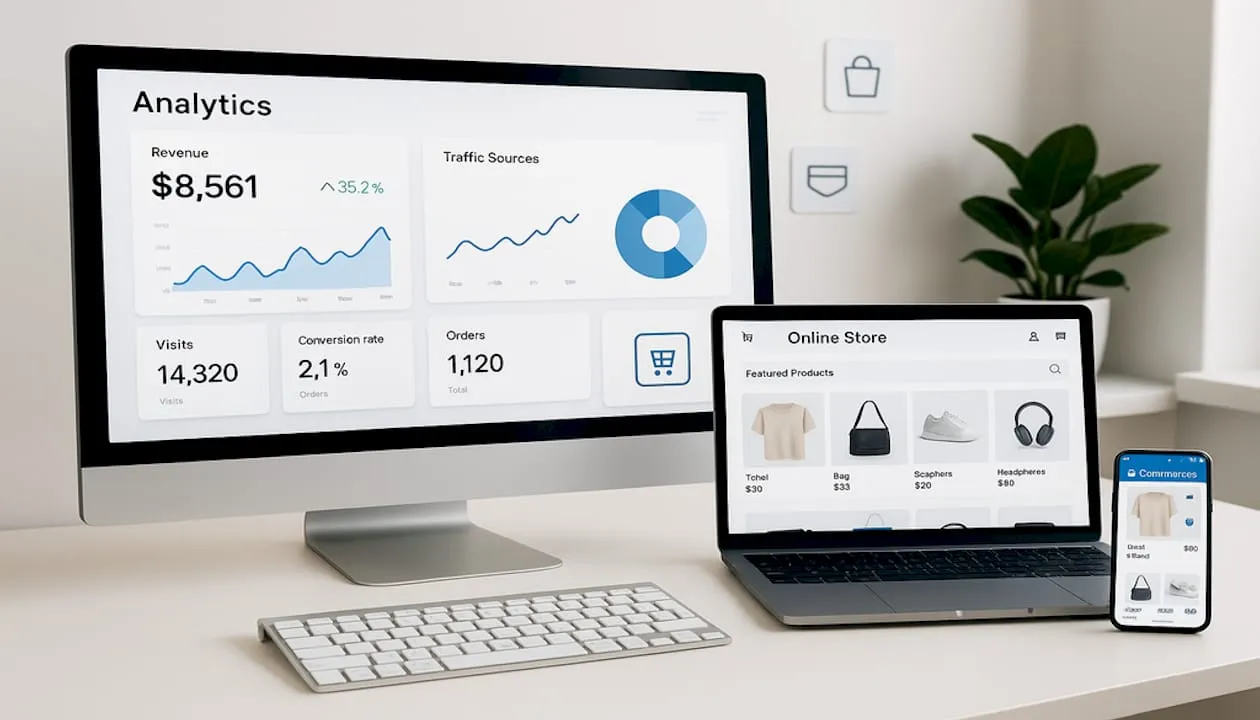
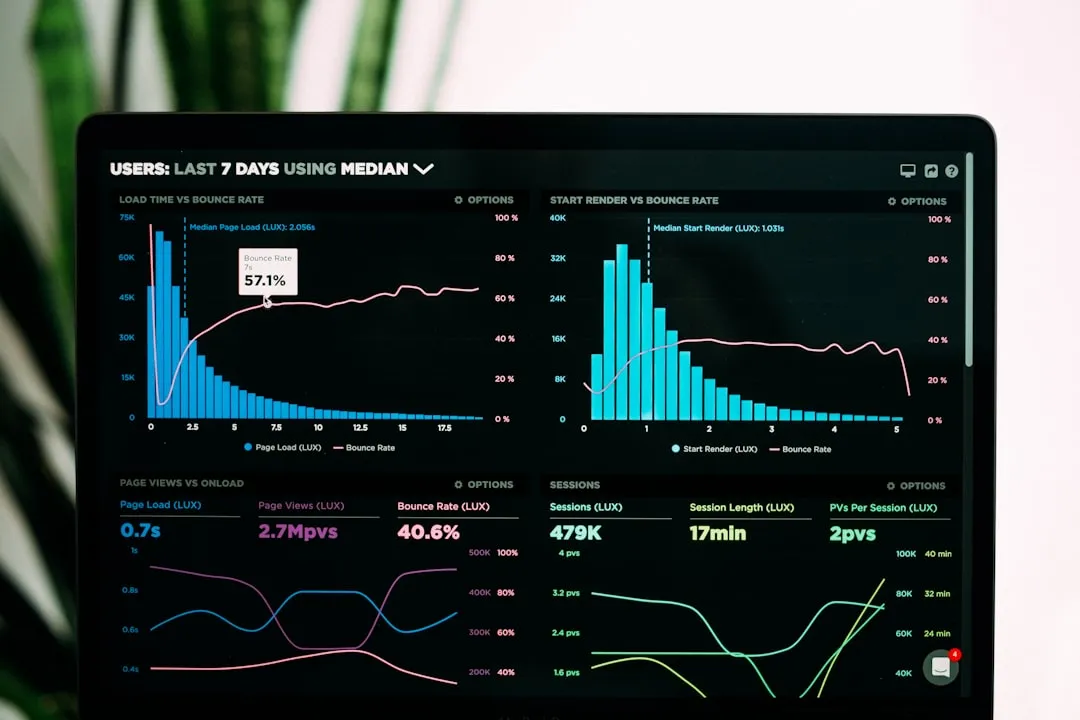
Pro Tip: Develop a comprehensive analytics dashboard that tracks multiple performance indicators simultaneously, enabling real-time campaign optimization and strategic pivots.
Comparing Performance Marketing to Traditional Ads
Performance-based advertising fundamentally transforms how businesses approach marketing expenditures by introducing a revolutionary payment model that prioritizes measurable results. Unlike traditional advertising, which charges for visibility and brand exposure, performance marketing demands direct accountability for each marketing dollar spent. This paradigm shift means advertisers now pay exclusively for specific, verifiable actions like sales, leads, or clicks, creating a more transparent and results-driven ecosystem.
Traditional advertising models rely heavily on brand awareness and emotional storytelling, often tracking metrics like impressions and reach that provide limited insight into actual business impact. In contrast, performance marketing leverages sophisticated tracking technologies to map precise customer journeys, enabling brands to understand exactly how each marketing touchpoint contributes to revenue generation. Brand building and performance marketing are not mutually exclusive but can be strategically combined to maximize both immediate conversions and long-term brand equity.
The key differentiators between these approaches extend beyond measurement techniques. Traditional ads typically operate on broad targeting strategies, whereas performance marketing utilizes granular audience segmentation and real-time optimization. E-commerce brands can now dynamically adjust campaigns based on immediate performance data, shifting resources toward channels and tactics that demonstrably drive revenue. This agile approach allows for unprecedented marketing efficiency, transforming advertising from a cost center into a predictable revenue generation mechanism.
This table highlights the major differences between performance marketing and traditional advertising methods:
AttributePerformance MarketingTraditional AdvertisingPayment ModelPay per actual actionPay for exposure or impressionsOptimization StrategyReal-time adjustmentsPre-planned, slow to adaptMeasurement FocusDirect revenue trackingImpressions and reachTargeting PrecisionGranular segmentationBroad audience selectionBudget FlexibilityHighly adjustableFixed and predetermined
Pro Tip: Implement a hybrid marketing strategy that balances performance-driven tactics with brand-building initiatives to create a comprehensive, multi-dimensional approach to digital advertising.
Unlock True Growth with Data-Driven Performance Marketing for Your E-Commerce Brand
If you are struggling to bridge the gap between marketing spend and measurable ROI, you are not alone. This article highlights common challenges like misaligned campaign objectives, fragmented tracking, and the need for real-time optimization to boost profitability. At Nectar, we understand these pain points and specialize in crafting high-impact, fully managed e-commerce strategies that turn underperforming listings into powerful conversion machines. By integrating creative services such as in-house photography and videography with advanced performance marketing backed by our proprietary iDerive analytics platform, we give you unmatched insight into your customer journey and channel performance.

Don’t let vague metrics or ineffective campaign tactics hold your brand back. Explore how Nectar’s comprehensive solutions can optimize your marketing budget with precision and accountability. Visit Nectar’s Homepage today to discover how we can help you scale smarter, boost sales on marketplaces like Amazon and Walmart, and maximize your long-term ROI. Take the first step towards turning every advertising dollar into measurable growth with Nectar’s managed e-commerce services.
Frequently Asked Questions
What is performance marketing in e-commerce?
Performance marketing in e-commerce is a digital advertising strategy where brands pay only for specific, measurable outcomes such as sales, clicks, or lead generation, rather than for visibility or impressions.
How does performance marketing drive ROI for e-commerce brands?
Performance marketing drives ROI by connecting marketing spend directly to measurable business outcomes, enabling brands to optimize their budgets based on verified results, rather than estimated metrics.
What are the main channels used in performance marketing?
The main channels used in performance marketing include search engine marketing (SEM), social media advertising, affiliate marketing, programmatic display ads, and email marketing, each providing unique tracking and optimization opportunities.
What are common pitfalls to avoid in performance marketing campaigns?
Common pitfalls in performance marketing include misalignment between campaign objectives and measurement approaches, inadequate audience segmentation, poor conversion funnel optimization, and failure to implement cross-channel tracking. Avoiding these mistakes can lead to improved campaign effectivenes.

































































.webp)