What Is TACoS in Amazon Advertising ROI
.webp)

Every American brand manager knows the challenge of making products stand out in the crowded Amazon marketplace. Understanding how advertising dollars translate into both paid and organic sales can make the difference between steady growth and stagnant performance. By diving into concepts like the Total Advertising Cost of Sales (TACoS), you gain actionable insights for optimizing ad strategies that drive visibility and real revenue beyond superficial metrics.
Key Takeaways
PointDetails
Understanding TACoS
TACoS measures total sales, including both paid and organic revenue, offering a holistic view of advertising effectiveness beyond just ad-generated sales.
Comparison with ACoS
Unlike ACoS, which focuses solely on ad-specific sales, TACoS provides insights into overall business health and long-term marketing sustainability.
Importance of Regular Monitoring
Consistently tracking TACoS helps businesses optimize their advertising strategies, ensuring marketing efforts contribute to sustained growth.
Avoiding Common Pitfalls
Sellers should be cautious of misinterpreting TACoS data by neglecting organic sales and failing to analyze trends in the broader market context.
Defining TACoS in Amazon Advertising
TACoS, which stands for Total Advertising Cost of Sales, is a critical metric for Amazon sellers seeking to understand the comprehensive impact of their advertising strategies. Unlike traditional advertising metrics that focus solely on direct sales, TACoS provides a more holistic view of how advertising investments contribute to overall business performance.
At its core, TACoS measures the relationship between advertising spend and total sales volume, including both paid and organic revenue streams. Digital advertising measurement techniques reveal that this metric offers sellers a nuanced perspective on advertising efficiency beyond simple cost-per-click calculations.
Pro tip: Regularly monitor your TACoS to ensure your advertising strategies are driving sustainable growth rather than unnecessarily inflating marketing expenses.
TACoS vs. ACoS Key Distinctions
While TACoS and ACoS might seem similar at first glance, they represent fundamentally different approaches to measuring advertising performance on Amazon. Advertising cost measurement techniques reveal critical distinctions that can significantly impact strategic decision-making for sellers.

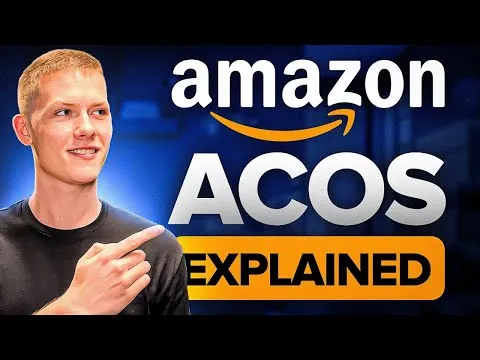
The primary difference lies in their scope of sales analysis. Advertising Cost of Sales (ACoS) focuses exclusively on sales generated directly from advertising efforts, calculating the percentage of ad spend relative to ad-generated revenue. In contrast, Total Advertising Cost of Sales (TACoS) provides a more comprehensive view by measuring ad spend against total sales, including both organic and paid revenue streams.
Pro tip: Utilize both TACoS and ACoS metrics together to gain a comprehensive understanding of your Amazon advertising performance and make more informed strategic decisions.
How TACoS Measures Paid and Organic Sales
The Total Advertising Cost of Sales (TACoS) metric offers Amazon sellers a comprehensive approach to understanding sales performance by simultaneously tracking both paid and organic revenue streams. Sales measurement techniques reveal the critical importance of capturing a complete picture of advertising impact beyond direct ad-generated sales.
Unlike traditional advertising metrics that focus exclusively on paid conversions, TACoS provides a holistic view by incorporating organic sales into its calculation. This approach acknowledges that advertising efforts often generate indirect benefits, such as improved product visibility, brand awareness, and long-term organic ranking improvements that extend beyond immediate click-through conversions.
By analyzing both paid and organic sales, Amazon sellers can gain deeper insights into their advertising strategies’ overall effectiveness. The metric helps identify how advertising efforts contribute to broader sales growth, revealing whether marketing investments are generating sustainable revenue expansion or merely producing short-term, ad-dependent results.
Pro tip: Track your TACoS consistently over time to understand how your advertising strategies are influencing both immediate and long-term sales performance across paid and organic channels.
TACoS Trends and Business Health Indicators
Businesses increasingly rely on TACoS as a sophisticated metric for evaluating overall financial performance, moving beyond traditional advertising analytics. Digital advertising expenditure trends demonstrate how these metrics provide critical insights into broader business health and strategic effectiveness.

TACoS trends can reveal several key business performance indicators, offering a nuanced perspective on organizational growth and marketing efficiency. By tracking how advertising spend relates to total sales over time, companies can identify critical patterns in their revenue generation, marketing effectiveness, and potential areas for strategic optimization.
By analyzing TACoS over extended periods, businesses can detect subtle shifts in their marketing ecosystem, identifying whether their advertising strategies are creating sustainable growth or merely generating temporary sales spikes. This holistic approach allows for more informed decision-making and strategic planning.
Here’s a summary table highlighting how TACoS reveals key business health indicators:
IndicatorWhat TACoS TracksBusiness Insights GainedRevenue ScalabilityGrowth in total sales vs ad spendAbility to increase sales efficientlyMarketing EfficiencyCost relative to combined salesEffectiveness of overall ad strategyCompetitive PositionTACoS trend vs market benchmarksBusiness agility and adaptation
Pro tip: Develop a quarterly TACoS trend analysis to proactively identify emerging patterns in your advertising performance and overall business growth.
Optimizing TACoS for Increased Profitability
Optimizing TACoS requires a strategic approach that balances advertising investment with total sales performance. Advertising spend optimization techniques demonstrate that maintaining an ideal TACoS range can significantly enhance overall business profitability and marketing efficiency.
Successful TACoS optimization involves multiple interconnected strategies designed to reduce advertising costs while simultaneously driving both paid and organic sales growth. By carefully analyzing advertising expenditure relative to total revenue, businesses can create more targeted and cost-effective marketing approaches that maximize return on investment.
By implementing a comprehensive approach that combines precise targeting, continuous performance tracking, and adaptive strategies, businesses can effectively manage their TACoS and drive long-term profitability. The goal is to create a symbiotic relationship between advertising investment and overall sales performance.
Pro tip: Develop a monthly TACoS analysis framework that tracks advertising spend, total sales, and organic growth to make data-driven marketing decisions.
Common TACoS Pitfalls and How to Avoid Them
Navigating the complexities of TACoS requires a nuanced understanding of potential strategic missteps that can undermine advertising effectiveness. Advertising performance evaluation techniques reveal critical insights into avoiding common measurement mistakes that can distort business performance analysis.
Misinterpreting TACoS data often stems from oversimplified approaches that fail to capture the intricate relationship between advertising spend and total sales. Sellers frequently fall into traps that can lead to misguided marketing strategies, potentially compromising long-term business growth and profitability.
Effective TACoS management requires a holistic approach that balances immediate performance metrics with strategic long-term objectives. By understanding and anticipating these potential pitfalls, businesses can develop more robust and adaptive advertising strategies that drive sustainable growth.
Pro tip: Implement a cross-functional review process that involves marketing, sales, and finance teams to provide a comprehensive perspective when interpreting TACoS metrics.
Unlock Sustainable Growth by Mastering Your TACoS with Nectar
Understanding your TACoS is critical to balancing advertising spend with total sales performance for long-term profitability and business health. If you are struggling with measuring both paid and organic sales impact or optimizing your TACoS to avoid costly pitfalls, Nectar offers expert solutions tailored for Amazon brands seeking smarter growth. We combine high-impact creative services with data-driven strategies that reveal hidden opportunities inside your TACoS trends and help you maximize return on investment.

Ready to transform your Amazon advertising strategy and achieve sustainable growth through effective TACoS management Explore how our fully managed e-commerce services, powered by the proprietary iDerive analytics platform can amplify your total sales while optimizing ad spend. Start scaling smarter today by visiting Nectar and see how we convert underperforming listings into high-converting storefronts. Act now to unlock insights that drive profitability and market share growth.
Frequently Asked Questions
What does TACoS stand for in Amazon Advertising?
TACoS stands for Total Advertising Cost of Sales, which measures the relationship between advertising spend and total sales volume, including both paid and organic revenue streams.
How is TACoS calculated?
TACoS is calculated using the formula: Total Advertising Spend ÷ Total Sales × 100. This gives you the TACoS percentage, which helps evaluate advertising efficiency.
How does TACoS differ from ACoS?
TACoS looks at total sales (both paid and organic), while ACoS focuses only on sales generated directly from advertising. This makes TACoS a more comprehensive metric for assessing overall business health.
Why is monitoring TACoS important for Amazon sellers?
Monitoring TACoS helps sellers understand the true impact of their advertising efforts, identify budget optimization opportunities, and evaluate the long-term sustainability of their marketing campaigns.




































































.webp)