How to Boost Amazon Conversion Rates for E-Commerce Brands
.webp)

Finding conversion gaps in your Amazon listings is often the difference between steady sales and missed opportunities. With research showing that sponsored results frequently appear before organic listings and may not always represent the highest quality, a careful audit of your product presentation becomes vital for standing out in the crowded marketplace. This guide walks you through proven steps like auditing your current listings and analyzing visual design, so you can confidently address friction points and maximize your brand’s impact.
Quick Summary
Key InsightExplanation
1. Audit Listings for Gaps
Identify areas where potential customers drop off in the buying process.
2. Enhance Visuals and Descriptions
Use high-quality images and compelling descriptions to tell your product’s story.
3. Optimize Keywords Strategically
Use data-driven keyword placement to improve visibility and attract the right traffic.
4. Implement Targeted Advertising
Segment campaigns to effectively reach customers and measure ad performance.
5. Test Changes for Performance
Conduct controlled tests to verify which changes lead to improved conversion rates.
Step 1: Audit current Amazon listings for conversion gaps
Auditing your Amazon listings reveals exactly where potential customers drop off before completing a purchase. This step uncovers hidden friction points that competitors might be exploiting and that your visitors are experiencing. By systematically evaluating your current listings, you’ll identify specific gaps in product presentation, copy effectiveness, and customer trust signals that directly impact your conversion rate.
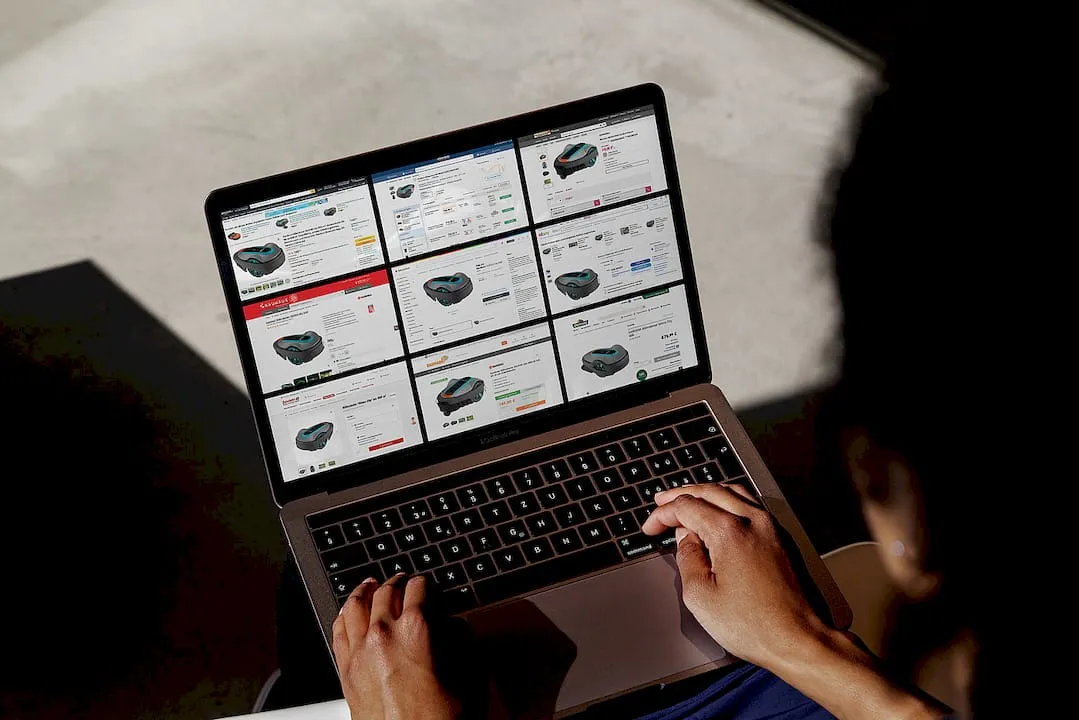
Start by reviewing your top 5 to 10 performing products on Amazon, focusing on the customer journey from search result to add-to-cart. Look at your product title first. Is it keyword-rich without reading like a robot wrote it? Search results show that sponsored listings often appear before organic results, which means your title needs to work harder to stand out when customers actually see your product. Next, evaluate your main product image. This single image needs to communicate your product’s value instantly. Compare your image quality against your top three competitors. Are theirs sharper? More lifestyle-focused? Do they use lifestyle photography that shows the product in action?
Move through your bullet points and product description with a critical eye. Ask yourself: Would a first-time buyer understand what this product does and why they need it? Are you addressing the specific pain points your target customer experiences? Many sellers focus on features when buyers care about benefits. Check your pricing against competitor listings at similar quality tiers. Unusually high prices without corresponding value messaging will deflate conversions, while pricing that’s too low raises quality concerns. Examine your review content carefully. Are there patterns in negative reviews pointing to specific product issues, packaging problems, or delivery concerns? These patterns reveal exactly where your listing fails to set proper customer expectations.
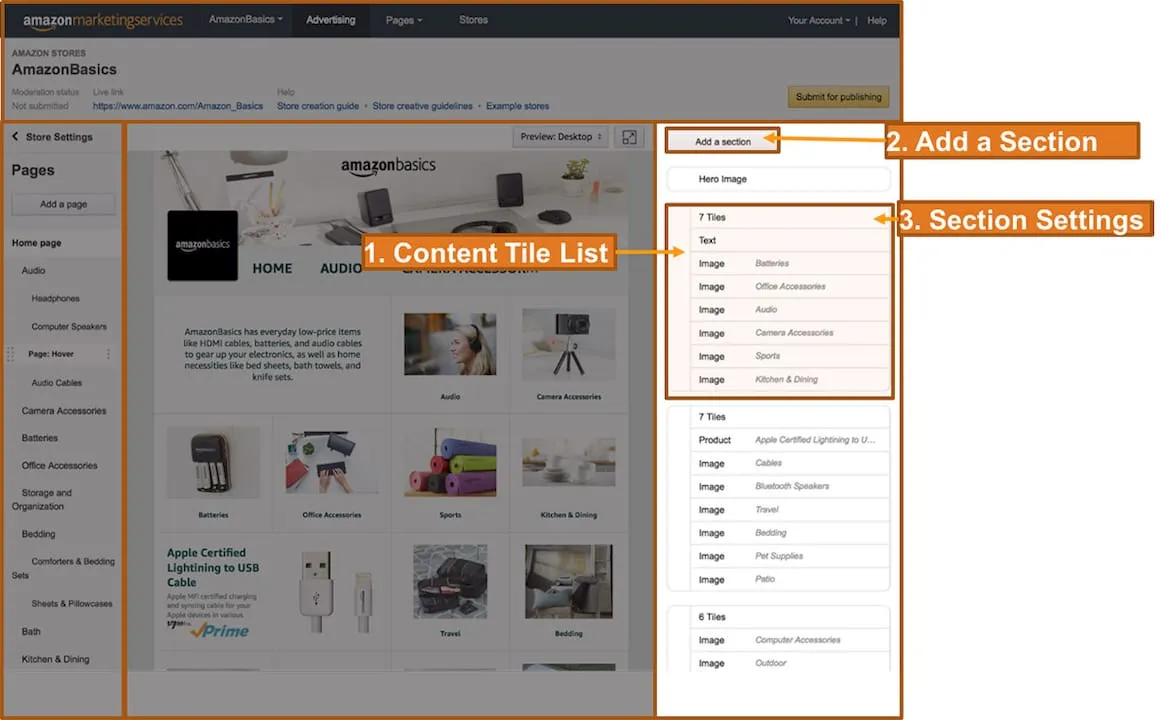
Also assess your Enhanced Brand Content or A+ Content sections if you’re enrolled in Brand Registry. This real estate offers prime opportunities to communicate differentiation, but many brands leave it generic or uninspiring. Check whether you’re using this space to address common objections or showcase certifications, materials, and manufacturing benefits that matter to your audience. Finally, look at your search term coverage. Run competitor searches and note which keywords appear in their listings but not in yours. You’ll likely find conversion opportunities hiding in gaps between what customers search for and what your listing currently targets.
Here’s a summary of common conversion gaps you might find when auditing Amazon listings:
Conversion Gap AreaTypical CausePotential ImpactExample ImprovementProduct TitleLacks key search termsLower search visibilityAdd relevant keywordsMain ImagePoor quality or unclearFewer clicksUse high-res lifestyle shotPricingNot aligned with competitionLow trust or interestReevaluate price/valueReviewsUnaddressed complaintsDamaged reputationUpdate copy/expectationsA+ ContentGeneric or missing infoLost differentiationShowcase unique features
Pro tip: Screenshot your top competitors’ listings weekly and track changes to their images, copy, and pricing over 30 days—you’ll spot conversion tactics that work and identify gaps before they become conversion problems.
Step 2: Enhance product visuals and descriptions strategically
Your product visuals and descriptions work together to tell a complete story that converts browsers into buyers. This step focuses on making both elements work harder by applying design principles and persuasive copywriting that guide customers toward purchase. Strategic enhancement means moving beyond basic product shots to create a cohesive visual and narrative experience that addresses customer pain points and builds trust.
Start with your primary product image. This single image carries enormous weight because it’s what appears in search results and on mobile devices. The fundamental elements of visual design including contrast, clarity, and composition determine whether customers click into your listing or scroll past. Your main image should show the product against a clean, distraction-free background with proper lighting that reveals texture and detail. Avoid overly stylized or artistic shots that look cool but fail to communicate what the customer is actually buying. Next, build out your secondary images strategically. Include lifestyle shots showing the product in use, detail shots highlighting materials or craftsmanship, comparison shots against similar products, and packaging shots that show what arrives at the customer’s door. Each image should reinforce a specific benefit or answer a common question. If your product has multiple color options, show them all. If it serves multiple purposes, demonstrate each one.

For your product description, treat it as a conversation with your specific buyer, not a technical specification sheet. Address the exact problem your product solves in the first sentence. Then explain why your solution works better than alternatives. Integrating visuals with text effectively means your bullet points should complement your images, not repeat them. If you’re showing lifestyle photography, your bullets should dive into benefits. If you’re highlighting technical features, your bullets should explain real-world applications. Use consistent formatting, short paragraphs, and white space to prevent overwhelming readers. Break up dense text blocks with subheadings that signal what information follows. Pay attention to your tone. Mid-sized consumer goods brands often sound corporate when customers want to feel understood. Write like you’re explaining your product to a friend, not reading from a manual.
Pro tip: Test your primary product image with existing customers by asking what they notice first and what questions the image leaves unanswered, then iterate based on feedback before rolling out new visuals across your entire catalog.
Step 3: Leverage data-driven keyword optimization
Keyword optimization isn’t about guessing what customers might search for. It’s about using actual search data to understand exactly what your target customers type into Amazon’s search bar and then strategically placing those keywords where they’ll have the biggest impact on visibility and conversion. This step transforms keyword selection from a guessing game into a systematic, measurable process that drives qualified traffic to your listings.
Begin by identifying your keyword universe. Pull data from Amazon’s search bar suggestions by typing in your primary product category and noting what appears as you type. These autocomplete suggestions represent real searches customers perform regularly. Next, use tools that track Amazon search volume and conversion metrics to understand which keywords drive traffic versus which drive sales. This distinction matters enormously. A keyword might attract thousands of searches monthly but convert poorly because those searchers aren’t actually your target buyer. Your goal is finding keywords with solid search volume, reasonable competition, and buyer intent that aligns with your product. Pay attention to long-tail keywords that are more specific. A search for “organic cotton baby socks in bulk” converts better than just “socks” because the searcher has already filtered themselves as someone willing to buy your exact product type. Data-driven optimization in e-commerce uses consumer behavior patterns to inform keyword placement, helping you understand which keywords matter most for your conversion rate specifically.
Once you’ve identified your priority keywords, place them strategically across your listing. Your title gets the highest weight, so lead with your most important keyword followed by key product attributes. Your bullet points should each target different keyword variations while addressing specific customer needs. Your description can target additional keywords naturally while maintaining readability for humans, not just algorithms. Monitor performance monthly. Track which keywords drive traffic, which convert, and which you’re ranking for versus which you’re missing. If certain keywords attract traffic but not sales, investigate why. Maybe your product images don’t match customer expectations, or your price point is misaligned. Keywords reveal intent, but the rest of your listing converts intent into purchases.
Pro tip: Create a simple spreadsheet tracking your top 20 keywords with monthly columns for search volume, click-through rate, and conversion rate, then update it monthly to spot trends like declining interest in older keywords or emerging opportunities you haven’t capitalized on yet.
Step 4: Implement advanced advertising tactics
Your organic listing optimization sets the foundation, but Amazon advertising accelerates your visibility and sales velocity. Advanced advertising tactics go beyond simply running ads and launching products. They involve strategic audience targeting, continuous performance measurement, and tactical bid adjustments that maximize your return on ad spend while building brand momentum. This step shows you how to move from basic ad management to sophisticated campaign architecture that drives consistent, profitable growth.
Start by segmenting your advertising approach into three campaign types, each serving a different function. Keyword campaigns target customers actively searching for products like yours, capturing high-intent traffic. Product targeting campaigns reach customers viewing competitor listings, intercepting buyers who are already in purchase mode. Category campaigns build broader awareness and capture searches where your keywords haven’t ranked yet. Within each campaign type, advanced advertising strategies emphasize audience segmentation and personalization to deliver the right message to the right customer at the right moment. Create separate campaigns for different product lines or price tiers so you can adjust bids independently based on profitability. A higher-margin product might justify aggressive bidding at 35 percent of sales, while a lower-margin item might only support 15 percent ad spend. Next, establish clear bid strategies aligned to your business goals. If you’re launching a new product and need visibility quickly, bid aggressively on your highest-converting keywords. If you’re optimizing an established product, focus bid increases on keywords that convert but haven’t reached top-of-search placement.
Compare the main Amazon advertising campaign types:
Campaign TypePrimary ObjectiveIdeal Use CaseMain MeasurementKeyword CampaignCapture high-intent searchersNew product launchesConversion rateProduct TargetingIntercept competitor shoppersCompeting on similar listingsClick-through rateCategory CampaignBuild broad discoveryExpanding reach to new segmentsImpressions
Monitor campaign performance weekly, not monthly. Track metrics that matter: click-through rate indicating relevance, conversion rate showing listing quality, and return on ad spend revealing profitability. Red flags emerge quickly when you’re watching weekly. A sudden conversion rate drop might indicate a competitor launched a similar product, or your inventory level dropped and Amazon suppressed your visibility. Adjust bids based on performance. Keywords converting well deserve higher bids to capture more impressions. Keywords driving traffic without conversions need investigation. Sometimes a lower bid helps, but often the problem lies in your product listing, not your ad spend. Test bid amounts systematically. Increase bids by 20 percent on your best performers and track the impact over two weeks. You’ll quickly discover whether additional spend drives proportional returns.

Pro tip: Set up automated rules in Amazon Advertising to pause keywords that exceed your maximum allowable cost per acquisition after 30 days of data, freeing budget to test new keywords and preventing money waste on underperforming search terms.
Step 5: Test and analyze performance improvements
Testing reveals what actually works versus what you assumed would work. This step moves you from making educated guesses to running controlled experiments that prove which changes drive real conversion improvements. By systematically testing elements of your listing and advertising, then analyzing the results, you’ll build a library of winning tactics specific to your products and audience.
Start by identifying one variable to test at a time. Maybe you test a new product title emphasizing benefits instead of features. Or you test a lifestyle image as your primary photo instead of a plain white background shot. Or you test a 15 percent discount against your current pricing. Pick one change, implement it on a subset of your inventory, and measure the impact over 14 to 21 days. This timeframe gives you enough data to spot real trends rather than daily noise. Use Amazon’s A/B testing features if available for your account, or manually track performance by comparing a test product against a control product in the same category with similar historical performance. Testing methodologies using continuous data analysis help you identify which customer engagement techniques genuinely improve conversion rates, allowing you to make informed decisions about which changes to implement broadly. Document everything. Write down your hypothesis before testing. What do you expect will happen and why? Then record the actual results. Did your new title increase click-through rate by 8 percent? Did conversion rate stay flat even though traffic increased? These details matter because they reveal whether your change attracted more people or whether it attracted the right people who actually bought.
Analyze your results against your baseline metrics. If conversion rate improves by 3 percent or more, that change warrants rolling out to all similar products. If it remains flat or decreases, investigate why before abandoning the idea. Sometimes a change underperforms because the timeframe was too short or because external factors like seasonal demand affected results. Compare your performance against competitors monthly. If your conversion rate is 4 percent and competitors average 7 percent, you have a clear opportunity. Identify what their listings do differently and test those tactics. Keep what works and discard what doesn’t. Over time, you’ll accumulate dozens of small improvements that compound into substantially higher conversion rates. Think in percentages. A 2 percent conversion rate improvement might seem modest, but if you’re running 10,000 monthly clicks, that’s 200 additional sales. At an average order value of 45 dollars, that’s 9,000 dollars in additional monthly revenue from a single improvement.
Pro tip: Create a simple testing calendar that cycles through testing product titles, images, descriptions, and pricing in sequence over six months, ensuring you’re consistently discovering improvements rather than randomly changing elements when inspiration strikes.
Unlock Your Amazon Conversion Potential with Expert Support
The challenge of boosting Amazon conversion rates revolves around identifying hidden friction points in your listings and transforming product visuals, keyword strategies, and advertising efforts into measurable growth. This article highlights critical pain points such as suboptimal product titles, unclear imagery, untapped keyword opportunities, and the need for data-driven advertising tactics. If you are striving to turn browsers into buyers and maximize your ROI with tested strategies like those outlined here you need a partner who can seamlessly combine creative excellence with advanced analytics.

Nectar is a premier e-commerce agency that specializes in converting underperforming listings into high-converting storefronts on Amazon and beyond. With services including in-house photography, videography, and precision-targeted advertising, Nectar addresses exactly the conversion gaps this article describes. Powered by our proprietary iDerive analytics platform we deliver granular insights to optimize every aspect of your listings and ad campaigns. Ready to stop guessing and start scaling smarter? Visit Nectar’s homepage now to see how our fully managed solutions can revolutionize your Amazon presence. Don’t wait to turn insights into immediate sales growth.
Frequently Asked Questions
How can I audit my Amazon listings to find conversion gaps?
Start by reviewing your top 5 to 10 performing products. Analyze your product titles, images, and descriptions to identify any areas where potential customers may drop off before completing a purchase.
What should I focus on when enhancing product visuals for better conversions?
Prioritize your primary product image to ensure it clearly communicates the product’s value. Incorporate high-quality lifestyle images and detail shots that address common customer questions or showcase benefits to enhance the shopping experience.
How do I conduct keyword optimization for my Amazon listings?
Use actual search data to identify high-traffic keywords relevant to your products. Incorporate these keywords into your product titles, bullet points, and descriptions to improve search visibility and attract potential buyers.
What types of advertising campaigns should I implement on Amazon to boost sales?
Create three types of campaigns: keyword campaigns for high-intent shoppers, product targeting campaigns to reach customers comparing similar offerings, and category campaigns for broader brand awareness. Monitor their performance weekly to adjust bids based on results.
How can I effectively test changes to my Amazon listings?
Select one variable to test, such as a new product title or image, and track its performance over 14 to 21 days. Analyze the data against your previous metrics to understand whether the change positively impacted conversion rates.
How frequently should I analyze my Amazon listing performance?
Analyze your performance at least monthly to identify trends and areas for improvement. Keep records of your conversion rates and compare them to competitors to spot opportunities for optimization.












.png)