How to Maximize PPC Efficiency for E-Commerce Brands
.webp)

Most American e-commerce marketing managers are surprised to learn that nearly 40 percent of digital ad spend gets wasted due to inefficient PPC campaigns. With rising competition on platforms such as Amazon and Shopify, making sense of campaign data matters more than ever. This guide will show you how to dig into existing metrics and uncover actionable insights that drive better performance and increase return on every advertising dollar.
Quick Summary
Key InsightExplanation
1. Audit Existing PPC Data
Analyze PPC metrics to uncover trends and anomalies for optimization.
2. Define High-Impact Segments
Segment audiences based on demographics and behavior to enhance targeting.
3. Optimize Creative Assets
Refine visuals and messaging through A/B testing to boost conversion rates.
4. Fine-Tune Bidding Strategies
Allocate budgets wisely based on keyword performance and real-time data.
5. Monitor and Adjust Regularly
Set up dashboards to track KPIs and implement performance adjustments continuously.
Step 1: Audit Existing PPC Data for Insights
E-commerce brands looking to maximize their pay per click (PPC) performance need a strategic approach to analyzing existing campaign data. Auditing your current PPC metrics provides critical insights that can transform underperforming campaigns into high-converting revenue generators. Audit data analytics enables marketers to explore large volumes of performance data from multiple sources, detecting key anomalies and performance trends that might otherwise go unnoticed.
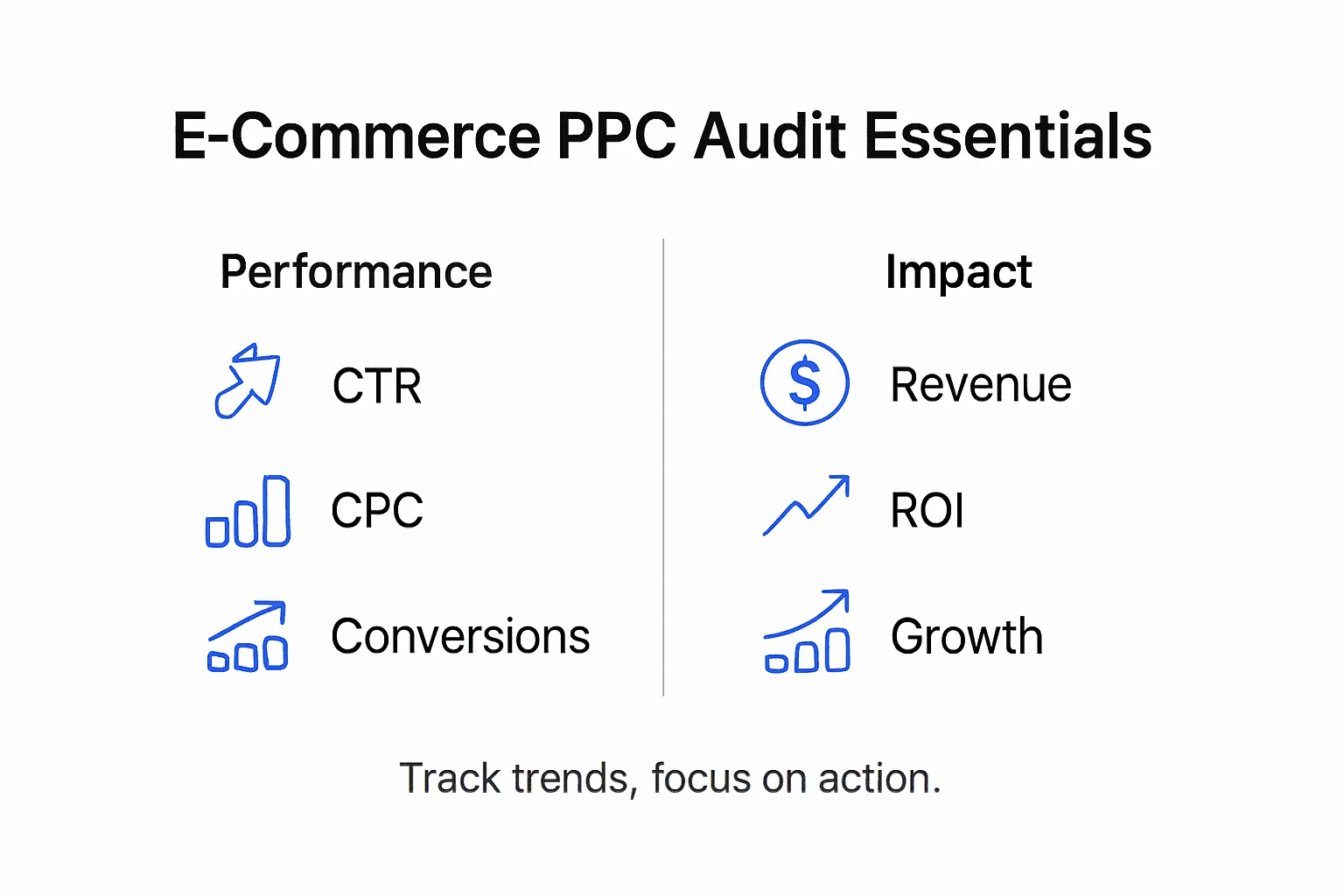
To conduct an effective PPC data audit, start by gathering comprehensive performance metrics across all your active advertising platforms. Pull reports from Amazon Advertising, Google Ads, and any other channels where you are running campaigns. Focus on critical metrics like click through rate (CTR), conversion rate, average cost per click (CPC), total ad spend, and return on ad spend (ROAS). Look for patterns such as time of day performance variations, keyword effectiveness, and audience segment responsiveness. Cross reference these metrics to identify which campaigns are delivering strong results and which need immediate optimization.
The goal of this audit is not just data collection but actionable strategic insight. Compare your current performance against industry benchmarks and your own historical data to understand where optimization opportunities exist. Pay special attention to high-cost keywords with low conversion rates and audience segments that demonstrate minimal engagement. These areas represent your most significant potential for improving campaign efficiency and reducing wasted ad spend.
Here’s a comparison of key PPC metrics and their business impact in campaign auditing:
MetricWhat It MeasuresBusiness ImpactClick Through Rate (CTR)User engagement with adsReveals ad relevance and appealConversion RatePercentage of users who buyIndicates ad effectivenessCost Per Click (CPC)Average cost paid per clickDetermines advertising efficiencyReturn on Ad Spend (ROAS)Revenue generated per dollar spentAssesses overall profitability
Pro Tip: Automate your data collection process using integrated analytics tools that can pull performance metrics from multiple platforms simultaneously, saving you hours of manual reporting time.
Step 2: Define High-Impact Audience Segments
Successful e-commerce PPC campaigns demand a precise understanding of your most valuable customer groups. Audience segmentation is the strategic process of dividing potential customers into distinct subgroups based on specific characteristics that reveal their likelihood of converting and generating meaningful revenue.
To create high-impact audience segments, start by analyzing comprehensive data across multiple dimensions. Reach targeted populations by examining demographics like age, income, location, and education level. Then dive deeper into psychographic factors such as interests, lifestyle preferences, purchasing behaviors, and online engagement patterns. Look for clusters of customers who share similar attributes and demonstrate strong alignment with your product offerings. For example, an athletic apparel brand might segment audiences into fitness enthusiasts, weekend warriors, professional athletes, and health conscious consumers.

Refine your segments by tracking key performance indicators that reveal true conversion potential. Analyze metrics like average order value, repeat purchase frequency, customer lifetime value, and engagement rates across different audience groups. Prioritize segments that not only show high conversion rates but also represent scalable market opportunities with room for growth. This data driven approach transforms audience segmentation from a theoretical exercise into a powerful strategic tool for optimizing your PPC campaigns.
For quick reference, here’s a summary of effective audience segmentation dimensions and their strategic value:
DimensionExample AttributeStrategic ValueDemographicsAge, income, locationTargets high-value audiencesPsychographicsInterests, lifestyleAligns messaging and offersBehaviorPurchase frequency, loyaltyIncreases conversion potential
Pro Tip: Use advanced analytics platforms that offer machine learning capabilities to automatically identify and cluster audience segments based on complex behavioral patterns and predictive modeling.
Step 3: Optimize Creative Assets for Conversion
Maximizing PPC performance requires strategic design of visual and textual elements that compel potential customers to take action. Conversion optimization focuses on crafting creative assets that guide prospects seamlessly from initial ad interaction to final purchase, transforming casual browsers into committed buyers.
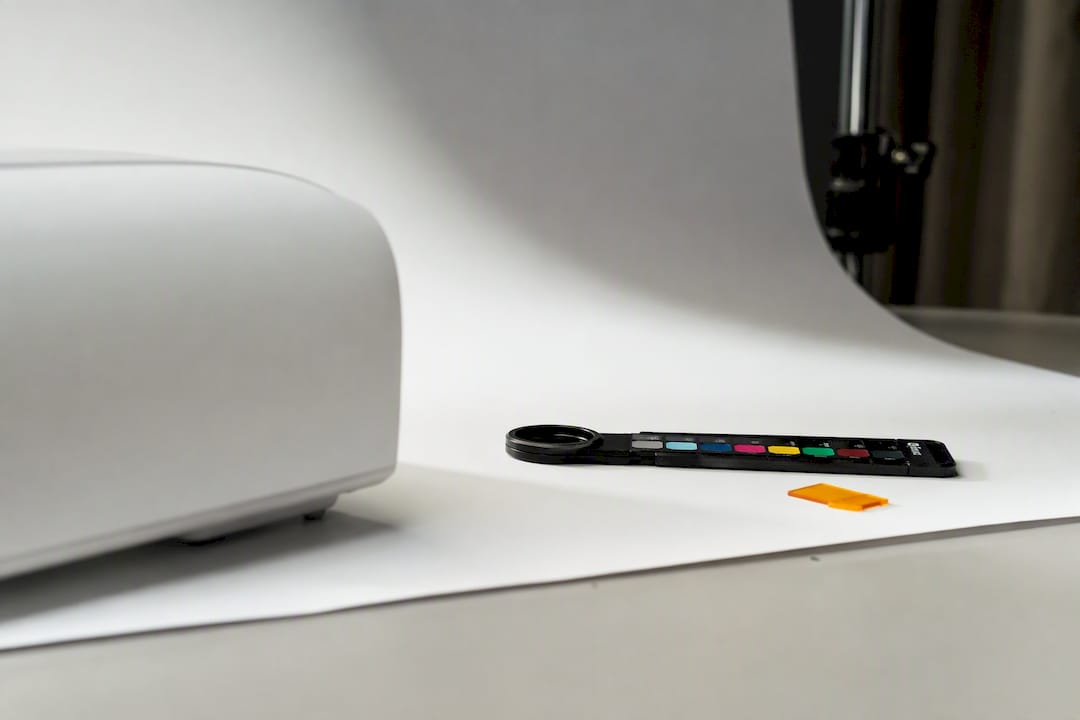
Begin by analyzing your current creative assets through a critical lens. Implement image optimization strategies that enhance visual appeal and technical performance. Select high resolution product images that showcase unique features, use clean backgrounds, and demonstrate product utility in real world contexts. For product photography, invest in professional lighting and staging that highlights texture, color, and functionality. Craft compelling ad copy that speaks directly to your target audience segments emotional triggers and practical needs. Use clear concise language that communicates unique value propositions within the first few seconds of viewer engagement.
Refine your creative assets through systematic A/B testing to understand which visual and messaging combinations generate the highest conversion rates. Experiment with different image styles, color palettes, typography, and call to action language. Track performance metrics like click through rate, conversion rate, and cost per acquisition to continuously optimize your creative approach. Remember that effective PPC creative is an iterative process requiring constant refinement and adaptation to changing market dynamics.
Pro Tip: Create a comprehensive asset library with multiple image and copy variations to enable rapid testing and optimization of your PPC creative elements.
Step 4: Refine Bidding and Budget Strategies
Successful PPC campaigns demand precision in financial resource allocation and strategic bid management. Evaluating bids and proposals requires a structured approach that balances potential returns against investment risk across different keywords and audience segments.
Start by conducting a comprehensive analysis of your current PPC spending patterns. Segment your keyword portfolio into high performing, moderate performing, and underperforming categories. Allocate more budget to keywords with proven conversion rates while gradually reducing spend on low performing terms. Implement dynamic bidding strategies that automatically adjust your maximum cost per click based on real time performance data. Consider using automated bidding tools that leverage machine learning algorithms to optimize your spending across different platforms like Amazon Advertising and Google Ads.
Develop a systematic approach to budget reallocation that prioritizes efficiency and scalability. Monitor key performance indicators such as return on ad spend (ROAS), cost per acquisition (CPA), and total revenue generated. Create granular performance benchmarks for different audience segments and product categories. This allows you to make data driven decisions about where to concentrate your advertising resources. Remember that effective budget management is an ongoing process requiring continuous monitoring and adaptive strategies.
Pro Tip: Create monthly budget reallocation checkpoints to ensure your PPC spending remains aligned with evolving business goals and market dynamics.
Step 5: Monitor Performance and Implement Tweaks
Transforming PPC campaign data into actionable insights requires a systematic approach to performance tracking and continuous optimization. Developing actionable KPIs enables e-commerce brands to create a disciplined method of evaluating and refining advertising strategies in real time.
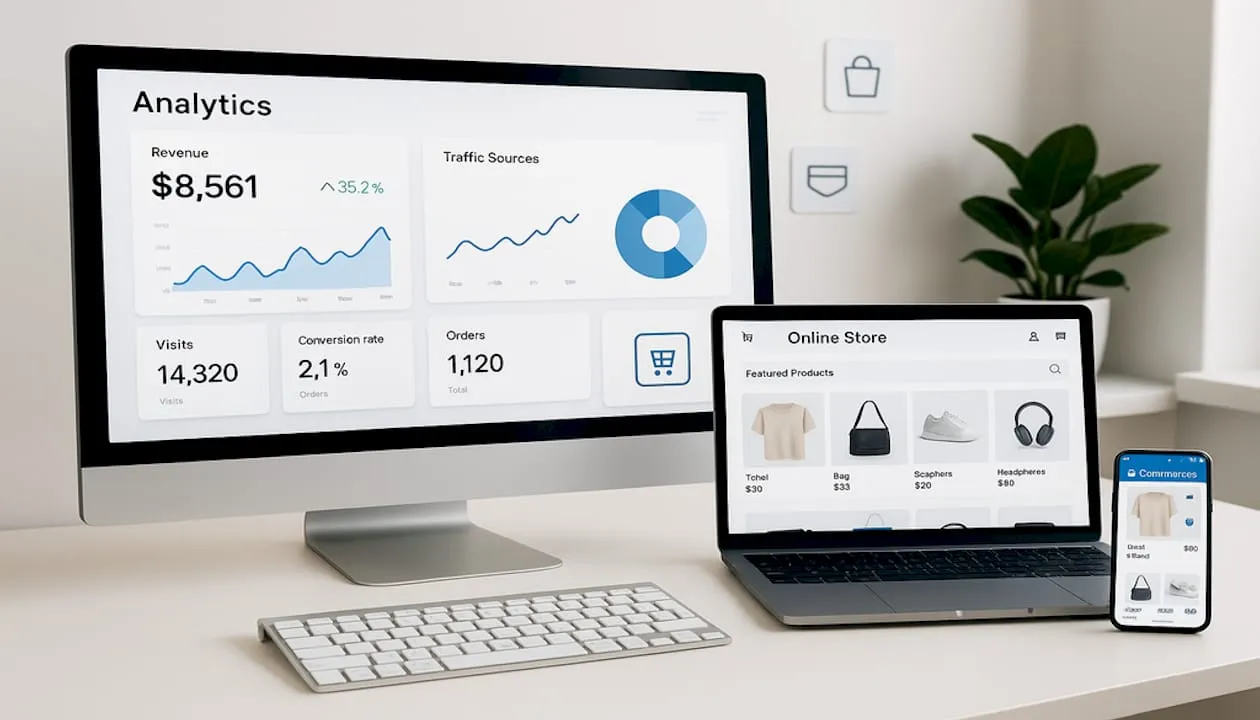
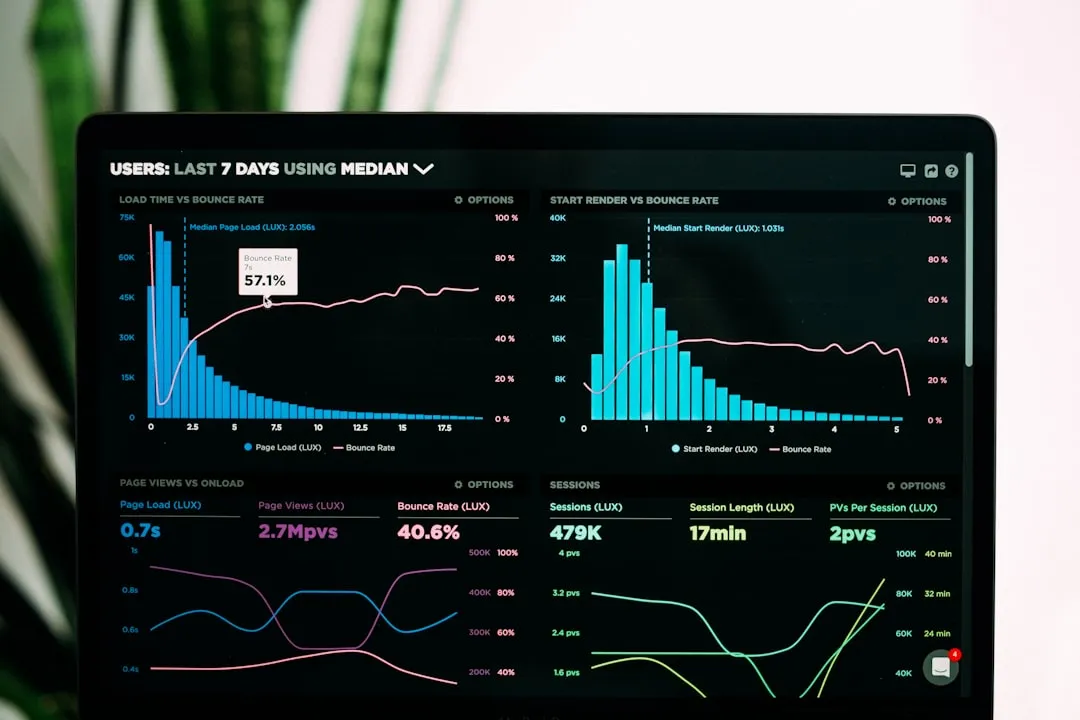
Establish a comprehensive monitoring dashboard that consolidates performance metrics across all advertising platforms. Track key performance indicators including click through rate, conversion rate, cost per acquisition, return on ad spend, and total revenue generated. Set up automated reporting tools that generate weekly and monthly performance snapshots, allowing you to quickly identify trends, anomalies, and potential optimization opportunities. Pay close attention to granular metrics like audience segment performance, keyword effectiveness, and creative asset engagement rates. Use these insights to make incremental adjustments to your bidding strategies, audience targeting, and creative elements.
Implement a disciplined review cycle that transforms data into strategic action. Create a standardized process for analyzing performance reports, identifying improvement areas, and executing targeted tweaks. Develop a decision matrix that helps you quickly determine whether to scale up successful strategies or pivot away from underperforming campaigns. Remember that PPC optimization is an ongoing process of continuous learning and adaptation, requiring agility and a data driven mindset.
Pro Tip: Establish a monthly performance review meeting with key stakeholders to discuss insights, celebrate successes, and collaboratively develop optimization strategies.
Unlock Your E-Commerce PPC Potential with Nectar
Maximizing PPC efficiency means overcoming common challenges like inefficient budget allocation, underperforming keywords, and creative assets that do not convert. This article highlights the crucial need for data-driven audits, high-impact audience segmentation, and continuous performance monitoring. If you are struggling with low ROAS or costly campaigns that fail to deliver meaningful growth, it is time to partner with experts who understand these pain points deeply.
Nectar specializes in turning PPC data insights into profitable action. With our in-house photography, videography, and design services combined with the powerful iDerive analytics platform, we help e-commerce brands like yours optimize bids, refine creative assets, and segment audiences to boost conversions. Discover how our full-funnel management approach transforms your listings into high-converting storefronts on Amazon, Walmart, and Shopify.
Ready to scale smarter and maximize long-term ROI? Explore how Nectar’s managed e-commerce solutions can help you conquer PPC challenges today.

Take control of your PPC campaigns now with Nectar’s uniquely integrated creative and analytic expertise. Visit https://thinknectar.com to learn more and schedule a consultation. Your next breakthrough in profitable growth starts here.
Frequently Asked Questions
How can I audit my existing PPC data for e-commerce?
To audit your existing PPC data effectively, gather performance metrics from all active advertising platforms, including click through rates, conversion rates, and cost per click. Analyze these metrics over time and compare them against industry benchmarks to identify areas needing optimization.
What key metrics should I focus on during a PPC audit?
During a PPC audit, focus on metrics such as click through rate (CTR), conversion rate, average cost per click (CPC), and return on ad spend (ROAS). These metrics will provide insights into overall campaign effectiveness and where adjustments are needed.
How do I define high-impact audience segments for my PPC campaigns?
To define high-impact audience segments, analyze demographics, psychographics, and behaviors of your customer base. Group customers based on shared characteristics, such as interests and purchasing habits, to target your advertising efforts more effectively.
What steps can I take to optimize my PPC creative assets?
To optimize your PPC creative assets, focus on high-quality images and compelling, clear ad copy. Continuously test different variations of your assets and track their performance metrics to identify which combinations yield the highest conversion rates.
How should I refine my bidding and budget strategies for PPC?
Refine your bidding and budget strategies by categorizing your keywords into high, moderate, and low performers. Allocate more budget to high-performing keywords while implementing automated bidding tools to optimize spending based on real-time performance data.
What should I monitor for ongoing PPC performance optimization?
Monitor key performance indicators such as click through rate, conversion rate, cost per acquisition, and return on ad spend regularly. Set up automated reporting to quickly identify trends and make data-driven adjustments to your campaigns.


































































.webp)