Why Use Amazon Advertising for Brand Growth
.webp)

More than 70 percent of American online shoppers now start their product searches directly on Amazon, making ad visibility critical for brand success. With fierce competition among e-commerce sellers, finding the right advertising strategy can be challenging for American brands determined to outperform rivals. Here you will find fresh insights for marketing managers who want practical guidance on maximizing ROI and dominating Amazon’s massive marketplace through smarter, data-driven advertising.
Key Takeaways
PointDetailsAmazon Advertising EcosystemOffers targeted, data-driven solutions for brands to promote products within the largest online marketplace.Ad Format EffectivenessUtilize a mix of Sponsored Products, Sponsored Brands, and Sponsored Display to cater to different marketing objectives.Optimization for ROIFocus on strategic budget allocation and performance tracking to maximize return on investment.Channel ComparisonRecognize that Amazon Ads excel in capturing high purchase intent, differentiating it from traditional digital marketing channels.
Amazon Advertising Defined for E-Commerce Brands
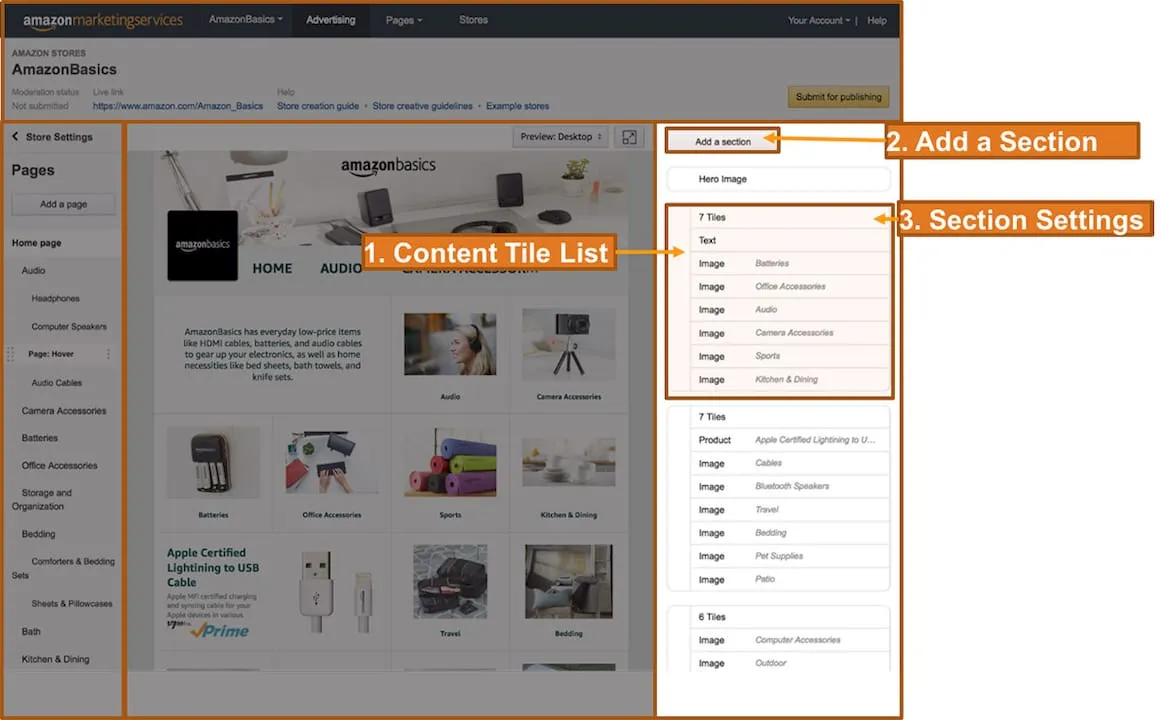
Amazon Advertising represents a powerful digital marketing ecosystem designed specifically for brands seeking strategic product visibility in the world’s largest online marketplace. At its core, Amazon Advertising enables e-commerce brands to promote products directly to consumers through targeted, data-driven advertising solutions that leverage Amazon’s immense customer base.
The platform offers multiple advertising formats tailored to different marketing objectives. Major retailers have transformed advertising platforms, with Amazon leading the charge by generating $46.9 billion in advertising revenue in 2023. These ad formats include Sponsored Products, which appear in search results and product detail pages, Sponsored Brands that showcase multiple products and brand logos, and Sponsored Display ads that retarget potential customers across Amazon’s network.
Successful Amazon Advertising requires understanding the platform’s unique ecosystem. Brand promotion strategies involve precise targeting, compelling product listings, and strategic bid management. Brands can leverage Amazon’s advanced customer data to reach specific demographics, track performance metrics, and continuously optimize advertising campaigns for maximum return on investment.
Pro tip: Start with a modest budget and experiment with different ad formats to understand which delivers the best performance for your specific product line and target audience.
Major Amazon Ad Formats and Their Roles
Amazon offers a sophisticated suite of advertising formats designed to meet different marketing objectives for e-commerce brands. Multiple ad formats drive strategic visibility across Amazon’s extensive digital marketplace, enabling brands to reach customers at various stages of their purchasing journey.
The primary ad formats include Sponsored Products, which appear directly in search results and product pages. These pay-per-click advertisements help brands increase product visibility by positioning items precisely where potential customers are actively searching. Sponsored Brands take a broader approach, showcasing brand logos, custom headlines, and multiple products to build comprehensive brand awareness and recognition.

Sponsored Display and Amazon DSP represent more advanced targeting strategies. Sponsored Display ads extend beyond Amazon’s platform, retargeting shoppers across websites and apps. Amazon DSP provides programmatic advertising capabilities, allowing brands to target specific customer segments with unprecedented precision. These formats enable sophisticated audience targeting that goes far beyond traditional search-based advertising.
Each ad format serves a unique role in the marketing funnel. Sponsored Products drive immediate conversions, Sponsored Brands build long-term brand equity, and display strategies create broader audience engagement. Advanced advertising platforms transform marketing strategies by providing granular targeting and performance tracking.
Pro tip: Experiment with a mix of ad formats and allocate budget proportionally based on initial performance metrics, allowing data to guide your strategic advertising investments.
Here’s a concise overview of Amazon’s main ad formats and their strategic roles:
Ad FormatPrimary PlacementCore ObjectiveBest Used ForSponsored ProductsSearch & product pagesImmediate sales conversionsPromoting specific productsSponsored BrandsSearch resultsBrand building & awarenessShowcasing multiple productsSponsored DisplayOn & off Amazon networkRetargeting & audience reachRe-engaging potential shoppersAmazon DSPProgrammatic off-AmazonAdvanced audience precisionLarge-scale segmentation
How Amazon Ads Drive Product Visibility
Amazon’s advertising ecosystem significantly transforms product discoverability by strategically positioning brands in front of motivated shoppers. The platform’s sophisticated targeting mechanisms allow e-commerce brands to cut through the digital noise and connect directly with consumers actively seeking specific products or product categories.
The visibility enhancement occurs through multiple strategic approaches. Sponsored Products appear precisely in search results and product pages, capturing consumer attention at the most critical moment of purchase consideration. These targeted advertisements leverage Amazon’s extensive user behavior data, enabling brands to position their offerings exactly where potential customers are most likely to engage and convert.
Moreover, digital marketing strategies transform consumer perceptions by building brand trust and quality impressions. Advanced Amazon advertising techniques go beyond simple product placement, creating comprehensive brand narratives that resonate with specific audience segments. By utilizing detailed demographic and behavioral targeting, brands can craft nuanced advertising experiences that dramatically improve product recognition and consumer engagement.
The ultimate goal of Amazon advertising is not just visibility, but meaningful consumer connection. Brands can optimize their advertising strategy by understanding each ad format’s unique strengths, tracking performance metrics, and continuously refining their approach based on real-time consumer interaction data.
Pro tip: Implement a systematic testing approach by creating multiple ad variations for each product, monitoring performance metrics weekly, and quickly pivoting resources toward the most effective campaigns.
Optimizing Budgets and Maximizing ROI
Digital advertising effectiveness requires strategic budget allocation that goes beyond simple spending. Successful Amazon Advertising campaigns demand a nuanced approach that balances creative content with precise targeting, ensuring every dollar invested generates measurable returns. Brands must develop a comprehensive strategy that integrates performance tracking, audience insights, and continuous optimization.
The key to maximizing ROI lies in understanding Amazon’s sophisticated advertising ecosystem. Dynamic bidding and performance-based allocation enable brands to redirect resources toward high-converting ad formats. Advanced AI algorithms help optimize ad placements by analyzing real-time consumer behavior, allowing advertisers to make data-driven decisions that minimize wasted spend and maximize potential revenue.

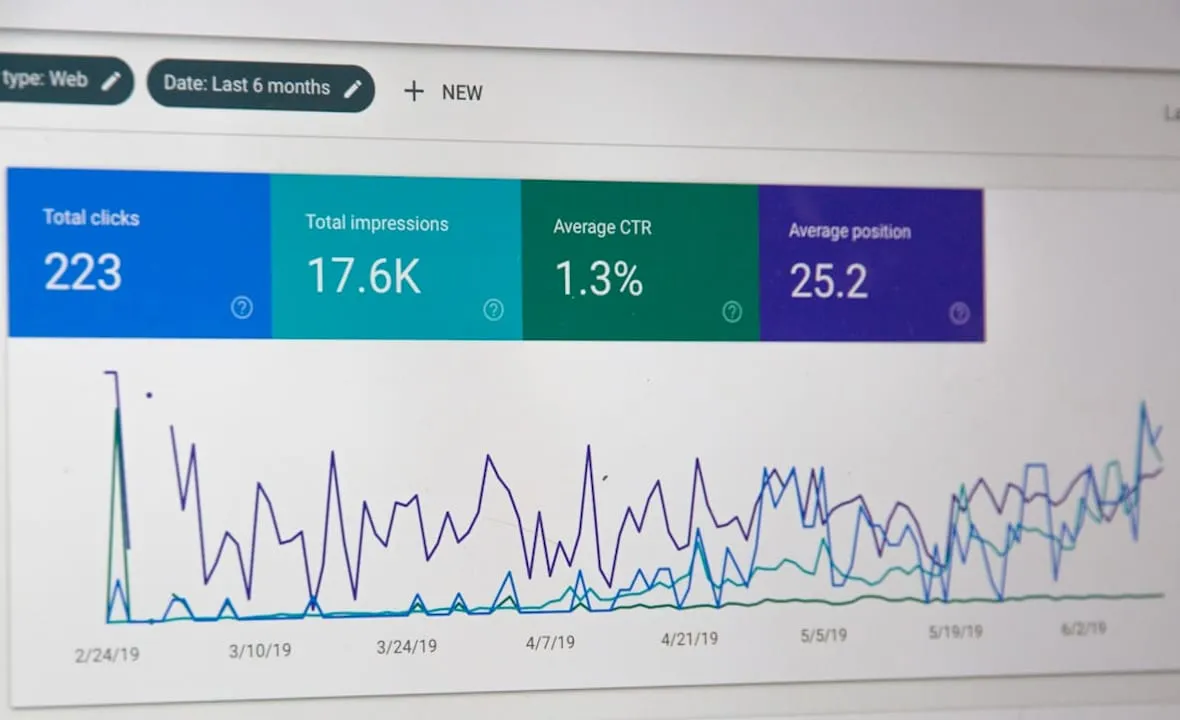
Successful budget optimization involves multiple strategic considerations. Brands should focus on developing targeted campaigns that combine emotional resonance with precise audience segmentation. This means creating ad content that not only captures attention but also speaks directly to specific customer pain points and desires. Performance metrics such as click-through rates, conversion rates, and total sales attributed to advertising become critical indicators of campaign effectiveness.
Implementing a robust tracking and analysis framework allows continuous refinement of advertising strategies. By closely monitoring key performance indicators and being willing to quickly pivot resources, e-commerce brands can transform their Amazon Advertising from a cost center into a powerful growth engine. The most successful advertisers treat their budget as a dynamic investment, constantly testing, learning, and adapting.
Pro tip: Develop a systematic approach to budget allocation by creating a quarterly review process that evaluates ad performance across different formats, reallocating resources to the most efficient channels and ad types.
Comparing Amazon Ads to Other Channels
Digital advertising effectiveness varies dramatically across platforms, with Amazon Advertising offering a unique value proposition that sets it apart from traditional digital marketing channels. Unlike generic advertising platforms, Amazon provides direct access to consumers with demonstrated purchase intent, creating a more targeted and conversion-driven advertising experience.
Where platforms like Google and Facebook excel in broad reach and brand awareness, Amazon Advertising specializes in capturing consumers at the precise moment of purchase consideration. This fundamental difference means Amazon ads typically deliver higher conversion rates and more immediate return on investment. Purchase intent targeting becomes the key differentiator, allowing brands to connect with shoppers who are already actively evaluating product options.
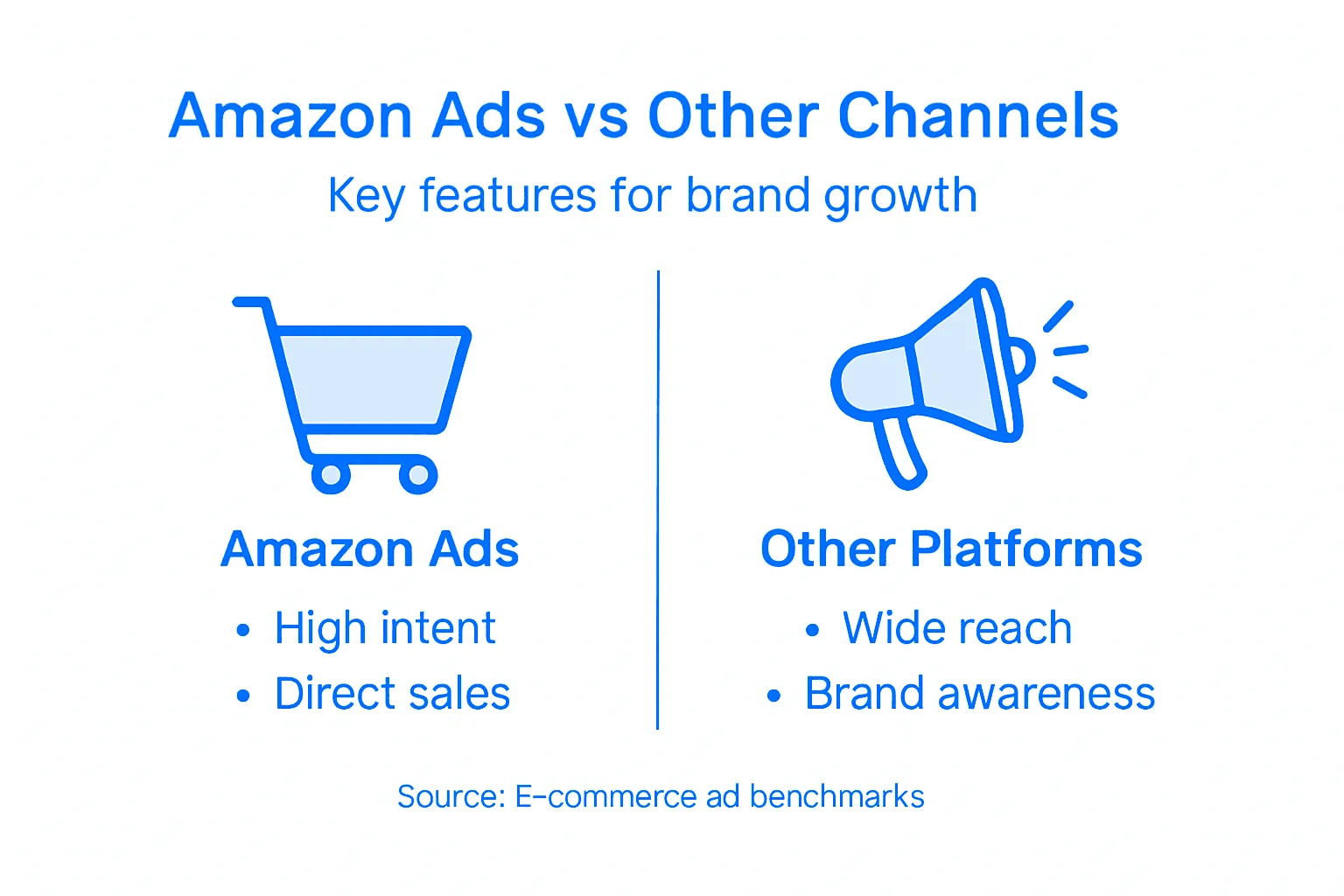
Multi-channel marketing strategies remain crucial for comprehensive brand growth. Each platform offers unique strengths: social media platforms provide demographic targeting and brand storytelling, search engines enable keyword-based visibility, while Amazon concentrates on transactional readiness. Successful e-commerce brands integrate these channels strategically, using Amazon Advertising as a powerful conversion-optimization tool complementing broader marketing efforts.
The most effective advertising approach recognizes each channel’s unique capabilities. Amazon’s data-driven platform allows for granular performance tracking, precise audience segmentation, and immediate sales attribution that other channels struggle to match. By understanding these nuanced differences, brands can develop sophisticated, multi-platform advertising strategies that maximize overall marketing efficiency.
Compare how Amazon Advertising differs from other leading digital ad platforms:
CriterionAmazon AdsGoogle AdsFacebook/Meta AdsAudience IntentHigh purchase intentInformational/researchInterest-drivenMeasurement PrecisionDirect sales attributionConversion, impressionsEngagement metricsMain StrengthSales conversionBroad information reachDemographic targetingTypical Use CaseE-commerce salesGenerating website trafficBrand awareness
Pro tip: Allocate your advertising budget proportionally across channels, using Amazon Advertising as your primary conversion driver while leveraging other platforms for brand awareness and audience expansion.
Elevate Your Brand Growth with Expert Amazon Advertising Management
The article highlights the challenge many e-commerce brands face in navigating Amazon Advertising’s complex ecosystem to achieve precise targeting, strategic budget allocation, and maximum ROI. If you’re struggling to translate ad spend into meaningful sales conversions or looking to harness advanced ad formats like Sponsored Products and Amazon DSP to boost visibility, you are not alone. With the pressure to constantly optimize campaigns through real-time data and granular insights, it becomes essential to partner with experts who understand these unique demands.
At Nectar, we specialize in transforming these challenges into growth opportunities. By combining our powerful creative services including photography, videography, and design with a data-driven advertising approach powered by our proprietary iDerive analytics platform, we help mid-sized and enterprise brands unlock smarter campaign management and scalable long-term success. Learn how Nectar’s fully managed e-commerce services can turn your underperforming listings into high-converting storefronts with tailored Amazon Advertising strategies. Our expertise on platforms including Amazon, Walmart, and Shopify positions your brand to win in highly competitive marketplaces.
Ready to see your brand thrive with targeted Amazon Advertising that drives real results?

Discover how you can optimize every advertising dollar and maximize your market share today by partnering with Nectar. Visit Nectar’s website now to start scaling smarter and capturing more growth opportunities.
Frequently Asked Questions
What are the main types of Amazon Advertising formats?
The main types of Amazon Advertising formats include Sponsored Products, Sponsored Brands, Sponsored Display, and Amazon DSP. Each format serves different marketing objectives, such as driving immediate sales or building brand awareness.
How can Amazon Advertising improve my brand’s visibility?
Amazon Advertising enhances brand visibility by placing targeted ads in high-traffic areas where consumers are actively searching for products. This data-driven approach connects brands with motivated shoppers at critical buying moments.
What strategies can I implement to optimize my Amazon Advertising budget?
To optimize your budget, focus on dynamic bidding and performance-based allocation. Analyze key performance metrics, experiment with different ad formats, and continuously refine your campaigns based on real-time data to maximize ROI.
How does Amazon Advertising compare to other digital advertising platforms?
Amazon Advertising differs from platforms like Google and Facebook by targeting consumers with high purchase intent. While Google excels in informational searches and Facebook focuses on demographics, Amazon’s strength lies in driving immediate sales conversions.




































































.webp)