Role of Remarketing in Ecommerce Growth and ROI
.webp)

Managing an American e-commerce brand’s online presence can feel like a constant battle for attention as potential customers browse, consider, and leave without completing their purchases. This challenge matters because every missed transaction impacts both revenue and marketing spend. By focusing on remarketing strategies, brands can capture lost leads, maintain visibility, and drive higher conversions across platforms such as Amazon and Shopify with proven tactics that maximize return on investment.
Key Takeaways
PointDetailsEffective Audience SegmentationPrecise audience segmentation based on user behaviors is essential for optimizing remarketing campaigns.Dynamic and Personalized AdsUtilize dynamic ad content that reflects users’ recent browsing to increase conversion rates.Multi-Channel StrategyImplement a comprehensive remarketing strategy across various digital platforms to maximize brand engagement.Avoid Common MistakesBe mindful of common pitfalls such as audience over-saturation and lack of personalization to maintain user engagement.
Remarketing Fundamentals for Ecommerce Brands
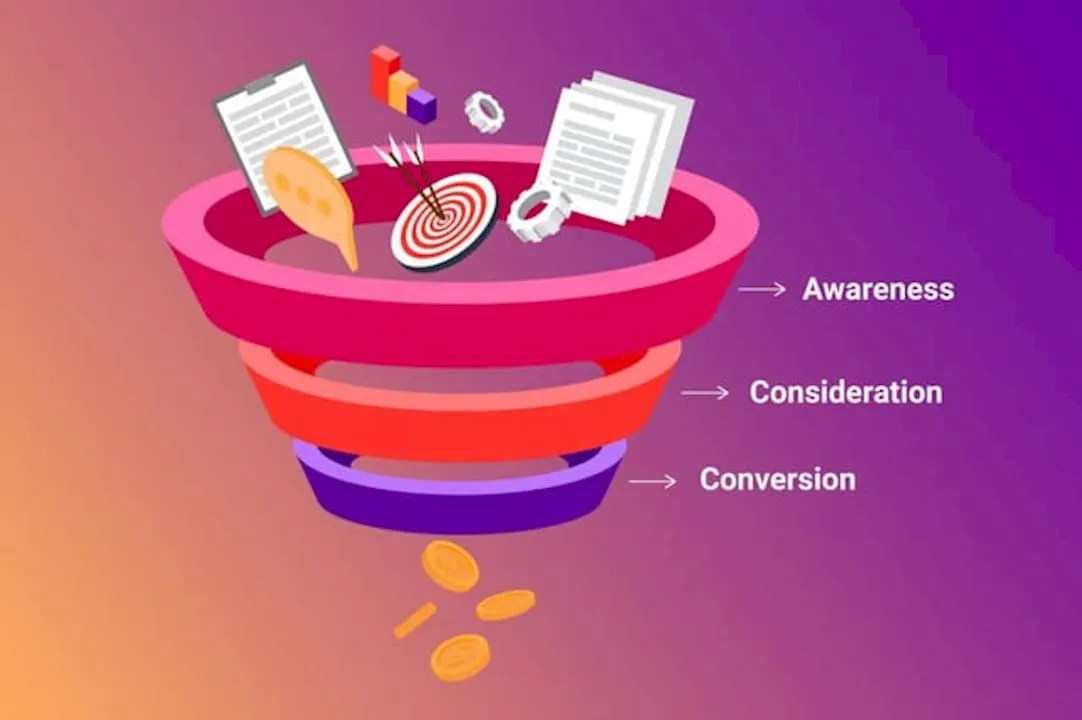
Remarketing is a strategic digital advertising technique designed to re-engage potential customers who have previously interacted with an online store but did not complete a purchase. By tracking user interactions, brands can deliver targeted advertisements across multiple digital platforms, effectively maintaining brand visibility and increasing conversion potential.

At its core, remarketing works through sophisticated tracking technologies that monitor website visitor behavior. When a potential customer browses products, visits specific pages, or adds items to their cart without purchasing, they become part of a remarketing audience. These users are then shown personalized ads on other websites, social media platforms, and digital networks, reminding them of the products they previously viewed.
Key components of an effective remarketing strategy include:
The primary goals of remarketing are multifaceted. Beyond simply recovering potentially lost sales, remarketing helps brands:
Successful remarketing requires a nuanced approach. Retargeting strategies must balance persistent reminders with user experience, ensuring ads feel helpful rather than intrusive.
Pro tip: Create segmented remarketing lists based on specific user actions, like cart abandonment or product page visits, to deliver more personalized and effective advertising campaigns.
Key Types and Methods of Remarketing
Remarketing encompasses several sophisticated strategies designed to re-engage potential customers through targeted advertising techniques. Different remarketing approaches allow brands to create personalized marketing experiences that reconnect with users who have previously shown interest in their products or services.
Each remarketing method leverages unique tracking technologies to monitor user interactions. Cookies and tracking pixels enable marketers to create detailed audience segments, allowing for hyper-targeted advertising that increases the likelihood of conversion.
Pro tip: Combine multiple remarketing methods to create a comprehensive strategy that covers different touchpoints in the customer journey, maximizing your potential to re-engage lost opportunities.
How Remarketing Works Across Platforms
Remarketing operates through sophisticated tracking mechanisms that enable brands to create highly targeted advertising experiences across multiple digital platforms. Tracking codes and pixels collect critical data about user behaviors, allowing marketers to build detailed audience segments and deliver personalized advertising encounters.
Different digital platforms implement remarketing strategies with unique approaches. Google Ads, Facebook Ads, and Amazon Advertising each offer specialized remarketing tools that enable brands to reconnect with potential customers through strategically placed advertisements.
Pro tip: Configure your tracking pixels to capture nuanced user interactions, enabling more precise audience segmentation and more effective remarketing campaigns.
Measuring Remarketing Impact on ROI
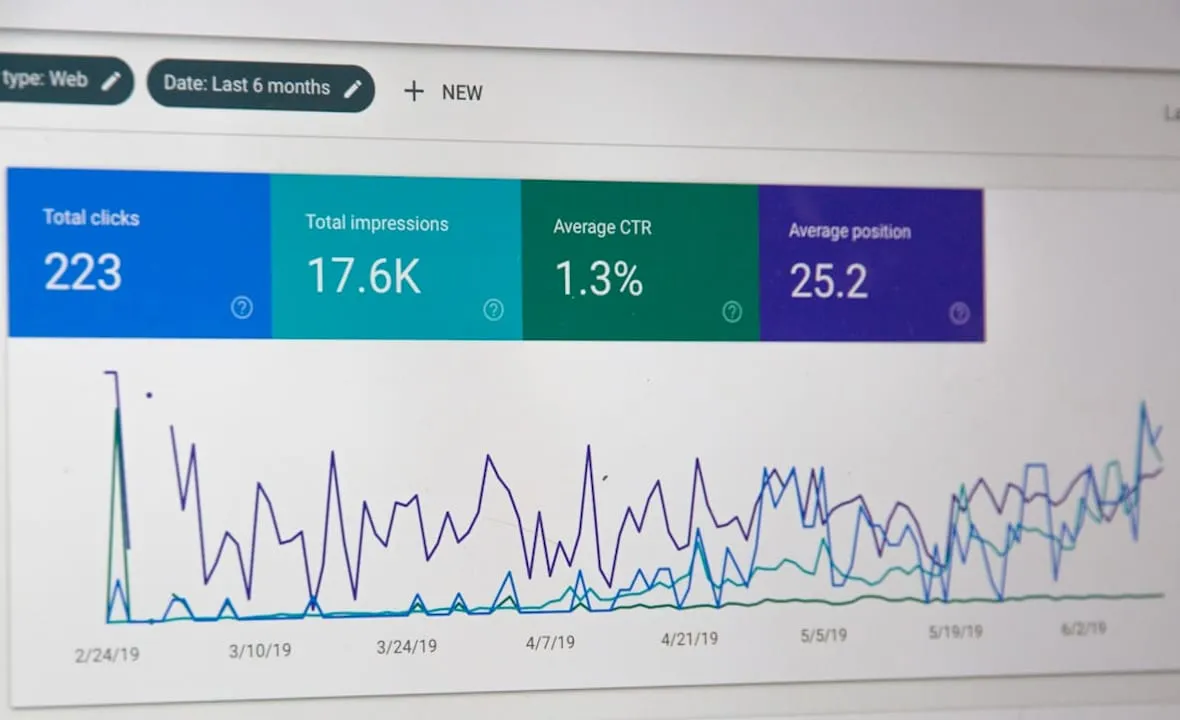
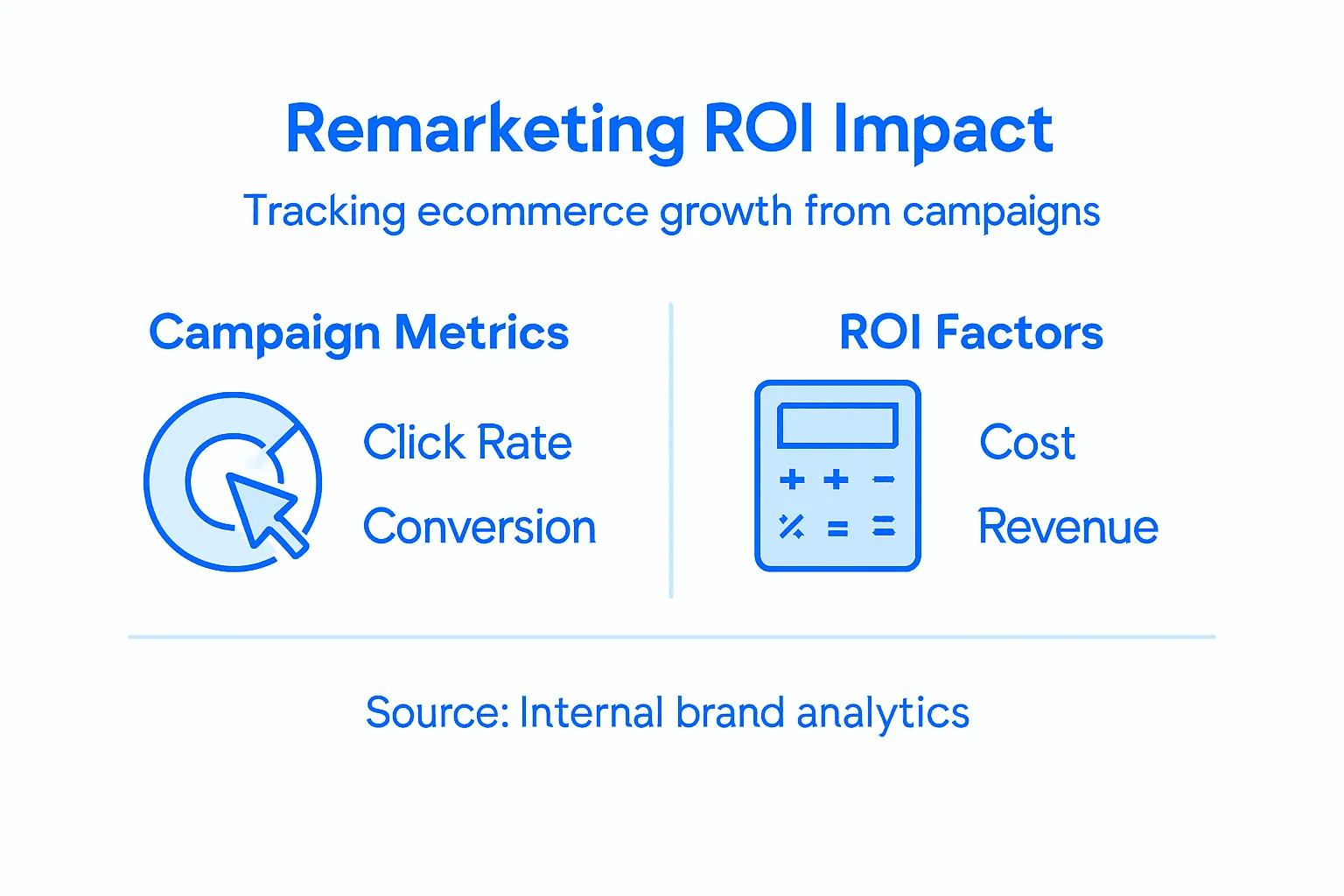
Remarketing effectiveness goes far beyond simple click-through rates, requiring a comprehensive approach to evaluating return on investment. Statistical analysis tools demonstrate how remarketing strategies can transform customer engagement and drive significant economic value for e-commerce brands.
Successful ROI measurement requires a multi-dimensional approach that tracks both immediate and long-term economic outcomes. E-commerce brands must analyze not just direct sales, but also indirect benefits like increased brand awareness, customer retention, and reduced marketing inefficiencies.
Pro tip: Develop custom dashboards that integrate multiple data sources to create a holistic view of your remarketing performance and true economic impact.
Common Mistakes and How to Avoid Them
Remarketing strategies can quickly become ineffective when brands fail to understand the nuanced dynamics of consumer engagement. Consumer feedback insights reveal critical mistakes that can undermine even the most well-intentioned remarketing campaigns.
Successful remarketing demands a sophisticated approach that balances persistence with strategic restraint. Brands must develop nuanced strategies that respect user preferences while maintaining meaningful engagement.
The table below summarizes common remarketing mistakes and their business consequences:
MistakeWhy It HappensTypical Negative ResultAudience Over-SaturationHigh ad frequency settingsAd fatigue, reduced engagementLack of PersonalizationGeneric content, no segmentsLower click-through, wasted spendInappropriate TimingPoor trigger configurationIrrelevant impressionsNeglecting SegmentationOne-size-fits-all approachMissed personalization, low ROIIgnoring User ExperienceDisruptive formats or volumeBrand damage, rejected ads
Pro tip: Develop a comprehensive remarketing strategy that prioritizes user experience by creating adaptive, context-aware advertising that feels helpful rather than intrusive.
Unlock Ecommerce Growth with Data-Driven Remarketing
Remarketing is a powerful tool to recover lost sales and boost your brand’s ROI by reconnecting with customers who showed interest but did not purchase. If you struggle with audience segmentation, personalization, or balancing ad frequency, these challenges can limit your ecommerce growth and drain your marketing budget. Nectar understands how crucial it is to combine precise audience targeting with compelling creative content and full-funnel strategy to maximize conversion potential and long-term value.
By leveraging our expertise in Amazon, Walmart, and Shopify storefronts, along with our proprietary iDerive analytics platform, we help mid-sized and enterprise brands turn underperforming listings into high-converting assets. Our integrated approach covers everything from dynamic ad creation to cross-platform remarketing management that respects user experience and reduces customer acquisition costs. Experience the impact of finely segmented remarketing campaigns that nurture warm leads and drive profitable growth.

Ready to transform your ecommerce remarketing strategy and scale smarter today? Visit Nectar to discover how a fully managed, data-driven approach can increase brand recognition, improve ROI, and recover abandoned carts effectively. Take the next step towards sustainable ecommerce success now.
Frequently Asked Questions
What is remarketing in the context of ecommerce?
Remarketing is a digital advertising strategy that targets users who have previously interacted with an online store but did not complete a purchase, helping to remind them of their interest in the products.
How does remarketing improve ecommerce ROI?
Remarketing enhances ROI by reconnecting with potential customers, thus increasing conversion rates and reducing customer acquisition costs, ultimately leading to a higher return on ad spend (ROAS).
What are the key types of remarketing applicable to ecommerce?
The main types include Standard Remarketing, Dynamic Remarketing, Video Remarketing, Email Remarketing, and Search Remarketing, each offering unique advantages for targeting and engaging past visitors.
What common mistakes should brands avoid in their remarketing strategies?
Brands should avoid audience over-saturation, lack of personalization, inappropriate timing, neglecting segmentation, and ignoring user experience to ensure effective engagement without harming brand perception.