Amazon SEO Best Practices 2025 for Maximizing Visibility
.webp)
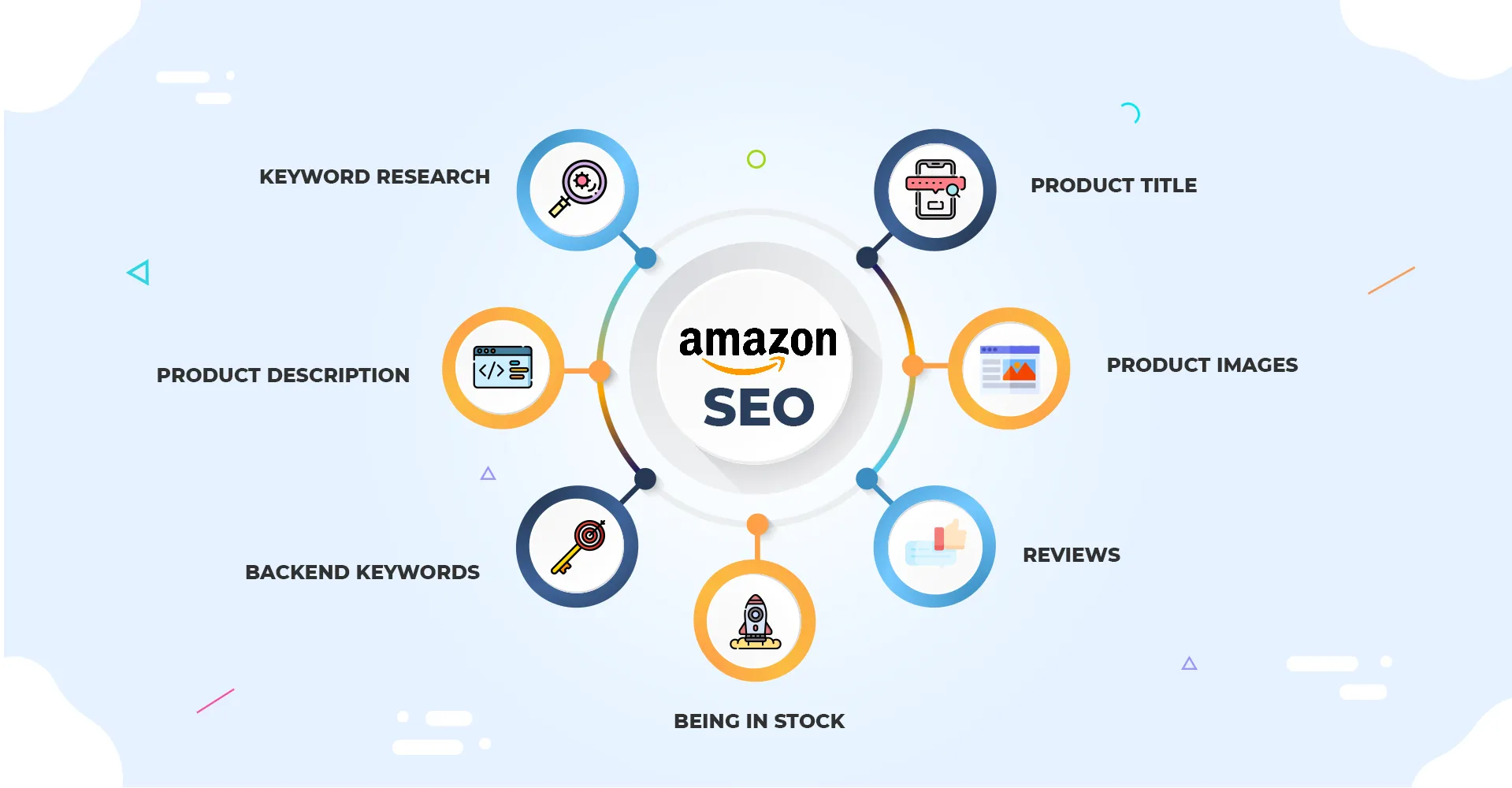
Finding the right keywords and understanding how competitors win on Amazon can feel like an ongoing challenge for American e-commerce marketers. With new products launching daily and changing search trends, staying ahead requires more than guesswork. By mastering competitor analysis and refining content based on real data, you can uncover market gaps and sharpen your product visibility. This guide brings you actionable steps to analyze, optimize, and stand out in a crowded Amazon marketplace.
Quick Summary
Key InsightExplanation
1. Conduct Competitor Analysis
Identify direct and indirect competitors to uncover customer language and market gaps. Document their pricing and reviews for strategic advantage.
2. Optimize Product Listings
Use compelling titles and bullet points to convert browses into buyers. Address customer concerns and eliminate purchase barriers in your listing.
3. Invest in Creative Assets
Utilize professional images and videos to enhance listings. Quality visuals improve trust and conversion rates significantly.
4. Monitor SEO Performance
Regularly track key metrics like keyword rankings and conversion rates to adapt strategies and optimize listing performance effectively.
5. Use Data for Continuous Improvement
Implement systematic testing based on data insights. Make one change at a time to identify which adjustments lead to improved performance.
Step 1: Conduct Keyword and Competitor Analysis
Understanding what your customers search for and how competitors position themselves forms the foundation of your Amazon strategy. This step reveals market gaps, customer language, and positioning opportunities that will inform every decision moving forward.
Start by identifying your direct and indirect competitors on Amazon. Direct competitors sell similar products in your category; indirect competitors fulfill the same customer need differently. Search your primary keywords on Amazon and examine the top 20 results, noting which sellers appear repeatedly across different queries.
Next, analyze what makes each competitor visible. Look at their product titles, bullet points, and description text to spot recurring keywords. Tools like Helium 10 or Jungle Scout can accelerate this process by showing you search volume and keyword difficulty metrics automatically.
Understand how to analyze ecommerce data to interpret what search patterns actually mean for your business. Gather competitor intelligence systematically by documenting their pricing, review count, rating, launch date, and marketing messaging.
Create a competitive positioning matrix. Map your top 10 competitors across two axes: price point and unique selling proposition. This reveals where you have room to differentiate. Notice gaps where competitors haven’t fully addressed customer needs or where you can offer superior value.
Analyze competitor reviews for keyword insights and pain points. Customer complaints often highlight what keywords matter most and what messaging resonates. A competitor with thousands of one-star reviews mentioning “durability” just handed you a positioning advantage.
Keyword research without competitive context wastes time. The best keywords are those your competitors undervalue but customers actively search for.
Pro tip: Set up automated alerts for competitor price changes and new product launches. Check competitor listings monthly to catch shifts in their keyword strategy before your own rankings are affected.
Step 2: Optimize Product Listings for Conversion
A well-optimized listing converts curious browsers into paying customers. This step transforms your keyword research into compelling copy that speaks directly to buyer intent and removes friction from the purchase decision.

Start with your product title. Amazon allows 200 characters, but most shoppers see only the first 80 on mobile. Front-load your most important keyword, include your primary benefit, and mention key attributes like size, color, or material. Avoid keyword stuffing or jargon that confuses rather than clarifies.
Your bullet points are where conversion magic happens. These five points should address the top customer concerns and desires in your category. Use them to communicate benefits, not just features. Instead of “Made from polyester,” try “Breathable polyester keeps you cool during intense workouts.”
Optimization focuses on removing barriers to purchase. Consider identifying conversion bottlenecks in your listing where visitors abandon without buying. Common drop-off points include unclear sizing, missing price justification, or lack of quality assurance information.
Your product images deserve serious attention. The main image should show the product clearly against a clean background, not lifestyle photography. Secondary images should demonstrate scale, show the product in use, highlight key features, and build trust through detail shots. Consider how boosting Amazon conversion rates requires visual clarity that reduces customer hesitation.
Pricing psychology matters on Amazon. Research shows customers expect to pay more for premium products that look professional. High-quality images and polished copy justify higher price points and reduce refund rates.
Write your description for scanners, not readers. Use short paragraphs, bold key benefits, and include white space. Mobile shoppers are skimming, not reading every word. Break information into digestible chunks that answer “why should I buy this” quickly.
Conversion optimization is about eliminating doubt. Every element of your listing should answer an unspoken customer question or remove a reason to click away.
Pro tip: Use A/B testing on your main image and primary bullet point. Change one element every two weeks and track conversion rate impact in your Amazon analytics dashboard.
Step 3: Enhance Content with Advanced Creative Assets
Visual and multimedia content separates top-performing listings from mediocre ones. This step shows you how to create professional-grade assets that capture attention, build trust, and drive conversions without requiring an in-house production team.
Start by auditing your current creative inventory. What product images do you have? Do you have lifestyle shots, close-ups, or videos? Most mid-sized brands underinvest in photography, relying on basic product shots that don’t showcase value. Your competitors likely have the same problem, creating an opportunity to stand out.
Consider professional product photography as your foundation. High-quality images reduce return rates because customers see exactly what they’re buying. Images should show scale (include a hand or common object), highlight key features, and display the product from multiple angles.
Video content dramatically improves conversion rates on Amazon. Videos don’t need to be expensive or complicated. They can be simple demonstrations of your product in action, unboxing experiences, or customer testimonials. Research shows leveraging AI for content creation enables you to produce video scripts, graphics, and voiceovers more efficiently while maintaining quality.
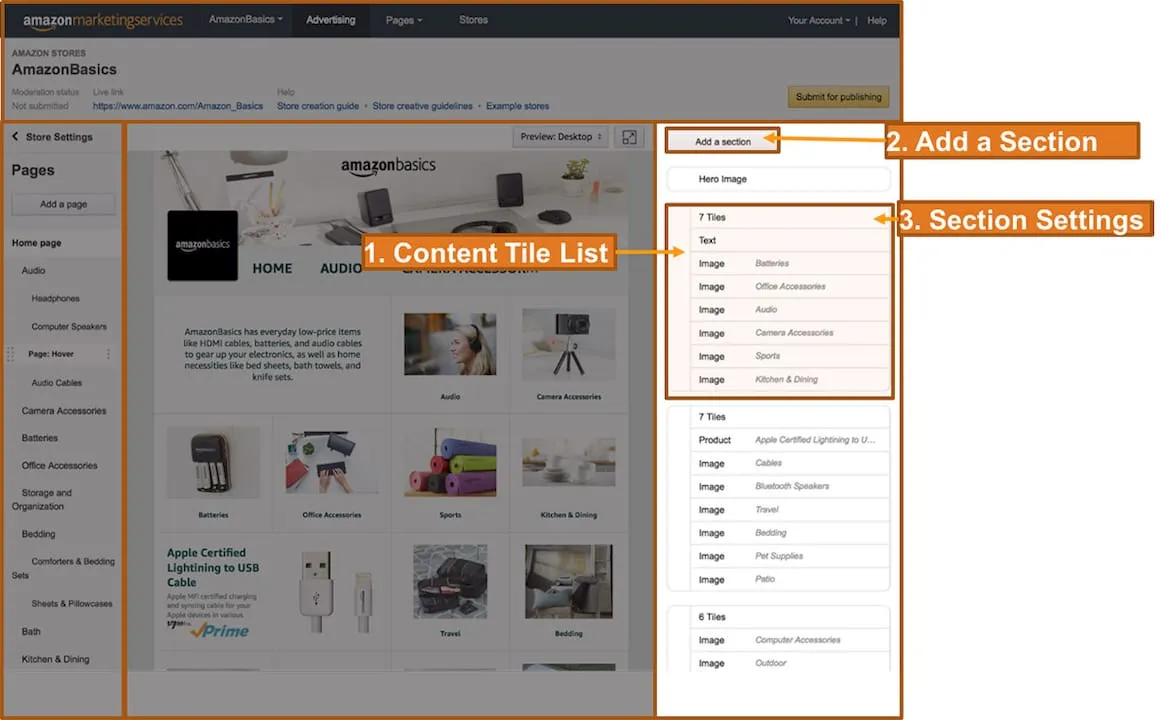
Amazon’s A+ content (Enhanced Brand Content) allows you to add rich media storytelling directly in your listing. Use this space for lifestyle imagery, comparison charts, and detailed product breakdowns. Brands using A+ content see conversion lifts of 20-40% compared to standard listings.
Here’s how Amazon creative asset types impact performance:
Creative Asset TypeMain BenefitTypical Business ImpactProfessional PhotographyClear product visualizationFewer returns, higher trustLifestyle ImageryEmotional customer appealImproved engagement ratesShort Video ClipsQuick product demonstrationIncreased conversionsInfographicsVisual information deliverySimplified complex benefits360-Degree ViewsInteractive explorationReduced purchase hesitationAnimated ExplainersFeature explanation clarityGreater understanding
Don’t overlook the role of creative services in ecommerce success. Professional design, copywriting, and visual assets compound over time as they improve search visibility and customer perception.
Modern design trends matter. Outdated photography or amateur graphics signal lower quality, even if your product is premium. Consistent branding across all assets builds recognition and trust.
Creative assets are not optional extras. They are conversion drivers that directly impact your bottom line and search ranking factors.
Pro tip: Batch your creative production. Schedule one photography session every quarter to capture new angles, seasonal variations, and lifestyle shots. This approach keeps your content fresh without constant production costs.
Step 4: Leverage Data to Refine SEO Performance
Data transforms guesswork into strategy. This step teaches you how to monitor your Amazon SEO performance, identify what’s working, and adjust your tactics based on real customer behavior and search trends.
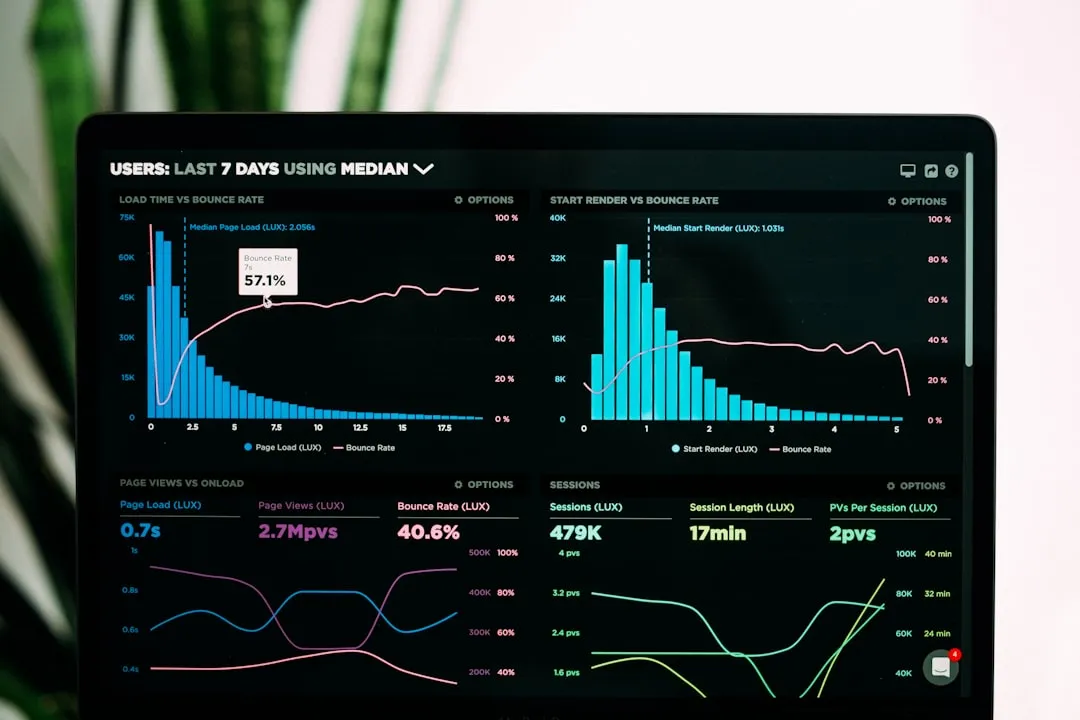
Start by establishing your baseline metrics. Before making changes, document your current position for key metrics. Track search ranking for your top 20 target keywords, conversion rate, click-through rate, and average customer review rating. These numbers become your measurement standard.
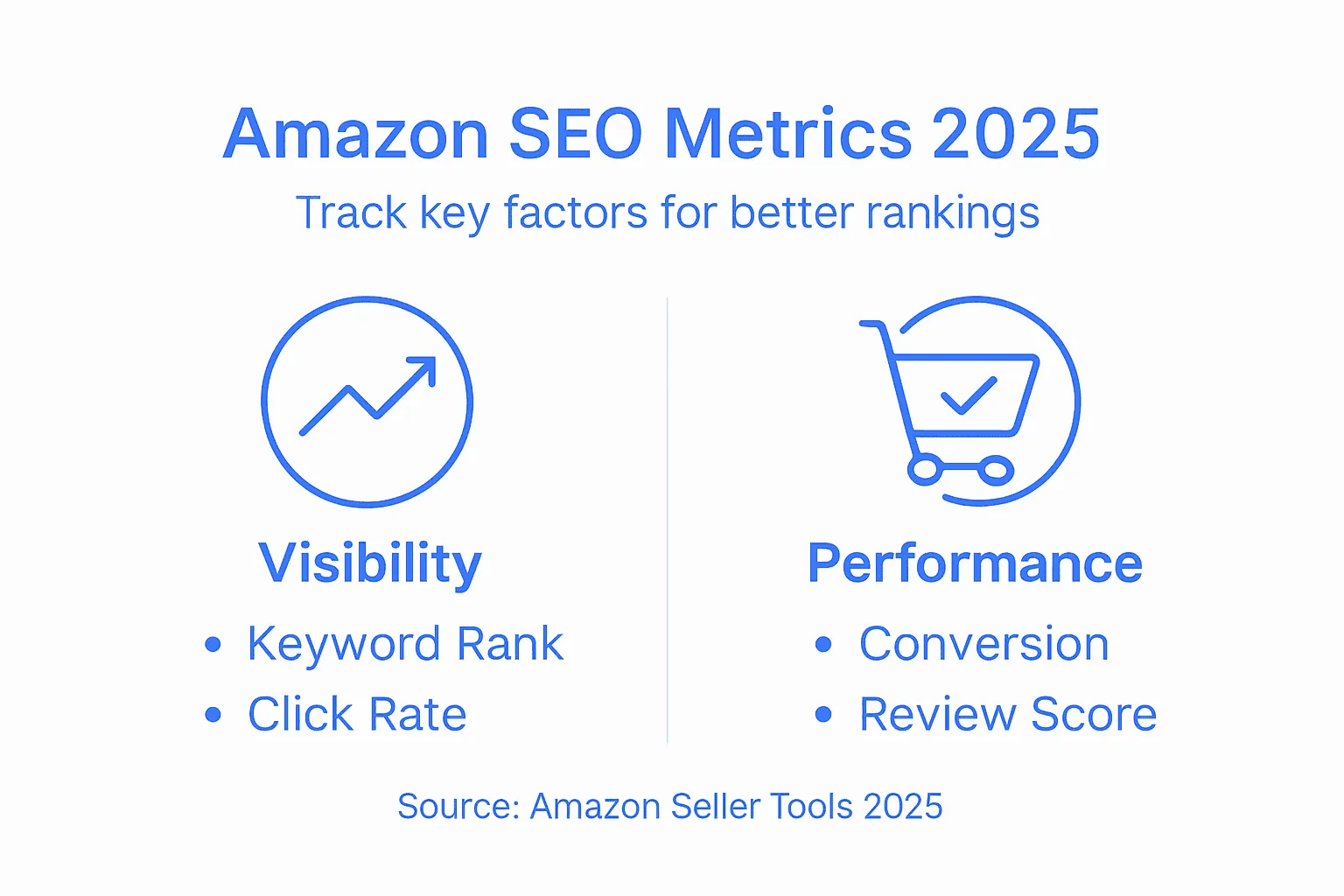
Amazon provides built-in analytics through your seller dashboard. Business reports show search term volume, customer sessions, and conversion rates by keyword. This data reveals which search terms drive traffic and which ones don’t convert. Performing a comprehensive SEO audit helps you understand which technical and content factors impact your visibility most.
Google Analytics and Amazon’s own reporting tools show user behavior patterns. Look for drop-off points where customers leave without buying. High traffic but low conversion suggests your listing copy or images don’t match search intent. Low traffic suggests keyword targeting or ranking issues.
Use leveraging ecommerce data for ROI principles to connect SEO performance to revenue impact. Calculate the revenue generated from each keyword to prioritize your optimization efforts toward high-value searches.
Below is a summary of key Amazon SEO metrics and what they indicate:
Metric NameWhat It ShowsOptimization OpportunityKeyword RankingOrganic search placementAdjust keywords and contentConversion Rate% visitors who buyImprove copy or imagesClick-through Rate% clicks from searchEnhance main image or titleReview RatingCustomer satisfactionAddress quality or experienceReturn RateProduct fit/expectation matchRefine images or descriptionsOrder ValueAverage sale per orderUpsell or bundle products
Adjust based on what the data reveals. If a keyword ranks well but converts poorly, test new bullet points or images. If a keyword has search volume but you rank on page three, strengthen your listing with better keywords and content. If a competitor suddenly ranks above you, audit what changed in their listing.
Testing should be systematic and focused. Change one element at a time so you can measure what actually moved the needle. Batch your changes monthly to allow Amazon’s algorithm time to reflect updates.
Data without action is just noise. The real competitive advantage comes from rapid iteration based on what your metrics reveal.
Pro tip: Set calendar reminders for monthly data reviews and competitive monitoring. Dedicate 2-3 hours each month to analyzing trends, identifying winning keywords, and planning the next round of optimizations.
Unlock Your Amazon Potential with Proven E-Commerce Expertise
Mastering Amazon SEO best practices is crucial for overcoming challenges like stagnant search rankings, poor conversion rates, and ineffective product listings. This article dives into vital concepts like keyword research, competitor analysis, listing optimization, creative asset enhancement, and data-driven performance refinement. If you are striving to close those gaps and eliminate customer uncertainty with compelling product stories and high-impact visuals then a strategic partnership can transform your efforts into real results.
Nectar is uniquely positioned to help you implement these precise strategies. By combining our in-house photography, videography, and design services with advanced data intelligence powered by our iDerive analytics platform, we boost your Amazon visibility and conversion rates. Our fully managed approach works to elevate every element of your listing – from keyword-driven copy to stunning creative assets – while providing ongoing SEO performance insights and competitive monitoring to keep you ahead.
Take control of your Amazon storefront today. Discover how Nectar’s tailored solutions can turn complex SEO best practices into a smooth growth engine with measurable ROI. Learn more about our approach on the Nectar homepage. See how we empower brands to optimize listings effectively by exploring our insights on e-commerce data analysis. Begin your transformation now with a partner who understands the full funnel of Amazon success by visiting https://thinknectar.com.
Start capturing more traffic and converting browsers into loyal customers with Nectar’s expert guidance.

Frequently Asked Questions
What are the key components of Amazon SEO best practices in 2025?
To maximize visibility on Amazon, focus on keyword analysis, optimized product listings, and utilizing advanced creative assets. Start by conducting thorough keyword research to understand customer search behavior and create compelling product descriptions that convert.
How can I conduct keyword analysis effectively for my Amazon listings?
Begin by identifying both direct and indirect competitors, then analyze their product titles, bullet points, and customer reviews for keyword insights. Document recurring keywords and prioritize them based on search volume and customer intent to enhance your listing’s visibility.
What should I include in my product listings to improve conversion rates?
Ensure your product title is keyword-rich and highlights key benefits. Utilize bullet points to address customer concerns and desires clearly, and include high-quality images that portray your product effectively, with a focus on clarity and accessibility.
How can creative assets impact my Amazon SEO performance?
High-quality images, videos, and infographics are essential to differentiate your listing and enhance customer trust. Invest in professional photography and video content, as listings with rich media can see conversion lifts of 20-40% compared to standard listings.
What metrics should I monitor to refine my Amazon SEO strategy?
Track key metrics such as keyword ranking, conversion rate, click-through rate, and customer review ratings. Regularly assess these performance indicators to make informed adjustments to your listings, aiming for systematic improvements every month.
How often should I review my Amazon SEO performance?
Conduct monthly reviews of your SEO performance metrics to identify trends and areas for improvement. Dedicate 2-3 hours each month to analyze your data and adjust your strategy based on customer behavior and competitor movements.
.png)