TL;DR:
- Regular, data-driven listing refreshes prevent organic rank loss and keep products visible across marketplaces. Prioritize high-revenue SKUs for weekly updates, including title rewrites, visual improvements, and pricing adjustments. Optimizing for AI discovery requires clear definitions, structured data, and consistent information across all sales channels.
Refreshing product listings is the deliberate process of updating key product details based on performance data to improve visibility and buyer engagement. E-commerce managers call this practice “listing optimization,” and it covers everything from rewriting titles to synchronizing product data across Amazon, Walmart, and Shopify. Stale listings lose organic rank, bleed conversion rate, and disappear from AI-powered search results. A structured refresh system prevents that decay and keeps your catalog earning at full potential.
How to refresh product listings: what signals tell you it’s time?
A data-driven refresh strategy triggers updates when a listing shows a 15% conversion rate drop over seven days or a complete loss of organic rank for core keywords. That threshold is not arbitrary. A 15% drop in seven days signals that the market has shifted, a competitor has undercut you, or your content no longer matches buyer intent.
Five performance triggers are worth monitoring for every key SKU:
-
Conversion rate decline. A drop of 15% or more over seven days is the clearest signal that your listing is losing relevance.
-
Keyword rank loss. If your primary keywords fall off page one, your organic traffic drops sharply. Pull a search term report and compare it against the previous 30-day period.
-
Search term report gaps. When high-volume search terms appear in your report but generate no sales, your listing copy is not matching buyer language.
-
Market share erosion. If a competitor gains rank on your core terms, your listing needs a content and pricing review.
-
Stale inventory age. Listings with no sales in 60–90 days should enter a full refresh cycle immediately.
Monitoring these five triggers takes roughly 30 minutes per ASIN each month. That time investment is small relative to the revenue impact of catching a declining listing early.
Pro Tip: Schedule a Monday morning audit for your top 20 revenue-generating SKUs. Reviewing these first means you catch the highest-impact problems before they compound through the week.

What is the step-by-step workflow for updating product listings?
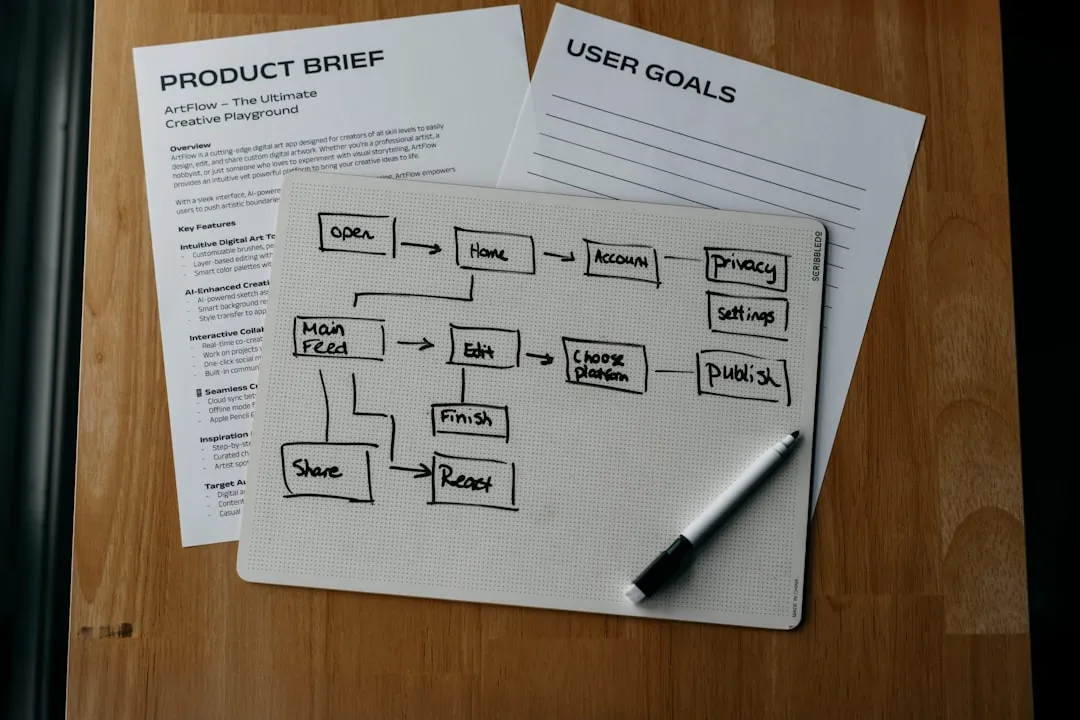
A standardized five-step refresh workflow applied on a weekly cycle is the most reliable method for improving stale listings. Each step targets a specific layer of the listing, so nothing gets missed.
-
Rewrite the title. Your title carries the most indexing weight on every major marketplace. Lead with the brand name, primary keyword, and the single most important product attribute. Keep it under 200 characters on Amazon and front-load the terms buyers actually search.
-
Update item specifics and attributes. Incomplete item specifics are one of the most overlooked causes of poor visibility. Fill every required and recommended field. On Amazon, this means updating the backend keywords and product type. On eBay and Walmart, it means completing every category-specific attribute. Buyers and algorithms both rely on this structured data.
-
Improve photography and visual presentation. Visuals drive conversion more directly than any other listing element. Replace low-resolution images with high-quality shots that show the product in use, include scale references, and cover all key angles. Video content on the main image carousel increases time-on-page and purchase confidence. Nectar’s in-house creative studio handles this end to end for brands that need production-grade assets without managing a separate vendor.
-
Adjust pricing using recent market data. Pull the last 30 days of sales data and compare your price against the current buy box range. Pricing that sits more than 5% above the market median without a clear differentiation story will suppress conversion. Adjust in line with your margin floor, not just the competitive floor.
-
Refine product categories and descriptions. Miscategorized listings lose visibility in browse and search filters. Verify your node selection against the best-selling products in your target category. Then rewrite your description and bullet points to lead with the primary benefit, not the feature list.
Pro Tip: Batch your updates by category rather than by brand. Listings in the same category share indexing patterns, so refreshing them together lets you test copy changes against a consistent competitive set.
How does AI-driven search change how you optimize listing content?
AI-powered search tools, including ChatGPT, Perplexity, and Google’s AI Overviews, now surface product recommendations directly in conversation. To appear in those results, your product detail page intro must contain a clear, citable statement of product type, audience, and key facts within the first 150 words. Think of it as writing a definition, not a sales pitch.
Several technical and content factors determine whether AI systems can find and cite your listings:
-
JSON-LD structured data. Structured data markup is the highest-leverage technical fix for AI discovery. It tells crawlers exactly what your product is, who makes it, and what it costs, without requiring them to interpret your prose.
-
Entity clarity through consistent naming. Keyword stuffing harms listing quality. Use your exact brand name and product name consistently across every page, feed, and marketplace. Inconsistent naming confuses search algorithms and reduces the chance your product gets correctly resolved in AI results.
-
Crawl permissions. AI visibility failures often stem from robots.txt files that block key AI bots. Audit your robots.txt to confirm that major crawlers have access to your product pages.
-
Cross-channel data synchronization. Conflicting product data across your product pages, feeds, and marketplace listings erodes both shopper and algorithm trust. Every source must show the same title, price, and attributes. Fragmented data signals unreliability to AI systems and reduces your discoverability.
The role of generative AI in e-commerce is expanding fast. Brands that build AI-readable listings now will hold a structural advantage as AI-driven discovery replaces traditional search for a growing share of buyers.
Pro Tip: Write your first product paragraph as if answering the question “What is this product and who is it for?” That framing naturally produces the citable copy AI systems prefer.
What operational best practices prevent common refresh mistakes?
The most costly mistake in listing management is treating a refresh as a one-time fix rather than an ongoing operational loop. Visibility tracking across AI referral sources and search metrics must run continuously, not just when sales drop.
Several operational principles separate high-performing refresh programs from reactive ones:
-
Soft refresh before hard refresh. A soft refresh updates listing content in place, preserving your review history, sales rank, and indexing data. A hard refresh, which means relisting the product entirely, resets that history and causes a temporary rank loss. Use a hard refresh only when a listing has a critical structural error, such as an incorrect category or a duplicated SKU.
-
Prioritize by revenue, not by volume. Refreshing listings in bulk without prioritizing top-revenue SKUs dilutes your effort. Audit your highest-revenue products first. Apply mass updates only after your top performers are fully optimized.
-
Use batch tools within their limits. On eBay, bulk editing handles up to 200 items per batch for price and quantity changes. Descriptions and photos typically require individual updates or CSV imports with careful validation. Batch processes during peak platform hours can take 15–30 minutes, so plan accordingly.
-
Maintain data integrity across channels. A listing optimization checklist covering Amazon, Walmart, and Shopify helps teams apply consistent standards without relying on memory or ad hoc judgment.
-
Track refresh outcomes. Log every update with a date and the specific change made. Compare conversion rate and rank data 14 days after each refresh. That record tells you which changes move the needle and how often each SKU type needs attention.
Pro Tip: Create a shared refresh log in a spreadsheet with columns for SKU, change type, date, and post-refresh conversion rate. After three months, you will have a clear picture of which update types deliver the fastest return.
Key Takeaways
Refreshing product listings on a data-driven schedule, starting with your highest-revenue SKUs, is the most direct path to sustained visibility and conversion improvement across every major marketplace.
Point: Monitor five triggers
Check conversion rate, keyword rank, search term gaps, market share, and inventory age monthly to know exactly when a listing needs work.
Point: Follow a five-step workflow
Rewrite titles, update item specifics, improve visuals, adjust pricing, and refine categories in that order for every listing that enters a refresh cycle.

Point: Optimize for AI discovery
Place a clear product definition within the first 150 words, add JSON-LD markup, and synchronize data across all channels so AI systems can find and cite your listings.
Point: Soft refresh first
Preserve listing history by updating in place whenever possible. Reserve hard refreshes for listings with critical structural errors only.
Point: Prioritize, then scale
Audit top-revenue SKUs first. Apply batch tools only after your highest-impact listings are fully optimized to avoid diluting your effort.
The refresh cadence most brands get wrong
Most e-commerce teams treat listing updates as a quarterly project. That cadence made sense when search algorithms updated slowly. It does not hold up when AI-powered discovery tools index and re-rank products in near real time.
What I have seen across brands on Amazon, Walmart, and Shopify is that the teams with the best visibility are not the ones with the most creative listings. They are the ones with the most consistent data. A listing with clean, synchronized attributes and a clear first paragraph outperforms a beautifully written listing with conflicting data across channels, every time.
The other thing most teams underestimate is the cost of the hard refresh reflex. When a listing underperforms, the instinct is to relist it and start fresh. That resets months of review accumulation and sales history, which are signals that marketplaces use to determine rank. A targeted soft refresh, changing the title and updating the backend keywords, almost always recovers performance faster than starting over.
The brands I have watched scale most efficiently treat their product data as infrastructure. They build refresh workflows into their weekly operations, not their quarterly planning cycles. That shift in cadence is where the real competitive advantage lives.
— Dan Katona
How Nectar helps brands keep listings performing at their peak
Listing performance is not a set-and-forget problem. It requires continuous monitoring, structured workflows, and creative assets that convert.
Nectar manages the full refresh cycle for mid-market and enterprise brands across Amazon, Walmart, and Shopify. The agency’s iDerive analytics platform tracks the performance triggers that signal when a listing needs attention, and Nectar’s in-house creative team produces the photography, video, and copy that make updates count. For brands that want to improve product visibility without building an internal optimization team, Nectar’s Amazon growth services offer a fully managed path from underperforming catalog to high-converting storefront.
FAQ
What does it mean to refresh a product listing?
Refreshing a product listing means updating its title, attributes, images, pricing, and category data based on current performance signals. The goal is to recover lost visibility and improve conversion rate.
How often should you update product listings?
High-revenue SKUs should be reviewed monthly using five performance triggers: conversion rate, keyword rank, search term gaps, market share, and inventory age. Listings with no sales in 60–90 days need an immediate full refresh.
What is the difference between a soft and hard refresh?
A soft refresh updates listing content in place and preserves sales history and ranking data. A hard refresh relists the product entirely and resets that history. Use a hard refresh only for listings with critical structural errors.
How do you optimize a listing for AI search results?
Write a clear product definition within the first 150 words of your product detail page, add JSON-LD structured data markup, and synchronize all product data across every channel. Consistent naming and crawl permissions are also required for AI visibility.
Should you refresh all listings at once?
Bulk updates without prioritization dilute your effort. Audit and refresh your highest-revenue SKUs first, then apply batch workflows to the broader catalog once your top performers are fully optimized.
Recommended


































































.webp)