{
"@type": "Article",
"image": {
"url": "https://csuxjmfbwmkxiegfpljm.supabase.co/storage/v1/object/public/blog-images/organization-10884/1773971935570_Marketer-reviews-ecommerce-funnel-on-monitor.jpeg",
"@type": "ImageObject",
"caption": "Marketer reviews ecommerce funnel on monitor"
},
"author": {
"url": "https://thinknectar.com",
"name": "Thinknectar",
"@type": "Organization"
},
"@context": "https://schema.org",
"headline": "Full funnel marketing checklist for e-commerce growth in 2026",
"publisher": {
"url": "https://thinknectar.com",
"name": "Thinknectar",
"@type": "Organization"
},
"inLanguage": "en-US",
"description": "Discover the complete full funnel marketing checklist for e-commerce brands in 2026. Optimize awareness, consideration, and conversion stages to drive profitable growth and maximize ROI with proven strategies.",
"datePublished": "2026-03-20T01:58:57.066Z"
}
Full funnel marketing checklist for e-commerce growth in 2026
.webp)

Managing full funnel marketing for e-commerce is a complex challenge that many brands struggle to master. From attracting initial awareness to closing conversions, each funnel stage requires distinct strategies, tools, and metrics that must work together seamlessly. Mid-sized to enterprise e-commerce brands often find themselves balancing competing priorities across awareness, consideration, and conversion tactics while trying to maximize ROI. This comprehensive checklist provides actionable frameworks to optimize each stage of your marketing funnel, helping you drive profitable growth and increase market share in 2026.
Key takeaways
| Point | Details |
|---|---|
| Full funnel structure | A complete funnel addresses awareness, consideration, and conversion stages with distinct tactics for each |
| Stage-specific metrics | Each funnel stage requires unique KPIs and tools aligned to business goals and ROI targets |
| Continuous optimization | Regular A/B testing and data analysis drive ongoing performance improvements across all stages |
| Integrated approach | Combining content, advertising, and retargeting creates seamless customer experiences that maximize conversions |
Setting criteria for an effective full funnel marketing
Before diving into specific tactics, you need clear criteria to evaluate your full funnel marketing strategy. Start by identifying your primary business goals, whether you prioritize conversion rate improvements, revenue growth, or brand awareness expansion. These objectives shape every decision you make about tools, tactics, and budget allocation.
Data-driven KPIs form the foundation of effective evaluation. Performance metrics like conversion rate and ROI provide quantifiable benchmarks for success. Focus on metrics that directly connect to revenue impact, such as Cost Per Acquisition (CPA) and Return on Ad Spend (ROAS). These numbers tell you whether your marketing investments generate profitable returns.
Consider these essential criteria when building your full funnel strategy:
- Customer journey coverage from initial awareness through final purchase
- Tool integration capabilities across all funnel stages for seamless data flow
- Budget allocation that balances investment across awareness, consideration, and conversion
- Scalability to support growth as your brand expands
- Performance tracking systems that provide real-time insights
Your evaluation framework should also account for how well different tactics and platforms work together. Disjointed strategies create friction in the customer experience, leading to drop-offs and lost revenue. Integration ensures that awareness campaigns feed consideration tactics, which then support conversion efforts in a coordinated flow.
Full funnel checklist: Awareness stage essentials
The awareness stage builds your brand’s visibility and attracts qualified traffic to your storefronts. This top-of-funnel work creates the foundation for all downstream conversions, making it critical to get right from the start.

Begin by defining precise target audience segments using data analytics. Generic targeting wastes budget on unqualified traffic that never converts. Instead, analyze demographic data, purchase behaviors, and psychographic profiles to identify your ideal customers. This precision targeting ensures your awareness campaigns reach people most likely to engage with your brand.
Sponsored ads campaigns on platforms like Amazon and social media channels drive initial discovery. These paid placements put your products in front of shoppers actively searching for solutions you provide. Focus on compelling ad creative that communicates your unique value proposition within seconds.
Create on-brand content that builds trust and establishes authority in your category. Educational blog posts, product comparison guides, and category expertise content position your brand as a helpful resource rather than just another seller. This content marketing approach generates organic traffic while supporting paid campaigns.
Track impressions, reach, and engagement metrics to measure awareness effectiveness. These indicators show how many potential customers see your brand and how they interact with your content. High impression counts with low engagement signal creative or messaging problems that need fixing.
Pro Tip: Use lookalike audiences to expand reach efficiently by targeting users who share characteristics with your best existing customers, maximizing the relevance of every awareness dollar spent.
Full funnel checklist: Consideration stage strategies
The consideration stage nurtures initial interest into genuine purchase intent. Shoppers at this stage know about your brand but need additional convincing before they commit to buying. Your tactics here focus on building preference and addressing objections.
Set up remarketing campaigns targeting visitors who viewed products but didn’t purchase. These users already demonstrated interest, making them high-value prospects for conversion. Remarketing keeps your brand top of mind while they evaluate options, dramatically improving conversion likelihood.
Implement these proven consideration tactics:
- Deploy email marketing sequences that deliver personalized product recommendations based on browsing behavior
- Create comparison content showing how your products outperform competitor alternatives
- Showcase customer reviews and testimonials that build social proof and credibility
- Offer educational resources like buying guides that help shoppers make informed decisions
- Use dynamic product ads that display specific items users previously viewed
A/B testing on landing pages optimizes messaging, layout, and calls to action for maximum engagement. Test one variable at a time to isolate what drives improvements. Small changes in headline copy or button placement can generate significant conversion lifts.
Monitor engagement KPIs including click-through rates, time on page, and bounce rates. These metrics reveal how effectively your consideration content moves shoppers toward purchase. High bounce rates indicate messaging misalignment or poor user experience that requires immediate attention.
| Platform | Best For | Key Advantage | Cost Structure | | — | — | — | | Google Ads | Search intent remarketing | Captures high-intent shoppers actively searching | Pay per click with bid optimization | | Facebook Ads | Social engagement remarketing | Advanced audience targeting and lookalikes | Flexible budgets with impression or click pricing | | Amazon DSP | Cross-platform display remarketing | Reaches Amazon shoppers across the web | Minimum spend requirements for enterprise brands |
Pro Tip: Segment remarketing audiences by engagement level, showing different messages to cart abandoners versus casual browsers to maximize relevance and conversion rates.
Full funnel checklist: Conversion stage tactics
The conversion stage transforms qualified prospects into paying customers. Every element of this final funnel stage must eliminate friction and create urgency that drives immediate action.
Streamline your checkout process by removing unnecessary form fields and offering guest checkout options. Each additional step in the purchase flow creates opportunities for abandonment. Simplify ruthlessly, asking only for information absolutely required to complete the transaction.
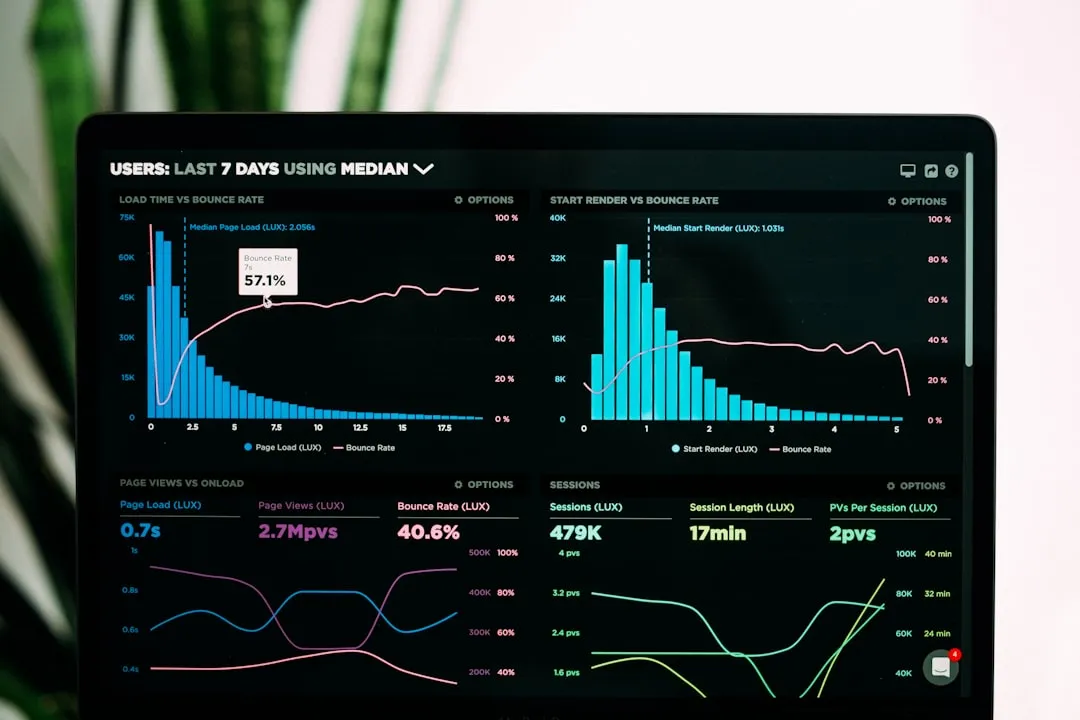
Real-time data dashboards monitoring conversion funnels reveal exactly where shoppers drop off. This visibility lets you identify and fix bottlenecks quickly. If 40% of users abandon at shipping cost reveal, you know pricing transparency needs improvement.
Implement strategic incentives that create urgency without training customers to wait for discounts:
- Limited-time offers with clear countdown timers
- Free shipping thresholds that encourage larger cart sizes
- Bundle deals that increase average order value
- First-purchase discounts for new customer acquisition
- Loyalty program points that reward immediate action
Follow up with post-purchase engagement that encourages reviews and repeat business. The conversion doesn’t end at checkout. Request product reviews, offer complementary product recommendations, and nurture customer relationships through email sequences that drive lifetime value.
| Tool | Primary Function | Integration Capability | Pricing Model | | — | — | — | | Shopify Checkout | Native e-commerce checkout | Seamless with Shopify ecosystem | Included in platform fees | | Klaviyo | Post-purchase email automation | Integrates with major platforms | Tiered by contact volume | | Optimizely | Checkout A/B testing | Works across platforms | Enterprise custom pricing | | Google Analytics 4 | Conversion funnel tracking | Universal web analytics | Free with premium options |
Comparing full funnel tools and platforms: choosing the best fit
Selecting the right tools accelerates your full funnel marketing success. The platform landscape offers numerous options, each with distinct strengths and limitations. Your choice should align with brand size, budget constraints, and specific marketing objectives.
| Platform | Funnel Coverage | Ease of Use | Integration Options | Cost Range | | — | — | — | — | | Amazon Advertising | Full funnel with emphasis on conversion | Moderate learning curve | Amazon ecosystem focused | Percentage of ad spend | | Google Marketing Platform | Complete awareness to conversion | Complex but powerful | Extensive third-party integrations | Variable by product bundle | | Meta Business Suite | Strong awareness and consideration | User-friendly interface | Social platform integrations | Flexible budget allocation | | HubSpot | Full funnel with CRM integration | Intuitive for marketers | Broad integration marketplace | Tiered subscription model |
Evaluate platforms based on how well they cover your specific funnel needs. Brands selling primarily on Amazon benefit from tools specialized for that ecosystem, while multi-channel sellers need broader integration capabilities. Consider whether you need all-in-one solutions or prefer best-of-breed tools for each funnel stage.
Budget considerations extend beyond initial platform costs. Factor in implementation time, training requirements, and ongoing management needs. Enterprise solutions offer advanced features but require dedicated resources to maximize value. Smaller brands may find mid-tier platforms provide sufficient functionality at lower total cost of ownership.
Pro Tip: Pilot test platforms on small campaigns before full rollout to validate performance and identify integration challenges without risking major budget, reducing implementation risk significantly.
Optimize your full funnel marketing with expert support
Implementing a comprehensive full funnel strategy requires specialized expertise and ongoing optimization. Nectar delivers tailored services that help e-commerce brands scale profitably across Amazon, Walmart, and Shopify. Our proprietary iDerive analytics platform provides the granular insights needed to optimize every funnel stage for maximum ROI.
Our case studies demonstrate proven results. We transformed Souper Cubes’ Shopify presence with strategic full funnel optimization that dramatically increased conversions. Similarly, our work building the perfect shopping experience shows how integrated creative and advertising strategies drive profitable growth. Contact Nectar to explore customized solutions that accelerate your full funnel marketing performance.
What is a full funnel marketing checklist?
A full funnel marketing checklist is a comprehensive guide covering strategies, tools, and tactics for optimizing all stages of the customer journey from awareness through conversion. It provides actionable frameworks that help e-commerce marketers systematically improve performance at each funnel stage. The checklist format ensures nothing gets overlooked while implementing coordinated campaigns that work together seamlessly.
How can I measure success at each funnel stage?
Use stage-specific KPIs that align with the objectives of each funnel level. Track impressions and reach for awareness campaigns, engagement rates and click-throughs for consideration efforts, and conversion rate plus revenue for bottom-funnel tactics. Calculate overall performance metrics including ROI, Cost Per Acquisition, and customer lifetime value to understand total funnel effectiveness. Regular measurement reveals optimization opportunities and validates your marketing investments.
Which platforms work best for full funnel marketing?
Choose platforms that integrate advertising, analytics, and remarketing capabilities across all funnel stages. Amazon Advertising excels for brands focused on marketplace selling, while Google and Meta platforms provide broader reach for multi-channel strategies. Consider your brand size and budget when selecting solutions, as enterprise platforms offer advanced features but require larger investments. Review current ecommerce marketing platform options to identify scalable solutions matching your growth stage.
How often should I update my full funnel marketing strategy?
Review and adjust your strategy monthly or quarterly based on performance data and market changes. Use A/B testing results, customer feedback, and competitive intelligence to refine targeting, messaging, and budget allocation continuously. Seasonal fluctuations and promotional calendars may require more frequent tactical adjustments while maintaining consistent strategic direction. Regular optimization ensures your full funnel marketing stays effective as customer behaviors and platform capabilities evolve.
Recommended
- Nectar Blog | 7 Top 2025 Ecommerce Marketing Tips for Brand Growth
- Nectar Blog | Brand Growth Strategy Steps 2026: Boost Sales 25% Faster
- Nectar Blog | How to Leverage Ecommerce Data for Higher ROI in 2026
- Nectar Blog | What is omnichannel ecommerce? A 2026 guide for growth
- 7 βασικά βήματα στο marketing checklist για επιχειρήσεις - maverix.gr
- E-commerce logistiek optimaliseren voor internationaal succes 2026 – Send with Parcel International


























































.webp)