{
"@type": "Article",
"image": {
"url": "https://csuxjmfbwmkxiegfpljm.supabase.co/storage/v1/object/public/blog-images/organization-10884/1772517419271_image.png",
"@type": "ImageObject",
"caption": "Team reviewing ecommerce platform choices"
},
"author": {
"url": "https://thinknectar.com",
"name": "Thinknectar",
"@type": "Organization"
},
"@context": "https://schema.org",
"headline": "Ecommerce Platforms 2026: 28% Growth Drives Selection",
"publisher": {
"url": "https://thinknectar.com",
"name": "Thinknectar",
"@type": "Organization"
},
"inLanguage": "en-US",
"articleBody": "Compare ecommerce platforms for 2026: SaaS vs marketplace fees, scalability, and control. Data-driven insights for mid-sized and enterprise U.S. brands seeking profitable growth.",
"description": "Compare ecommerce platforms for 2026: SaaS vs marketplace fees, scalability, and control. Data-driven insights for mid-sized and enterprise U.S. brands seeking profitable growth.",
"datePublished": "2026-03-03T05:57:05.374Z"
}
Ecommerce Platforms 2026: 28% Growth Drives Selection
.webp)

Choosing the wrong ecommerce platform can silently drain up to 7% of monthly revenue in fees, a cost that compounds every quarter. Mid-sized and enterprise U.S. brands face a critical decision: embrace marketplaces like Amazon for massive reach, or leverage SaaS platforms for brand control. Transaction fees and platform commissions can consume 3-7% of revenues, significantly impacting profitability. This article delivers a clear framework and data-driven insights to help you select the platform that maximizes growth without bleeding margin.
Key Takeaways
PointDetailsFee ImpactPlatform fees directly affect profitability, requiring careful evaluation of transaction, subscription, and commission structures.SaaS ScalabilityPlatforms like Shopify offer manageable fees and scalability, ideal for growing mid-sized and enterprise brands.Marketplace TradeoffsAmazon and Walmart provide expansive reach but charge higher referral costs and limit brand control.Customization NeedsOpen-source platforms excel in customization but demand technical resources and development expertise.Strategic AlignmentMatch platform selection to brand size, catalog complexity, and long-term growth objectives.
How to Choose the Right Ecommerce Platform: Key Selection Criteria
Selecting an ecommerce platform requires evaluating several foundational factors that directly affect your operational efficiency and bottom line. Transaction fees significantly affect net profitability, making fee structure the most critical evaluation factor. Understanding these criteria helps you frame the platform analyses that follow.
Fee structures vary dramatically across platforms. SaaS models charge monthly subscriptions plus payment processing fees, while marketplaces levy percentage-based commissions on every sale. A brand generating $500,000 monthly on Amazon with 15% referral fees pays $75,000 just in platform costs.

Scalability ensures your platform handles growth without performance degradation. Mid-sized brands expanding product catalogs need systems that support thousands of SKUs, international expansion, and traffic spikes during peak seasons. Your platform should grow with you, not constrain you.
Customization and technical control separate commodity sellers from brand builders. SaaS platforms offer moderate customization through apps and themes, while open-source solutions provide complete code-level control. The right balance depends on your brand differentiation strategy and why ecommerce partners matter in executing complex implementations.
Multi-channel integrations extend your sales reach efficiently. Platforms that connect seamlessly with Amazon, Walmart, social commerce, and retail point-of-sale systems create unified inventory management and customer experiences across channels.
Ease of use and vendor support reduce operational friction. Your team needs intuitive interfaces, comprehensive documentation, and responsive support to minimize downtime and training costs. Enterprise brands especially benefit from dedicated account management and priority technical assistance.
Advanced features like headless commerce architecture, B2B portals, and subscription management future-proof your infrastructure. These capabilities support emerging business models and complex enterprise requirements beyond basic transactional selling.
Pro Tip: Create a weighted scorecard for these criteria based on your brand’s priorities. Assign point values to fee impact, scalability needs, and customization requirements to quantify platform fit objectively.
Shopify: Best Overall SaaS Platform
Shopify dominates the SaaS ecommerce landscape with flexible pricing and robust scalability. Plans range from $5/month for Starter to $299/month for Advanced, though Shopify Basic charges up to 2% transaction fees when not using Shopify Payments, which can add thousands annually on mid-sized revenues.
The platform processed over $200 billion in GMV in 2025 with 28% merchant base growth year-over-year, demonstrating strong scalability. This massive growth reflects Shopify’s ability to support brands from launch through enterprise scale without platform migration.
Shopify’s app ecosystem exceeds 8,000 integrations, covering everything from inventory management to advanced SEO tools. You can customize storefronts extensively without touching code, making it accessible for marketing teams while still powerful for developers. The built-in blogging platform and SEO features help brands drive organic traffic independently.
For enterprise operations, Shopify Plus offers enterprise-grade features including headless commerce, wholesale channels, and advanced automation for brands earning over $1 million annually. The Plus tier removes transaction fees entirely and provides dedicated account management, critical for brands managing complex operations.
Transaction fees represent the main profitability consideration. A brand processing $100,000 monthly through third-party gateways pays $2,000 annually in fees on the Basic plan alone. Shopify Payments eliminates these fees but limits gateway flexibility in certain markets.
The platform’s usability makes it ideal for scaling mid-sized brands that need sophisticated features without enterprise-level technical overhead. You can launch quickly, test market fit, and scale operations as revenue grows. Integration with agency partners in ecommerce success further accelerates growth through expert optimization.
Pro Tip: Calculate your break-even point between plan tiers by comparing monthly subscription increases against transaction fee savings. Many brands overpay by staying on Basic when Advanced would cost less overall.
Amazon Marketplace: High Reach and High Fees
Amazon Marketplace provides unmatched access to the largest online consumer base in the United States, with over 310 million active customer accounts. This built-in traffic eliminates the cold-start problem that plagues independent storefronts, letting you generate sales from day one.
The cost of this reach is substantial. Amazon charges referral fees ranging from 6% to 20% depending on product category, plus additional fulfillment costs for FBA services. Electronics face 8% fees, while jewelry can hit 20%. A brand selling $50,000 monthly in apparel at 17% referral fees pays $8,500 just in commissions.
Fulfillment by Amazon (FBA) adds convenience but increases costs further. Storage fees, pick and pack charges, and long-term storage penalties compound. However, FBA eligibility for Prime significantly boosts conversion rates and buy box competitiveness, often justifying the expense.
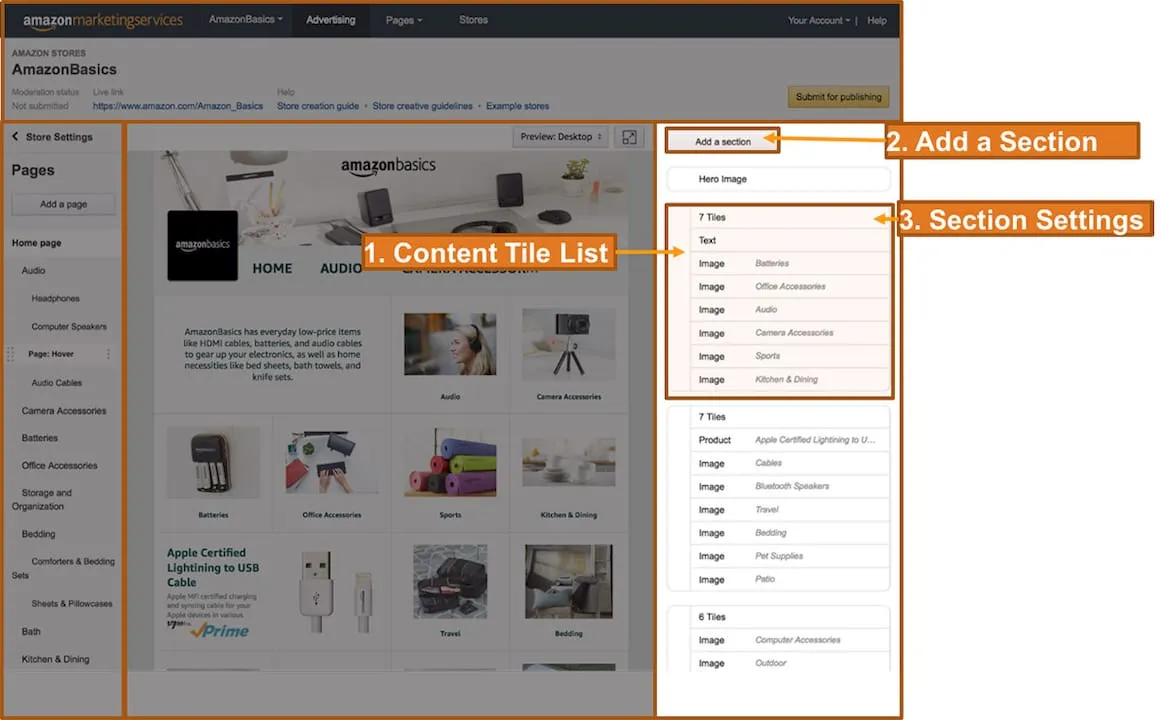
The marketplace model fundamentally limits brand control. You operate within Amazon’s ecosystem, following their policies, listing requirements, and customer service standards. Direct customer relationships remain restricted, with Amazon controlling buyer data and communication. Building an Amazon Brand Store overview helps differentiate within these constraints.
Customization options are minimal compared to owned storefronts. Product detail pages follow standardized templates, and brand storytelling happens primarily through enhanced content modules. You sacrifice creative freedom for access to high-intent buyers actively searching for products like yours.
Despite high fees, Amazon’s volume potential can offset margin erosion for many brands. The platform excels for products with strong differentiation, healthy margins, and categories where Amazon dominates search behavior. Brands must model profitability carefully, accounting for Amazon referral fees and costs against projected volume increases.
Comparison: Marketplace vs SaaS Platforms
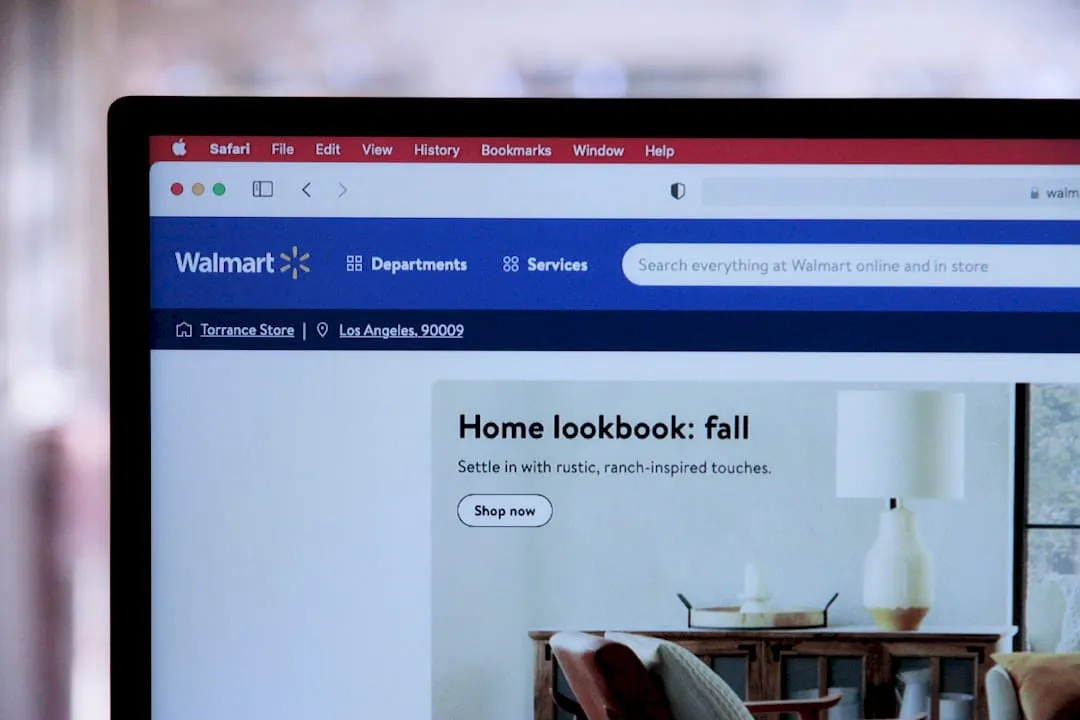
The marketplace versus SaaS decision fundamentally shapes your business model, profitability, and growth trajectory. Marketplace fees typically consume 6%-20% commission, while SaaS platforms charge subscription fees plus payment gateway fees with different impact on net profits.
FactorMarketplace (Amazon/Walmart)SaaS (Shopify/BigCommerce)Fee Structure6%-20% commission per sale$29-$299/month + 2.4%-2.9% processingTraffic SourceBuilt-in buyer trafficMust generate own traffic via SEO/adsBrand ControlLimited, follows marketplace rulesComplete control over design and UXCustomer DataRestricted access to buyer dataFull ownership of customer informationCustomizationMinimal, template-basedExtensive, theme and code levelLogisticsOptional FBA with feesSelf-managed or third-party fulfillmentSEO OpportunityInternal search optimization onlyFull organic search and content marketingStartup SpeedImmediate sales potentialRequires marketing ramp-up period
Marketplaces provide instant access to millions of active shoppers searching with purchase intent. You bypass the expensive customer acquisition phase that challenges new storefronts. However, commission fees compound with every sale, creating ongoing margin pressure that never decreases.
SaaS platforms require upfront investment in traffic generation through paid advertising, SEO, and content marketing. You own the customer relationship, building email lists and remarketing audiences that compound in value over time. This ownership enables sophisticated retention marketing and higher lifetime value.
Customization capabilities differ dramatically. SaaS platforms let you build unique brand experiences, implement conversion optimization tests, and create content-rich environments that educate buyers. Marketplaces standardize listings, limiting differentiation to product features, images, and enhanced content modules.
Brands increasingly adopt hybrid approaches, using marketplaces for volume and discovery while building owned SaaS storefronts for margin and loyalty. This strategy requires robust end-to-end ecommerce management to synchronize inventory, pricing, and fulfillment across channels without creating operational chaos.
The profitability equation depends on your product margins and volume. High-margin products absorb marketplace fees more easily, while commodity items with thin margins struggle. Calculate net profit after all fees, not just gross revenue, to understand true platform economics.
Situational Recommendations: Choosing the Right Platform for Your Brand
Your ideal platform depends on specific brand characteristics, operational capabilities, and strategic priorities. These recommendations translate platform comparisons into actionable decisions.
Most successful mid-sized and enterprise brands eventually operate across multiple platforms, using each for its strategic strengths. This requires robust operational systems and often benefits from enterprise ecommerce partner guidance to avoid inventory and pricing disconnects.
Discover Expert Ecommerce Solutions with Nectar
Selecting the right platform is just the beginning. Maximizing its potential requires strategic implementation, ongoing optimization, and sophisticated performance analytics.
Nectar specializes in ecommerce growth services tailored to mid-sized and enterprise brands operating across Amazon, Walmart, and Shopify. Our team combines high-impact creative services with data-driven advertising strategies to transform platform presence into profitable growth. Whether you need marketplace optimization, Shopify development, or multi-channel orchestration, we deliver results.
Our proprietary iDerive analytics platform provides the granular insights you need to make informed platform decisions and measure true ROI across channels. We help brands navigate complex platform economics, optimize fee structures, and scale smarter. Understanding the role of agency partners in ecommerce success can accelerate your growth trajectory significantly, turning platform selection into competitive advantage.
Frequently Asked Questions
What are the biggest hidden costs when choosing an ecommerce platform?
Transaction fees often surprise brands, especially when processing payments through third-party gateways on SaaS platforms. Theme and app subscriptions accumulate quickly, with many Shopify stores spending $200-500 monthly on essential integrations. Development costs for customization can reach thousands for even modest changes on platforms marketed as user-friendly.
How do marketplaces impact brand control compared to SaaS platforms?
Marketplaces restrict your ability to customize presentation, control pricing visibility, and own customer relationships directly. Amazon can change policies, suspend listings, or promote competitors on your product pages. SaaS platforms give you complete control over design, messaging, customer data, and the entire buyer journey without platform interference.
What technical skills are required to manage open-source platforms like WooCommerce?
You need PHP development knowledge for customizations, database management skills for performance optimization, and server administration capabilities for hosting and security. Most brands hire dedicated developers or agencies rather than managing WordPress and WooCommerce internally. Budget at least 20-40 hours monthly for maintenance, updates, and troubleshooting.
Can SaaS platforms handle complex product catalogs and B2B features?
Modern SaaS platforms like Shopify Plus and BigCommerce support thousands of SKUs, custom pricing tiers, quote systems, and wholesale portals. BigCommerce includes native B2B functionality, while Shopify requires apps for full B2B capabilities. Both handle complex catalogs efficiently, though very large inventories may benefit from headless architectures for performance.
How does headless commerce benefit enterprise brands?
Headless architecture separates your storefront presentation from backend commerce logic, enabling faster page loads, custom frontend frameworks, and omnichannel experiences. You can deliver content through mobile apps, IoT devices, or voice interfaces while maintaining centralized inventory and order management. This flexibility supports innovative customer experiences that differentiate premium brands. Leveraging ecommerce data for ROI becomes more sophisticated with headless implementations.











.png)