{
"@type": "Article",
"image": {
"url": "https://csuxjmfbwmkxiegfpljm.supabase.co/storage/v1/object/public/blog-images/organization-10884/1772680200146_image.png",
"@type": "ImageObject",
"caption": "Ecommerce manager analyzes lead generation report"
},
"author": {
"url": "https://thinknectar.com",
"name": "Thinknectar",
"@type": "Organization"
},
"@context": "https://schema.org",
"headline": "Ecommerce lead generation tips 2026: 3x leads & 43% ROI",
"publisher": {
"url": "https://thinknectar.com",
"name": "Thinknectar",
"@type": "Organization"
},
"inLanguage": "en-US",
"articleBody": "Discover proven ecommerce lead generation tips for 2026 that deliver 3x more qualified leads and 43% better ROI through multichannel strategies, personalization, and data-driven advertising.",
"description": "Discover proven ecommerce lead generation tips for 2026 that deliver 3x more qualified leads and 43% better ROI through multichannel strategies, personalization, and data-driven advertising.",
"datePublished": "2026-03-05T03:10:19.982Z"
}
Ecommerce lead generation tips 2026: 3x leads & 43% ROI
.webp)
Selecting the right ecommerce lead generation strategies is a make-or-break decision for marketing managers at mid-sized and enterprise brands. With marketplace competition intensifying across Amazon, Walmart, and Shopify in 2026, you need proven tactics that deliver qualified leads and measurable ROI, not guesswork. This article provides evidence-backed tips, channel comparisons, and actionable criteria to help you optimize lead capture, conversion rates, and campaign performance across every major storefront.
Key takeaways
PointDetailsMultichannel campaigns produce 3x more qualified leads and 43% better ROI than single-channel effortsIntegrating Amazon, Walmart, Shopify, and social media exponentially increases lead volume and return on investmentSegmented email marketing more than doubles click-through rates versus generic campaignsPersonalized communications based on customer segments dramatically boost engagement and lead capturePersonalized product videos boost lead engagement by up to 80%High-quality creative content including photos and videos significantly improves click-through and conversion ratesData-driven advertising strategies can improve lead conversion rates by 25%Targeted ads using precise audience segmentation reduce cost per lead and accelerate resultsContinuous measurement and optimization increase lead generation performanceTracking key metrics and iterating campaigns based on data ensures scalable, sustained improvements
Key selection criteria for ecommerce lead generation strategies
Understanding how to evaluate lead generation options is the foundation for success. You need to assess each tactic against your business goals, resources, and growth targets.
Start by distinguishing between lead quality and quantity. High volumes of unqualified leads waste your sales team’s time and budget. Prioritize tactics that attract prospects with genuine purchase intent and fit your ideal customer profile. Next, evaluate channel ROI and scalability potential. Enterprise brands require strategies that can scale without exponentially increasing costs per lead.
Creative content effectiveness directly impacts conversion rates. Listings with professional photography and personalized videos convert better than generic product pages. Lead quality and conversion potential are the highest priority in selection criteria when choosing tactics, making the role of data-driven advertising essential for optimal results.
Leverage data analytics to measure and optimize campaigns with precision. Platforms that provide granular insights let you identify winning audience segments, creative variations, and channel combinations. Implement customer segmentation and personalization to enhance lead capture and nurture sequences. Tailored messaging resonates far better than one-size-fits-all campaigns.
Balance these criteria to align with your specific business goals:
Data-driven advertising techniques
After understanding selection criteria, adopting data-driven advertising techniques can dramatically improve lead quality and acquisition speed. Targeted advertising uses precise audience segmentation to reach prospects most likely to convert.
Targeted ads reduce cost per lead by focusing spend on pre-qualified audience segments. Instead of broad campaigns that waste impressions on uninterested shoppers, you invest in people already searching for solutions like yours. Paid ads generate leads faster compared to organic channels, making them ideal when you need quick results or are launching new products.
Social media retargeting increases re-engagement rates by up to 70%. Visitors who browsed your storefront but didn’t purchase see tailored ads reminding them of products they viewed. This repetition builds familiarity and nudges hesitant shoppers toward conversion. Platforms including Amazon Ads, Google Ads, and Meta Ads offer sophisticated targeting options tailored for ecommerce brands.
Targeted digital advertising can increase lead conversion rates by 25% when you apply data-driven advertising techniques with precision audience targeting. Focus on ongoing performance tracking to identify winning combinations of creative, audience, and placement.
Key tactics to implement:
Statistic spotlight: Brands using targeted advertising strategies see conversion rate improvements of 25% on average, with retargeting campaigns delivering re-engagement rates as high as 70% compared to standard display ads.
Enhancing creative content for conversion
Building on advertising tactics, creative content is the critical element that converts targeted traffic into quality leads. Shoppers make split-second judgments based on visuals, so investing in high-impact graphics and videos pays immediate dividends.
High-quality product photography significantly improves click-through rates. Professional shots with multiple angles, lifestyle contexts, and zoom capabilities build trust and answer visual questions shoppers have. Personalized product videos create even deeper engagement. Demonstrations showing products in use help prospects envision ownership and reduce purchase hesitation.

Interactive chatbots increase lead capture rates by approximately 33%. These tools answer common questions instantly, guide visitors to relevant products, and collect contact information for follow-up. Tailoring creative assets to specific customer segments amplifies results further. A millennial audience responds to different visual styles and messaging than baby boomers.
Quality photos increase click-through by 37%, and personalized product videos boost engagement by 80%, making creative content for ecommerce success a non-negotiable investment to increase ecommerce ROI with creative content across all storefronts.
Actionable creative tactics:
Pro Tip: Regularly refresh your creative assets every quarter based on performance insights. Even minor updates like new backgrounds or revised headlines can reignite engagement and prevent ad fatigue.
Customer segmentation and personalization
After emphasizing creative content, personalization and segmentation strategies further amplify lead generation effectiveness by delivering the right message to the right prospect at the right time.
Segmented email campaigns significantly outperform generic blasts on every engagement metric. When you group customers by behavior, purchase history, or demographic attributes, you can tailor messaging that resonates with each group’s specific needs and interests. Dynamic storefront content personalized by audience segment increases lead capture by 48%. Imagine showing first-time visitors different hero products than repeat customers, or highlighting deals relevant to each shopper’s browsing history.
Precision audience targeting enhances relevance and conversion potential. The more granular your segments, the more personalized your communications become. Combining segmentation with tailored nurture sequences strengthens lead qualification. Prospects receive a series of emails or ads that guide them through the buyer journey, addressing objections and providing social proof at each stage.
Segmented emails yield double the click-through rates versus generic campaigns, demonstrating the power of segmented email marketing and advanced email automation and segmentation to drive qualified lead generation.
Investing in segmentation technologies pays off in long-term ROI improvements. The upfront cost of customer data platforms and marketing automation tools is quickly recovered through higher conversion rates and reduced wasted ad spend.
Implementation steps:
Multichannel lead generation approaches
Now that segmentation benefits are clear, analyzing channel strategies reveals how to maximize both lead quality and ROI through integrated campaigns.
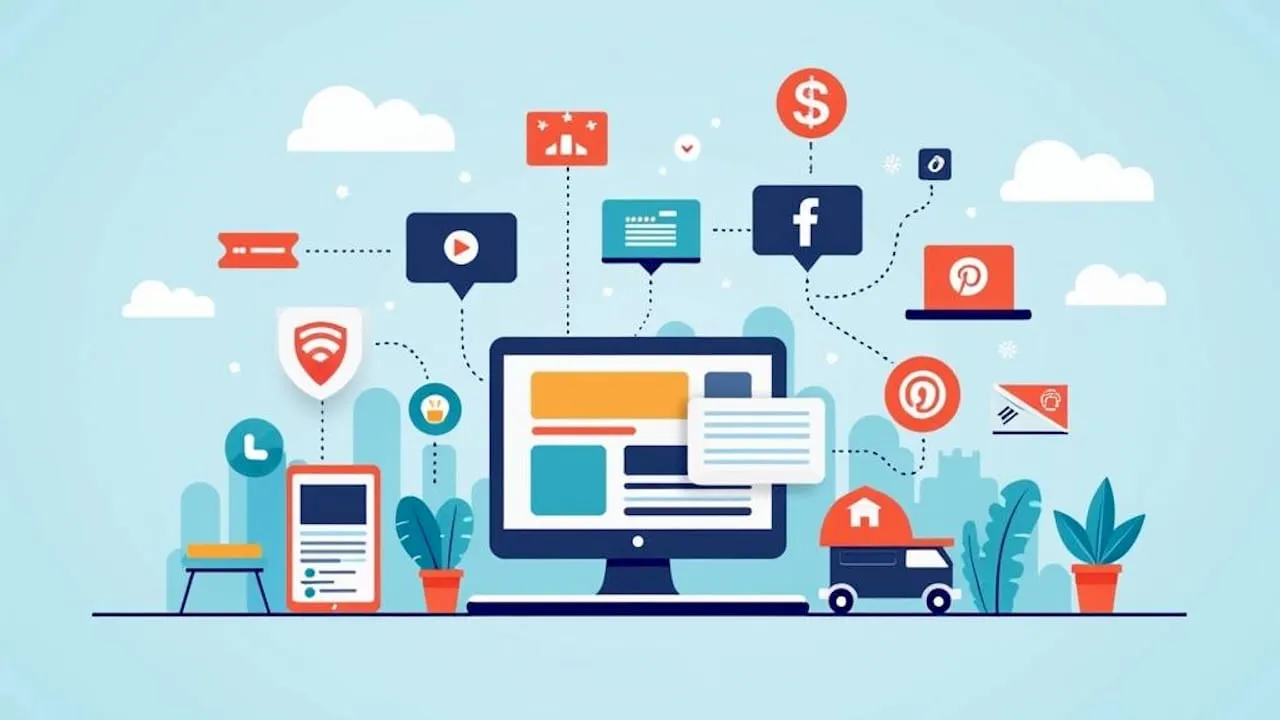
Integrated campaigns across Amazon, Walmart, Shopify, and social media exponentially increase lead volume. Each platform attracts different audience segments with varying purchase intent levels. Amazon shoppers often have high intent and are ready to buy, while social media users may be in earlier discovery phases. Multichannel campaigns deliver 3x more qualified leads and 43% better ROI than single-channel efforts, proving the value of multichannel ecommerce lead generation strategies.
Multichannel strategies yield significantly higher ROI by leveraging synergistic audience targeting. A prospect might discover your brand on Instagram, research products on your Shopify store, and ultimately purchase on Amazon. Coordinated messaging across touchpoints builds familiarity and trust. Social media retargeting often outperforms display ads in re-engagement metrics because social platforms offer richer targeting options based on interests and behaviors.
ChannelLead VolumeAvg Cost Per LeadConversion RateROI MultipleAmazon AdsHighMedium4.2%3.1xWalmart ConnectMediumLow3.8%2.8xShopify + Google AdsMediumMedium-High3.5%2.5xSocial Media (Meta)Very HighLow-Medium2.9%2.2xMultichannel IntegratedVery HighMedium5.3%4.5x
Key multichannel tactics:
Pro Tip: Start with your two highest-performing channels and master coordination between them before expanding to additional platforms. This phased approach prevents budget dilution and lets you refine processes before scaling.
Leveraging analytics and proprietary tools
From multichannel campaigns, we move to how data analytics and specialized tools power continuous optimization for sustained lead generation performance.
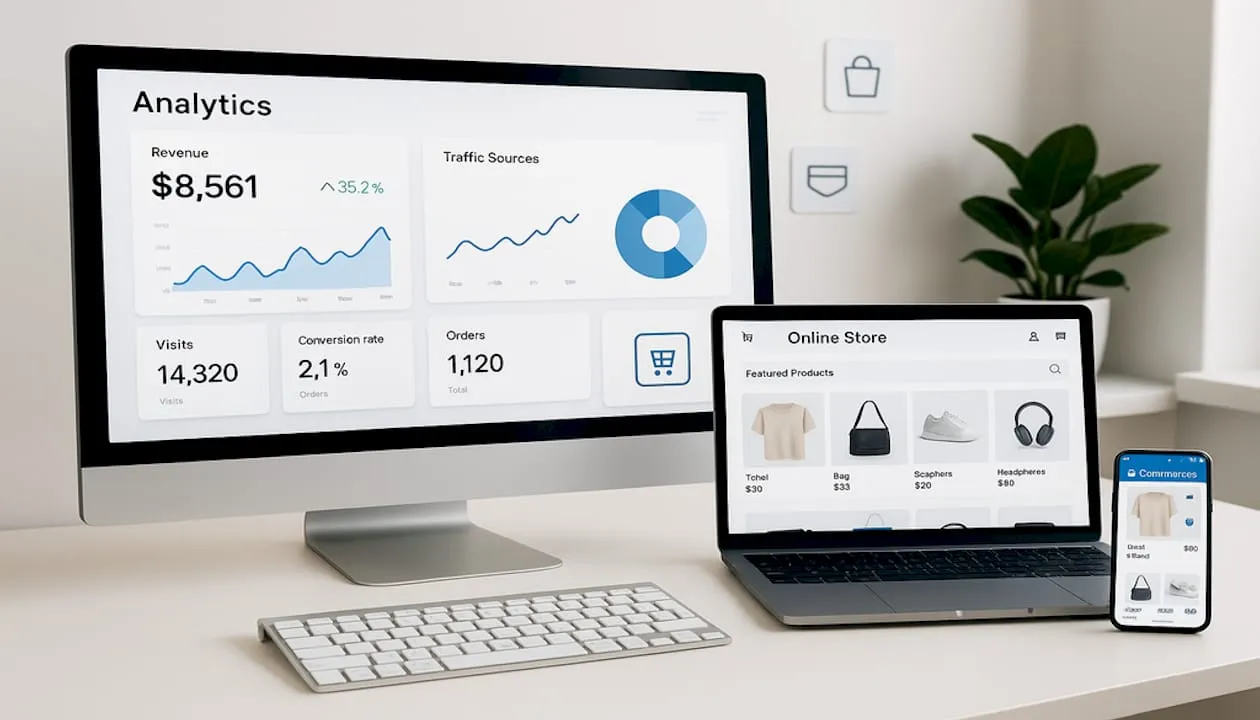
Analytics platforms enable granular audience targeting and campaign refinement by surfacing insights hidden in raw data. You can identify which demographics, geographies, and behavioral segments generate the highest quality leads. Proprietary tools centralize data from multiple sources to monitor performance in real time, eliminating the need to manually compile reports from different platforms.
Data-driven decision making reduces cost per lead and improves lead quality simultaneously. When you know exactly which ads, keywords, and creative elements drive conversions, you can double down on winners and cut underperformers immediately. Integrating multiple data sources uncovers actionable insights for optimization that single-platform analytics miss. Cross-channel attribution reveals how touchpoints work together to move prospects toward conversion.
Advanced analytics usage can improve lead conversion rates by 22% when brands commit to leveraging ecommerce analytics for strategic decision making.
Use analytics to guide creative updates, channel mix adjustments, and budget allocation decisions. Data should inform every major campaign choice, from which products to promote to which audiences deserve the largest ad budgets.
Analytics implementation checklist:
Measurement and optimization
After deploying analytics tools, this section offers clear steps to measure performance accurately and optimize campaigns for maximum effectiveness.
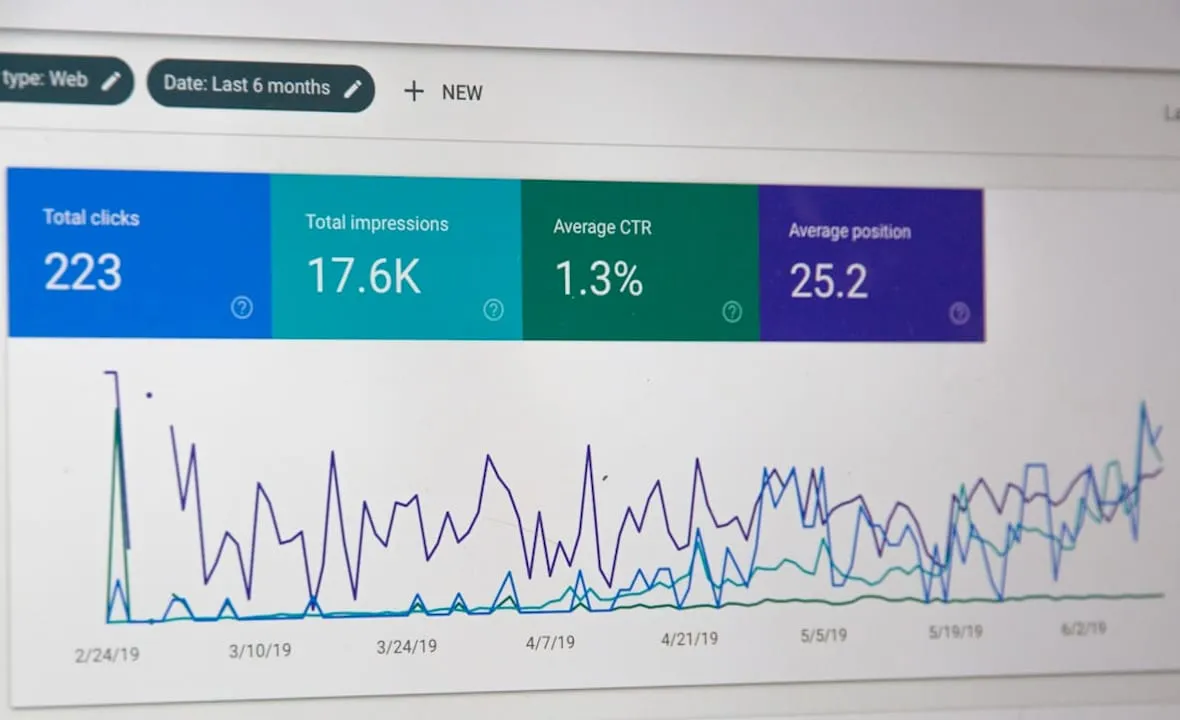
Tracking the right metrics is essential for understanding what’s working. Lead conversion rate shows what percentage of prospects become customers. Cost per lead (CPL) reveals your acquisition efficiency. Click-through rate (CTR) indicates ad and content relevance. Return on ad spend (ROAS) measures overall campaign profitability. Engagement metrics like time on page and bounce rate signal content quality.
70% of marketers value integrated measurement, and split testing CTAs can increase leads by up to 25%, highlighting the importance of robust ecommerce measurement and optimization practices.
Perform A/B split testing systematically on calls to action, landing pages, and creative elements. Test one variable at a time to isolate what drives performance changes. Utilize integrated dashboards for comprehensive campaign measurement across all channels. Fragmented reporting leads to missed insights and suboptimal decisions.
Optimization process:
Iterate targeting parameters and content based on performance data. If certain audience segments consistently convert at higher rates, shift budget toward them. If specific creative formats outperform others, produce more of that content type. Regular optimization ensures scalable, sustained lead generation improvements rather than one-time wins.
Key metrics to track:
Summary comparison and situational recommendations
To conclude the body content, we synthesize the discussed tactics into a clear comparison and provide tailored strategy advice for diverse ecommerce brands.
The following matrix summarizes lead generation strategies by their key characteristics, helping you match tactics to your specific business situation and priorities.
StrategyBest ForSpeed to ResultsLead QualityTypical CostScalabilityData-Driven AdsMid to large brandsFast (1-2 weeks)HighMedium-HighVery HighCreative ContentAll brandsMedium (4-8 weeks)Very HighMediumHighEmail SegmentationBrands with email listsFast (1 week)HighLowMediumMultichannel CampaignsEnterprise brandsMedium (4-6 weeks)Very HighHighVery HighChatbots/InteractiveTech-savvy brandsFast (2-3 weeks)Medium-HighLow-MediumHighAnalytics OptimizationData-mature brandsOngoingImproves AllLow (tool cost)Very High
For enterprise brands seeking scalable lead volume, multichannel campaigns combining Amazon, Walmart, Shopify, and social media deliver the best results. The 3x increase in qualified leads and 43% ROI improvement justify the higher coordination complexity and budget requirements.
Mid-sized brands with budget constraints should prioritize segmented email marketing and targeted ads. These tactics offer strong ROI with lower upfront investment and can scale as revenue grows. Start with your highest-intent channels and expand gradually.
Brands prioritizing engagement and lead quality should invest heavily in personalized videos, professional photography, and interactive chatbots. The 80% engagement boost from video content and 33% lead capture increase from chatbots significantly improve conversion rates despite longer production timelines.
Every strategy involves tradeoffs between speed, cost, quality, and scalability. Match your selection to your specific business stage, budget constraints, and growth objectives. Most successful brands eventually implement a combination of tactics, with the mix evolving as the business matures.
Boost your ecommerce lead generation with Nectar
Having equipped you with strategies and comparisons, here’s how Nectar can help you implement these proven solutions efficiently and profitably.
Nectar offers expert agency support tailored specifically for ecommerce lead generation and brand growth across major marketplaces. Our services for brand growth include data-driven advertising management, in-house creative services for ecommerce production, and full-funnel multichannel campaign coordination.
We specialize in maximizing Amazon, Walmart, and Shopify storefront performance using the exact 2026 lead generation strategies detailed throughout this article. Our proprietary iDerive analytics platform provides the granular insights you need to optimize targeting, creative, and budget allocation in real time. Whether you need help with Amazon growth strategies, creative content production, or integrated campaign management, Nectar has the expertise and tools to transform your results. Partnering with our team means you get proven tactics implemented by specialists who live and breathe ecommerce every day. Contact Nectar today to discuss how we can help you achieve 3x more qualified leads and 43% higher ROI.
Frequently asked questions about ecommerce lead generation tips
What is the most effective ecommerce lead generation channel in 2026?
Multichannel integrated campaigns deliver the best results, generating 3x more qualified leads and 43% better ROI than single-channel efforts. However, the optimal channel mix depends on your specific business, with Amazon Ads typically offering the highest conversion rates for product-focused campaigns while social media excels at building awareness and engagement with broader audiences.
How important is personalization in ecommerce lead capture?
Personalization is critical, with segmented email campaigns yielding double the click-through rates of generic messages and dynamic storefront content increasing lead capture by 48%. Tailoring messaging and offers to specific customer segments dramatically improves relevance and conversion rates across every touchpoint in the buyer journey.
Which analytics tools best improve ecommerce lead conversion?
Proprietary platforms that integrate data from multiple sales channels and provide real-time insights deliver the strongest results, with advanced analytics usage improving lead conversion rates by 22%. Tools offering cross-channel attribution, predictive lead scoring, and automated optimization recommendations help you make faster, more accurate decisions that directly impact ROI.
Can smaller brands benefit from multichannel lead generation?
Yes, but start with two channels where your target audience is most active rather than trying to manage five platforms simultaneously. Master coordination between your top channels, prove ROI, then expand gradually. Even small brands see significant benefits from integrating email marketing with one paid advertising channel, achieving better results than single-channel approaches.
How often should I optimize my lead generation campaigns?
Review key metrics weekly and make tactical adjustments to underperforming elements immediately, while conducting major strategic reviews monthly. Continuous optimization through regular A/B testing and data analysis compounds improvements over time, with brands that iterate consistently seeing 25% or higher increases in lead volume and quality compared to set-it-and-forget-it approaches.











.png)