{
"@type": "Article",
"image": {
"url": "https://csuxjmfbwmkxiegfpljm.supabase.co/storage/v1/object/public/blog-images/organization-10884/1776399638906_E-commerce-manager-updating-campaign-dashboard.jpeg",
"@type": "ImageObject",
"caption": "E-commerce manager updating campaign dashboard"
},
"author": {
"url": "https://thinknectar.com",
"name": "Thinknectar",
"@type": "Organization"
},
"@context": "https://schema.org",
"headline": "Why optimize seasonal campaigns to maximize e-commerce ROI",
"publisher": {
"url": "https://thinknectar.com",
"name": "Thinknectar",
"@type": "Organization"
},
"inLanguage": "en-US",
"articleBody": "Learn why seasonal campaign optimization drives 30% higher conversions and how e-commerce brands on Amazon, Walmart, and Shopify can maximize ROI with proven frameworks.",
"description": "Learn why seasonal campaign optimization drives 30% higher conversions and how e-commerce brands on Amazon, Walmart, and Shopify can maximize ROI with proven frameworks.",
"datePublished": "2026-04-17T04:26:29.379Z"
}
Why optimize seasonal campaigns to maximize e-commerce ROI
.webp)

TL;DR:
Continuous campaign optimization significantly improves ROI and conversion rates during seasonal sales.
Active management involves real-time adjustments to bids, audiences, creatives, and inventory to stay competitive.
Most brands overlook ongoing optimization, risking substantial revenue losses and weaker market position.
Seasonal sales events are not won by discounts alone. The brands consistently pulling ahead on Amazon, Walmart, and Shopify share one common advantage: they treat campaign optimization as an ongoing discipline, not a one-time setup. Too many marketing teams pour budget into peak periods expecting the season to do the heavy lifting, then wonder why their ROAS falls short. The truth is that timing and promotions are just the entry ticket. What separates a breakeven campaign from a high-margin one is the systematic work done before, during, and after the season to refine every lever that drives conversions.
Key Takeaways
| Point | Details |
|---|---|
| Optimization drives ROI | Fine-tuning seasonal campaigns leads to higher sales and reduced wasted ad spend across e-commerce platforms. |
| Critical campaign levers | Targeting, creative, and real-time data analysis are the key factors that make or break seasonal performance. |
| Risks of neglect | Brands that skip optimization can lose significant revenue and market share during the most important sales periods. |
| Continuous improvement | Ongoing testing, analysis, and creative adjustment ensure seasonal campaigns stay effective and resilient. |
Understanding the value of seasonal campaign optimization
Optimizing a seasonal campaign is not simply adjusting a bid or swapping a banner image. It means actively managing audience targeting, creative assets, keyword strategies, and budget allocation in response to real-time performance data throughout the campaign window. Think of it as steering a ship rather than launching one. You set the course, but you keep adjusting for wind and current.
The contrast between static and optimized campaigns is stark. A “set it and forget it” approach locks in assumptions made weeks before launch, assumptions that rarely survive contact with actual shopper behavior. Prices shift, competitors ramp up spend, inventory moves faster or slower than projected, and consumer intent evolves. A static campaign cannot respond to any of that. An optimized campaign can.
Here is what active optimization delivers for e-commerce brands:
-
Increased ROI through smarter budget allocation toward highest-converting audiences and placements
-
Improved ad efficiency by cutting spend on underperforming keywords and creatives in real time
-
Better inventory turnover by aligning promotional intensity with actual stock levels
-
Stronger competitive positioning by responding to competitor activity mid-season
-
Higher customer lifetime value by reaching the right buyer at the right moment
Brands that optimize campaign timing and creative see up to 30% higher conversion rates.
For brands selling across Amazon, Walmart, and Shopify simultaneously, the stakes multiply. Each platform has its own auction dynamics, shopper intent patterns, and promotional mechanics. A campaign that performs well on Shopify may be bleeding budget on Amazon if the same static structure is applied. Understanding seasonality in e-commerce at the platform level is what transforms a decent seasonal push into a revenue-driving machine. The brands that internalize this shift from campaign launching to campaign managing are the ones that consistently outperform their category.

Critical components of optimization: Where campaigns win or lose
Effective Q4 e-commerce strategy and year-round campaign management share the same DNA. Success depends on mastering a handful of core components. Skipping even one of them creates a gap that competitors are happy to exploit.
-
Audience segmentation. Generic targeting wastes budget. During Back to School, a brand selling backpacks should target parents with school-age children differently than college students. On Amazon, this means leveraging sponsored display audiences. On Shopify, it means email segmentation and retargeting flows built around browsing behavior.
-
Real-time bid adjustments. Bid values that made sense on day one of a campaign may be completely wrong by day five. Traffic patterns, competitor bids, and conversion rates all shift. Reviewing and adjusting bids at least every 48 hours during high-velocity events keeps your spend efficient and your placement competitive.
-
Creative swaps. A Black Friday banner should not look like a Valentine’s Day banner. More importantly, even within a single season, creative fatigue sets in faster than most brands expect. Testing two or three creative variants and rotating the winner keeps click-through rates healthy throughout the campaign.
-
Inventory checks. Running a high-spend campaign against a product that is about to go out of stock is one of the most expensive mistakes in e-commerce advertising. It burns budget, tanks your conversion rate, and can hurt your organic ranking on Amazon. Use your listing optimization checklist to include inventory thresholds as a campaign trigger.
-
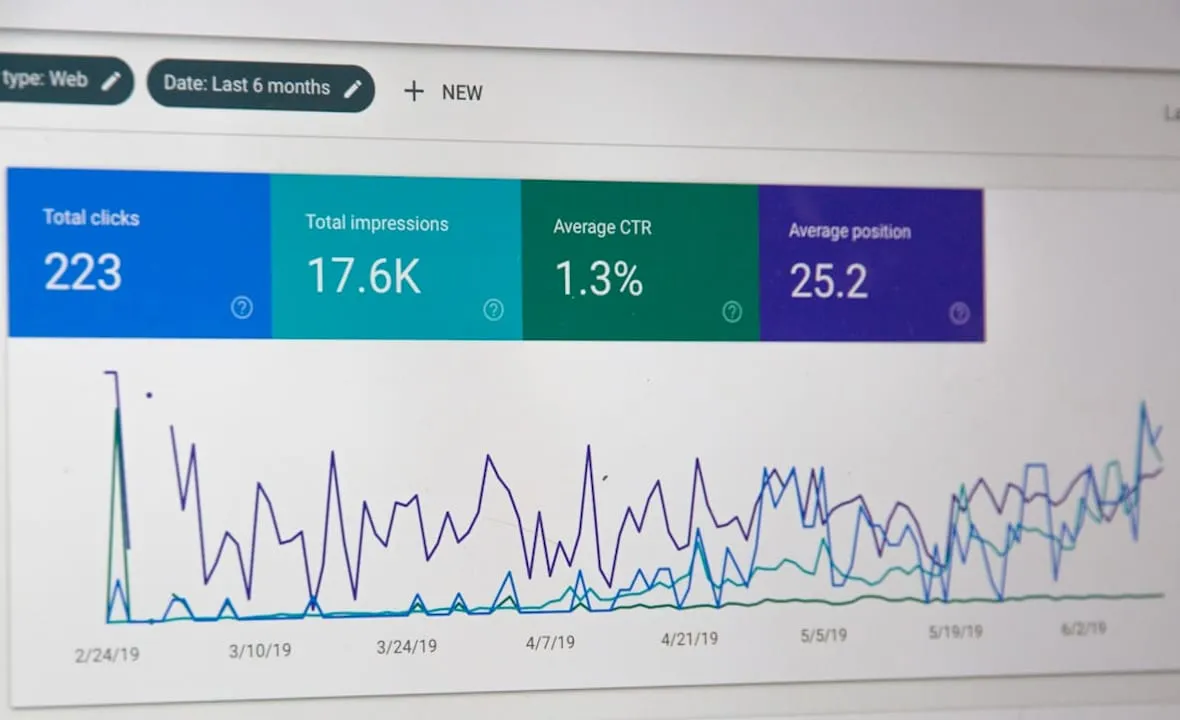
Analytics tracking. You cannot optimize what you do not measure. Setting up platform-specific dashboards that surface CTR, ACoS, ROAS, and conversion rate by day and by SKU gives your team the visibility to act fast.
As effective optimization requires aligning campaign structure, data, and creative for every season, no single component operates in isolation. They reinforce each other.
Pro Tip: Monitor inventory daily during high-velocity events to avoid stock-outs. A single out-of-stock day during peak traffic can cost more in lost sales than a week of ad spend.
The risks of neglecting seasonal campaign optimization
Passive campaign management during peak seasons is not a neutral choice. It is an active decision to leave money on the table and hand market share to competitors who are paying attention.
| Metric | Actively optimized campaign | Non-optimized campaign |
|---|---|---|
| Reach | Targeted, high-intent audiences | Broad, low-efficiency reach |
| ROI | Continuously improved | Flat or declining |
| Inventory risk | Managed with real-time triggers | High risk of stock-out or overstock |
| Ad waste | Minimized through bid pruning | Budget lost to poor performers |
| Competitive response | Agile, real-time adjustments | Blind to competitor moves |
The numbers are not abstract. Retailers that don’t adjust campaigns mid-season can lose up to 20% of potential revenue. For a brand doing $5 million in Q4 sales, that is $1 million in recoverable revenue simply left behind.
Real scenarios play out this way: a brand launches a strong Prime Day campaign on Amazon with competitive bids and solid creative. By day two, a competitor drops their price and increases their bid. The original brand’s impression share collapses, their conversion rate drops, and their ACoS spikes. Because no one is watching closely, the campaign runs at a loss for 36 hours before anyone notices. That gap compounds across Walmart and Shopify if the same neglect applies there.
Beyond direct revenue loss, there are downstream consequences. Poor campaign performance during peak seasons can suppress organic rankings on Amazon, reduce Walmart’s algorithmic favor, and shrink your retargeting pool on Shopify for future campaigns. The marketing tips for brands that consistently outperform their peers all point to the same root cause: proactive management beats reactive damage control every time. Reviewing this campaign case study illustrates just how much strategic mid-season adjustments can shift outcomes.
Action plan: How to continuously optimize campaigns for growth
A repeatable optimization framework is more valuable than any single campaign tactic. Here is how to structure it across three phases:
-
Pre-season analysis: Audit last season’s performance data. Identify your highest-converting audiences, best-performing creatives, and most efficient keywords. Set baseline KPIs and budget thresholds before launch.
-
Live optimization: Review performance daily during the first 72 hours of a campaign, then shift to every 48 hours. Adjust bids, rotate creatives, and flag inventory risks. Use platform-native tools alongside third-party analytics.
-
Post-season review: Document what worked, what did not, and why. Build a playbook for the next season. This step is where most brands fail, and it is the single biggest source of compounding improvement.
Here are the KPI benchmarks worth tracking across platforms:
| KPI | Benchmark target | Review frequency |
|---|---|---|
| CTR | 0.5% or higher | Daily |
| ACoS (Amazon) | Below 25% | Every 48 hours |
| ROAS | 3x or higher | Weekly |
| Conversion rate | 10%+ for optimized listings | Weekly |
| Impression share | Above 60% for priority SKUs | Daily during peak |
For cross-platform consistency, align your messaging and promotional timing across Amazon, Walmart, and Shopify. Shoppers increasingly move between platforms before purchasing, so a fragmented experience erodes trust and conversion. A well-structured Shopify advertising workflow can anchor your cross-platform cadence.

Tools that support continuous optimization include Amazon’s Campaign Manager, Walmart’s Advertising Console, Shopify’s analytics dashboard, and third-party platforms that consolidate data across all three. To increase ecommerce ROI at scale, you need visibility across every channel simultaneously. Continuous data analysis and creative testing drive up to 25% greater sales lift in optimized campaigns. Pairing that with strong PPC efficiency strategies closes the loop between spend and return.
What most brands overlook about campaign optimization
Here is the uncomfortable truth: most brands treat seasonal campaign optimization as a sprint. They throw resources at Q4, Prime Day, and Black Friday, then coast until the next big event. The problem is that the biggest performance gains rarely come from those high-pressure moments. They come from the quiet iterations in between.
The brands that consistently outperform their category are not the ones with the biggest seasonal budgets. They are the ones running micro-tests in February and June, building institutional knowledge that makes their Q4 launch sharper than anyone else’s. Every off-peak campaign is a low-cost learning opportunity.
Another overlooked factor is cross-functional alignment. Marketing teams optimizing in isolation from supply chain and analytics are flying partially blind. When inventory, demand forecasting, and campaign data all feed the same decision-making process, the results are measurably better. Even flash sales strategies executed with cross-functional input consistently outperform those managed by marketing alone.
Shift your mindset from campaign heroics to systematic refinement. The season is just the deadline. The optimization is the work.
Unlock your seasonal campaign’s full potential
If the frameworks above resonate, the next step is making sure you have the right infrastructure and expertise to execute them at scale. Seasonal campaign optimization is not just a strategy question. It is an operational one.

Nectar works with mid-sized and enterprise brands to build and manage fully optimized campaigns across Amazon campaign optimization, Walmart, and Shopify. From creative production to real-time bid management powered by the iDerive analytics platform, we handle the full cycle so your team can focus on growth. Explore our marketplace expansion and management solutions or see how our Shopify optimization solutions can turn your storefront into a high-converting seasonal engine. Your next peak season does not have to be a guessing game.
Frequently asked questions
What does optimizing a seasonal campaign mean for e-commerce?
It means continually adjusting targeting, creative, bids, and timing during key sales periods to maximize conversions and ROI. Brands that optimize campaign timing and creative see up to 30% higher conversion rates.
What happens if I don’t optimize my seasonal campaigns?
You risk losing significant seasonal revenue and missing opportunities to outperform competitors. Retailers that don’t adjust campaigns mid-season can lose up to 20% of potential revenue.
Which e-commerce platforms benefit most from campaign optimization?
Amazon, Walmart, and Shopify sellers all see increased ROI and fewer wasted ad dollars when campaigns are actively managed. Active optimization drives results across all three platforms when applied consistently.
How often should I analyze and adjust seasonal campaigns?
Review performance at least weekly during peak seasons, making adjustments as needed to creative, bids, and audiences. Continuous data analysis and creative testing drive up to 25% greater sales lift in optimized campaigns.
Recommended




























































.webp)