Nearly half of enterprise brands have adopted direct to consumer ecommerce channels by 2026, defying the myth that D2C is only for startups. Mid sized and enterprise brands now leverage D2C to control customer relationships, boost margins, and harness first party data. This guide explains D2C’s core principles, strategic benefits, implementation frameworks, and how to avoid common pitfalls when scaling direct sales channels.
Key takeaways
D2C eliminates intermediariesSelling directly strengthens brand consumer ties and increases control over pricing, experience, and customer data.Higher margins and lifetime valueRemoving wholesalers and retailers boosts profitability while personalized marketing increases repeat purchases.Data driven analytics are criticalFirst party data enables precise targeting, lower acquisition costs, and continuous optimization of campaigns.Hybrid models work for enterprisesD2C doesn’t require abandoning traditional channels; successful brands integrate both for balanced reach.Implementation requires readinessAssess brand positioning, select integrated technology, and invest in creative content for scalable success.
Understanding D2C ecommerce: definition and core principles
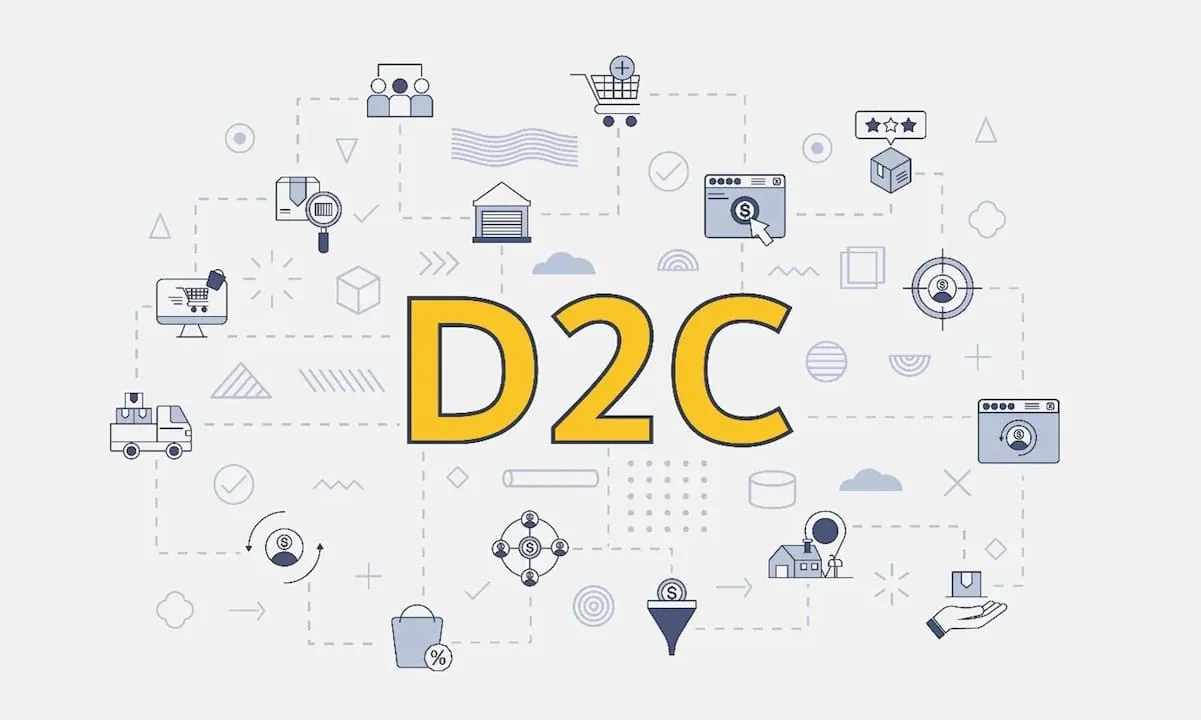
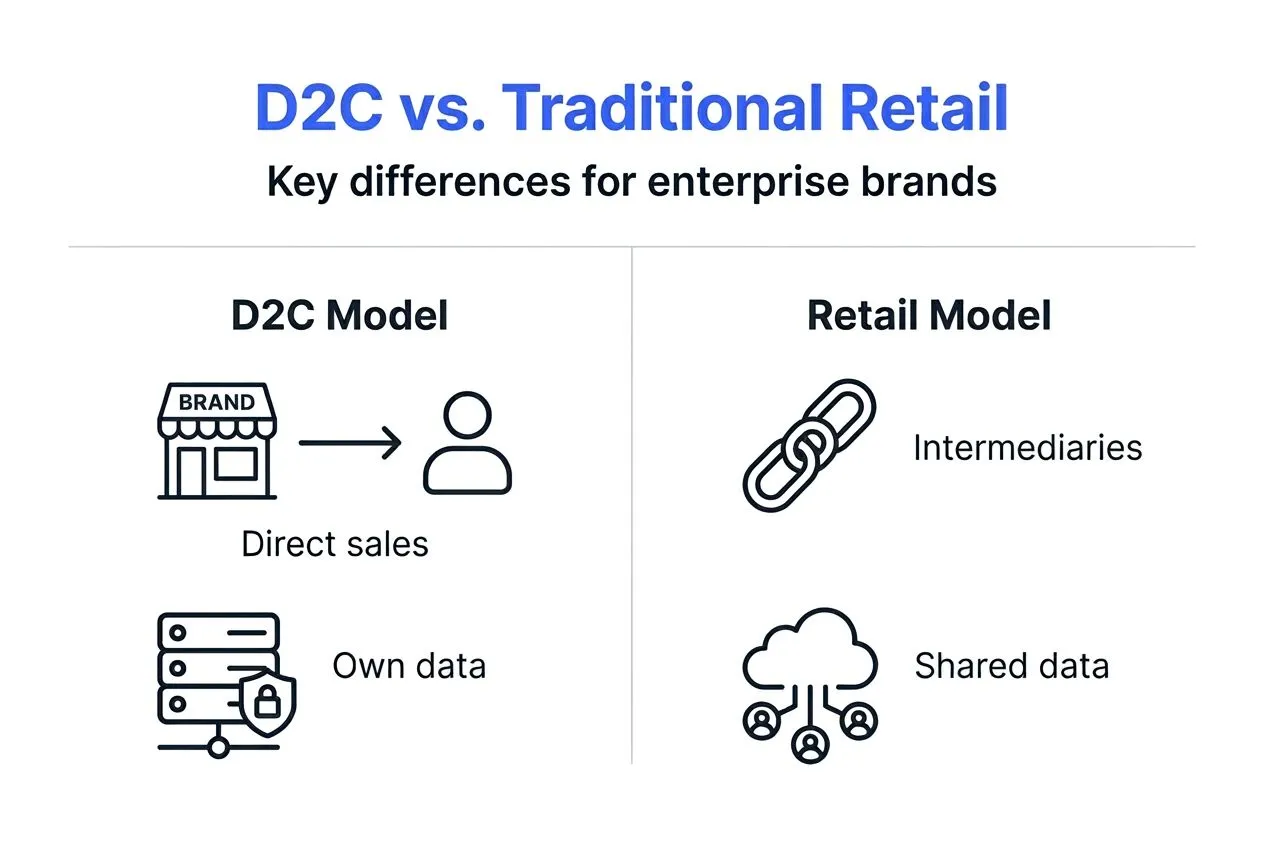
Direct to consumer ecommerce means brands sell products directly to customers through owned digital channels, bypassing wholesalers, distributors, and retail partners. Traditional retail involves multiple intermediaries who take margin cuts and control customer touchpoints. D2C flips this model by letting brands own the entire journey from discovery to delivery.

Core principles define how D2C transforms commerce. Brands control pricing strategies without retail markup pressures. Customer experience becomes fully customizable across website design, checkout flows, and post purchase communication. Most importantly, brands capture first party data on browsing behavior, purchase patterns, and preferences that would otherwise belong to retailers.
This direct relationship changes everything. You can test messaging instantly, personalize recommendations based on actual purchase history, and build loyalty programs that reflect true customer value. Traditional retail keeps this data locked behind partner systems, limiting your ability to optimize and personalize at scale.
Key D2C principles include:
Why mid sized and enterprise brands are embracing D2C
Profit margins improve dramatically when you remove intermediary costs. Wholesale arrangements typically require 50 to 60 percent discounts off retail price. D2C channels recapture this margin while maintaining competitive consumer pricing. A product selling for $100 retail might net you $40 through wholesale but $70 through D2C after fulfillment costs.
Customer lifetime value increases when you control the relationship. Direct access enables personalized email campaigns, targeted upsells, and loyalty rewards tailored to individual behavior. Brands that invest in in-house creative see a 15 percent uplift in online conversion rates within their D2C channels. High quality product photography, lifestyle videos, and optimized copy transform browsers into buyers.
However, D2C demands significant resource investment. Creative content production requires dedicated teams or agency partners to maintain the visual standards consumers expect. Customer service scales differently when you handle inquiries directly instead of routing through retail partners. Technology infrastructure must support ecommerce platforms, payment processing, inventory management, and marketing automation.
Balancing traditional and D2C channels requires strategic thinking. Many successful enterprise ecommerce partners maintain wholesale relationships while building D2C revenue streams. This hybrid approach diversifies risk, expands market reach, and lets you test direct strategies without abandoning established distribution.
Pro Tip: Start D2C with your hero products that have strong brand recognition and higher margins. This focused approach lets you prove the model before expanding your entire catalog.
Key considerations for enterprise D2C adoption:
How data and analytics drive D2C ecommerce success
First party data transforms how you understand and reach customers. Every site visit, product view, and purchase builds a profile you own completely. This proprietary intelligence enables micro segmentation impossible with third party retail data. You can identify high value customer cohorts, predict churn risk, and personalize messaging based on actual behavior patterns.
Data driven marketing slashes customer acquisition costs while boosting conversion rates. Precise targeting eliminates wasted ad spend on unlikely buyers. Retargeting campaigns reach customers who viewed specific products with tailored creative showcasing those exact items. Email automation triggers based on browse abandonment or purchase anniversaries, driving repeat sales without manual effort.
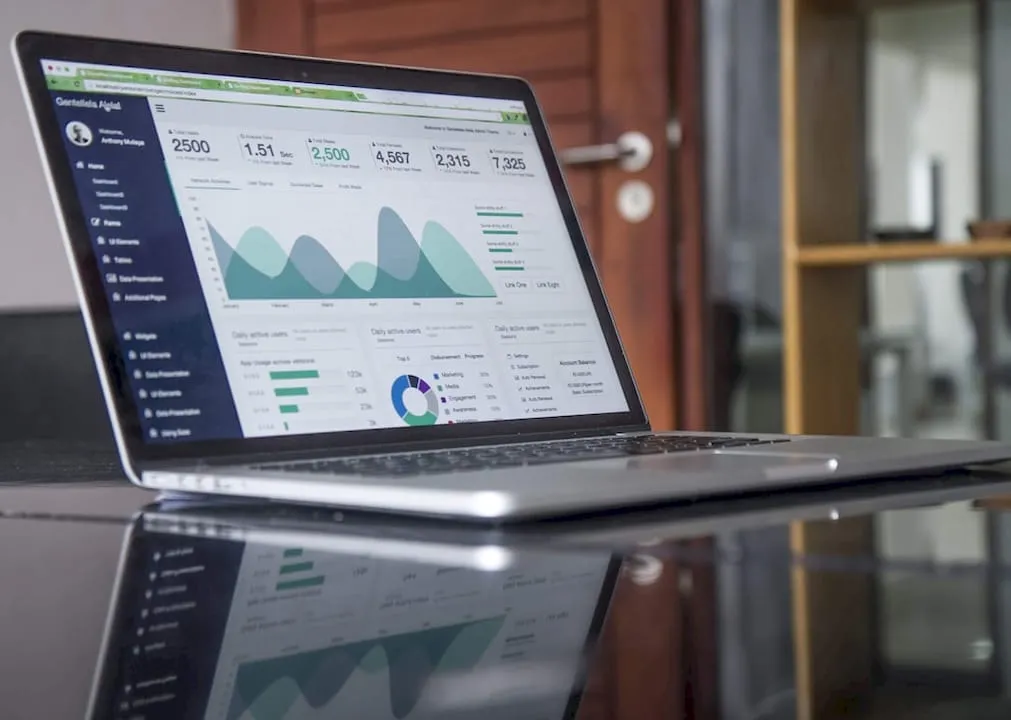
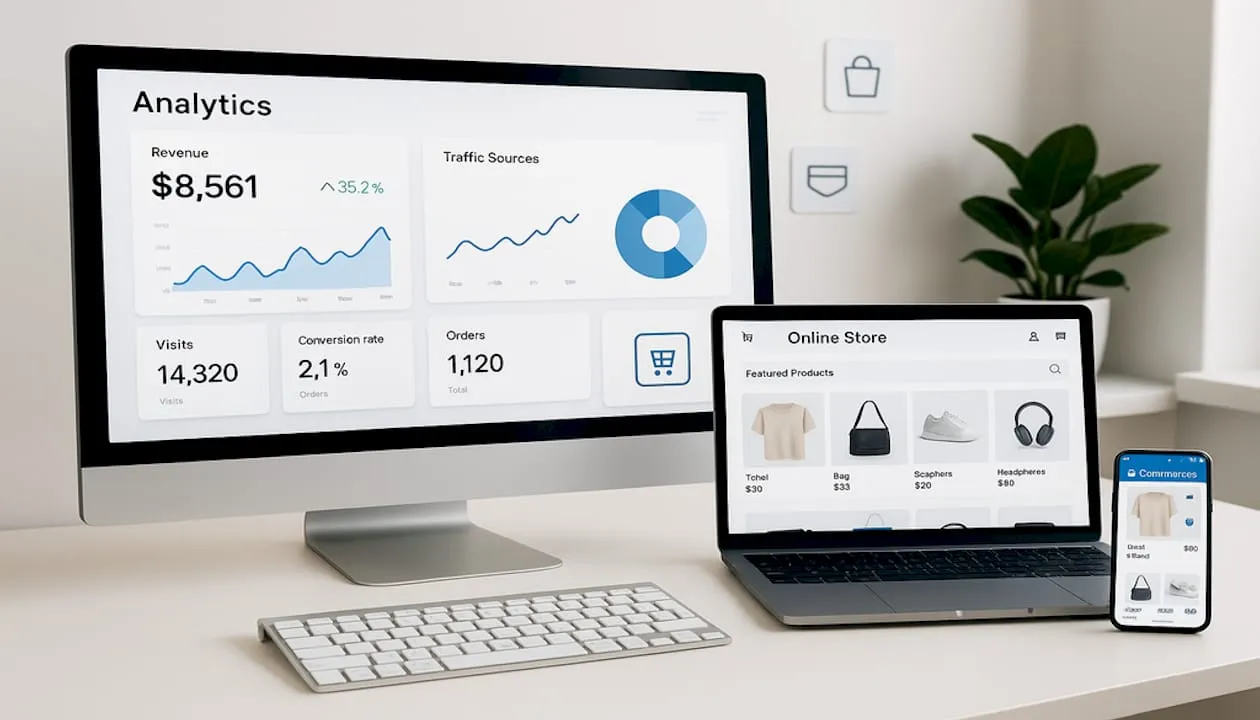
Continuous analysis powers ongoing optimization across your entire funnel. Role of analytics in ecommerce growth becomes clear when you A/B test landing pages, product descriptions, and checkout flows using real performance data. What works for one customer segment might fail for another. Analytics reveal these patterns so you can customize experiences that maximize conversion.
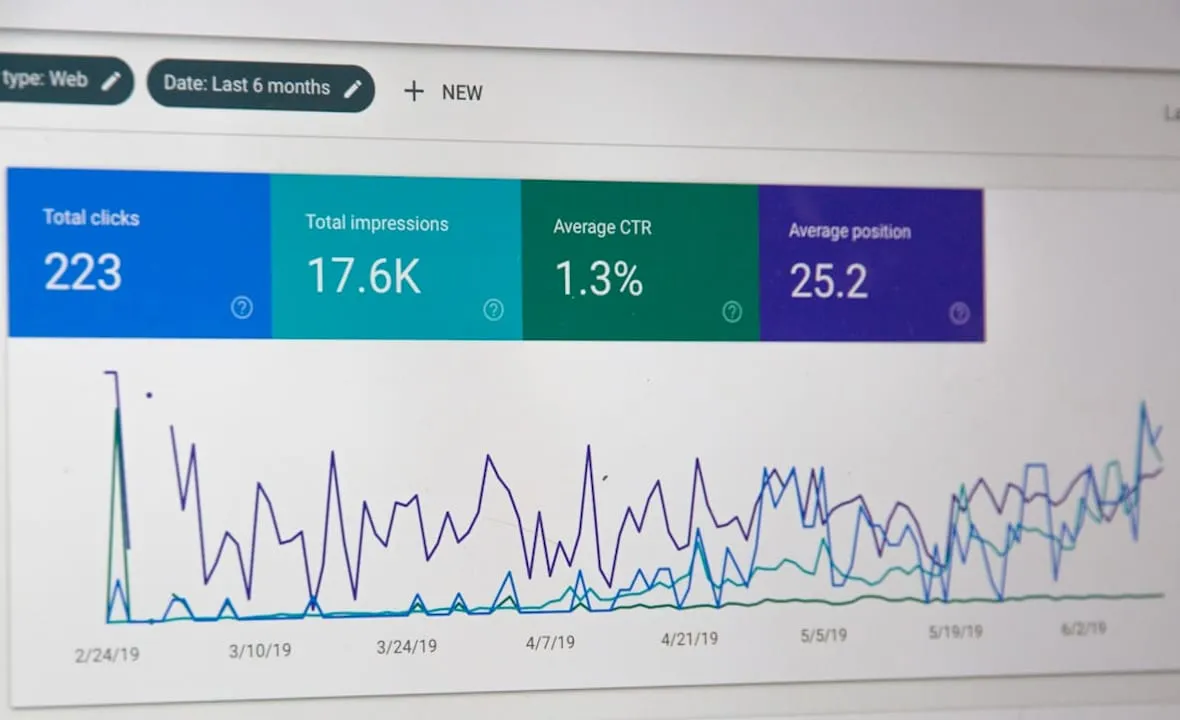
Data driven advertising ecommerce growth accelerates when you close the loop between ad exposure and purchase. Attribution models show which channels and campaigns actually drive revenue versus vanity metrics like impressions. You can calculate true ROI per marketing dollar and reallocate budgets to highest performing tactics. Importance of Google Analytics for ecommerce lies in tracking this entire journey from first click to final sale.
Analytics applications for D2C success:
Common misconceptions about D2C ecommerce
The myth that D2C only works for small brands ignores reality. Enterprise companies like Nike, Pepsi, and Procter & Gamble invest heavily in direct channels while maintaining traditional retail presence. Size actually advantages D2C execution because you can afford the creative teams, technology infrastructure, and marketing budgets required for competitive digital experiences.
Another false belief claims D2C means abandoning wholesale and retail partnerships entirely. Successful brands operate hybrid models that balance channel strategies. You can sell premium or exclusive products direct while maintaining core SKUs in retail. This approach captures margin upside without alienating distribution partners who still drive significant volume.
Confusion about technology complexity discourages some brands from starting. Modern ecommerce platforms like Shopify Plus and BigCommerce Enterprise offer sophisticated capabilities with manageable learning curves. The real challenge isn’t technical implementation but strategic integration across your existing systems for inventory, CRM, and analytics.
Overestimating short term profitability sets unrealistic expectations. D2C requires sustained investment in customer acquisition, creative production, and platform optimization before reaching profitability. Customer acquisition costs often exceed first purchase value, making lifetime value the critical metric. Brands expecting immediate returns frequently abandon D2C before realizing long term benefits.
Pro Tip: Calculate your true customer acquisition cost by including creative production, platform fees, and support costs, not just ad spend. This honest assessment prevents budget surprises as you scale.
Misconceptions to avoid:
Comparative framework: D2C vs traditional and hybrid channel strategies
Different channel strategies offer distinct trade offs in profitability, control, and operational complexity. Pure D2C maximizes margins and data ownership but limits market reach compared to established retail distribution. Traditional retail provides broad geographic coverage and established traffic but surrenders pricing control and customer relationships. Hybrid models balance these factors while introducing coordination complexity.
FactorPure D2CTraditional RetailHybrid ModelProfit MarginsHighest (60 to 70 percent)Lowest (30 to 45 percent)Mixed (50 to 65 percent)Customer DataComplete ownershipLimited to nonePartial across channelsMarket ReachLimited to digital audienceBroad geographic coverageMaximum across all channelsBrand ControlTotal control over experienceDependent on retailerVariable by channelStartup InvestmentModerate to highLow to moderateHigh due to integrationOperational ComplexityFulfillment and service scalingSimpler logistics via partnersHighest due to coordination
Customer loyalty benefits vary significantly. D2C enables personalized relationship building through owned communication channels and loyalty programs. Traditional retail makes loyalty dependent on retailer programs where your brand becomes interchangeable. Role of marketplaces in retail strategy shows how platforms like Amazon offer middle ground with broader reach but shared customer data.
Hybrid approaches let enterprises test D2C economics while protecting existing wholesale revenue. You can launch direct channels with limited SKU sets, exclusive products, or premium tiers that don’t compete directly with retail partners. This staged approach reduces risk while building internal capabilities and market understanding before full scale D2C investment.
Implementing D2C at scale: a stepwise framework for mid sized and enterprise brands
Successful D2C implementation follows a structured approach that assesses readiness, builds capabilities, and optimizes performance continuously. Rushing into direct sales without proper foundation leads to costly mistakes and disappointing results. This framework ensures you build sustainable competitive advantage.
Explore Nectar’s services to grow your D2C ecommerce
Scaling D2C ecommerce profitably requires expertise across creative production, performance marketing, and analytics integration. Nectar’s services combine in-house photography and videography with sophisticated Amazon advertising strategies to transform underperforming listings into high converting storefronts. Our proprietary iDerive analytics platform provides the granular insights mid sized and enterprise brands need to optimize campaigns and maximize ROI.
We’ve helped brands achieve measurable results through integrated ecommerce strategies. One Shopify ecommerce case study demonstrates how combining creative excellence with data driven marketing drives sustainable growth across D2C channels. Whether you’re launching direct sales or scaling existing channels, Nectar provides the full funnel management expertise to increase market share while maintaining profitability.
Frequently asked questions
What is direct to consumer ecommerce and why does it matter?
Direct to consumer ecommerce means brands sell products directly to customers through owned digital channels, eliminating wholesalers and retailers. It matters because brands capture higher margins, own customer data, and control the entire purchase experience. This model enables personalized marketing and stronger customer relationships compared to traditional retail distribution.
Can large enterprise brands benefit from a D2C model?
Yes, mid sized and enterprise brands increasingly adopt D2C to improve profit margins, capture first party customer data, and enable personalized marketing. Many successful enterprises operate hybrid models maintaining wholesale partnerships while building direct revenue streams. Scale actually advantages D2C execution by affording the creative teams, technology infrastructure, and marketing budgets needed for competitive digital experiences.
What are common mistakes brands make when adopting D2C ecommerce?
Brands often neglect investing in robust data analytics to track performance and optimize campaigns. Another mistake assumes D2C requires abandoning all traditional retail channels instead of pursuing balanced hybrid strategies. Under investing in high quality creative content and customer service infrastructure leads to poor conversion rates and negative brand experiences that damage long term success.
How does data improve marketing in D2C ecommerce?
First party data enables precise customer segmentation and personalized targeting that reduces wasted ad spend. Analytics reveal which marketing channels and campaigns actually drive revenue, allowing budget reallocation to highest performing tactics. Continuous testing and optimization of messaging, creative, and offers based on real behavioral data increases conversion rates while lowering customer acquisition costs over tim











.png)