Why Mid-Sized Brands Choose Agencies: 40% Sales Boost
.webp)

Seventy percent of mid-sized e-commerce brands hit growth plateaus on Amazon and Shopify without specialized help. You face algorithm shifts, resource limits, and marketing complexity daily. This guide shows how specialized agencies break these barriers, delivering measurable sales gains and operational efficiency for marketing managers navigating competitive marketplaces.
Key Takeaways
| Point | Details | |-------|---------|| | Specialized agencies break growth plateaus | Platform expertise drives sustainable brand expansion on Amazon and Shopify. | | Data-driven advertising cuts wasted spend | AI-driven PPC reduces wasted ad spend by up to 30% while improving ROI. | | Creative services boost conversions | High-quality visuals increase conversion rates by up to 50%. | | Agency selection requires careful assessment | Evaluate platform specialization, case studies, and service integration before committing. | | Partnerships deliver sales and efficiency gains | Full-service agencies significantly increase revenue while reducing operational strain. |
The Growth Challenges Facing Mid-Sized E-Commerce Brands
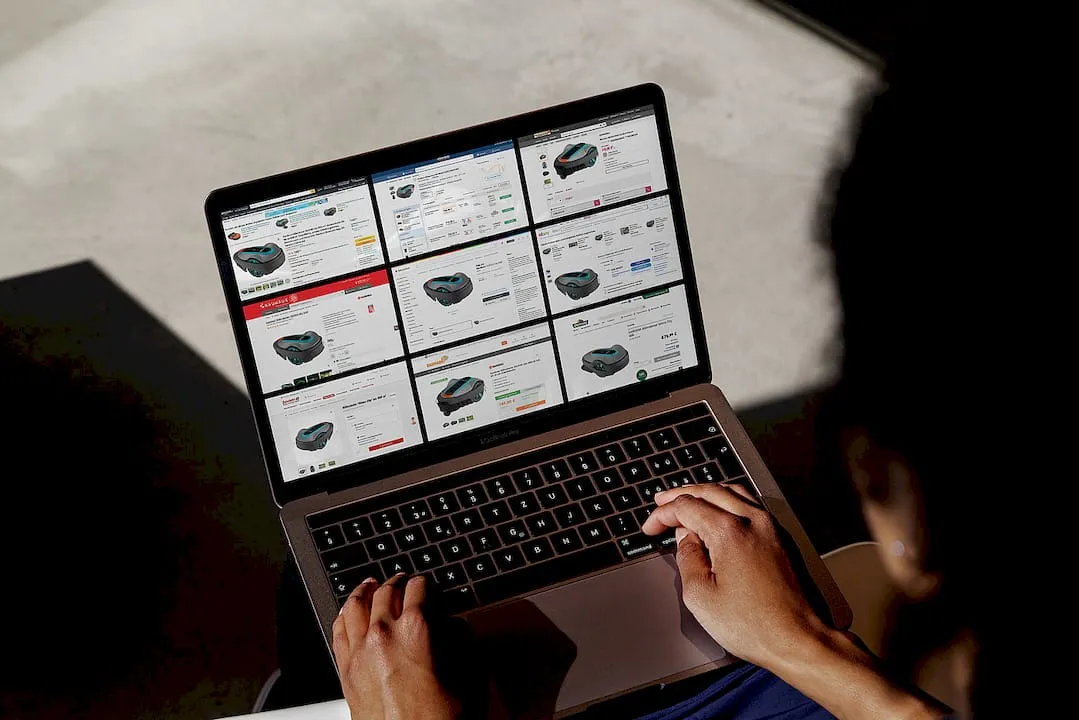
Amazon and Shopify operate on complex, constantly evolving algorithms that limit organic visibility for brands lacking platform expertise. Your products compete against thousands of listings, and algorithm updates can tank rankings overnight without warning.
Mid-sized brands face unique resource constraints managing listings, advertising campaigns, and analytics across platforms. You need specialized knowledge in keyword optimization, PPC management, creative content production, and performance tracking. Most internal teams lack the bandwidth or expertise to excel at all these simultaneously.
Growth plateaus hit hardest when complexity outpaces your team’s capacity. Common bottlenecks include:
Marketing managers juggle daily operational tasks that leave little room for strategic planning. You spend hours troubleshooting listing suppression issues, managing sponsored product campaigns, and responding to platform policy changes. This reactive cycle prevents the proactive scaling your brand requires.
Without expert guidance, you waste precious time and marketing budgets on approaches that don’t align with platform best practices. Every failed experiment costs money and opportunity as competitors gain market share.
Why Mid-Sized Brands Need Specialized Agencies
Breaking through growth plateaus requires deep expertise in Amazon and Shopify algorithms, listing optimization, and platform-specific advertising strategies. Generalist digital marketing agencies rarely possess this specialized knowledge. The role of agency partners becomes critical when internal teams hit their expertise ceiling.
Amazon demands constant attention to keyword rankings, A+ content updates, sponsored ad optimization, and review management. According to Shopify agency research, specialized agencies improve conversion rates by up to 25% and customer retention by 15% through technical and marketing integrations.
Shopify stores benefit from expert implementation of conversion rate optimization tools, email marketing automation, and seamless checkout experiences. Platform-specific knowledge translates directly into higher sales and better customer experiences.
Specialized agencies combine creative excellence with data expertise to maximize results. Key advantages include:
Full-service agencies handle complex operational tasks like catalog management, advertising campaign optimization, and performance reporting. This operational lift allows you to focus on product development, supply chain management, and overall business strategy.

Specialization ensures efficient, scalable growth without the costly trial-and-error approach typical of generalist agencies or in-house experimentation. You gain immediate access to proven strategies and battle-tested tactics refined across dozens of client accounts.
The Role of Data-Driven Advertising in Agency Partnerships
Artificial intelligence and machine learning now power the most effective e-commerce advertising campaigns. AI-driven PPC management reduces wasted ad spend by 20 to 30 percent through continuous bid optimization and audience targeting refinement.
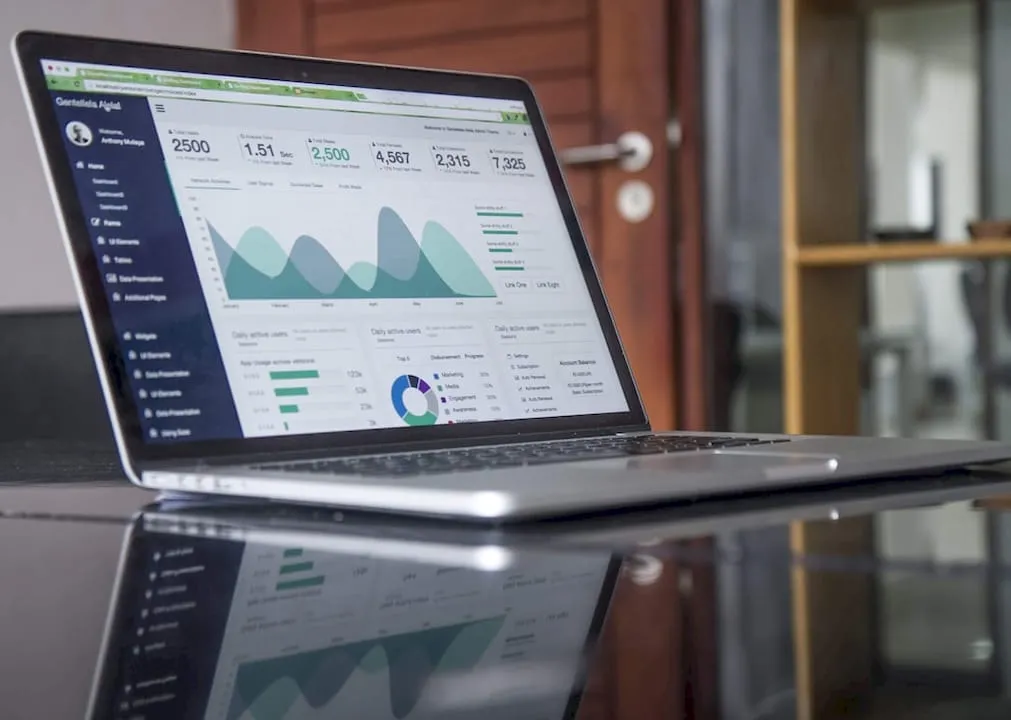
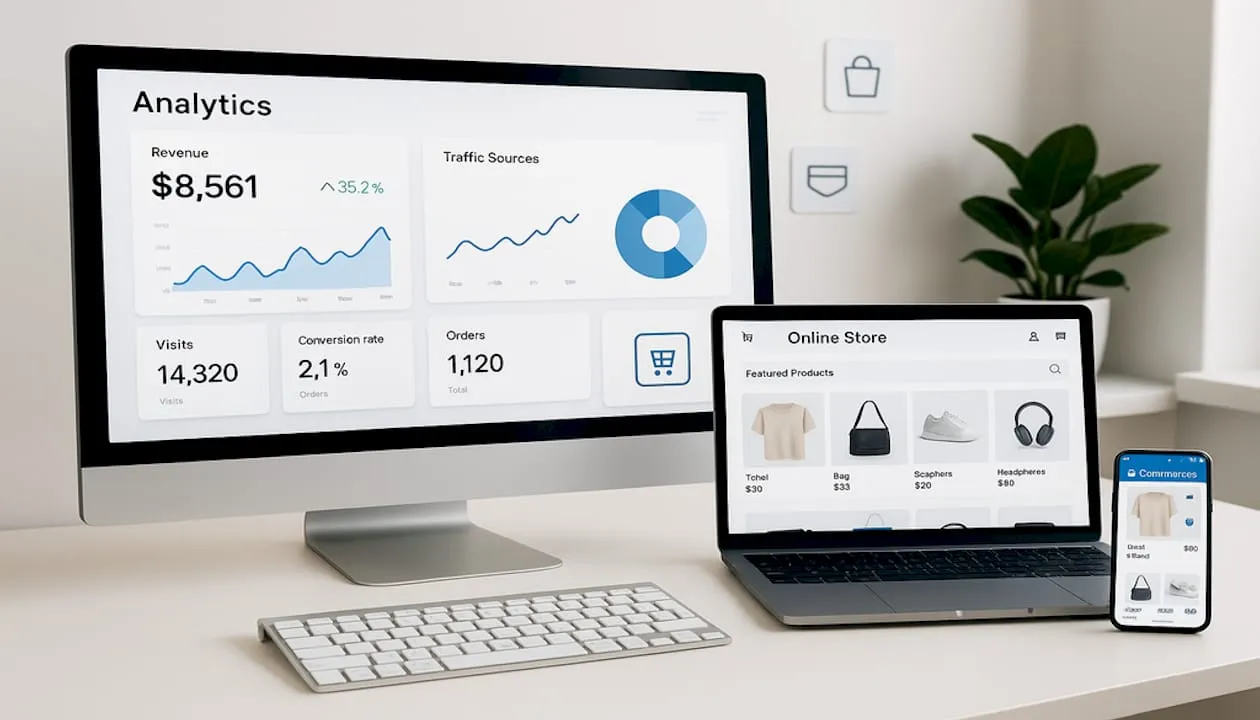
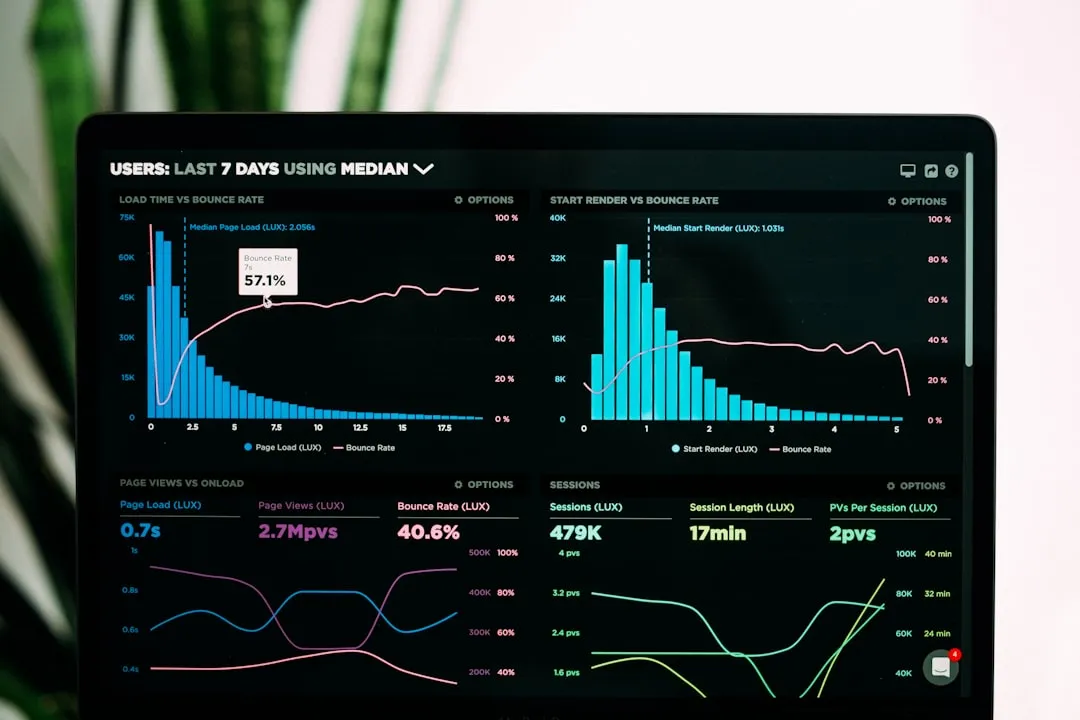
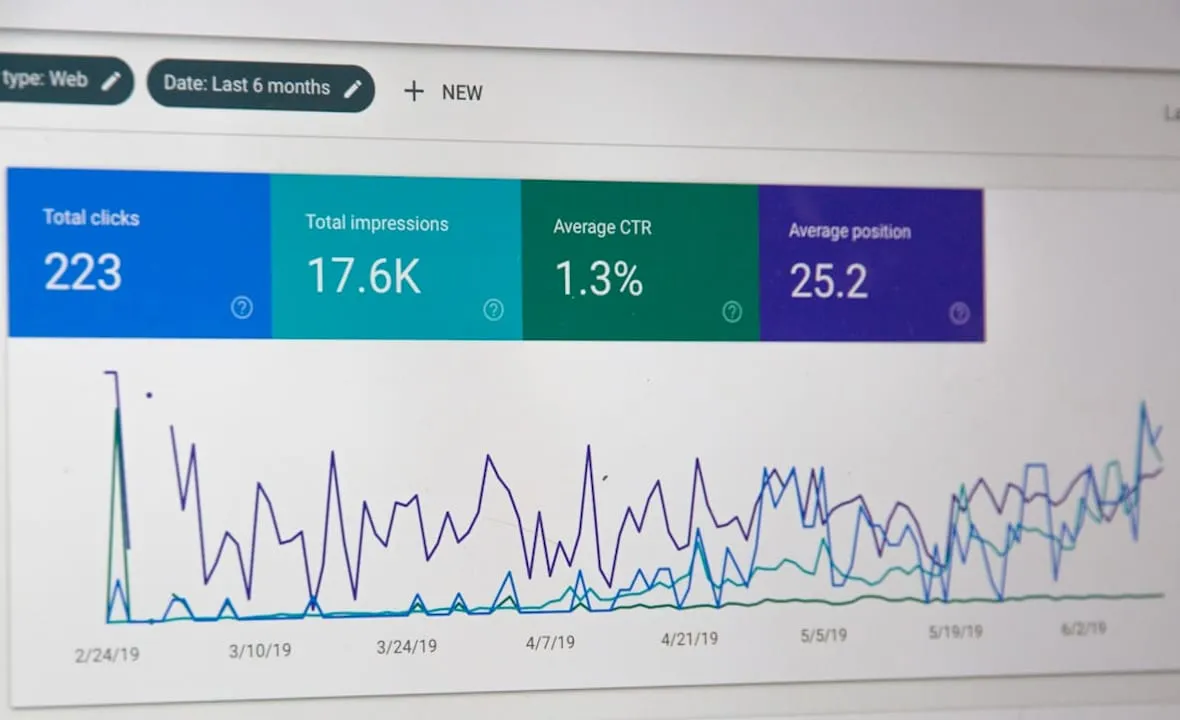
Agencies leverage proprietary analytics platforms that integrate data from multiple sources. You gain granular insights into keyword performance, conversion paths, customer lifetime value, and attribution across touchpoints. This visibility enables smarter budget allocation and faster optimization cycles.
Data insights protect profit margins while scaling advertising spend. Agencies identify which products, keywords, and audiences deliver positive ROI before committing larger budgets. Strategic advantages of data-driven advertising include:
Brands using agency analytics tools improve advertising ROI by 15 to 20 percent within six months. This improvement compounds over time as agencies refine targeting, creative, and bidding strategies based on accumulated performance data.
Continuous monitoring allows agile campaign management responding to market shifts, competitor moves, and platform algorithm updates. Agencies don’t wait for monthly reports to make optimizations. They adjust bids, pause underperforming keywords, and shift budgets daily based on real-time performance signals.
Pro Tip: Request access to your agency’s analytics dashboard during the selection process. Transparency into performance data and reporting capabilities reveals whether the agency can deliver the insights you need for strategic decision making. Understanding Amazon advertising benefits requires this level of visibility.
Agencies blend human expertise with AI capabilities for best-in-class results. Automated tools handle routine optimization tasks, while strategists focus on creative testing, market positioning, and growth strategy. This combination delivers superior outcomes compared to either approach alone.
How Creative Services Boost Product Visibility and Conversion
Visual content makes or breaks e-commerce success. High-quality product photography and videos increase conversion rates by up to 50 percent compared to amateur or stock imagery. Shoppers need to see products from multiple angles, understand key features, and visualize themselves using your products.
Platform algorithms favor listings with comprehensive, engaging creative assets. Amazon’s A9 algorithm and Shopify’s search functionality both prioritize listings with complete image sets, informative videos, and detailed product descriptions. Investing in professional creative services can triple product visibility through improved search rankings.
Integrated creative services differentiate mid-sized brands in crowded marketplaces. When dozens of sellers offer similar products, superior visuals and compelling brand storytelling capture attention and build trust. Professional creative assets communicate quality and legitimacy that generic photos cannot match.
Premium creative assets driving conversion include:
Conversion Rate Impact: Brands investing in professional video content see 35 to 50 percent higher conversion rates compared to image-only listings. Video reduces uncertainty and returns by answering questions before purchase.
Consistent brand style across all touchpoints improves customer trust and purchase likelihood. When your Amazon listings, Shopify store, social media, and email marketing share unified visual language and messaging, customers perceive your brand as established and reliable.
Dynamic product visuals convert browsers into buyers effectively by reducing friction in the purchase decision. Clear, detailed images answer questions, address objections, and build confidence without requiring customer service interaction.
Pro Tip: Coordinate creative asset production with your advertising calendar. Launch new lifestyle photography and video content alongside major promotional campaigns to maximize impact. Fresh creative gives algorithms new signals to reward with improved organic visibility.
Common Misconceptions About Agency Partnerships
Many marketing managers hesitate to engage specialized agencies based on false assumptions. Not all digital marketing agencies succeed on Amazon and Shopify. Generalist agencies lack the platform-specific expertise required to navigate complex marketplace rules, algorithm updates, and advertising systems effectively.
Some brands mistakenly prioritize advertising spend over creative quality. Yet conversion optimization through superior visuals delivers better ROI than increased ad budgets on underperforming listings. You need both excellent creative and smart advertising working together.
Freelancers offer affordability but rarely provide the integrated services mid-sized brands need. Coordinating separate freelancers for photography, copywriting, advertising, and analytics creates communication bottlenecks and strategic misalignment. Large enterprise agencies often apply generic playbooks ill-suited to mid-sized brand challenges and budgets.
Key misconceptions to avoid:
Integrated data analytics often get overlooked despite being essential for maximizing marketing ROI. Without granular performance tracking, you cannot identify which products, keywords, or audiences deserve increased investment. You’re flying blind, hoping campaigns work rather than knowing they do.
Choosing the right agency requires understanding these misconceptions and their implications. The role of agency partnerships extends beyond campaign execution to strategic guidance preventing costly mistakes. Specialized agencies bring hard-won knowledge about what works, what fails, and why.
Avoid agencies promising overnight success or guaranteed rankings. Sustainable growth requires systematic optimization across creative, advertising, analytics, and operations. Quick fixes don’t exist in competitive marketplaces where hundreds of variables influence performance.
How to Choose the Right Agency for Your Mid-Sized Brand
Selecting the right agency partner determines whether you achieve breakthrough growth or waste budget on ineffective strategies. Start by evaluating platform specialization and proven case studies demonstrating success on Amazon, Shopify, or both. Generic portfolios showing various industries and platforms signal lack of depth.
Match agency service scope to your current growth stage, available budget, and internal resource constraints. Early-stage brands need foundational listing optimization and initial advertising setup. Scaling brands require sophisticated multi-channel campaigns, advanced analytics, and creative refresh cycles.
Assess integrated service offerings carefully. The best agencies combine creative production, advertising management, analytics, and operational support under one roof. This integration eliminates coordination headaches and ensures all tactics align toward common goals.
Essential agency selection criteria:
Avoid agencies demanding long locked contracts without proven results. Prefer partners offering trial periods, quarterly reviews, and clear performance benchmarks. You should feel confident in the relationship before committing to extended engagements.
Consider tradeoffs between freelancers, mid-sized specialized agencies, and large enterprise firms. Freelancers offer flexibility but lack integrated capabilities. Enterprise agencies provide resources but often assign junior staff to mid-sized accounts. Specialized mid-sized agencies typically offer the best balance of expertise, attention, and cost effectiveness.
Agency TypeProsConsFreelancersLow cost, flexibleLimited scope, coordination burdenMid-Sized SpecialistsPlatform expertise, integrated services, dedicated attentionModerate cost, capacity limitsEnterprise AgenciesExtensive resources, brand recognitionHigh cost, junior staff, generic strategies
Pro Tip: During agency interviews, request detailed walkthroughs of their analytics platforms and reporting processes. Strong agencies eagerly demonstrate their data capabilities and explain how insights drive optimization decisions. Hesitation or vague responses signal potential transparency issues.
Focus on agencies demonstrating both marketing ROI improvements and operational efficiency gains. The right agency partner reduces your team’s workload while increasing revenue. This dual benefit justifies agency costs and creates sustainable competitive advantage.
Evaluate how agencies approach brand alignment and strategic fit beyond tactical execution. Your agency should understand your brand positioning, target customer, and long-term vision. Tactical excellence without strategic alignment delivers short-term wins but fails to build lasting market leadership.
Case Studies and Success Stories
Real-world results prove the value of specialized agency partnerships for mid-sized e-commerce brands. These examples demonstrate measurable outcomes across sales growth, advertising efficiency, and operational improvements.
These case studies validate that successful partnerships combine analytics, creative excellence, and strategic account management. Agencies delivering proven results share common characteristics: platform specialization, integrated service offerings, and transparent performance reporting.
Sustained ROI growth and market share gains occur when agencies continuously optimize based on performance data rather than applying static strategies. The best partnerships evolve as platforms change, competition shifts, and brand needs grow.
Conclusion: Making Agency Partnerships Work for Mid-Sized Brands
Specialized agencies provide the expertise, resources, and integrated capabilities mid-sized brands need to break through growth plateaus on Amazon and Shopify. You gain immediate access to platform knowledge, creative excellence, and data-driven strategies refined across hundreds of client engagements.
Integrated services combining creative production with sophisticated advertising management and analytics deliver superior results compared to fragmented approaches. When photography, copywriting, PPC management, and performance analysis work together toward unified goals, every dollar invested generates maximum return.
Choosing the right specialized agency aligned to your growth stage, budget, and strategic priorities optimizes both marketing ROI and operational efficiency. You reduce internal team burden while accelerating revenue growth and market share gains. This dual benefit creates sustainable competitive advantage in crowded marketplaces.
Marketing managers can leverage this guide’s frameworks, selection criteria, and real-world examples to confidently evaluate agency partners. The right partnership transforms your brand from struggling to scale into a market leader capturing increasing share of customer spending.
Explore Nectar’s Specialized Agency Services for Mid-Sized Brands
Ready to break through your growth plateau? Nectar offers integrated Amazon and Shopify marketing services tailored specifically for mid-sized e-commerce brands facing the challenges outlined in this guide.
Our data-driven advertising and in-house creative teams work together to drive measurable sales growth while reducing your operational burden. We combine proprietary analytics with proven marketplace strategies refined across dozens of successful client partnerships.
Discover how understanding the role of agency partners and leveraging specialized creative services can unlock your brand’s full revenue potential. Explore our case studies and learn how strategic agency partnerships deliver the 40 percent sales increases and efficiency gains your brand deserves.
Frequently Asked Questions
What is the typical timeline to see results after hiring an agency?
Most brands see initial improvements within 30 to 60 days as agencies optimize existing listings and advertising campaigns. Significant sales growth typically appears within three to six months once strategic changes compound. Timeline varies based on current account health, competitive intensity, and service scope.
How do agencies handle multi-channel e-commerce strategies beyond Amazon and Shopify?
Specialized agencies extend strategies to Walmart, Target Plus, and other marketplaces using similar optimization frameworks. They coordinate creative assets, messaging, and promotional calendars across channels while adapting tactics to each platform’s unique algorithm and customer behavior. Integrated reporting provides unified visibility into multi-channel performance.
What are reasonable budgets for mid-sized brands engaging specialized agencies?
Monthly agency retainers typically range from $3,000 to $15,000 depending on service scope, platform complexity, and brand size. Advertising spend remains separate and scales based on revenue targets. Expect total monthly investment including ads and management fees of $8,000 to $30,000 for meaningful mid-sized brand growth.
Can agencies also help with inventory and customer support integration?
Many full-service agencies coordinate with your operations team on inventory planning based on sales forecasts and promotional calendars. Some offer customer service support for marketplace-specific inquiries and review management. Clarify operational service scope during agency selection to ensure alignment with your needs.
How do trial periods with agencies usually work before committing long term?
Reputable agencies offer 30 to 90 day trial engagements with defined deliverables and performance benchmarks. These trials typically focus on quick-win optimizations demonstrating agency capabilities before longer commitments. Expect monthly or quarterly contract renewals rather than locked annual agreements during initial partnership phases.











.png)