{
"@type": "Article",
"image": {
"url": "https://csuxjmfbwmkxiegfpljm.supabase.co/storage/v1/object/public/blog-images/organization-10884/1773711612671_Ecommerce-manager-compares-two-product-page-designs.png",
"@type": "ImageObject",
"caption": "Ecommerce manager compares two product page designs"
},
"author": {
"url": "https://thinknectar.com",
"name": "Dan Katona's Organization",
"@type": "Organization"
},
"@context": "http://schema.org",
"headline": "How to run split testing for ecommerce success in 2026",
"publisher": {
"url": "https://thinknectar.com",
"name": "Dan Katona's Organization",
"@type": "Organization"
},
"inLanguage": "en-US",
"articleBody": "",
"description": "Learn how to run effective split testing for ecommerce in 2026. Master A/B testing strategies to optimize product listings, boost conversions, and drive data-driven growth.",
"datePublished": "2026-03-17T01:40:37.823Z"
}
How to run split testing for ecommerce success in 2026
.webp)

Ecommerce marketers constantly face a critical challenge: determining which product page changes will actually boost conversions. Making decisions based on gut feelings or industry trends often leads to wasted resources and missed opportunities. Split testing eliminates this guesswork by providing a scientific, data-driven approach to optimize product listings and increase sales. This comprehensive guide walks you through the essential steps to run effective split tests in 2026, from initial planning through execution and analysis, enabling you to make confident decisions that drive measurable growth.
Key takeaways
| Point | Details |
|---|---|
| Split testing drives data-driven decisions | Testing variations scientifically reveals which changes improve conversions and user engagement |
| Proper preparation ensures reliable results | Setting clear hypotheses, selecting KPIs, and determining sample size prevents inconclusive outcomes |
| Execution requires systematic tracking | Running variants simultaneously with even traffic distribution produces accurate comparisons |
| Analysis identifies actionable insights | Statistical significance testing and continuous iteration lead to sustained performance improvements |
Understanding split testing and why it matters
Split testing, also known as A/B testing, is a controlled experiment where you show different versions of a product page to separate user segments and measure which performs better. The fundamental goal is identifying the variation that drives superior engagement, conversions, and revenue. Rather than relying on opinions or assumptions about what customers want, A/B testing allows data-driven decisions, eliminating guesswork and revealing what works best for users.
Typical elements tested in ecommerce include:
-
Product image placement and quality
-
Headline messaging and value propositions
-
Call-to-action button color, size, and text
-
Pricing display formats and discount presentation
-
Product description length and formatting
-
Trust signals like reviews and guarantees
The insights gained extend far beyond simple conversion rate improvements. Split testing reveals deeper user behavior patterns that inform long-term strategic decisions. When you understand why customers respond differently to specific elements, you build a foundation for creating consistently high-performing listings across your entire catalog.
Split testing transforms uncertainty into clarity by letting customer behavior, not opinions, guide optimization decisions.
Successful ab testing in ecommerce requires understanding that even minor adjustments can produce significant results. A different button color might seem trivial, but when tested properly, it can reveal important preferences about how your audience engages with your brand. This methodical approach builds competitive advantage by continuously refining the customer experience based on actual data.
Preparing for effective split testing in ecommerce
Before diving into an A/B test, it’s crucial to prepare properly; an improvised approach can lead to inconclusive results or decisions based on misinterpreted data. Preparation begins with formulating clear hypotheses grounded in existing analytics, customer feedback, or observed friction points. A strong hypothesis states what you expect to happen and why, creating a framework for meaningful analysis.
Selecting appropriate key performance indicators determines what success looks like. Common ecommerce KPIs include:
-
Conversion rate (primary metric)
-
Add-to-cart rate
-
Average order value
-
Bounce rate
-
Time on page
-
Revenue per visitor
Audience segmentation plays a critical role in generating valid comparisons. You must ensure traffic splits evenly between variants and that external factors don’t skew results. Random assignment prevents selection bias, while controlling for variables like traffic source, device type, and time of day maintains test integrity.

Determining adequate sample size ensures statistical significance. Running tests with insufficient traffic produces unreliable results that lead to poor decisions. Calculate required sample size based on your baseline conversion rate, expected improvement, and desired confidence level before launching.
Pro Tip: Document your hypothesis, expected outcomes, and success criteria before starting any test. This prevents post-hoc rationalization and keeps your team focused on objective results.
The right tools streamline execution and analysis. Here’s a comparison of popular split testing platforms:
| Platform | Best For | Key Features | Pricing Tier |
|---|---|---|---|
| Google Optimize | Small to mid-sized stores | Native Analytics integration, visual editor | Free to $150k/year |
| VWO | Enterprise ecommerce | Advanced segmentation, heatmaps | $199+/month |
| Optimizely | Large-scale operations | Multivariate testing, personalization | Custom pricing |
| Convert | Privacy-focused brands | GDPR compliance, fast implementation | $699+/month |
Investing time in thorough preparation dramatically increases your chances of generating actionable insights. Rushed tests with poorly defined parameters waste traffic and create confusion rather than clarity. Approach a/b testing ecommerce conversions with the same rigor you’d apply to any significant business investment.
Executing split testing on your ecommerce product listings
Successful execution requires systematic implementation across your product pages and customer journey touchpoints. Follow these steps to run tests that produce reliable, actionable data:
-
Select specific elements to test based on your hypothesis and potential impact. Focus on high-traffic pages first to reach statistical significance faster.
-
Create distinct variations that test one primary change at a time. Changing multiple elements simultaneously makes it impossible to identify which drove results.
-
Configure your testing platform to split traffic evenly between control and variant groups using random assignment.
-
Set up proper tracking to capture all relevant metrics, including secondary KPIs that reveal broader impact.
-
Launch the test and resist the temptation to peek at results or make changes mid-test, which invalidates your data.
-
Monitor technical performance to ensure both variants load properly and track correctly across devices.
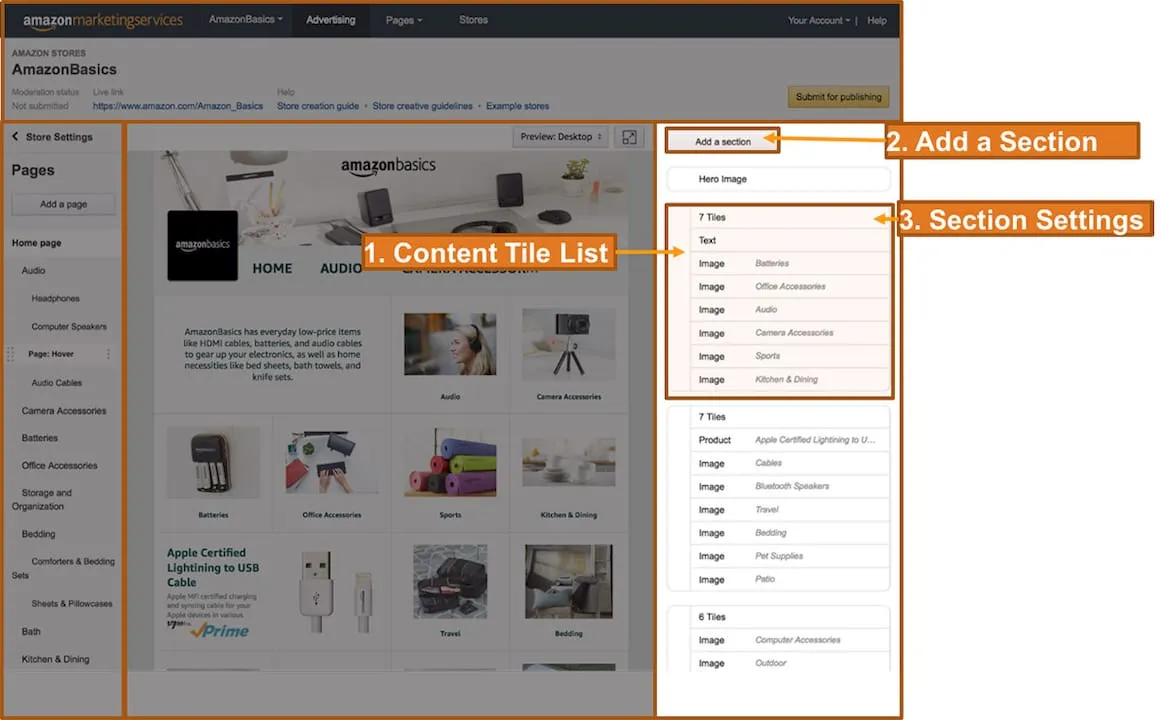
Product page elements offer numerous optimization opportunities. Test hero images showing products in use versus plain white backgrounds. Experiment with benefit-focused headlines compared to feature-focused alternatives. Try different call-to-action button placements, from above the fold to after product details.
Implementing A/B testing on search merchandising rules can significantly increase conversions, with lifts up to 43% demonstrated by O’Neill. Testing how you present search results and product recommendations helps customers find relevant items faster, reducing friction in the buying process. Dynamic merchandising rules that promote best sellers versus new arrivals can reveal important preferences about your audience’s shopping behavior.
Cart page optimization deserves special attention because it directly impacts final conversion. Test different approaches to displaying shipping costs, from free shipping thresholds to flat rate messaging. Experiment with trust signals like security badges, return policies, and customer testimonials placed strategically near checkout buttons.
Pro Tip: Run tests for complete business cycles to account for weekly patterns. B2B audiences behave differently on weekdays versus weekends, while B2C traffic fluctuates based on paydays and seasonal factors.
Avoid common execution mistakes that compromise results. Never change test parameters mid-flight. Don’t run multiple overlapping tests on the same page elements. Ensure your sample includes all relevant traffic sources rather than filtering to specific segments that might not represent your full audience. When you follow amazon product page design testing best practices, you create conditions for discovering genuine performance improvements.
Analyzing results and applying insights for continuous optimization
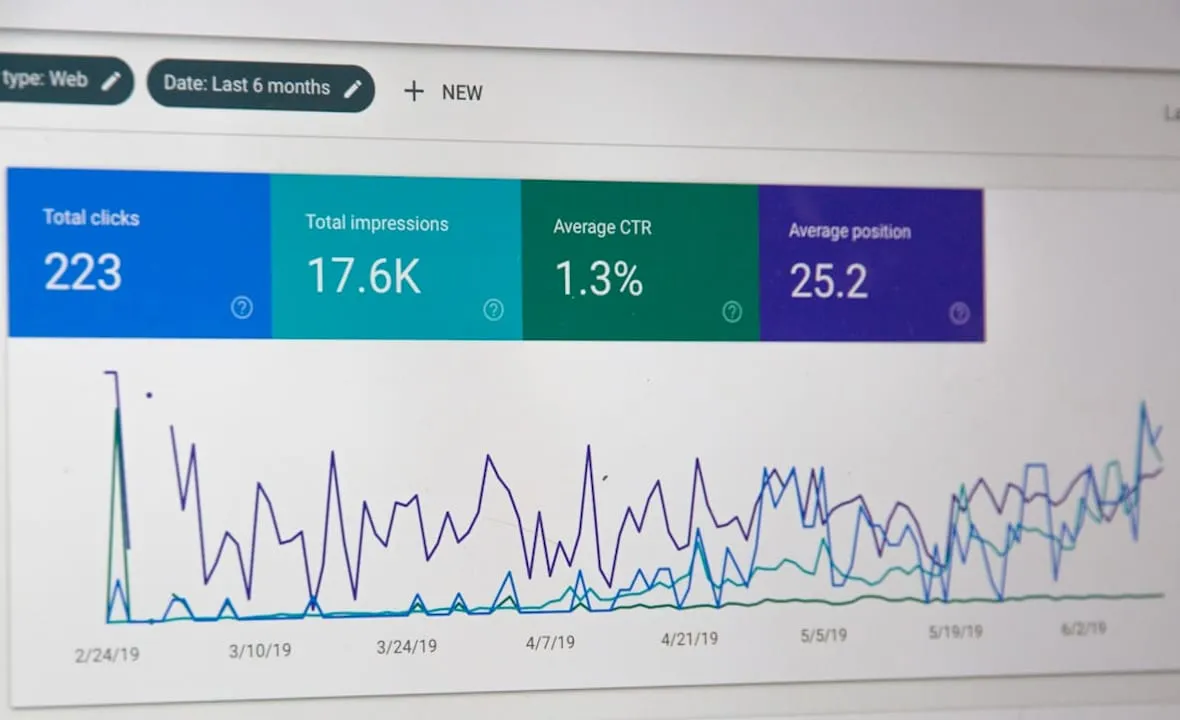
Determining statistical significance separates meaningful results from random noise. Most testing platforms calculate this automatically, but understanding the concept prevents premature decisions. A 95% confidence level means you can be 95% certain the observed difference isn’t due to chance. Reaching this threshold typically requires running tests until you’ve collected sufficient data across multiple conversion cycles.

Common analysis pitfalls undermine even well-executed tests. Stopping tests too early because one variant appears to be winning leads to false positives. The initial spike often regresses to the mean with more data. Similarly, continuing tests indefinitely hoping for different results wastes traffic that could be used for new experiments.
Compare variant performance across multiple dimensions to understand the full impact:
| Metric | Control (A) | Variant (B) | Change | Significance |
|---|---|---|---|---|
| Conversion Rate | 2.8% | 3.4% | +21.4% | Yes (p<0.05) |
| Bounce Rate | 58% | 52% | -10.3% | Yes (p<0.05) |
| Avg Order Value | $87 | $89 | +2.3% | No (p=0.18) |
| Revenue/Visitor | $2.44 | $3.03 | +24.2% | Yes (p<0.05) |
This example shows a clear winner on primary metrics, though average order value didn’t change significantly. The combination of improved conversion rate and reduced bounce rate drove substantial revenue gains.
A/B testing helps identify which adjustments lead to meaningful improvements in user interaction, including minor changes like button color or message wording. Look beyond top-line conversion rates to understand why customers responded differently. Did mobile users behave differently than desktop visitors? Did the winning variant perform better with new customers versus returning ones? These secondary insights inform future tests and broader strategy.
Key considerations when interpreting results:
-
Examine segment-level data to identify if improvements apply universally or only to specific audiences
-
Review qualitative feedback through session recordings or user surveys to understand the “why” behind the numbers
-
Consider external factors like promotions, seasonality, or site-wide changes that might have influenced results
-
Calculate the business impact in actual revenue or profit, not just percentage improvements
Continuous optimization requires treating each test as part of an ongoing learning process. Document findings in a centralized knowledge base that informs future hypotheses. Winning variations become the new control for subsequent tests, creating a cycle of incremental improvements. Failed tests provide equally valuable insights by eliminating ineffective approaches and refining your understanding of customer preferences.
Develop a testing roadmap that prioritizes high-impact opportunities based on traffic volume and potential lift. Analyzing ecommerce data systematically reveals patterns that suggest promising test candidates. Balance quick wins on high-traffic pages with longer-term experiments on complex customer journey elements.
Enhance your split testing strategy with expert help
Running effective split tests at scale requires specialized expertise, dedicated resources, and sophisticated analytics infrastructure. Many growing brands struggle to maintain consistent testing velocity while managing day-to-day operations. Partnering with experienced professionals accelerates your optimization program and ensures you’re applying best practices refined across hundreds of successful campaigns.
Nectar’s profitable brand growth services combine data-driven split testing with full-funnel ecommerce management across Amazon, Walmart, and Shopify. Our proprietary iDerive analytics platform identifies high-impact testing opportunities by analyzing granular performance data that reveals exactly where conversions are being lost. We design, execute, and analyze tests that consistently improve product listing performance and maximize ROI.
Our case studies demonstrate measurable results. We helped a leading brand achieve building the perfect shopping trip on Shopify through systematic testing of product page layouts, merchandising strategies, and checkout flows. Another client saw dramatic improvements using dsp advertising to drive conversions and sales by testing creative variations and targeting approaches.
Whether you’re just starting with split testing or looking to scale an existing program, expert guidance ensures every test generates actionable insights that drive profitable growth.
How to run split testing: frequently asked questions
What is the minimum traffic needed for reliable split testing?
You need enough visitors to reach statistical significance, typically at least 1,000 conversions per variant. Low-traffic pages require longer test durations or more dramatic changes to detect meaningful differences. Calculate required sample size using your baseline conversion rate and expected improvement before launching.
How long should I run a split test before deciding a winner?
Run tests for at least two complete business cycles, typically 2-4 weeks for most ecommerce sites. This accounts for weekly traffic patterns and ensures you capture representative customer behavior. Never stop tests early based on initial results, as this leads to false positives.
Which ecommerce page elements are best to test first?
Start with high-impact, high-visibility elements on your top-traffic product pages. Test hero images, primary headlines, and call-to-action buttons first because they influence the most visitors. These elements typically produce the largest conversion lifts when optimized.
Can split testing help with mobile versus desktop optimization?
Absolutely. Segment your test results by device type to identify platform-specific preferences. Mobile users often respond differently to image sizes, button placements, and content length. Understanding role of split testing across devices helps you create optimized experiences for each platform.
How do I avoid common mistakes in data interpretation?
Wait for statistical significance before declaring winners, examine segment-level data for consistent results, and consider external factors that might influence outcomes. Document your hypothesis and success criteria before testing to prevent post-hoc rationalization. Always validate surprising results with follow-up tests before implementing major changes.
Recommended





































































.webp)