{
"@type": "Article",
"image": {
"url": "https://csuxjmfbwmkxiegfpljm.supabase.co/storage/v1/object/public/blog-images/organization-10884/1775708985716_image.jpeg",
"@type": "ImageObject",
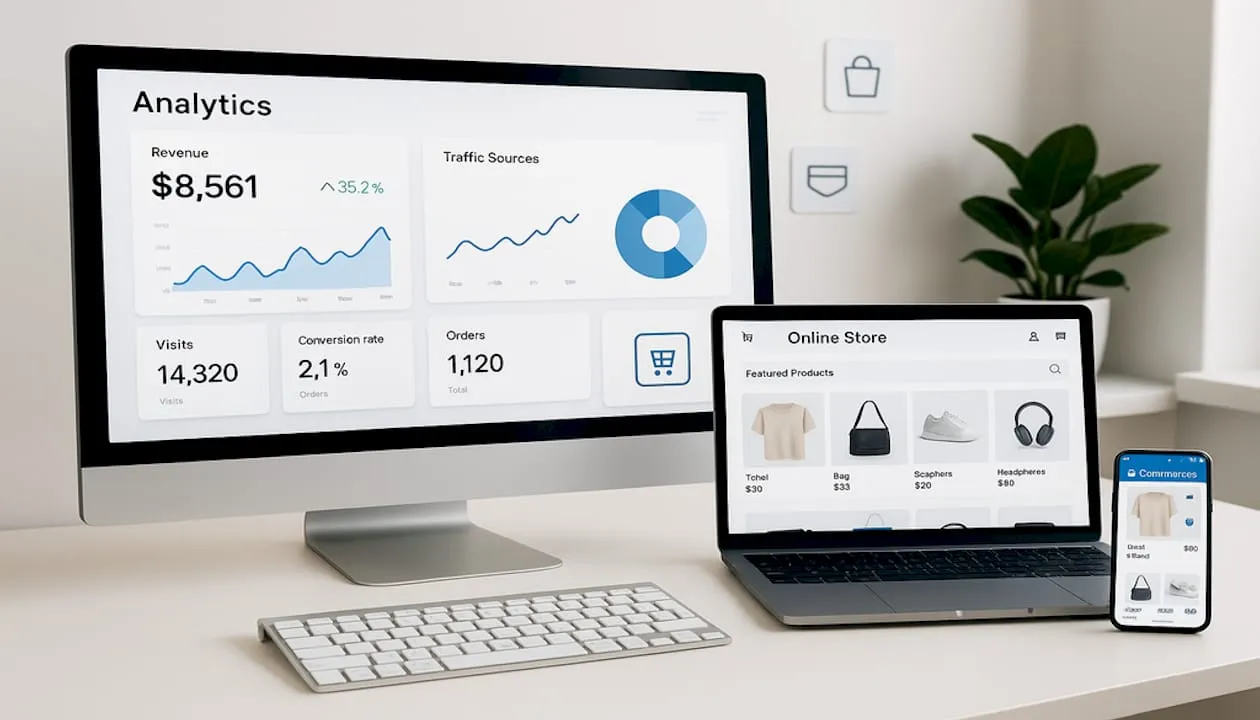
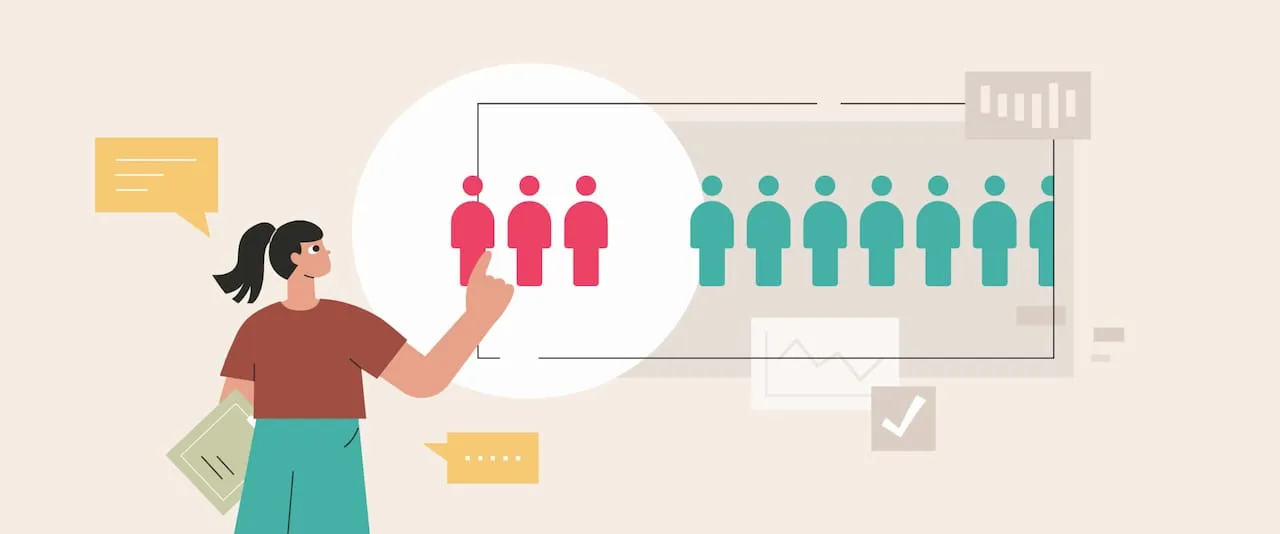
"caption": "Brand manager viewing D2C channel analytics"
},
"author": {
"url": "https://thinknectar.com",
"name": "Thinknectar",
"@type": "Organization"
},
"@context": "https://schema.org",
"headline": "Why brands leverage D2C channels for profitable growth",
"publisher": {
"url": "https://thinknectar.com",
"name": "Thinknectar",
"@type": "Organization"
},
"inLanguage": "en-US",
"articleBody": "Discover why 56% of enterprise brands earn 26-50% revenue from D2C channels and learn the frameworks, data, and hybrid strategies driving profitable D2C growth in 2026.",
"description": "Discover why 56% of enterprise brands earn 26-50% revenue from D2C channels and learn the frameworks, data, and hybrid strategies driving profitable D2C growth in 2026.",
"datePublished": "2026-04-09T04:30:05.668Z"
}
Why brands leverage D2C channels for profitable growth
.webp)

TL;DR:
Nearly half of enterprise brands generate 26-50% of revenue through D2C channels.
Owning customer data via D2C enhances personalization, reduces CAC, and increases lifetime value.
Successful D2C requires strategic diversification, operational discipline, organizational alignment, and ongoing optimization.
Nearly half of enterprise brands already run direct-to-consumer channels, and 56% earn 26-50% of revenue through them. This is not a startup playbook. It is a strategic pillar that Fortune 500 companies, legacy CPG players, and mid-sized challengers are all executing right now. The brands that treat D2C as optional are ceding customer relationships, margin, and data to competitors who understand its compounding advantages. This article breaks down the real drivers behind D2C adoption, the numbers that matter, the risks most guides skip, and the frameworks that actually produce profitable scale in 2026.
Key Takeaways
| Point | Details |
|---|---|
| First-party data power | D2C empowers brands with direct customer insights for smarter marketing and higher retention. |
| Revenue share is rising | Enterprise brands now earn up to 50% of revenue from D2C, making it a core growth driver. |
| Hybrid models win | The most resilient brands blend D2C and wholesale to manage risk, reach, and margin. |
| Execution is everything | D2C success depends on perfecting data, logistics, and customer experience—beyond just launching a store. |
The strategic drivers behind D2C adoption
The most underrated asset in modern commerce is not your product. It is the data trail your customer leaves behind. When you sell through a retailer or marketplace, that trail belongs to someone else. When you sell direct, you own it entirely.
First-party data via D2C enables personalization that third-party channels simply cannot replicate. You know what your customer browsed, what they abandoned, what they repurchased, and what they ignored. That intelligence feeds smarter segmentation, better email flows, and product development decisions grounded in actual behavior rather than aggregated retail reports.
The financial case is equally compelling. Customer acquisition cost (CAC) is the cost to bring one new buyer into your ecosystem. Lifetime value (LTV) is the total revenue that buyer generates over time. D2C amplifies both metrics in your favor when executed well. You eliminate the retailer margin, which means more budget available for acquisition. And because you control the post-purchase experience, you can engineer repeat purchases through loyalty programs, subscriptions, and personalized outreach.
Here is what the data-driven advantage looks like in practice:
-
Behavioral segmentation: Tag customers by purchase frequency, category affinity, and price sensitivity
-
Predictive replenishment: Trigger reorder prompts before customers run out, reducing churn
-
Subscription conversion: Move one-time buyers onto recurring plans to stabilize revenue
-
Community building: Create brand communities that reduce dependence on paid acquisition
-
Zero-party data loops: Use quizzes and surveys to collect declared preferences directly
That last point deserves emphasis. Zero-party data refers to information customers intentionally share with you, like quiz answers, style preferences, or dietary needs. It is more accurate than inferred behavioral data and more durable than third-party cookies. Brands using zero-party data collection strategies are seeing dramatic reductions in CAC because their targeting becomes precise enough to eliminate wasted spend.
Pro Tip: Deploy a short onboarding quiz at the point of email signup or post-purchase. Even five questions about preferences or goals can generate enough zero-party data to meaningfully personalize your first three email sequences, which is where most brands lose new customers.
Subscriptions and brand communities act as LTV multipliers. A subscriber is not just a repeat buyer. They are a predictable revenue unit that lowers your blended CAC over time and provides demand signals you can use for inventory planning. Pair subscriptions with a private community and you create a feedback loop that most wholesale relationships cannot touch. The enterprise D2C guide outlines how leading brands are structuring these retention ecosystems, and the results consistently outperform traditional channel models on LTV. You can also explore ecommerce retention strategies that enterprise brands use to keep customers engaged long after the first purchase.
Market impact: D2C by the numbers
The scale of D2C’s growth is not speculative. The global D2C market is projected to surpass $300 billion in 2026, and the brands capturing that revenue are not all startups. Legacy players across consumer goods, apparel, health, and electronics have made D2C a core revenue line.

Consider what the adoption data actually shows. Among enterprise brands that have launched D2C channels, 80% reported 26-50% annual growth in those channels. That is not incremental improvement. That is a structural shift in where revenue originates and who controls it.

The table below illustrates how D2C revenue contribution varies across sectors:
| Sector | Avg. D2C revenue share | Primary D2C driver |
|---|---|---|
| Apparel and footwear | 35-50% | Brand experience and exclusives |
| Health and wellness | 40-60% | Subscriptions and personalization |
| Consumer electronics | 20-35% | Product education and bundles |
| Food and beverage | 15-30% | Subscription and community |
| Beauty and personal care | 45-65% | Sampling, quizzes, loyalty |
The D2C revenue benchmarks for health and beauty categories are particularly striking because those sectors have invested heavily in personalization infrastructure. When your product requires matching to individual needs, owning the data is not just an advantage. It is a requirement for sustainable growth.
“80% of DTC brands fail before year 3.” The market rewards disciplined operators, not just early movers. Speed without infrastructure is the most common failure mode.
CAC for D2C brands currently averages between $38 and $50 per acquired customer in competitive categories, and that number has climbed significantly in recent years. The LTV:CAC ratio is the metric that separates profitable D2C operations from expensive experiments. A healthy benchmark is 3:1 or higher, meaning every dollar spent acquiring a customer should return at least three dollars over their lifetime. Brands that cannot achieve this ratio in their D2C channel are typically underinvesting in retention or over-relying on paid acquisition. Data-driven ecommerce advertising frameworks help brands model these ratios before scaling spend, which is where most unprofitable D2C operations go wrong.
Risks and challenges: What keeps brands up at night
D2C’s upside is real. So is its complexity. The brands that struggle are usually the ones that launched D2C channels without fully accounting for the operational and financial demands that come with owning the customer relationship end to end.
CAC has risen 60-80% post-iOS14, averaging $38-50 in competitive categories. Apple’s privacy changes disrupted the targeting infrastructure that many D2C brands built their entire acquisition models on. Brands that relied heavily on Facebook retargeting saw their cost structures collapse almost overnight. Rebuilding on first-party and zero-party data takes time and investment.
Beyond acquisition costs, here are the operational pitfalls that most D2C guides underplay:
-
Fulfillment complexity: Managing SKU proliferation, carrier relationships, and last-mile delivery at scale is expensive and error-prone
-
Return-to-origin (RTO) rates: High RTO in categories like apparel and electronics erodes margin faster than most brands model in their unit economics
-
Inventory risk: Without retailer buffers, demand forecasting errors hit your balance sheet directly
-
Channel conflict: Selling direct while maintaining wholesale relationships creates pricing tension and retailer friction
-
Technology debt: Stitching together disparate platforms for checkout, CRM, analytics, and fulfillment creates fragility at scale
The comparison below shows how pure D2C and hybrid models differ on key operational dimensions:
| Dimension | Pure D2C | Hybrid D2C and wholesale |
|---|---|---|
| Gross margin | Higher (40-65%) | Moderate (30-50%) |
| CAC exposure | High | Distributed |
| Reach | Limited by owned channels | Broad via retail partners |
| Inventory risk | Fully owned | Shared with partners |
| Channel conflict risk | Low | Moderate to high |
| Operational complexity | High | Very high |
Pro Tip: If you are navigating channel conflict, consider creating D2C-exclusive SKUs, bundles, or subscription offerings that do not compete directly with your wholesale assortment. This gives retail partners a clear lane while protecting your D2C margin story. Review digital advertising pitfalls that commonly erode D2C profitability before scaling paid spend. For brands already managing this complexity, data-driven scaling strategies provide a structured approach to growing without compounding operational risk. Hybrid omnichannel models are increasingly the preferred structure for enterprise brands managing both margin and reach.
Frameworks for D2C success: Action steps for 2026
Execution separates the brands that make D2C work from those that treat it as a marketing experiment. Here are the five keys that consistently drive profitable D2C performance at scale:
-
Build your data capture infrastructure first. Before scaling acquisition spend, deploy zero-party data collection mechanisms. Zero-party data collection via quizzes and surveys can reduce CAC by up to 428% and subscriptions boost LTV 2-3x. Quizzes, preference centers, and post-purchase surveys are the foundation of everything that follows.
-
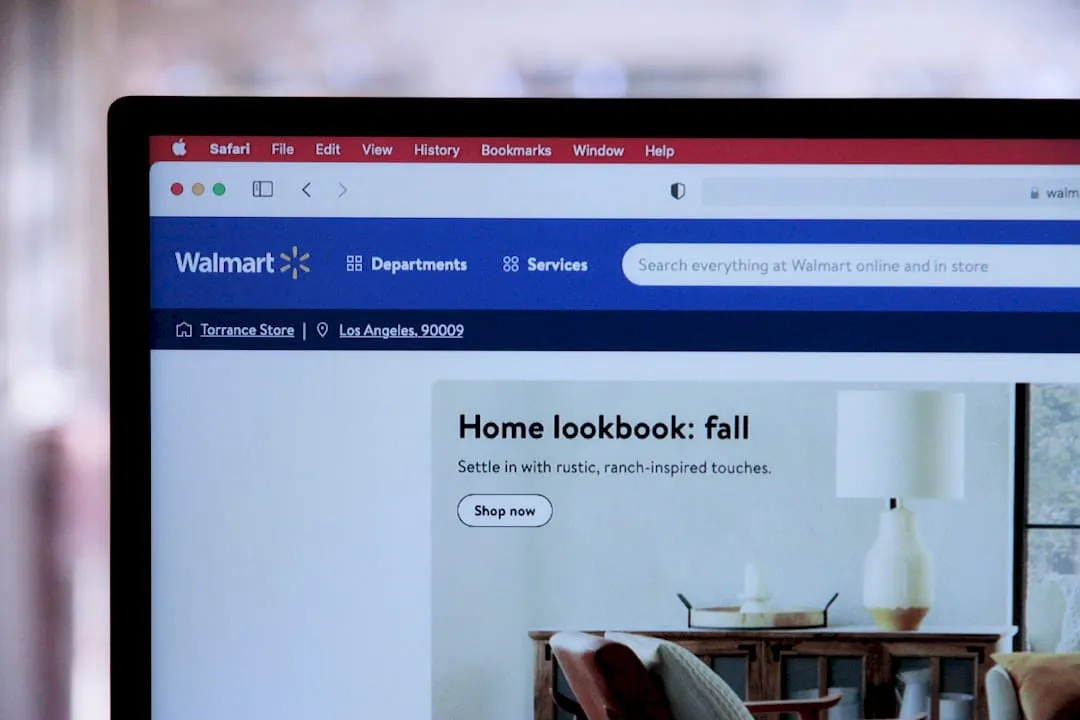
Diversify your channel mix intentionally. Do not let D2C become a single-channel bet. Marketplace presence on Amazon or Walmart extends reach while your owned channel handles high-margin repeat buyers. Coordinate messaging and pricing across channels with deliberate strategy, not reactive patching.
-
Engineer retention economics into your model. Acquisition is a cost. Retention is an investment. Structure your post-purchase experience around retention strategies that convert one-time buyers into subscribers. A customer on a subscription plan has a predictable LTV that justifies higher upfront acquisition spend.
-
Orchestrate your hybrid model proactively. If you sell through wholesale and D2C simultaneously, assign clear roles to each channel. Wholesale handles volume and new-market penetration. D2C handles loyalty, data, and margin optimization. Explore Shopify D2C tactics to build a storefront infrastructure that supports this orchestration without creating pricing conflicts.
-
Align cross-functional leadership around D2C metrics. The brands that fail at D2C often have siloed teams where marketing owns acquisition, operations owns fulfillment, and finance owns margin, but nobody owns the full unit economics picture. Appoint a D2C lead who reports across functions and is accountable for LTV:CAC, not just revenue. Scaling with data requires organizational alignment, not just better tools.
Community is the multiplier most brands underinvest in. A brand community reduces your dependence on paid acquisition by turning customers into advocates. It also generates qualitative insight that no analytics dashboard captures.
A hard truth about D2C most brands miss
Every D2C guide will tell you to own your customer relationship. Fewer will tell you that pure D2C rarely scales profitably above 40% of total sales without either hybridization or exceptional operational discipline.
Nike is the most cited example in D2C strategy conversations. The brand pushed D2C to 40% of revenue and then pulled back, restoring wholesale to 56% because the fixed cost burden and reach limitations of a pure direct model created margin pressure that outweighed the data advantages. Nike had the brand equity, the technology, and the capital. If the math did not work for them at scale, it will not work for most brands that attempt the same playbook without those advantages.
The lesson is not that D2C is flawed. It is that dogmatic commitment to any single model is the actual risk. The brands building durable D2C operations in 2026 are treating it as one channel in a portfolio, not the entire portfolio. They are using D2C evolution insights to calibrate how much direct revenue their infrastructure can profitably support at each stage of growth, and they are adjusting that mix as costs, competition, and customer behavior shift. True operational agility is not about having the best technology stack. It is about having the organizational willingness to revise your model when the data tells you to.
Ready to optimize your D2C channel for growth?
Building a profitable D2C operation is not a one-time launch. It is an ongoing discipline that requires the right blend of creative, data, and channel strategy working together. The frameworks in this article give you a starting point, but execution at scale demands more than a checklist.
Nectar’s team works with mid-sized and enterprise brands to build D2C and marketplace strategies that compound over time. From Shopify D2C solutions that convert browsers into loyal buyers to marketplace expansion support that extends your reach without sacrificing margin, we bring the analytics, creative, and full-funnel management your growth requires. Explore our brand growth services and see how we help brands turn D2C complexity into competitive advantage.
Frequently asked questions
What is the primary benefit of D2C for enterprise brands?
D2C provides direct access to first-party customer data, enabling personalization, lower CAC, and higher LTV. Owning that data relationship is the foundation of every downstream retention and margin advantage.
How much revenue do leading brands earn from D2C channels?
56% of enterprise brands now generate 26-50% of their total revenue directly through D2C channels, making it a primary revenue line rather than a supplemental one.
What are the biggest risks for D2C brands?
High CAC post-iOS14, logistics and RTO costs, inventory risk, and channel conflict are the four challenges most likely to undermine D2C profitability without a hybrid strategy in place.
How can brands lower CAC in D2C channels?
Zero-party data reduces CAC by 312-428% when deployed through quizzes and preference surveys, while subscriptions boost LTV 2-3x, improving the overall LTV:CAC ratio without increasing spend.
Recommended