What Is Retail Media Advertising for Brand Managers
.webp)

TL;DR:
- Retail media advertising leverages first-party purchase data within retailer environments to target high-intent shoppers and enable closed-loop measurement of ad impact. It encompasses onsite, offsite, and in-store formats tailored to different purchase funnel stages, providing a strategic advantage over traditional display advertising. Building a successful retail media strategy requires intent-based planning, cross-functional ownership, and rigorous measurement through incrementality testing.
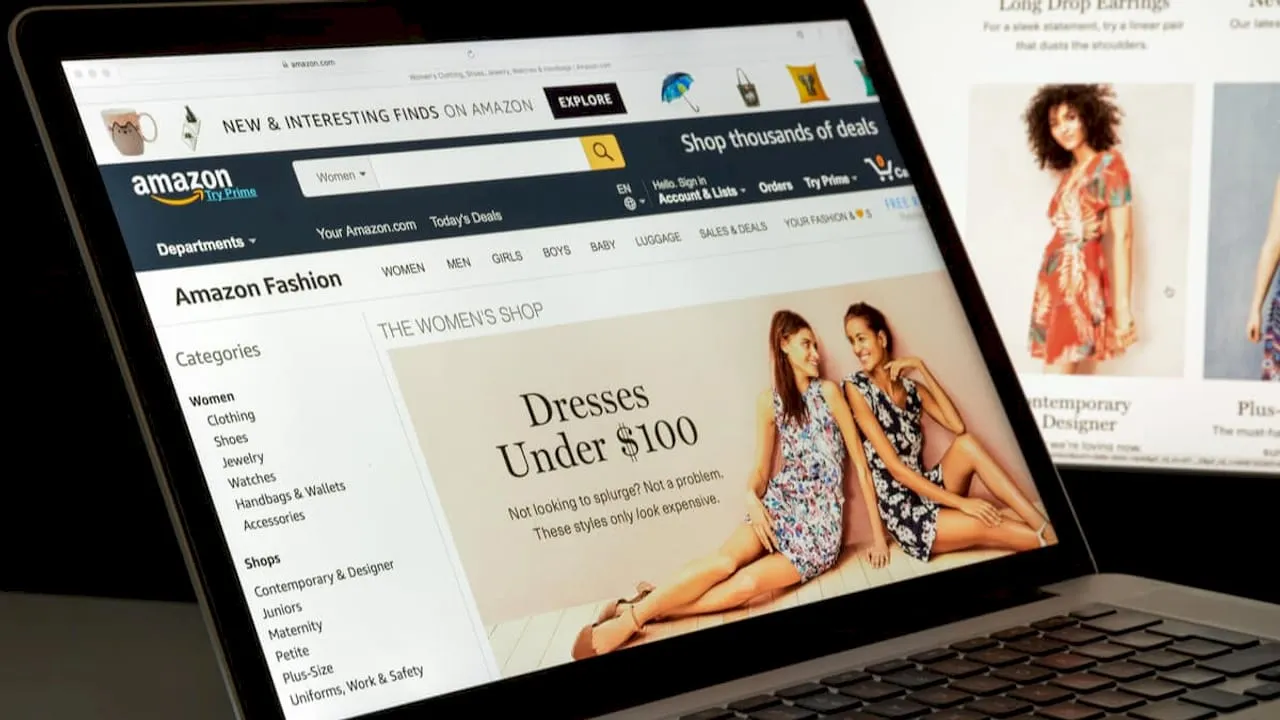
Retail media advertising is not a fancier version of display advertising. It’s a fundamentally different model, one where your ads appear inside the retailer’s own environment, powered by real purchase data from real shoppers. Most brand managers first encounter it through Amazon Sponsored Products and assume they understand it. They don’t. The channel spans sponsored search, offsite audience targeting, in-store digital screens, and closed-loop measurement that connects ad spend directly to sales. Understanding how it actually works determines whether your budget drives growth or disappears into a ROAS report nobody believes.
Key takeaways
| Point | Details |
|---|---|
| Retail media is purchase-powered | Ads run on retailer-owned properties using transactional first-party data, not modeled audience segments. |
| Three distinct placement types exist | Onsite, offsite, and in-store formats serve different intent stages and require separate planning. |
| Closed-loop measurement is a real advantage | You can link ad exposure directly to a purchase, a capability open-web advertising cannot replicate. |
| Market concentration is accelerating | Amazon is forecast to exceed $75 billion in revenue by 2028, making network selection a strategic decision. |
| Intent-stage alignment drives results | Matching your ad format to where shoppers are in the purchase funnel prevents fragmented attribution. |
What is retail media advertising and how it works
The formal definition of retail media advertising is straightforward: brands pay to place ads on a retailer’s owned digital properties, including websites, apps, email, and sometimes in-store screens, using that retailer’s first-party shopper data to target audiences. The mechanism behind it is what separates it from everything else in your media mix.
Retailers collect transaction history, browsing behavior, and loyalty program data at a scale most brands could never build independently. They package this data into a retail media network (RMN) and sell advertising access to the brands whose products they stock. When a shopper searches for “protein powder” on a grocery retailer’s app, the brand bidding on that keyword reaches someone who is actively shopping, not just browsing content that happens to be adjacent to a product category.
Retail media advertising reaches shoppers at decision moments using first-party data from transactions, browsing behavior, and loyalty program signals. This is what creates closed-loop attribution. The retailer can match an ad impression to a completed purchase because both events happen within their ecosystem. That capability does not exist in traditional programmatic or social advertising, where a click rarely ties back to an actual sale with certainty.

There is also an important distinction between retail media and commerce media worth knowing. Retail media is restricted to ads on a retailer’s own platforms and data, while commerce media uses purchase signals across a wider range of channels. This distinction matters because it scopes your measurement expectations and helps you set realistic reach targets for each network you enter.
Key components of any retail media network include:
-
Sponsored search placements within the retailer’s search results, triggered by shopper keyword queries
-
Onsite display ads on category pages, homepages, and product detail pages
-
Offsite audience targeting that uses retailer data to reach shoppers on external platforms like social media or connected TV
-
In-store digital screens in physical retail locations, an emerging format with strong point-of-sale intent
-
Closed-loop reporting that ties ad spend to verified purchases within the retailer’s system
Pro Tip: Treat each retail media network as its own media channel with its own audience, inventory, and attribution logic. Applying a single campaign framework across all networks is one of the fastest ways to misread performance data.
Types of retail media placements and formats
Not all retail media inventory is equal, and the format you choose should correspond directly to where your shopper is in the purchase decision process. Mapping placement type to intent stage is a discipline most brands skip, and it shows up in their results.
-
Onsite sponsored products and search. These appear directly in search results when a shopper queries a relevant keyword. Intent is at its peak here. The shopper has typed a category or product term, which signals they are ready to buy or actively comparing options. Sponsored products on Amazon are the most recognized example, but Walmart Connect and Target’s Roundel offer similar placements. This is lower-funnel territory.
-
Onsite display ads. Banner and native display units appear on category browse pages, editorial content, and homepages within the retailer’s site or app. Shoppers here are exploring rather than querying. Placement targets audiences by category affinity or past purchase behavior. This format works for brand awareness and new product discovery, making it mid-funnel.
-
Offsite retail media. Retailers use their shopper audience data to reach those same shoppers on external platforms, including Meta, Google, YouTube, and connected TV. Because the targeting is grounded in real purchase history rather than modeled interests, the audience quality tends to be higher than standard social targeting. This is upper-to-mid funnel work that builds demand before shoppers even enter the retailer’s environment.
-
In-store digital ads. Digital end-caps, shelf-edge screens, and checkout media place your brand in front of shoppers at the physical point of purchase. Ad planning should match format to consumer intent for better attribution, and in-store formats represent the highest-intent moment of all. Adoption is still growing, but major grocery networks have made significant investment here.
-
Email and owned media placements. Retailer-curated email newsletters and push notifications to loyalty members give brands access to opted-in, high-value customers. Conversion rates here are typically stronger than open-web display because recipients already have a shopping relationship with the retailer.
Pro Tip: Before selecting placements, ask yourself where in the purchase journey your audience currently is. Pouring budget into sponsored search for a new product category launch will underperform because awareness has not been built yet. Start offsite and move lower funnel as recognition grows.
Benefits of retail media advertising
The strongest case for retail media advertising is not reach or brand safety. It’s precision. The first-party purchase data underpinning retail media lets brands deliver ads where shoppers already intend to buy and measure impact with a level of certainty open-web advertising cannot offer. That combination is rare in digital marketing.
Here is where the benefits of retail media advertising become concrete:
-
High purchase intent targeting. You are reaching shoppers inside a buying environment, not interrupting content consumption. Someone searching for your product category on a retailer’s site is far more likely to convert than someone seeing a banner ad on a news website.
-
Closed-loop ROAS measurement. Closed-loop attribution links ad exposures to point-of-sale data, which means you can calculate return on ad spend against actual purchases, not modeled conversions.
-
Resilience to cookie deprecation. Retail media runs on first-party retailer data, not third-party cookies. As the open web loses its tracking infrastructure, retail media’s data advantage grows stronger, not weaker. Your targeting does not degrade over time.
-
Omnichannel integration. Retail media connects to omnichannel strategy by linking digital ad exposure to both online and in-store purchase signals. For brands with significant brick-and-mortar volume, this integration turns previously invisible sales into measurable outcomes.
-
Competitive positioning at the point of decision. Winning a sponsored search placement in a high-volume category means your competitor’s product is less visible when purchase intent is highest. Defensive and offensive applications both deliver measurable value.
For a deeper look at how data-driven advertising feeds these outcomes at scale, the connection between signal quality and campaign performance is worth exploring in detail.
Market trends and challenges you need to know
The retail media market is maturing fast, and the dynamics are not evenly distributed. Amazon’s dominance is well-documented. It is forecast to exceed $75 billion in retail media revenue by 2028, a number that dwarfs every other retail media network. For brand managers, this concentration creates a strategic decision: build deep expertise on the dominant platform or diversify across emerging second-tier networks.
Challenges that currently define the retail media landscape:
-
Measurement standardization is still unsolved. Standardized incrementality measurement does not yet exist across retail media networks. Every RMN reports ROAS differently, making cross-network comparisons unreliable. Brands making budget allocation decisions across multiple networks are frequently comparing metrics that do not mean the same thing.
-
Market concentration squeezes smaller networks. The long tail of smaller networks is falling behind scaled players in technology, inventory quality, and reporting capabilities. Not every retailer launching an RMN can deliver the infrastructure brands need.
-
Operational complexity is underestimated. Successful retail media requires cross-functional teams spanning commerce, ad sales, data, privacy, and customer experience. For most brands, this means breaking down silos between trade marketing, digital, and e-commerce teams that have traditionally operated independently.
-
Offsite measurement is less mature. While offsite retail media offers scale and audience quality advantages, attribution becomes murkier when the ad impression happens outside the retailer’s owned environment. Incrementality testing is the standard for solving this, but few brands have a consistent methodology in place.
Building a practical retail media strategy
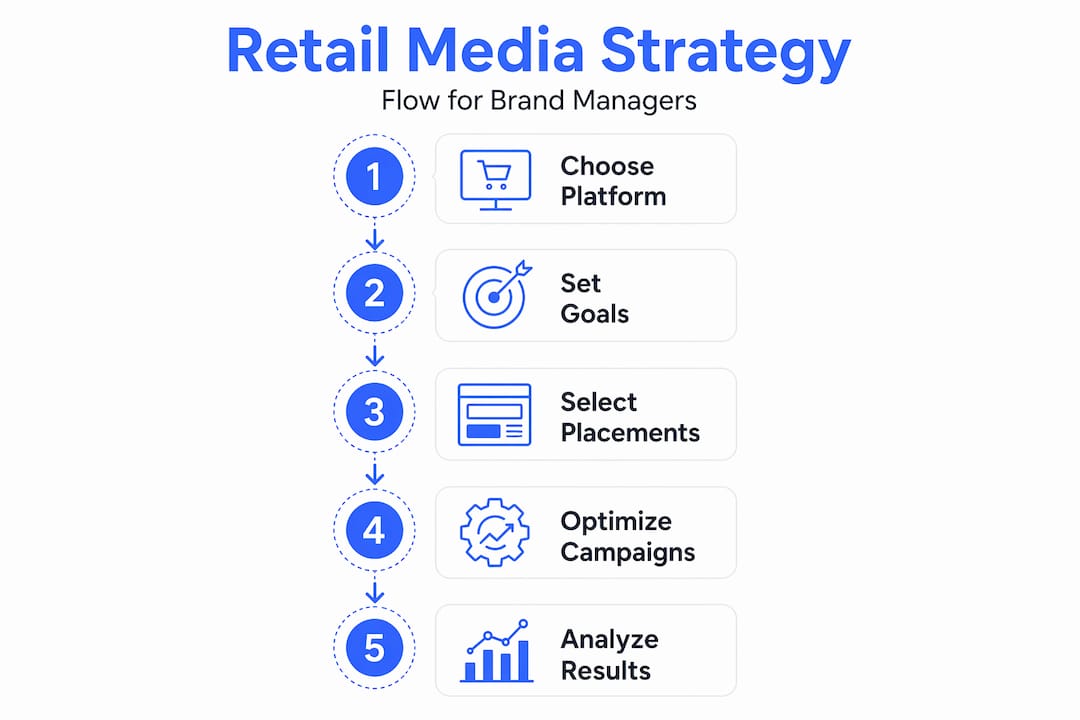
Understanding what retail media advertising is matters less than knowing how to operationalize it. A practical retail media strategy starts with a clear framework for planning, not with choosing a network.
-
Start with intent stage, not inventory. A common strategic error is selecting networks first instead of mapping formats to audience intent stage. Define where your target shopper is in the purchase journey before touching a campaign interface. Upper-funnel needs look completely different from lower-funnel defense.
-
Select networks based on inventory scale and data quality. Not all RMNs are built equally. Evaluate each network on the depth of its first-party data, the quality of its attribution reporting, and whether its customer base overlaps meaningfully with your buyers.
-
Build an incrementality testing framework early. Practical measurement requires more than ROAS tracking. Design holdout tests from the start so you can distinguish sales you drove from sales that would have happened anyway. This is especially critical when justifying offsite spend.
-
Align your creative to the placement context. Sponsored search creative is not the same as offsite video creative. Each format and intent stage needs messaging and visual treatment calibrated to where the shopper is mentally. For practical examples of how formats translate to performance, ad creative approaches across e-commerce channels illustrate the difference.
-
Build cross-functional ownership. Retail media sits at the intersection of trade marketing budgets and digital advertising. Assigning ownership to one team without the other creates blind spots in both planning and measurement.
Pro Tip: Treat retail media budget allocation as a portfolio decision, not a line item. Balance lower-funnel sponsored search for volume with offsite investment for demand creation, and review that balance quarterly as your category and competitive position shift.
My honest take on what most marketers get wrong
I’ve watched brands pour significant budget into retail media and then wonder why their results plateau. In my experience, the issue is almost never the channel. It’s the mental model.
Most teams treat retail media as a tactical execution layer. They optimize bids, tweak targeting, and chase ROAS as though it were the final word on performance. What they miss is that retail media is a strategic pillar, not a campaign type. The brands gaining durable market share on Amazon and Walmart are the ones that have integrated their retail media investment with their trade promotion strategy, their content quality, and their product assortment decisions. The ad is the last step, not the first.
The other thing I’ve come to believe strongly is that measurement anxiety is costing brands real money. Because standardized incrementality does not exist across networks, many teams default to whatever metric the RMN surfaces natively. That is not measurement. That is reporting dressed up as insight. The brands I respect most are the ones running holdout experiments consistently, even when the results make previous spending decisions look questionable.
Finally, the onsite versus offsite balance deserves more deliberate thought than it usually gets. Most brands underinvest in offsite because the attribution is harder. But offsite is where demand gets created before shoppers search. If you only show up at the bottom of the funnel, you are competing on the back of someone else’s awareness investment.
— Dan
How Nectar can strengthen your retail media performance
If retail media advertising is becoming a larger part of your growth strategy, the gap between running campaigns and running them well is significant.
Nectar manages retail media campaigns across Amazon, Walmart, and Shopify as a fully integrated practice, not as a separate add-on. The agency’s proprietary iDerive analytics platform connects ad performance to granular sales data so your team can make budget decisions grounded in incrementality, not just reported ROAS. From sponsored search to DSP offsite campaigns, Nectar’s brand growth services are built for mid-sized and enterprise brands that need full-funnel management to scale profitably and protect category share.
FAQ
What is the definition of retail media advertising?
Retail media advertising is the practice of brands buying ad placements on a retailer’s own digital properties using that retailer’s first-party shopper data for targeting and closed-loop sales measurement. It differs from traditional digital advertising because targeting and attribution are based on actual purchase behavior rather than modeled audiences.
How does retail media work for brands?
Brands bid for placements within a retailer’s search results, category pages, or email channels through the retailer’s media network. The retailer uses its transaction and browsing data to match ads to high-intent shoppers and then reports performance back using verified purchase data.
What are the main types of retail media?
Retail media includes onsite formats like sponsored products and display ads, offsite placements that use retailer audience data on external platforms, and in-store digital screens. Each format serves a different stage of the purchase funnel and requires separate planning and measurement.
Is retail media advertising effective?
Yes, particularly at lower purchase-funnel stages where shoppers are actively searching within a retail environment. Effectiveness depends on matching the ad format to the intent stage, the quality of the retailer’s first-party data, and whether the brand has implemented proper incrementality testing rather than relying solely on native ROAS metrics.
What is the difference between retail media and commerce media?
Retail media is limited to ads placed on a retailer’s own platforms using their proprietary data. Commerce media is a broader category that uses purchase signals across multiple channels and platforms beyond any single retailer’s owned properties.
Recommended