{
"@type": "Article",
"image": {
"url": "https://csuxjmfbwmkxiegfpljm.supabase.co/storage/v1/object/public/blog-images/organization-10884/1776475424850_E-commerce-manager-reviews-marketing-data-at-desk.jpeg",
"@type": "ImageObject",
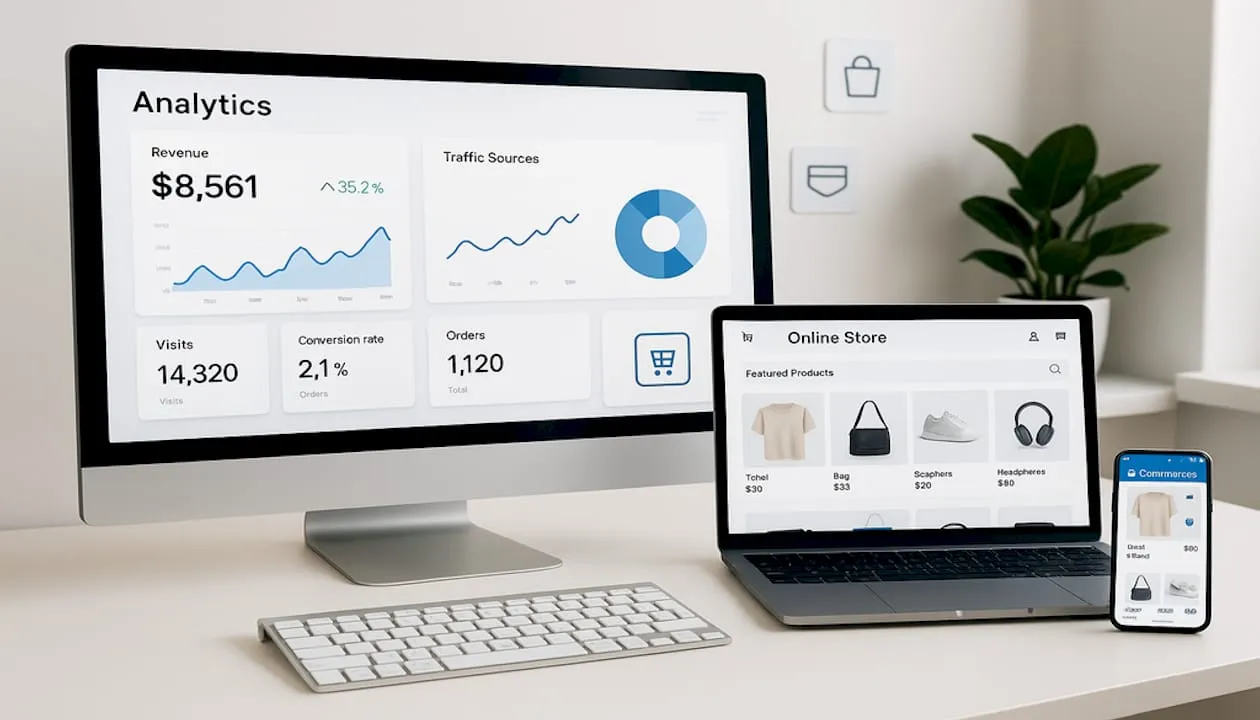
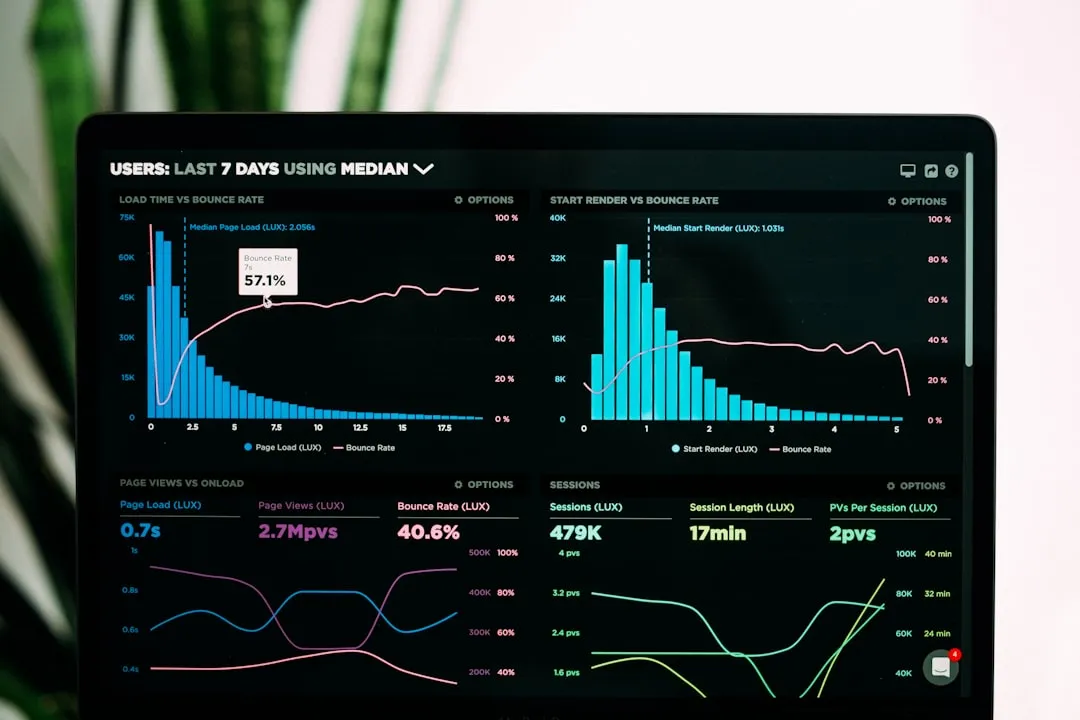
"caption": "E-commerce manager reviews marketing data at desk"
},
"author": {
"url": "https://thinknectar.com",
"name": "Thinknectar",
"@type": "Organization"
},
"@context": "https://schema.org",
"headline": "Top benefits of data-driven marketing for e-commerce ROI",
"publisher": {
"url": "https://thinknectar.com",
"name": "Thinknectar",
"@type": "Organization"
},
"inLanguage": "en-US",
"articleBody": "Discover the top benefits of data-driven marketing for e-commerce ROI, including 20-50% higher returns, lower CAC, and personalization strategies that scale.",
"description": "Discover the top benefits of data-driven marketing for e-commerce ROI, including 20-50% higher returns, lower CAC, and personalization strategies that scale.",
"datePublished": "2026-04-18T01:23:51.045Z"
}
Top benefits of data-driven marketing for e-commerce ROI
.webp)

TL;DR:
Data-driven marketing can improve ROI by 20-50% and increase profitability sixfold.
Personalization reduces friction, boosts conversions, and drives higher customer lifetime value.
Successful implementation relies on unified data collection, quality management, and cross-team alignment.
Every marketing manager at a mid-sized or enterprise e-commerce brand knows the pressure: leadership wants proof that spend is working, customers expect personalized experiences, and every dollar needs to stretch further. Guesswork-based campaigns and disconnected data stacks are no longer acceptable when competitors are running precision-targeted, fully automated funnels. Data-driven marketing closes that gap by replacing intuition with evidence, turning raw behavioral and transactional signals into decisions that move revenue. This article breaks down the core benefits, the real challenges, and the exact steps your team can take to build a strategy that delivers measurable, repeatable growth.
Key Takeaways
| Point | Details |
|---|---|
| Stronger ROI | Data-driven marketing can improve ROI by 20–50% and increase profitability for e-commerce brands. |
| Personalization wins | Personalized strategies boost conversion by 32% and deepen customer engagement. |
| Lower costs, higher LTV | Brands experience up to 43% lower acquisition cost and a 78% increase in lifetime customer value. |
| Four key pillars | Unified data, attribution, predictive analytics, and first-party focus are crucial for success. |
| Avoid common pitfalls | Main obstacles are poor data quality and strategy gaps, not just technology limitations. |
ROI gains and the profitability impact of data-driven marketing
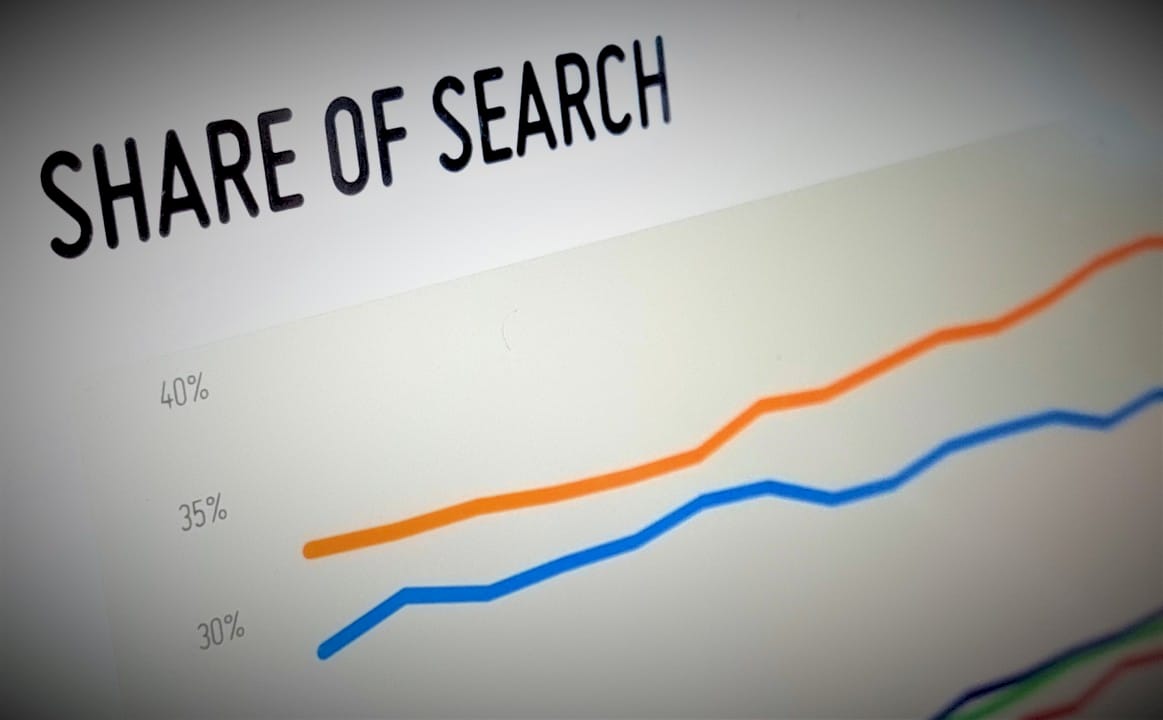
The financial case for data-driven marketing is not theoretical. Brands that commit to analytics-backed decision-making see 20–50% ROI improvement on their marketing investments, with analytics programs alone delivering 5–8x returns. Campaign ROI climbs by an average of 31% once targeting is grounded in real customer data rather than demographic assumptions.
The profitability gap between data-driven and traditional firms is striking. Data-driven firms are 6x more profitable, and Netflix is the most cited example: the company grew revenue 8x by building its entire content and marketing engine around behavioral data. For e-commerce brands, the equivalent is using purchase history, browse patterns, and cart signals to decide what to promote, to whom, and at what price point.
Key ROI metrics to track: Return on ad spend (ROAS) measures revenue generated per advertising dollar. Customer acquisition cost (CAC) tracks how much you spend to win each new buyer. Lifetime value (LTV) projects total revenue from a customer relationship. Together, these three numbers tell you whether your data strategy is actually working.
| Metric | Baseline (no data strategy) | With data-driven approach |
|---|---|---|
| Marketing ROI improvement | 0% | 20–50% |
| Analytics investment return | 1–2x | 5–8x |
| Campaign ROI lift | Flat | +31% |
| Profitability vs. peers | Average | 6x higher |
The improvements stem from three mechanics: more precise audience targeting reduces wasted impressions, automation eliminates manual bidding errors, and continuous testing surfaces the creative and offer combinations that actually convert. Brands that increase ecommerce ROI consistently do so by tightening the feedback loop between data collection and campaign execution.
You can also review data-driven advertising frameworks that show how leading e-commerce brands structure their analytics stack to capture these gains. The data-driven marketing statistics landscape confirms these numbers are not outliers; they reflect what happens when strategy replaces guesswork.
Pro Tip: Before chasing advanced attribution models, lock in your baseline ROAS and CAC numbers. You cannot improve what you have not measured, and clean baselines make every future test meaningful.
Personalization and customer engagement: The engine of modern commerce
ROI gains are compelling, but the mechanism driving them is personalization. 80% of consumers are more likely to buy from brands that personalize their experience, Amazon generates 35% of its total revenue from its recommendation engine, and personalized campaigns convert 32% higher than generic ones. These are not marginal improvements; they represent the difference between a brand that grows and one that stagnates.

Personalization works because it reduces friction. When a shopper sees a product recommendation that matches their recent browse history, or receives a discount on a category they buy repeatedly, the decision to purchase becomes easier. That ease translates directly into higher average order value (AOV) and lower cart abandonment rates.
The three core personalization mechanisms every e-commerce brand should implement are:
-
Behavioral segmentation: Group customers by purchase frequency, category affinity, and recency to send relevant offers instead of broadcast promotions.
-
Predictive recommendations: Use collaborative filtering or machine learning models to surface products a customer is likely to want before they search for them.
-
Triggered messaging: Automate emails, push notifications, and retargeting ads based on specific actions like cart abandonment, product views, or post-purchase windows.
Using ecommerce data for personalization effectively requires a unified customer profile that connects online behavior, purchase history, and engagement signals. Without that unified view, personalization becomes fragmented and inconsistent, which erodes trust rather than building it.
“Personalization is not a feature; it is the expectation. Brands that treat it as optional are actively choosing to lose revenue to competitors who treat it as a core capability.”
Remarketing strategies are a practical starting point for brands that want to activate personalization quickly. Re-engaging shoppers who have already shown intent is the fastest path to conversion lift without increasing top-of-funnel spend. A solid data-driven marketing strategy ties these tactics together into a coherent customer journey rather than a collection of disconnected touchpoints.
Pro Tip: Start personalization with your highest-value segment, repeat buyers. They already trust your brand, so even modest personalization improvements produce outsized LTV gains.
Reducing costs and maximizing customer lifetime value
Personalization increases conversion, but data’s role does not stop at the point of sale. The same analytics infrastructure that powers recommendations also identifies which acquisition channels, audience segments, and creative formats deliver the lowest CAC and highest LTV. That combination is where sustainable profitability lives.
The numbers are significant. Data-driven marketing cuts CAC by 43%, increases LTV by 78%, and in documented case studies has delivered projected ROI of 303%. Acquisition costs drop because you stop spending on audiences that do not convert and double down on the segments that do. LTV grows because personalized post-purchase experiences increase repeat purchase rates.
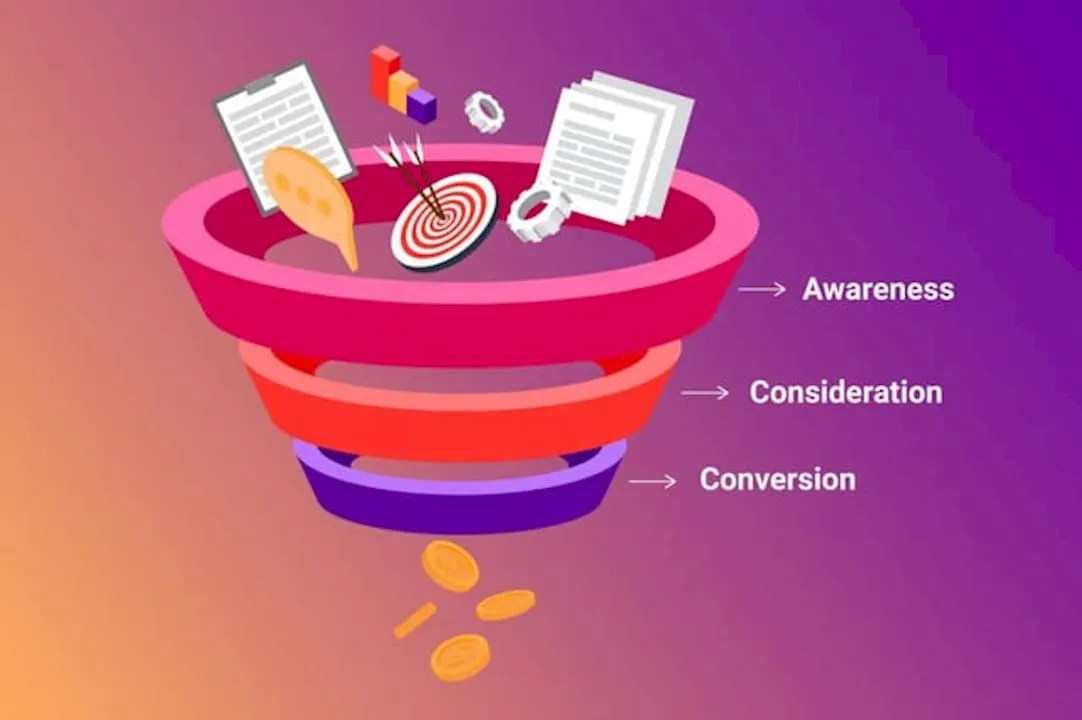
Attribution modeling is the tool that makes this possible. Multi-touch attribution assigns credit to each marketing touchpoint in a customer’s path to purchase, so you know whether your top-of-funnel awareness spend is actually contributing to conversions or just consuming budget. Without proper attribution, brands routinely over-invest in last-click channels and starve the upper-funnel tactics that drive new customer discovery.
Here is a practical sequence for building a cost-efficient, LTV-focused data strategy:
-
Establish baseline KPIs. Measure current CAC, LTV, and ROAS by channel before making any changes.
-
Unify your data sources. Connect ad platforms, your CRM, and your storefront into a single analytics environment.
-
Segment by value tier. Identify your top 20% of customers by LTV and reverse-engineer what acquisition channels and messaging brought them in.
-
Reallocate spend. Shift budget toward the channels and audiences that produce high-LTV customers, not just high-volume conversions.
-
Test and iterate. Run controlled experiments on creative, offer, and audience variables to continuously improve efficiency.
Analyzing ecommerce data at this level requires more than a standard dashboard. You need analytics in e-commerce that connects channel performance to downstream LTV, not just immediate conversion metrics. Tracking the right ecommerce performance metrics from day one prevents the common mistake of optimizing for cheap clicks instead of profitable customers. Review data-driven marketing case studies to see how brands at different scales have structured this transition.
Pro Tip: If you can only track one metric to start, make it LTV-to-CAC ratio. A ratio above 3:1 signals a healthy, scalable acquisition model. Below that, you are likely subsidizing growth.
Tactical pillars: Data collection, attribution, analytics, and first-party focus
Understanding the outcomes is one thing; building the infrastructure to achieve them is another. Successful brands rely on four foundational practices that, together, create the conditions for data-driven transformation.
Key methodologies include unified data collection, identity resolution, multi-touch attribution, and predictive analytics, with a growing emphasis on first-party data as privacy regulations tighten and third-party cookies continue to phase out. Each pillar supports the others: clean collection enables accurate attribution, accurate attribution feeds predictive models, and predictive models make personalization scalable.
The barriers to execution are real. 57% of marketers cite poor data quality as their biggest obstacle, and 43% struggle with unifying data across platforms. These are organizational problems as much as technical ones. Data silos form when teams operate independently, each with their own reporting tools and definitions of success.
“The brands that win with data are not necessarily the ones with the most sophisticated tools. They are the ones that have made data quality and cross-team alignment a non-negotiable operating standard.”
A practical implementation roadmap looks like this:
-
Define goals first. Know which business outcome you are solving for before selecting any technology.
-
Centralize data collection. Use a customer data platform (CDP) or data warehouse to bring all sources together.
-
Build meaningful segments. Go beyond demographics; segment by behavior, intent, and purchase stage.
-
Run structured experiments. Test one variable at a time and document results rigorously.
-
Link everything to revenue. Every metric you track should have a clear line to a revenue or cost outcome.
Ecommerce data visualization tools make it easier for non-technical stakeholders to act on insights. Proper advertising attribution closes the loop between spend and outcome. For a broader view of how these pillars connect, explore data-driven marketing methodologies that have been validated across multiple industries.
Pro Tip: Audit your first-party data collection before investing in new tools. Most brands already have enough behavioral data to start segmenting; the problem is it is sitting in disconnected systems.
Why most brands miss out: The uncomfortable truth about data-driven marketing
Here is what most articles on this topic will not tell you: the majority of brands that claim to do data-driven marketing are actually doing dashboard-driven marketing. They have the tools, the reports, and the KPI scorecards, but the strategy and cross-team execution are missing. That gap is where ROI goes to die.
The real blockers are not technical. Personalization programs fail because of strategy flaws, cultural resistance, and weak measurement frameworks, not because the data does not exist. Teams argue about which metrics matter, attribution models become political, and personalization initiatives stall because no single owner has the authority to execute across channels.
The fix is simpler than most agencies will admit. Pick one metric: LTV, CAC, or ROAS. Build every test, every campaign, and every reporting conversation around that single number for 90 days. Clarity of focus forces cross-team alignment in a way that no dashboard or tool ever will.
Data-driven marketing is ultimately a cultural commitment, not a technology purchase. Explore performance marketing insights to understand how the most effective teams structure accountability around outcomes rather than activities.
Supercharge your e-commerce growth with Nectar’s data-led strategies
If the strategies above resonate but execution feels like the bottleneck, that is exactly where Nectar comes in. We work with mid-sized and enterprise e-commerce brands to translate data into profitable, scalable growth across Amazon, Walmart, and Shopify.

Our profitable brand growth services combine our proprietary iDerive analytics platform with full-funnel campaign management, so your team gets the insights and the execution in one place. Whether you need Amazon growth solutions to capture more market share or Shopify optimization to convert more of the traffic you are already paying for, Nectar builds the strategy around your specific KPIs. Reach out for a customized audit and see what your data is actually telling you.
Frequently asked questions
What is data-driven marketing in e-commerce?
Data-driven marketing in e-commerce uses customer and performance data to guide targeting, creative decisions, and campaign optimization. Key methodologies include unified data collection, predictive analytics, and multi-touch attribution.
How does data-driven marketing improve ROI?
By focusing spend on proven audiences and eliminating waste, brands using data-driven marketing see 20–50% ROI improvement and 5–8x returns on their analytics investments.
Can personalization really boost e-commerce conversions?
Yes. Personalized campaigns convert 32% higher than generic ones, and 80% of consumers say they are more likely to buy from brands that personalize their experience.
What’s the biggest challenge in adopting data-driven marketing?
Poor data quality and fragmented systems are the top barriers, with 57% of marketers identifying data quality as their primary obstacle to effective data-driven execution.
What metrics matter most for success?
CAC, LTV, and ROAS are the three essential metrics. Start with clear KPIs before layering in more advanced measurement models to avoid optimizing for the wrong outcomes.
Recommended
-
Nectar Blog | How to Increase Ecommerce ROI with Data and Creative
-
Nectar Blog | Role of Data-Driven Advertising for E-Commerce Growth
-
Nectar Blog | How to Leverage Ecommerce Data for Higher ROI in 2026
-
Nectar Blog | Performance Metrics in Ecommerce: Driving ROI Growth
-
Data-Driven Marketing Explained: Unlocking E-Commerce Growth - Affinsy Blog | Affinsy
.png)