How to Win Prime Day 2026 Like the Top Amazon Brands
The prep window is shorter, ad competition is fiercer, and 85% of U.S. consumers plan to shop the event. Here's the 3-phase playbook top brands are using to turn Prime Day into compounding growth.
🎥 Watch the Full Session: Want to see the complete breakdown? You can check out the full recording for our webinar session here: How to Win Prime Day Like the Top Amazon Brands.
Prime Day 2025 was up 30% over the prior year. The event compounds in scale and ad competition every single year — and 2026 is shaping up to be the biggest yet. But here's the catch: the prep window is 2–3 weeks shorter this year, which means brands that start early will have a massive advantage over those scrambling at the last minute.
At Nectar, we've managed Prime Day campaigns across dozens of categories. The pattern is consistent: brands that treat Prime Day as a single-day sprint underperform. The brands that win invest across three distinct phases — lead-in, day-of, and post-event — and they build every decision on a solid operational foundation.
Key Prime Day Growth Stats:
- 30%: YoY Prime Day growth (2025 vs. 2024)
- 85%: of U.S. consumers plan to shop summer deals
- 2.6×: purchase rate: DSP + Sponsored Ads vs. Sponsored Ads alone
Start with the Foundation: The SHOP Method
Before spending a dollar on Prime Day ads, you need a foundation worth amplifying. We call it the SHOP Method — four pillars that determine whether your ad dollars compound or combust.
S — Strategize Before You Sell
Success starts with a research-driven strategy. Know your competitors, demand trends, and unit economics before committing spend. Revenue is vanity — profit after ads is reality. Most brands fail on Amazon because they treat it like a "list it and they will come" platform. The ones that win position their products, understand their margins, and have a clear plan before going live.
H — Hone Your Brand Identity
Branding isn't just logos — it's the trust that drives conversions. A strong brand story, consistent design across every touchpoint, and a premium feel in every asset can make a small business look like a Fortune 500 competitor. On Prime Day, when shoppers are speed-browsing dozens of deals, brand trust is what stops the scroll.
O — Optimize Your Listings
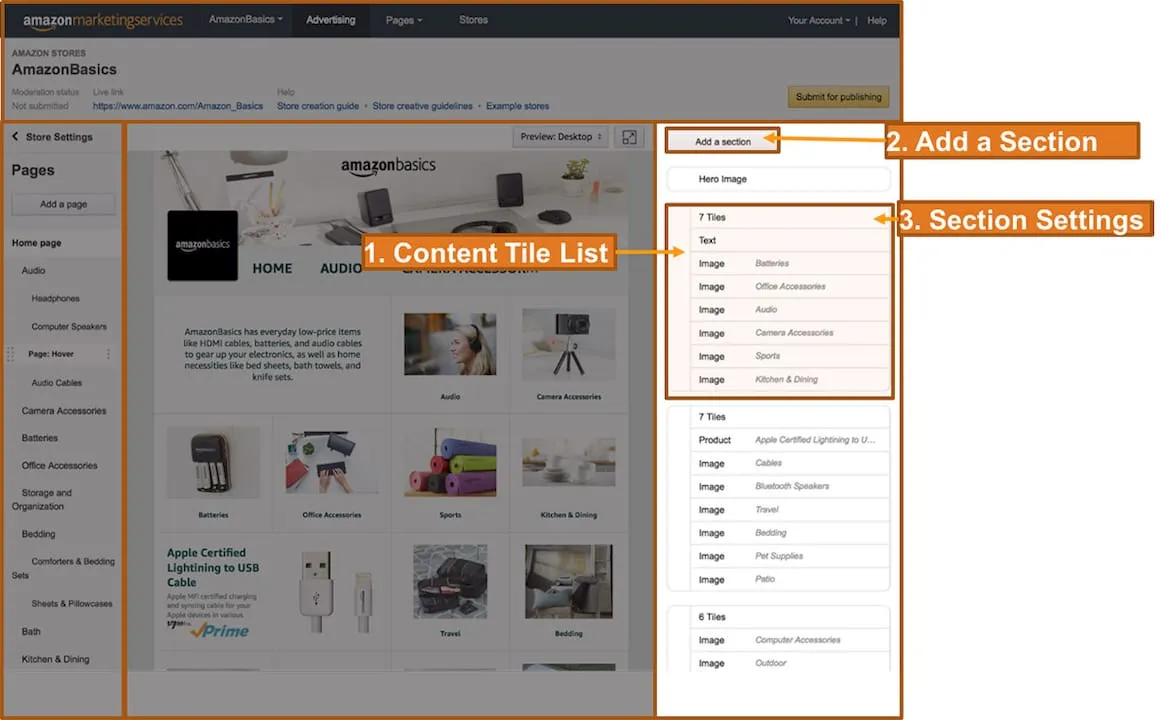
Visibility and conversion are the twin engines of Amazon success. High-converting hero images, A+ Content for richer storytelling, a compelling Brand Store, and a tight SEO hierarchy (titles, bullets, backend keywords) transform window shoppers into buyers. Your conversion rate during Prime Day is directly tied to the listing work you do now.
P — Promote with Precision
Amazon PPC amplifies a well-built foundation — it doesn't fix bad margins. Align ad spend with your product strategy, use Sponsored Products for conversion, Sponsored Brands for awareness, and Sponsored Display for retargeting. Know when to scale, and use data to continuously sharpen performance.
Pro tip: Know your unit economics before you launch. Ads amplify — they do not fix bad margins. Your pre-event SKU prioritization, hero ASINs, margin floors, and NTB targets should all be decided before a single dollar is spent.
Phase 1: Lead-In (4–6 Weeks Before Prime Day)
Everything you do before Prime Day determines how you perform during it.
"Most brands put 90%+ into the day of. The brands that win invest across all three phases." — Jason Landro, Nectar
Build Rank with Sponsored Ads (2–4 Weeks Out)
Push organic rank before the event to lower CPCs during it. This is the single highest-leverage pre-event activity you can do with Sponsored Ads.
- Increase SP bids on high-volume keywords for all deal ASINs
- Build ASIN-level campaigns so you can pivot spend on event day
- Prioritize top-of-search placements — rank now, lower costs later
- QA all ASINs: buy box, titles, images, review count, badge readiness
- Ensure Sponsored Brands campaigns drive to your store's deals page
- Pre-build custom AMC audiences
Lead-In Benchmarks:
- 3.1×: Sales lift with deals
- 2.8×: Impressions vs. July average
- 68%: of Prime Day ad revenue through Sponsored Products
DSP + AMC: Load Your Audiences (3–4 Weeks Out)
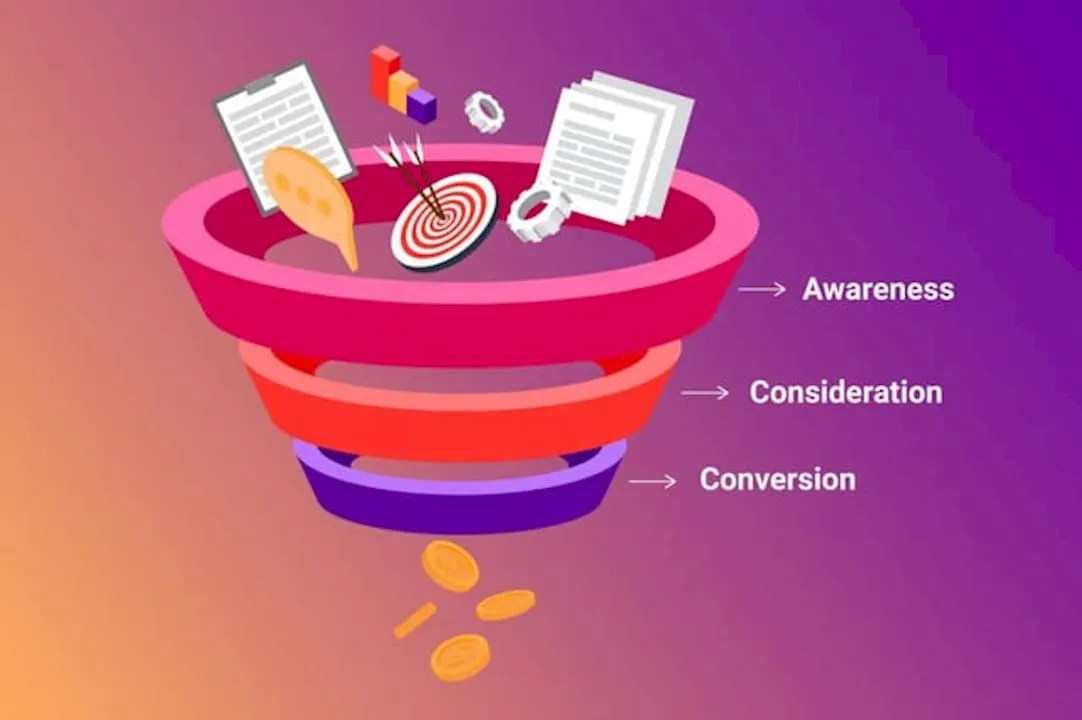
Fill your retargeting pools before the event — not during it. The brands that run DSP awareness campaigns pre-event see significantly lower CPMs and higher impression volume when it matters most.
- Target NTB (new-to-brand) shoppers with in-market and lifestyle audiences
- Launch Sponsored Brand Video to highlight key product features
- Use SD contextual targeting to increase discoverability
- Pre-build AMC audiences: cart abandoners, PDP viewers (2+ views, no purchase), prior event buyers, high-AOV segments, keyword searchers who didn't convert
- A/B test PDPs and Brand Store tentpole landing pages as DSP destinations
Key benchmark: DSP spend increased 56% pre-event in 2025, impressions rose 46%, and CPMs dropped 10%. The lead-in is where you buy cheap attention.
Creative Readiness
Lock your creative before the event — don't test under pressure. Finalize hero images, A+ Content, and titles now. Update your Brand Store with a tentpole event landing page. Test and lock SBV creative before event week. Pre-build SB and SD campaigns (paused, QA'd, client-approved). Confirm SBV and custom image compliance well ahead of the approval window.
Operational Readiness: Inventory Deadlines
Stock deal ASINs for 4× normal volume. A stockout mid-deal destroys rank — and the compounding benefits that come after.
| Shipment Type |
Deadline |
| AWD |
May 27 |
| FBA (minimal splits) |
May 27 |
| FBA (Amazon-optimized) |
June 5 |
Deal Types and 2026 Rules
Amazon offers three deal types for Prime Day: Lightning Deals (time-limited, high visibility), Best Deals (longer-running, sustained), and Prime Exclusive Discounts (Prime member price badge). Pricing rules require your deal price to be at or below the lowest price in the last 60 days, and you must offer at least 5% off versus the last 30 days. Fees run $100 upfront plus 1.5% of sales (capped at $5K).
| Milestone |
Date |
| Deal submission opens |
March 24 |
| Early discount ($50 off fee) |
Before April 30 |
| Submission closes |
May 26 |
| PED opens |
April 6 |
Which SKUs Should You Deal?
Not every product deserves a deal. Use this four-question filter before committing: Is the margin profitable after discount, fees, and ads? Does it avoid a race-to-the-bottom and can you sustain a 4-day fill? Does it drive catalog-wide traffic and halo effect? Does it attract new buyers with repurchase potential?
We recommend a 4-tier framework: Hero SKUs get Prime Exclusive Discounts (optimized for rank and margin). Growth SKUs get Lightning or Best Deals (optimized for velocity and rank lift). Entry Point SKUs get aggressive discounting (optimized for NTB% and 90-day repurchase). Tail SKUs get no deals — preserve margin and don't dilute focus.
Case in point: OUAI saw +100% YoY sales, +300% traffic, and BSR #2–3 during Prime Day — and those gains persisted post-event. Meanwhile, two-thirds of Prime Day items sold for under $20, proving that entry-point pricing drives massive NTB volume.
Budget Allocation
Most brands put 90%+ of their Prime Day budget into day-of. That leaves significant money on the table. Here's the split top performers use:
- 25–30%: Lead-In — rank building, DSP awareness, creative testing
- 45–50%: Day-Of — aggressive bids, defense, deal amplification
- 20–25%: Post-Event — retargeting, NTB remarketing, S&S
The data backs this up: DSP combined with Sponsored Ads delivers a 3.6× sales lift versus Sponsored Ads alone. You can't capture that lift without pre-event investment.
Ad Format Benchmarks
| Format |
CTR |
CVR |
Best Use |
| Sponsored Products |
0.34% |
9.96% |
Core conversion — 68% of ad revenue |
| SB Video |
0.89% |
11.2% |
2.6× higher CTR, top-of-search |
| Sponsored Brands |
Lower |
Higher |
NTB% and Brand Store traffic (70% NTB by Day 3) |
| Sponsored Display |
Variable |
Lower |
Retargeting and competitor conquest |
| Amazon DSP |
— |
— |
Full funnel — 17.9% of mix by Day 3 |
Food & Grocery grew 50.3% YoY and Health grew 41.6% YoY during Prime Day 2025 — if you're in these categories, the opportunity is outsized.
Phase 2: Day-Of Execution (4 Days of Real-Time Optimization)
Pacing, defense, and real-time decision-making separate the winners from the also-rans.
Pacing and Defense
The biggest day-of mistake is front-loading Day 1. Separate Prime Day campaigns from evergreen. Monitor hourly — if your budget burns by 2pm, you've lost the evening shoppers. Keep a 20–30% buffer for high performers that surge mid-event.
Defense is not optional. Competitors will bid on your brand terms. Dedicated SP and SB defense campaigns on branded terms and PDPs are table stakes. Day 3 historically delivers the lowest CPC and highest CTR of any Prime Day — don't run out of budget before you get there.
Real-Time Decision Framework
Have a decision matrix ready before the event starts. When signals shift, you need to act in minutes, not hours.
| Signal |
What It Means |
Action |
| CVR dropping |
Suppression, Buy Box, or badge issue |
Diagnose listing immediately |
| Budget burning early |
Too aggressive on Day 1 |
Evaluate CVR before pulling back |
| SOV dropping |
Competitors outbidding |
Increase top-of-search modifier |
| ACOS spiking (non-brand) |
Bidding war |
Leverage AMC bid adjustments |
| Inventory moving fast |
Selling ahead of plan |
Reduce ads, preserve stock |
| Retargeting pool growing |
Days 1–2 building audiences |
Increase DSP for Days 3–4 |
Benchmark: Brands that made mid-event bid adjustments reduced CPC by 16.2% versus 2024. Real-time optimization isn't a nice-to-have — it's the difference between profitable and wasteful.
Phase 3: Post-Event Strategy (The Highest-ROI Phase)
The most underinvested phase is also the most profitable. Don't let Prime Day traffic walk away.
Retargeting (Weeks 1–3)
Nearly 70% of Prime Day shoppers abandon their carts. That's not lost revenue — it's a retargeting goldmine. Hit AMC cart abandoners with DSP within 48–72 hours. Retarget product viewers who didn't purchase. Run SD on competitor viewers. And maintain SP campaigns for 2–3 weeks post-event to protect the rank you built.
- ~70%: Cart abandonment rate
- 11%: CVR on AMC retargeting within 2 weeks
- +19.7%: CTR on retargeted impressions
Retention (Ongoing)
Push Subscribe & Save immediately to new buyers. Track NTB versus existing customers via AMC. Build a post-purchase sequence: education → cross-sell → repeat → subscription. A Subscribe & Save customer is worth 3–12× the value of a one-time purchase.
How to Measure Prime Day Success
The standard metrics most brands track are incomplete. Here's what to measure instead:
| Standard Metric |
Better Metric |
Why |
| Revenue |
Contribution margin |
Profit after all costs |
| ROAS |
Incrementality |
New demand or pulled forward? |
| Units |
NTB % |
Genuinely new buyers? |
| Sales |
Retention rate |
% back in 30/60/90 days |
| — |
Organic rank |
Compounding benefit |
| — |
Purchase share |
Category share gain (iDerive + SQP) |
"Define success based on contribution to overall business health." — Jason Landro, Nectar
One CPG brand saw ROAS dip to 3.8× during Prime Day — but profit was up 15%. If they'd optimized for ROAS alone, they'd have pulled back on the most profitable campaign they ran all year.
Amazon Marketing Cloud: Your Unfair Advantage
AMC is no longer optional — it's table stakes for any serious Prime Day operation. Here's how the top brands are using it across all three phases:
Cross-funnel attribution lets you measure how DSP drives discovery and how SP closes. You can see the full customer journey from first impression to repeat purchase. Pre-event audience building gives you hyper-specific retargeting lists: cart abandoners, PDP viewers with 2+ views and no purchase, prior event buyers, high-AOV segments, and keyword searchers who didn't convert. Incrementality analysis answers the question every CFO asks: did Prime Day drive truly new demand, or just pull forward existing buyers? And post-event optimization through multi-touch path queries in tools like Intentwise helps you identify wasted spend, high-ROI touchpoints, and DSP assist rates to build a better playbook for next time.
Pro tip: Pre-build your AMC queries before the event. Have them ready the moment Prime Day ends so you can analyze results in hours, not weeks.
Your Prime Day 2026 Timeline
- April: Audit PDPs. Review pricing. Submit deals before April 30. Start building AMC audiences.
- May: Get inventory in (May 27–June 5 deadlines). Ramp Sponsored Products. Launch DSP awareness. Lock creative assets.
- Late May: Deal submission deadline May 26. Budget finalized. Brand Store updated for the event.
- Early June: Full lead-in mode. Creative locked and approved. Audiences filling via DSP.
- Late June: Prime Day. 4 days. Pace budgets. Defend brand terms. Don't front-load Day 1.
- July: Retarget cart abandoners. Nurture NTB buyers. Push Subscribe & Save. Run after-action review.
Win Prime Day 2026
The brands that win aren't just better at day-of execution — they invest across all three phases, measure what matters, and build compounding advantages that outlast the event.
Talk to Our Amazon Team
.webp)
.webp)
.png)