Amazon Ads’ Ad Intel Series feat Nectar: shopping event advertising
.webp)
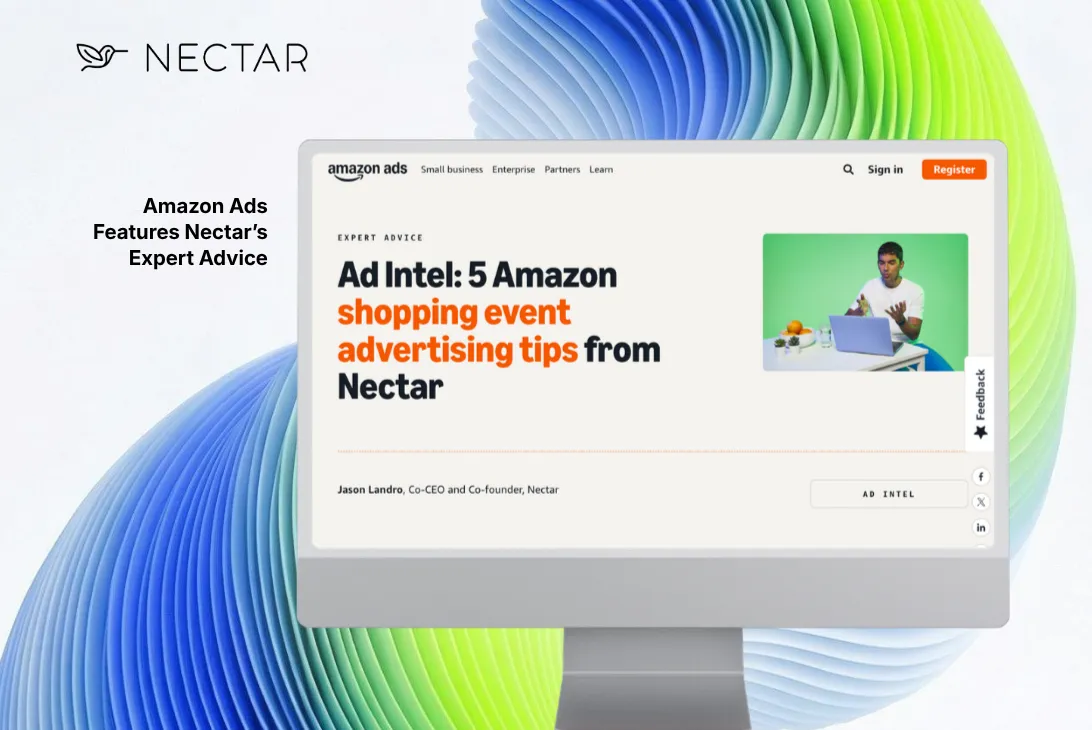
Unlock sustained growth throughout the year from Amazon's major shopping moments—like Prime Day, Prime Big Deals Day, and the Q4 holiday blitz (Black Friday, Cyber Monday)—by extending your advertising strategy well beyond the event days themselves. Help drive profit by nailing three key phases: smart preparation, quick adjustments during your event, and strong follow-up afterward. These five expert tips will help you build an event advertising strategy that drives lasting growth through powerful insights, perfect timing, and ongoing testing.
1. Develop a lead-in strategy
Before the event begins, advertisers should focus on a lead-in strategy that collects critical insights and starts building product rank in preparation for higher visibility and sales volume.
The first phase is about gathering insights to build strong foundational performance before the major event to gain baseline performance in terms of sales, historical cost per clicks (CPCs), and velocity for your products. This process should help identify your high-potential products (usually informed by current bestsellers and categories or products with the highest identified potential given historical insights).
To drive early visibility among new shoppers, utilize solutions like Sponsored Brands, Sponsored Display, or even try out Amazon DSP. Simultaneously, increase investment in Sponsored Products targeting high-volume, category-relevant keywords to strengthen organic ranking. Early listing optimization is also crucial to ensure your products are retail-ready and conversion-optimized. This phase allows you to capture insights on keywords, audience behaviors, and engagement signals, which are invaluable for later optimization.
Key actions to take:
- A/B test ad creatives and keywords to identify high-performing combinations
- Refine remarketing based on audience segments (e.g., demographics, interests, shopping behaviors)
- Prioritize spend for high-potential products to rank higher organically by the event date
2. Define success beyond ROAS
While revenue and return on ad spend (ROAS) matter during peak events, these metrics don't tell the whole story. Define success based on contribution to overall business health with specific, measurable goals incorporating profitability metrics like contribution margin or net profit targets for promoted ASINs. Consider strategic objectives such as new-to-brand (NTB) customer acquisition at sustainable customer acquisition cost (CAC). Tracking sales velocity and CPC can provide insight into your spend, along with the conversion rate by product to identify more opportunities.
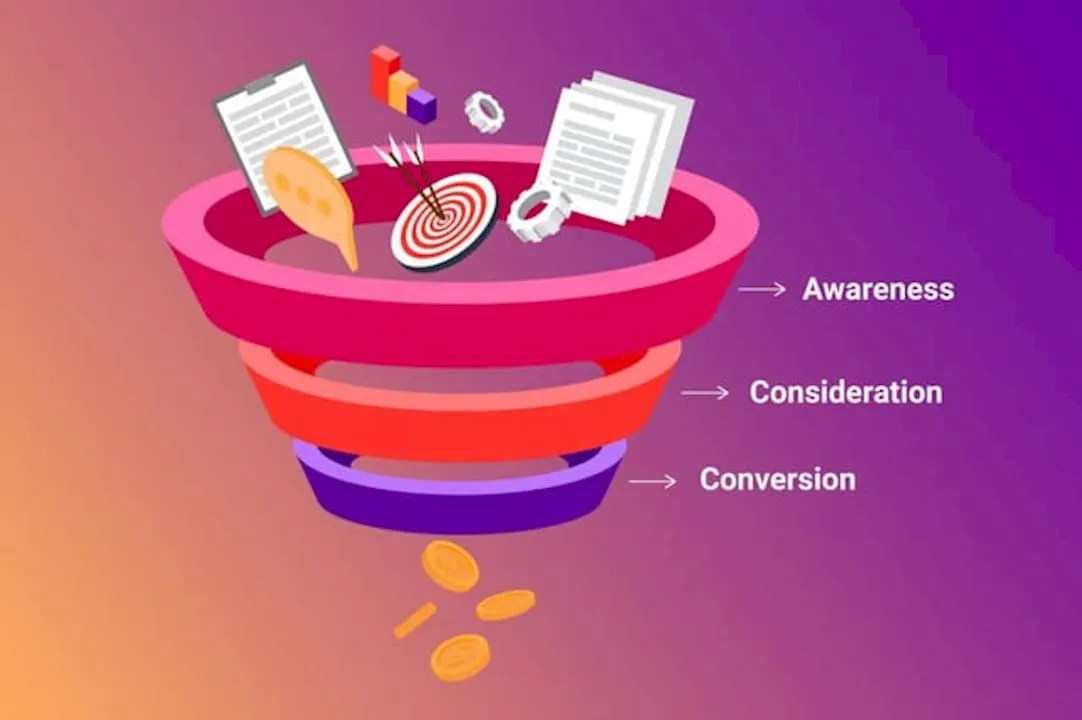
Analyze past event performance beyond sales spikes to understand true incremental profit and customer long-term value (CLTV, available within Amazon Marketing Cloud)—including growth with NTB shoppers and how they repeat purchase over time, analyzing how your remarketing campaigns move users through the funnel and to conversion, and lifts in purchase share within your category. One consumer packaged goods brand shifted from targeting a 4x ROAS during Prime Day to focusing on contribution margin per unit and specific NTB CAC goals.1 Though overall ROAS decreased slightly to 3.8x, the focus on higher-margin ASINs yielded 15% higher net profit contribution versus the prior year.2
3. Analyze real-time insights
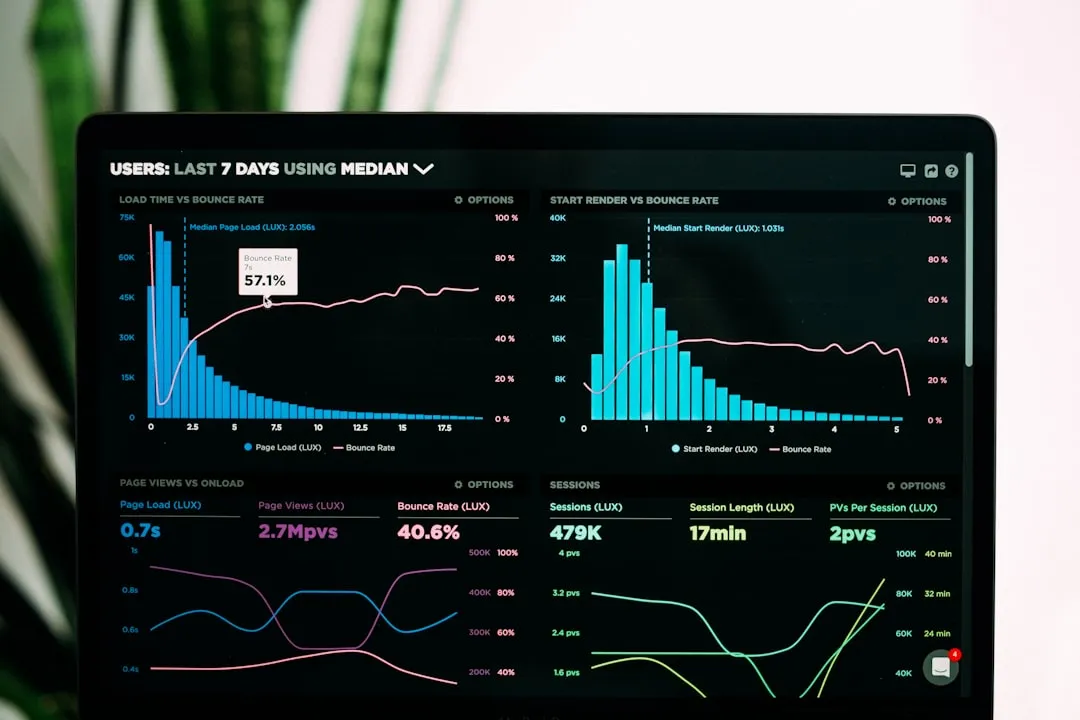
During the event, advertisers should closely monitor key performance indicators (KPIs) in real-time to make insights-driven adjustments and optimize campaigns as the event unfolds.
Unlike traditional marketing, Amazon events offer a rapid feedback loop. This allows you to quickly identify trends, shifts in audience behavior, and any underperforming keywords or ads.
Key actions to take:
- Monitor sales velocity and CPC to determine whether you need to increase or decrease bids
- Track conversion rate by product to identify areas where product listings may need tweaking
- Adjust targeting based on real-time insights, e.g., increase spend on high-converting audience segments
4. Post-event remarketing
After the event, continue to reach shoppers who interacted with your ads but never made a purchase. You can use remarketing campaigns and Amazon Marketing Cloud (AMC) audiences to capture those potentially lost sales through Sponsored Display, the Amazon DSP, and by using Sponsored Products and Sponsored Brands audience bid adjustments.
Once the event ends, there will still be a significant amount of untapped potential. Your remarketing strategies will re-engage users who viewed your products or added them to their cart but didn’t complete the purchase.
Key actions to take:
- Use Sponsored Display or remarketing campaigns to reach shoppers who interacted with your listings during the event but never purchased
- Create custom audience segments in AMC for those who viewed products but didn’t purchase and show them relevant ads with compelling offers or promotions
- Leverage dynamic remarketing to show users the exact products they interacted with
5. After action review
Use the insights gained from the event to improve future advertising strategies and refine your approach for the next big sale period.
Once the event concludes, analyze all the insights—sales, traffic, conversion rates, CPC, ROAS—and identify patterns that worked and areas for improvement. Use these insights to optimize your campaigns for upcoming events and adjust long-term strategies.
An effective strategy for Amazon events requires proactive lead-in efforts, agile optimization during the event, and powerful post-event remarketing. By leveraging real-time insights and cross-channel efforts, businesses can turn high-traffic events into sustained growth.
Read the full article here.
.png)