Types of Full-Funnel Strategies for E-Commerce Brands
.webp)

TL;DR:
- Full-funnel strategies connect awareness, consideration, conversion, and retention into a unified, measurable customer journey. System-based funnels outperform campaign-based efforts by building always-on revenue engines that align marketing, sales, and customer success. Accurate measurement using multi-touch attribution and cohort analysis reveals the true impact of upper-funnel efforts on downstream growth.
Full-funnel strategies are coordinated marketing systems that connect awareness, consideration, conversion, and retention into a single, measurable customer journey rather than a collection of isolated campaigns. For mid to large e-commerce brands operating across Amazon, Walmart, and Shopify in 2026, the types of full-funnel strategies you deploy determine whether your marketing budget compounds or leaks. Google Ads Demand Gen, Performance Max, email automation, and retail media channels like Amazon DSP are no longer optional add-ons. They are the architecture. This article breaks down the core funnel strategy types, maps them to each stage, and gives you the measurement framework to make them work together.
1. Types of full-funnel strategies: the core categories
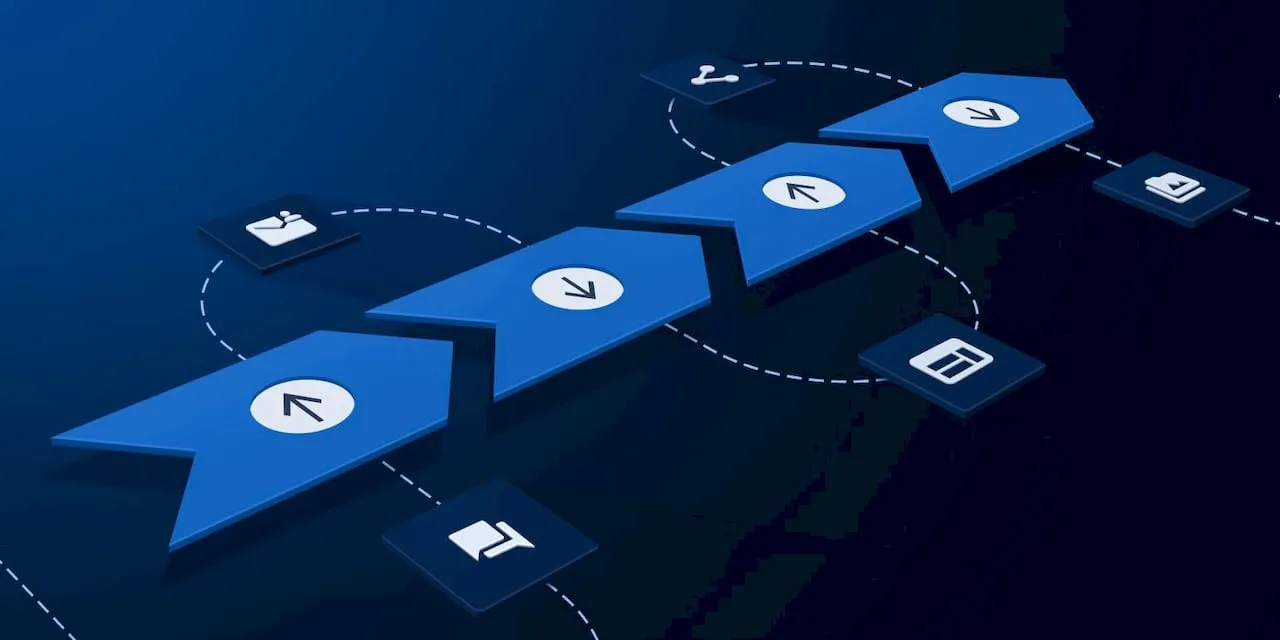
The industry recognizes two broad approaches to full-funnel marketing: system-based and campaign-based. Campaign-based funnels run as discrete, time-limited efforts. System-based funnels operate as always-on revenue engines that align marketing, sales, and customer success under unified attribution tracking. For brands at scale, the system-based model is the only one that compounds.
Within those two approaches, practitioners commonly work with nine distinct funnel types:
-
Lead-gen funnels capture contact information at the top and nurture prospects through email sequences before presenting an offer.
-
Low-ticket buyer funnels convert cold traffic quickly with a low-cost entry product, then upsell immediately post-purchase.
-
Webinar funnels build authority and trust over a longer consideration window, suited to higher-priced or complex products.
-
VSL (Video Sales Letter) funnels use long-form video to move prospects from awareness to purchase in a single session.
-
Application funnels qualify buyers before they can purchase, common in premium or high-consideration categories.
-
Cart funnels focus on checkout optimization, order bumps, and abandonment recovery.
-
Survey funnels segment audiences at entry and route them to personalized offer paths.
-
Squeeze page funnels isolate a single conversion action, typically an email opt-in, before directing traffic to the main offer.
-
Stacked/linked funnels chain multiple funnel types together so the exit of one feeds the entry of another.
Nine funnel types cover the full range of purchase-intent levels, from cold discovery to high-commitment buyers. The practical implication is that no single funnel type serves every customer segment, which is why stacking matters.
2. How funnel types map to awareness, consideration, conversion, and retention
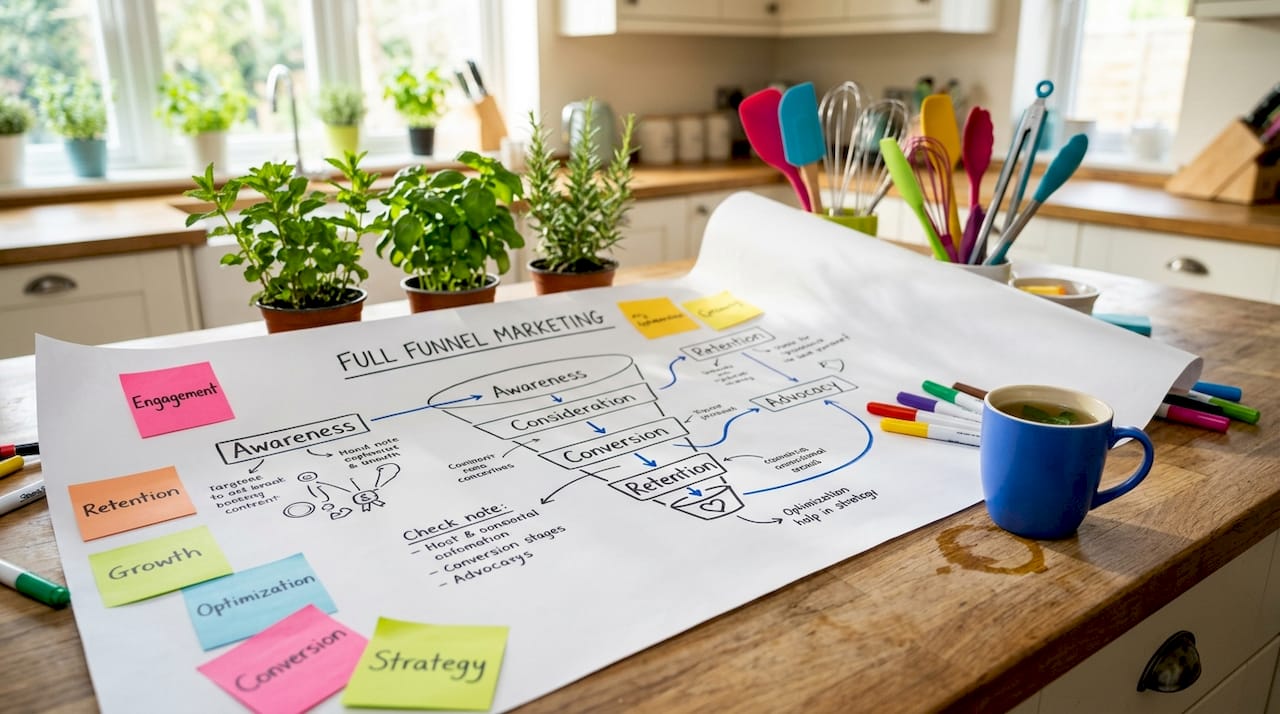
A full-funnel strategy integrates upper, mid, and lower stages plus retention as one coordinated system. Each stage requires different tactics, channels, and KPIs.
Upper funnel (awareness): The goal is reach and brand recall, not clicks. Demand Gen campaigns on Google, programmatic display, connected TV, and influencer partnerships on TikTok and Instagram operate here. KPIs include reach, frequency, branded search lift, and view-through rate.
Mid funnel (consideration): Retargeting, nurturing email sequences, comparison content, and personalized product recommendations move prospects closer to a decision. Behavior-driven triggers and role-specific messaging at this stage improve engagement significantly, and AI-powered platforms now automate much of this personalization at scale.
Lower funnel (conversion): Performance Max campaigns on Google, Amazon Sponsored Products, cart abandonment flows, and checkout optimization tools operate here. The KPI set shifts to ROAS, conversion rate, and cost per acquisition.
Retention stage: Post-purchase emails, loyalty programs, remarketing to existing buyers, and community-building tactics extend the funnel beyond the first transaction. Retention is the growth multiplier that most brands underinvest in.
Remarketing deserves special mention. It is not a standalone funnel stage. Remarketing acts as an audience layer that runs across all campaign types, re-engaging users who touched any stage but did not convert or progress.
Pro Tip: Map a specific KPI to each funnel stage before launching any campaign. Brands that measure awareness with conversion metrics, or retention with acquisition benchmarks, consistently misread performance and cut spend in the wrong places.
3. Comparing popular funnel types and when to use each
Choosing the right funnel type depends on three variables: product price point, buyer intent level, and business maturity. Here is how the most common types stack up.
Squeeze page funnels
Best for early-stage list building or launching a new product category. They work at any price point but generate the lowest-intent leads. Use them when your primary goal is audience growth, not immediate revenue.
Webinar funnels
Suited to products priced above $200 or services requiring significant buyer education. The consideration window is longer, but conversion rates on qualified attendees are substantially higher than cold traffic campaigns. B2C brands selling premium wellness, fitness equipment, or specialty home goods see strong results here.
VSL funnels
Effective for mid-ticket products ($50 to $300) where a single compelling video can close the sale. VSL funnels perform well on Facebook and YouTube traffic and pair naturally with retargeting campaigns for viewers who watched 50% or more of the video.
Cart funnels
Non-negotiable for any e-commerce brand with meaningful traffic. Abandoned cart recovery alone can recover a significant portion of lost revenue. Pair cart funnels with order bump offers and post-purchase upsells to increase average order value without additional acquisition spend.
Stacked funnels versus standalone funnels
Standalone funnels are simpler to build and measure but address only one buyer intent level. Stacked funnels chain types together, for example a lead-gen funnel feeding into a webinar funnel feeding into a cart funnel, to address multiple intent levels within one system. The tradeoff is measurement complexity. Stacked funnels require multi-touch attribution and cohort tracking to understand which stage is driving downstream revenue.
Pro Tip: Start with a single funnel type that matches your highest-volume traffic source. Add a second funnel type only after you have baseline conversion data from the first. Brands that build stacked funnels before establishing baseline metrics spend months optimizing the wrong variables.
4. Full-funnel marketing examples and tools for 2026
Concrete full-funnel marketing examples show how these strategy types perform in practice. A connected Amazon strategy combining Sponsored Ads, DSP, and analytics achieved 39% shipped revenue growth and 408% year-over-year sales growth by linking demand generation with retail media. More than 60% of ad-attributed customers were new-to-brand, confirming that upstream funnel investment directly drives downstream acquisition.
The tools that support each stage in 2026 include:
-
Awareness: Google Demand Gen campaigns, Amazon DSP, Meta Advantage+ campaigns, TikTok TopView ads, and programmatic platforms like The Trade Desk.
-
Consideration: Klaviyo and Attentive for email and SMS nurturing, dynamic retargeting via Google and Meta, and personalization engines like Dynamic Yield.
-
Conversion: Google Performance Max, Amazon Sponsored Products and Sponsored Brands, Shopify checkout optimization apps, and cart recovery tools like Recart.
-
Retention: Loyalty platforms like Yotpo and LoyaltyLion, post-purchase survey tools like Fairing, and subscription management platforms like Recharge.
-
Measurement: Triple Whale, Northbeam, and Rockerbox for multi-touch attribution across channels. Google Analytics 4 for cohort analysis and funnel progression tracking.
Content formats also map to funnel stages. Short-form video and creator content dominate awareness. Comparison guides, how-to content, and product demos serve consideration. Customer reviews, UGC, and size or fit guides close conversion. Post-purchase content like tutorials and community access drives retention. You can explore how shoppable media connects demand generation directly to purchase for a practical channel-level example.
5. How to measure and optimize full-funnel strategy effectiveness
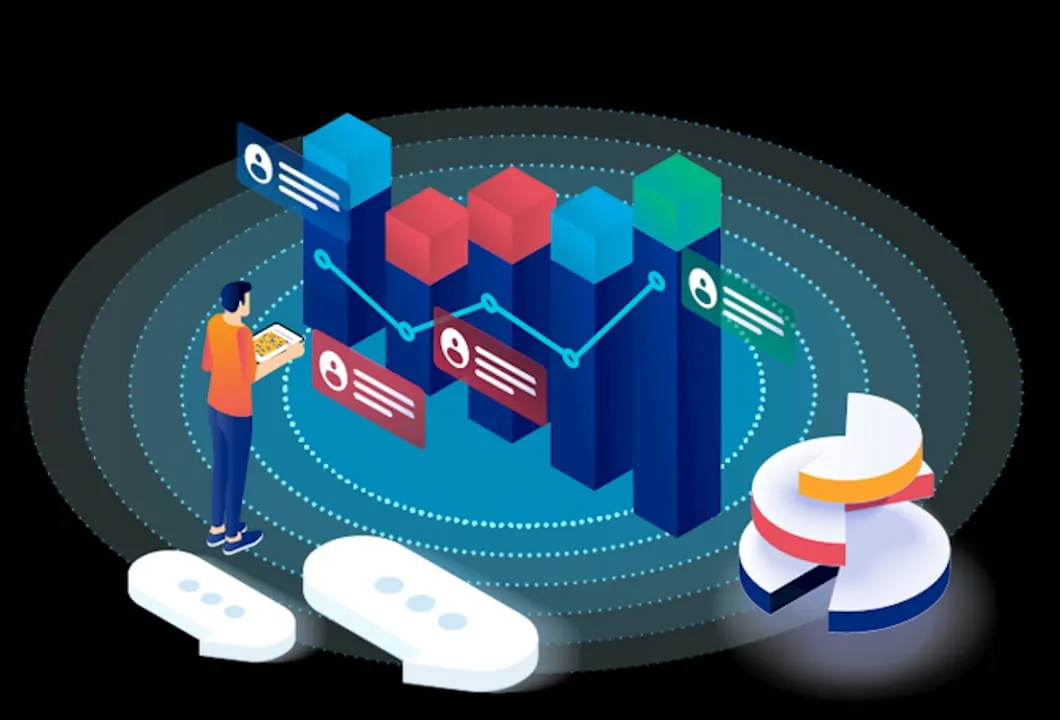
Measurement is where most full-funnel strategies fail. Last-click attribution assigns all credit to the final touchpoint before purchase, which systematically undervalues awareness and consideration investments. Using last-click only produces an incomplete view of funnel impact and leads brands to cut the upper-funnel spend that was generating the demand their lower-funnel campaigns converted.
The measurement framework that works for mid to large brands includes:
-
Multi-touch attribution models that distribute credit across all touchpoints in the customer journey. Data-driven attribution in Google Ads and triple-attribution models in tools like Northbeam are the current standard.
-
Cohort analysis over 30, 60, and 90-day windows to track how top-of-funnel (TOFU) audiences progress to mid-funnel (MOFU) and bottom-of-funnel (BOFU) actions over time.
-
Funnel progression metrics such as the percentage of TOFU audiences who move to MOFU within a defined window, and the percentage of MOFU audiences who convert within the attribution period.
-
Unified KPI dashboards that align marketing, sales, and customer success teams on the same revenue metrics. System-based full-funnel marketing treats these three functions as one revenue engine, not separate departments.
-
Portfolio-level management that evaluates campaign performance across the entire funnel rather than optimizing each campaign in isolation. A Demand Gen campaign with a high cost per click may be generating the branded search volume that makes your Performance Max campaigns profitable.
The Nectar full-funnel management approach documents how brands achieve 15 to 20% higher ROI by connecting these measurement layers across channels.
Key takeaways
Full-funnel strategies work because they treat the customer journey as a connected system, not a series of independent campaigns, and measurement must reflect that connection.
| Point | Details |
|---|---|
| System-based over campaign-based | Always-on funnel systems outperform isolated campaigns by aligning marketing, sales, and retention under unified attribution. |
| Match funnel type to intent level | Use lead-gen or squeeze funnels for cold traffic, webinar or VSL funnels for mid-ticket products, and cart funnels for high-intent buyers. |
| Retention is a funnel stage | Post-purchase emails, loyalty programs, and upsells extend the funnel and multiply the value of every acquisition dollar spent. |
| Replace last-click attribution | Multi-touch attribution and 30/60/90-day cohort tracking reveal the true contribution of upper-funnel investment to downstream revenue. |
| Stack funnels after establishing baselines | Build one funnel type first, measure it, then add a second type to address a different buyer intent level. |
Why most brands are building funnels backwards
After working with dozens of mid to large e-commerce brands, I have noticed a consistent pattern: teams build the bottom of the funnel first, optimize it obsessively, then wonder why scaling ad spend stops working past a certain threshold. The answer is almost always that they have no upper-funnel system feeding new demand into the conversion layer.
The brands that scale past eight figures on Amazon and Shopify are not running smarter Performance Max campaigns. They are running connected systems where Demand Gen builds audiences that Performance Max converts, and where post-purchase retention loops feed those audiences back into the top. The funnel is circular, not linear.
The second mistake I see consistently is treating funnel types as mutually exclusive choices. A VSL funnel and a cart funnel are not competitors. They serve different intent levels and should run simultaneously, feeding different audience segments. The e-commerce retention strategies that compound over time are always the ones built into the funnel architecture from the start, not bolted on after acquisition costs rise.
The uncomfortable truth is that most brands do not have a traffic problem or a conversion problem. They have a measurement problem. They cannot see the full funnel because they are not measuring it as one system. Fix the measurement framework first, and the strategy decisions become obvious.
— Dan Katona
How Nectar builds full-funnel systems that scale
Nectar is a fully managed e-commerce agency that builds and operates full-funnel strategies across Amazon, Walmart, and Shopify for mid to large brands. The agency combines in-house creative production, including photography, videography, and design, with data-driven advertising across every funnel stage. Nectar’s proprietary iDerive analytics platform connects attribution data across channels so you can see exactly how upper-funnel investment drives lower-funnel revenue. If your current strategy is producing diminishing returns on ad spend, the issue is almost always a disconnected funnel. Explore Nectar’s full-funnel services or review the Amazon growth solutions to see how a connected system performs at scale.
FAQ
What are the main types of full-funnel strategies?
The main types include system-based funnels, lead-gen funnels, VSL funnels, webinar funnels, cart funnels, and stacked funnels that chain multiple types together. Each type addresses a different buyer intent level and purchase stage.
How do I choose the right funnel type for my brand?
Match funnel type to product price point and buyer intent. Low-ticket products with high purchase frequency suit cart and low-ticket buyer funnels, while premium or complex products benefit from webinar or application funnels that build trust before conversion.
Why is last-click attribution a problem for full-funnel measurement?
Last-click attribution assigns all conversion credit to the final touchpoint, which systematically undercounts the contribution of awareness and consideration campaigns. Multi-touch attribution and cohort analysis over 30 to 90-day windows give a more accurate picture of funnel performance.
What is the difference between a stacked funnel and a standalone funnel?
A standalone funnel addresses one buyer intent level with a single funnel type. A stacked funnel chains multiple types together so the exit of one feeds the entry of the next, covering a broader range of intent levels within one connected system.
How does retention fit into a full-funnel strategy?
Retention is the final stage of a full-funnel system, operationalized through post-purchase emails, loyalty programs, and upsell campaigns. It extends the customer relationship beyond the first purchase and reduces the cost of growing revenue over time.
Recommended










.png)