TL;DR:
- Multi-channel fulfillment manages orders and inventory from multiple sales platforms through one integrated system. It reduces inventory costs, prevents overselling, and delivers consistent customer experiences across channels. Most brands find automated systems essential as order volume exceeds around 2,000 per month to avoid operational bottlenecks.
Multi-channel fulfillment is defined as the process of managing orders and inventory from multiple sales channels through one integrated system. For e-commerce managers at mid-sized and enterprise brands, this approach directly addresses the operational chaos that comes with selling across Amazon, Walmart, Shopify, and other platforms simultaneously. Why multi-channel fulfillment matters comes down to three outcomes: lower inventory costs, fewer stockouts, and a consistent customer experience regardless of where the purchase happens. Brands that get this right gain a measurable edge over those still running each channel as a separate operation.
Why multi-channel fulfillment works: the operational mechanics
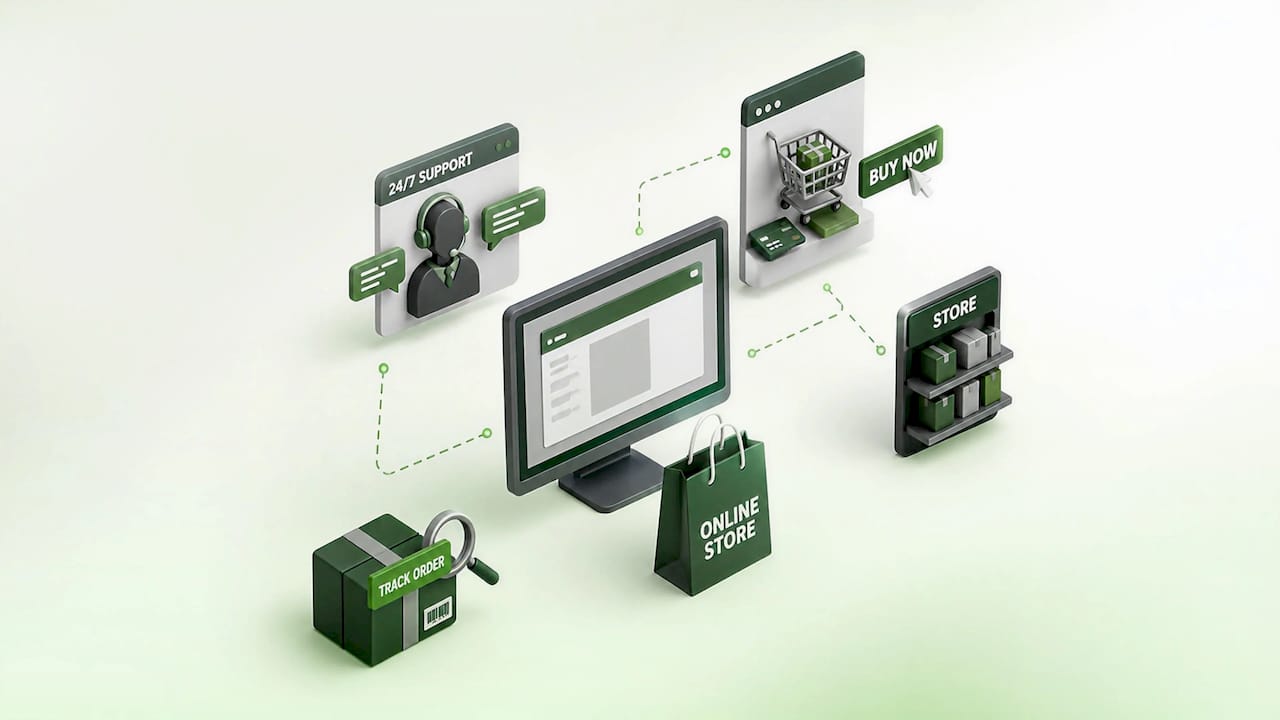
Multi-channel fulfillment, often called omnichannel order management in enterprise contexts, works by connecting every sales channel to a single inventory pool and a centralized order management system (OMS). When a customer buys on Amazon, that order draws from the same stock as a Shopify purchase. The OMS routes each order to the most efficient fulfillment location automatically.
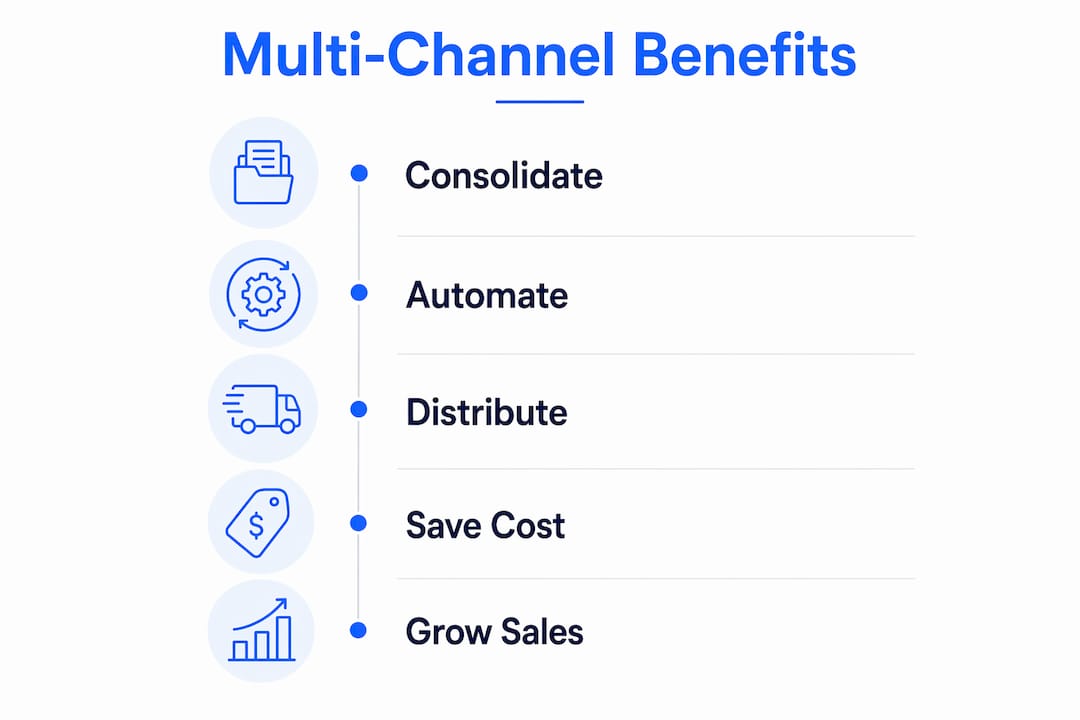
The core operational benefits break down clearly:
-
Inventory consolidation. Unified fulfillment reduces total safety stock by 15–25% by eliminating duplicate buffers held separately for each channel. That freed capital goes back into growth.
-
Real-time stock sync. Every channel reflects the same inventory count the moment a sale occurs. This prevents overselling, which is one of the fastest ways to damage seller ratings on Amazon or Walmart.
-
Automated order routing. The OMS assigns each order to the fulfillment center closest to the customer, reducing shipping zones and transit time.
-
Returns integration. Returned inventory re-enters the shared pool immediately rather than sitting in a channel-specific holding queue.
The distinction between multi-channel and omnichannel fulfillment is worth clarifying. Multi-channel fulfillment manages orders from multiple platforms through one system. Omnichannel fulfillment goes further by connecting physical retail locations, wholesale partners, and digital channels into one unified network. Most mid-sized brands start with multi-channel and evolve toward omnichannel as volume grows.
Pro Tip: Before selecting an OMS, map every channel’s unique SLA requirements. Amazon, Walmart, and Shopify each have different shipping windows and label formats. An OMS that cannot handle those differences natively will create manual workarounds that defeat the purpose of integration.
What are the proven benefits of multi-channel fulfillment?
The business case for integrated fulfillment is grounded in measurable outcomes, not theory.
-
Sales growth at scale. Brands using integrated fulfillment see up to 200% higher sales across three or more channels compared to single-channel competitors. That gap widens as the brand adds channels, because each new platform feeds the same inventory pool rather than requiring a separate operation.
-
Higher customer lifetime value. Omnichannel customers generate 30% higher lifetime value than single-channel buyers. Consistent delivery speed, packaging, and tracking across every platform builds the kind of trust that drives repeat purchases.
-
Inventory cost savings. Consolidating safety stock across channels cuts carrying costs directly. For a brand holding $2 million in inventory, a 20% reduction in safety stock frees $400,000 in working capital. That number scales fast at enterprise volume.
-
Reduced administrative load. Unified processes replace the manual reconciliation that comes with running separate spreadsheets for each channel. Teams spend less time fixing data discrepancies and more time on growth activities.
-
Consistent customer experience. 73% of shoppers use multiple channels during a single purchase journey. A customer who browses on Shopify and buys on Amazon expects the same delivery speed and brand packaging. Integrated fulfillment makes that consistency possible.
The importance of multi-channel fulfillment is not just operational. It directly affects how customers perceive your brand. A stockout on one channel while another channel sits on excess inventory is a brand problem, not just a logistics problem.
What operational challenges does multi-channel fulfillment solve?
The challenges that drive brands toward integrated fulfillment are predictable. They follow a pattern tied to order volume and channel count.
Combinatorial complexity multiplies with every new sales channel. Each platform brings its own order format, return policy, SLA, and label requirement. At two channels, manual management is inconvenient. At four or five channels, it becomes impossible without automation.
The early warning signs are specific. Manual spreadsheet processes, rising stockouts despite holding safety stock, and inconsistent tracking data across channels all signal that the fulfillment infrastructure is the bottleneck, not demand. Most brands hit this wall before they recognize it as a systems problem.
Pro Tip: Track your exception rate monthly. If address changes, cancellations, and split-shipment requests are consuming more than 10% of your operations team’s time, your fulfillment system is already a constraint on growth.
At enterprise scale, exception handling becomes its own operational category. Post-purchase address changes and last-minute cancellations can overwhelm teams that rely on manual processes. Automated state-based inventory management prevents “ghost” stock, where an item appears available but is already committed to another order. Ghost inventory is a direct cause of overselling, negative reviews, and marketplace penalties.
The deeper issue is that most brands do not design their fulfillment infrastructure. They accumulate it. A warehouse gets added here, a 3PL contract there, and suddenly the brand is running three separate inventory systems that do not talk to each other. Most growing brands arrive at advanced fulfillment through accumulated operational layers rather than deliberate design. That reactive pattern is expensive to unwind.
How to implement multi-channel fulfillment effectively
Practical implementation follows a clear sequence. The goal is to move from channel-specific silos to a unified system without disrupting current operations.
-
Audit your current state first. List every channel, every fulfillment location, and every manual process your team runs today. You cannot design a unified system without knowing what you are replacing.
-
Select a centralized OMS. The OMS is the core of the system. It needs native integrations with every channel you sell on, real-time inventory sync, and automated routing logic. Fulfillment software with real-time stock sync and centralized order queues significantly reduces overselling and operational costs.
-
Distribute inventory strategically. Placing inventory in multiple fulfillment centers can cut shipping costs by 20–40% and reduce delivery times by 1–3 days. The key is matching inventory placement to your actual order geography, not just splitting stock evenly.
-
Standardize carrier and packaging rules. Define which carrier handles which zone and what packaging standard applies to each channel. Consistency here is what makes the customer experience feel unified.
-
Build for continuous improvement. No fulfillment system is perfect at launch. Set monthly reviews for fill rate, exception rate, and shipping cost per order. Adjust routing rules and inventory placement based on real data.
The advantages of multi-channel selling only materialize when the fulfillment infrastructure can support them. A brand selling on five channels with a fragmented backend is not a multi-channel brand. It is five single-channel brands running in parallel, each with its own inefficiencies. Understanding channel diversification benefits is the first step. Building the fulfillment system to support it is the second.
For brands also thinking about how fulfillment connects to the broader customer experience, omnichannel marketing integration is the logical next layer after operations are unified.
Key Takeaways
Multi-channel fulfillment is the single most effective way to reduce inventory costs, prevent overselling, and deliver a consistent customer experience across every sales channel.
Point: Inventory consolidation saves capital
Unifying inventory across channels cuts safety stock by 15–25%, freeing working capital for growth.
Point: Sales growth is measurable
Brands on three or more integrated channels see up to 200% higher sales than single-channel competitors.
Point: Complexity requires automation
Each new sales channel multiplies exception handling. Automated OMS routing prevents ghost inventory and overselling.
Point: Distributed fulfillment cuts shipping costs
Placing inventory across multiple fulfillment centers reduces shipping costs by 20–40% and delivery times by 1–3 days.
Point: Implementation is sequential, not simultaneous
Audit current operations first, then select an OMS, then distribute inventory based on real order geography.
The fulfillment inflection point most brands miss
The most common mistake I see mid-sized brands make is treating fulfillment as a back-office problem until it becomes a customer-facing crisis. By the time negative reviews mention late shipments or wrong items, the operational failure has been building for months.
The real inflection point happens quietly. Order volume crosses roughly 2,000 per month, and suddenly the manual reconciliation process that worked at 500 orders is consuming two full-time employees. The spreadsheet that tracked inventory across three channels now has a three-hour lag. That lag is where oversells happen.
What I have found is that brands almost never plan the transition to integrated fulfillment. They get forced into it by operational pain. The brands that come out ahead are the ones who recognize the warning signs early: rising exception rates, inconsistent tracking data, and safety stock that keeps growing despite no increase in demand. Those are system signals, not demand signals.
The other thing worth saying plainly: the transition from multi-channel to omnichannel fulfillment is not a project with a finish line. It is a continuous calibration. The brands I have seen scale most effectively treat their OMS data as a feedback loop, adjusting inventory placement and routing rules every quarter based on actual order patterns. That discipline is what separates brands that grow with their fulfillment infrastructure from those that grow against it.
— Dan Katona
How Nectar helps brands scale across channels
Nectar works with mid-sized and enterprise brands selling across Amazon, Walmart, and Shopify to build the kind of integrated marketplace presence that makes multi-channel fulfillment pay off. The agency’s proprietary iDerive analytics platform gives brands the real-time visibility they need to make smart inventory and routing decisions, not just at launch but as the business scales. Nectar’s full-funnel approach connects creative, advertising, and marketplace management so that every channel performs as part of a unified system. Brands looking to move from fragmented operations to a coordinated growth engine can explore Nectar’s full range of services to see where the biggest opportunities are.
FAQ
What is multi-channel fulfillment?
Multi-channel fulfillment is the process of managing orders and inventory from multiple sales platforms through one centralized system. It automates order routing, syncs stock in real time, and eliminates the need for separate inventory buffers per channel.
How does multi-channel fulfillment reduce inventory costs?
Consolidating safety stock across channels reduces total inventory needs by 15–25%. That reduction comes from eliminating duplicate buffers that brands typically hold when each channel operates independently.
What is the difference between multi-channel and omnichannel fulfillment?
Multi-channel fulfillment connects digital sales channels to one inventory system. Omnichannel fulfillment extends that network to include physical retail locations, wholesale partners, and other nodes, creating a fully unified order management environment.
When does a brand need a dedicated OMS?
Most brands hit the limit of manual fulfillment management around 2,000 orders per month. At that volume, manual reconciliation costs more in labor and errors than a dedicated order management system.
How does distributed inventory lower shipping costs?
Placing inventory across multiple fulfillment centers reduces the average shipping zone for each order. That reduction can cut shipping costs by 20–40% and shorten delivery times by 1–3 days, depending on order geography.
Recommended











.png)