The highest-impact ways to increase market share for mid-market and enterprise e-commerce brands come down to eight levers, executed in sequence. Get these right and you compound gains across every channel. Miss the sequencing and you burn budget on tactics that don’t stack.
Here are the eight levers, prioritized by impact-to-effort ratio:
-
Fix listing conversion first. Traffic you can’t convert is wasted spend. Hero images, A+ Content, and review velocity move the needle faster than any ad dollar.
-
Consolidate Amazon operations. Amazon holds roughly 38% of U.S. e-commerce as of Q1 2026, making rank stability there foundational for other channels. Rank stability here is the foundation everything else builds on.
-
Launch Walmart for incremental volume. Walmart’s e-commerce continues to experience notable growth, and its ad platform is still underpriced relative to Amazon.
-
Run coordinated retail media. Sponsored ads on both platforms, DSP for upper-funnel, and off-platform paid social working together outperform siloed campaigns.
-
Sharpen assortment and pricing. Rationalize SKUs, protect MAP, and use bundles to create channel-exclusive value.
-
Harden operations. Inventory forecasting and fulfillment readiness determine whether share gains stick or evaporate in a stockout.
-
Build retention flows. Repeat purchase rate and customer lifetime value are the cheapest ways to defend share you’ve already won.
-
Measure and iterate. Track contribution margin per channel, ACoS, repeat purchase rate, and in-stock rate. Adjust every 90 days.
Pro Tip: Nectar sequences these levers by starting with a listing and operations audit before touching ad spend. Brands that skip the audit typically experience some wasted media budget before real gains begin.
How should you choose between Amazon, Walmart, and Shopify?
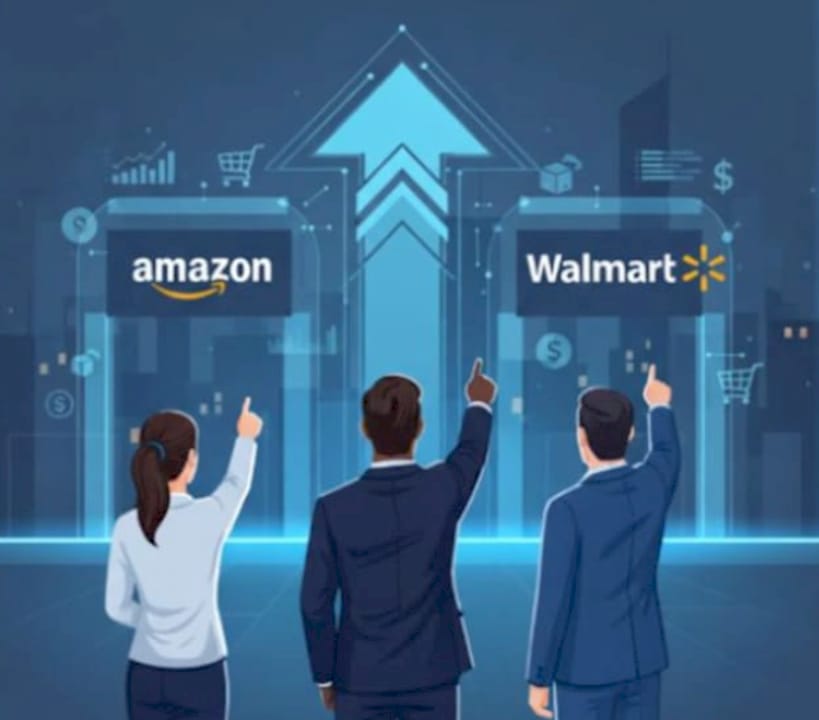
Channel selection is a margin and velocity decision, not a brand preference. The multichannel approach that works treats Amazon as the demand engine while using Walmart and Shopify/DTC to protect margin and diversify revenue.
Score each SKU against four criteria before committing budget:
-
Margin headroom. Does the SKU support Amazon FBA fees, Walmart WFS fees, and ad spend and still hit your contribution margin floor? If not, it’s a Shopify-first or bundle candidate.
-
Velocity stability. Consistent weekly sell-through signals a SKU ready for multichannel expansion. Erratic velocity means you’ll deplete inventory on one platform and hurt rankings on another.
-
Category fit. Amazon dominates electronics, beauty, and consumables, controlling about 38% of the U.S. e-commerce market as of Q1 2026. Walmart over-indexes on household staples and value-tier goods. Shopify wins when brand story and premium positioning justify a direct relationship.
-
Content complexity. High-consideration SKUs with rich specs and lifestyle imagery perform better on Amazon (A+ Content) and DTC (long-form PDP) than on Walmart, where simpler content converts well.
A practical sequencing rule: consolidate Amazon first, then launch Walmart with WFS for velocity-stable SKUs, then build out Shopify/DTC for margin-protective volume. eBay and other channels come last, once operations are proven.
Pro Tip: Any SKU with a margin below a moderate threshold after all fees should not be your first Walmart test. Start with your top three velocity-stable, margin-healthy ASINs and use those results to qualify the rest of your catalog.
For a deeper look at cross-channel integration, Nectar’s guide on omnichannel e-commerce covers the unified commerce model in detail.
What actually moves conversion on marketplace listings?
The single biggest conversion wins are the hero image, review count, and A+ Content, in that order. A shopper who doesn’t click your image never reads your bullets. A shopper who reads your bullets but sees 12 reviews against a competitor’s 400 won’t convert.
A practical listing checklist by platform:
-
Amazon title: Lead with brand, then primary keyword, then key differentiator. Keep it under 200 characters. Front-load the terms that match purchase intent.
-
Walmart title: Shorter than Amazon. Walmart’s algorithm rewards clarity over keyword density. Brand + product type + size/variant is usually enough.
-
Hero image: White background, product filling 85%+ of frame, no text overlays. Studio-produced images consistently outperform lifestyle-only shots in click-through tests.
-
A+ Content (Amazon) / Rich Media Content (Walmart): Walmart’s own data shows 15–20% conversion lift for listings with RMC. Prioritize your top 20% of SKUs by revenue first.
-
Review acquisition: Use Amazon’s Request a Review tool post-purchase. On Walmart, the review mechanic is different; Walmart Syndication can pull in reviews from your DTC site.
-
Bullets: Each bullet removes one objection. Lead with the benefit, follow with the spec. Five bullets, five objections answered.
Pro Tip: Swap to studio-produced creative for any SKU generating more than $10,000/month in revenue. At that volume, a 5% conversion improvement pays for a full creative shoot inside 60 days.
Nectar’s full creative studio handles photography, video, and A+ Content production for mid-market and enterprise catalogs.
How do you drive visibility across retail media and off-platform channels?
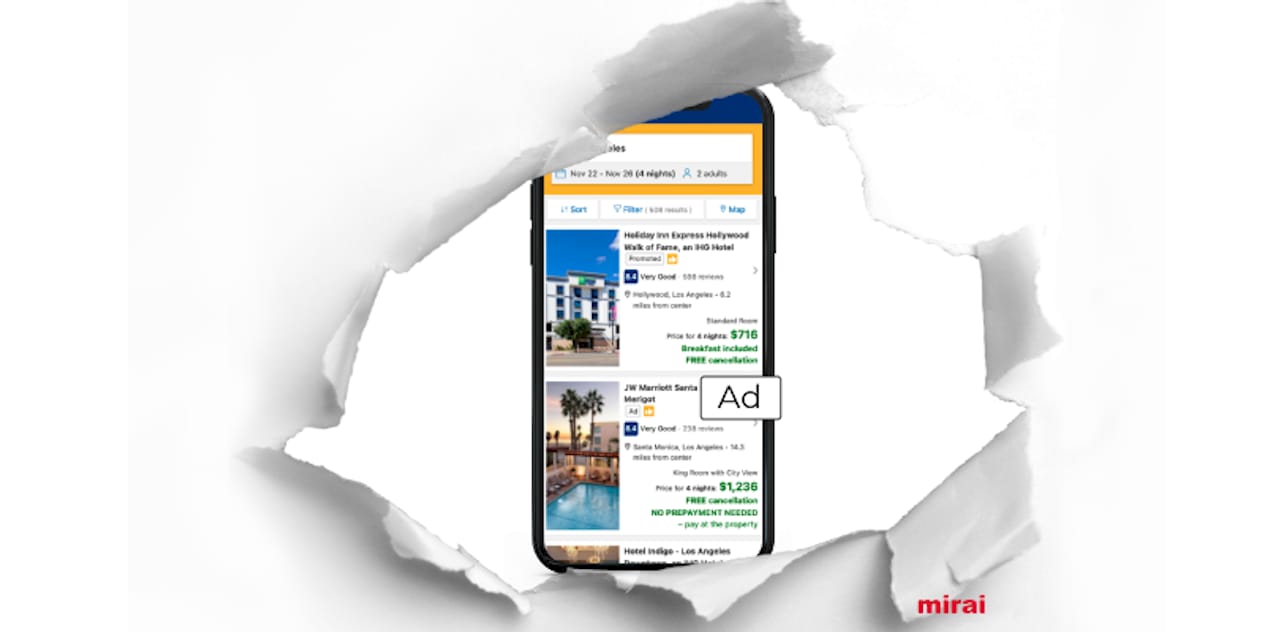
Retail media on Amazon and Walmart is the most direct path to incremental share. Off-platform channels amplify it. The mistake most brands make is running each channel as a separate budget with a separate efficiency target, which produces siloed optimization and misses cross-channel lift.
Structure your media investment this way:
-
Amazon Sponsored Ads: Sponsored Products for conversion-stage capture, Sponsored Brands for category conquest, Sponsored Display for retargeting. Manage to a blended ACoS target, not individual campaign targets.
-
Walmart Connect: Walmart’s ad revenue reached roughly $3.4B in fiscal 2026, and CPC benchmarks in categories like home goods and personal care run 30–40% lower than comparable Amazon campaigns. That gap won’t last.
-
DSP / Programmatic: Use Amazon DSP for upper-funnel audience building and retargeting off Amazon. Best for brands with enough SKU depth to justify the minimum spend thresholds.
-
Paid social and search: Meta and Google drive off-platform demand that shows up as branded search on Amazon and direct traffic on Shopify. Budget these as customer acquisition investments, not isolated channel spends.
30/60/90-day checkpoints: At 30 days, confirm click-through rate and add-to-cart rate are moving. At 60 days, evaluate ACoS by campaign type and reallocate to the most efficient placements. At 90 days, assess cross-channel halo and adjust DSP audiences.
Pro Tip: Set a combined ACoS target across Amazon and Walmart rather than independent targets. A higher ACoS on Walmart is acceptable if the incremental volume it drives protects your Amazon rank.
Nectar manages Amazon Sponsored Ads and Walmart Connect advertising as part of a unified retail media strategy.
Which assortment and pricing moves actually grow share?
The highest-leverage moves are SKU rationalization, channel-specific bundles, and MAP enforcement. Promotional volume without margin guardrails is just buying share you’ll lose the moment you stop discounting.
Four concrete tactics:
-
Rationalize the long tail. SKUs with low velocity and thin margins dilute your operational bandwidth. Cut them or migrate them to FBA-only with no ad support.
-
Build channel-exclusive bundles. A bundle priced at $49 that doesn’t exist on a competitor’s listing wins the Buy Box by default. It also makes price comparison harder, which protects your standard ASINs.
-
Run margin-based promotions. Coupons and Lightning Deals work best on SKUs with 50%+ gross margin. Use them to accelerate velocity on new listings, not to prop up declining ones.
-
Enforce MAP consistently. Buy Box suppression from MAP violations costs more in lost organic rank than any short-term volume gain is worth. Dynamic repricing with MAP floors is the operational standard for enterprise brands.
For premium categories, promotional strategy requires a different lens. The role of promotions in luxury fashion illustrates how discount depth affects brand equity, a trade-off that applies equally to premium e-commerce SKUs.
Pro Tip: Before running any promotion, calculate the margin floor: minimum acceptable contribution after fees, ad spend, and the discount. If the promo doesn’t clear that floor, it’s a brand-building exercise, not a share-growth tactic.
Is your operation ready to support share growth?
Operations are the most common bottleneck when brands try to scale share. You can win the Buy Box and run perfect ads, but a stockout on a top ASIN hands that share to a competitor in 48 hours.
A readiness checklist:
-
Multichannel forecasting: Siloed demand signals from Amazon, Walmart, and DTC produce inaccurate replenishment. Integrate all three into a single demand model.
-
Parallel inventory pools: Keep FBA and WFS inventory separate. Depleting one to feed the other hurts rankings on both platforms.
-
3PL as a buffer: A domestic 3PL gives you a replenishment buffer for FBA inbound delays and a fulfillment option for Shopify/DTC orders without touching marketplace inventory.
-
Inbound planning cadence: For FBA, plan inbound 6–8 weeks ahead. For WFS, Walmart’s lead times can be longer; build in 8–10 weeks for new item setup.
-
Low-inventory fee avoidance: Amazon’s low-inventory fee applies when your sell-through rate exceeds your inbound rate. Model this weekly, not monthly.
For more on fulfillment models, Nectar’s piece on multichannel fulfillment covers the FBA/WFS/3PL decision in detail.
How do you defend share with retention and lifecycle marketing?
Acquiring a new customer costs five to seven times more than retaining one. For marketplace brands, retention is harder because Amazon and Walmart own the customer relationship. That makes every DTC touchpoint and every post-purchase interaction disproportionately valuable.
The lifecycle flows that move repeat purchase rate and customer lifetime value most reliably:
-
Welcome series (DTC/email): Three emails over seven days. First email: product education and usage tips. Second: social proof and complementary products. Third: a replenishment reminder or subscription offer.
-
Replenishment flows: For consumables, trigger a replenishment email or SMS at 80% of the average repurchase interval. This single flow often produces the highest revenue-per-send of any lifecycle program.
-
Loyalty and subscription programs: Shopify’s subscription apps (like Recharge) and Amazon Subscribe & Save both increase purchase frequency and reduce churn. Brands using retention-focused strategies consistently report higher branded purchase share over 12-month periods.
-
Review request workflows: On Amazon, use the Request a Review button within 30 days of delivery. On Walmart, leverage the Walmart Syndication program to port DTC reviews to your marketplace listings.
KPIs to track: repeat purchase rate (target: 25%+ for consumables), customer lifetime value by cohort, and subscription attach rate.
A Nectar client saw a 65% increase in branded purchase share year-over-year after implementing a coordinated retention and lifecycle program alongside marketplace optimization. That result came from combining replenishment flows, review acquisition, and Subscribe & Save enrollment with full-funnel retail media.
What should you measure and when should you expect results?
Primary KPIs for market share growth:
-
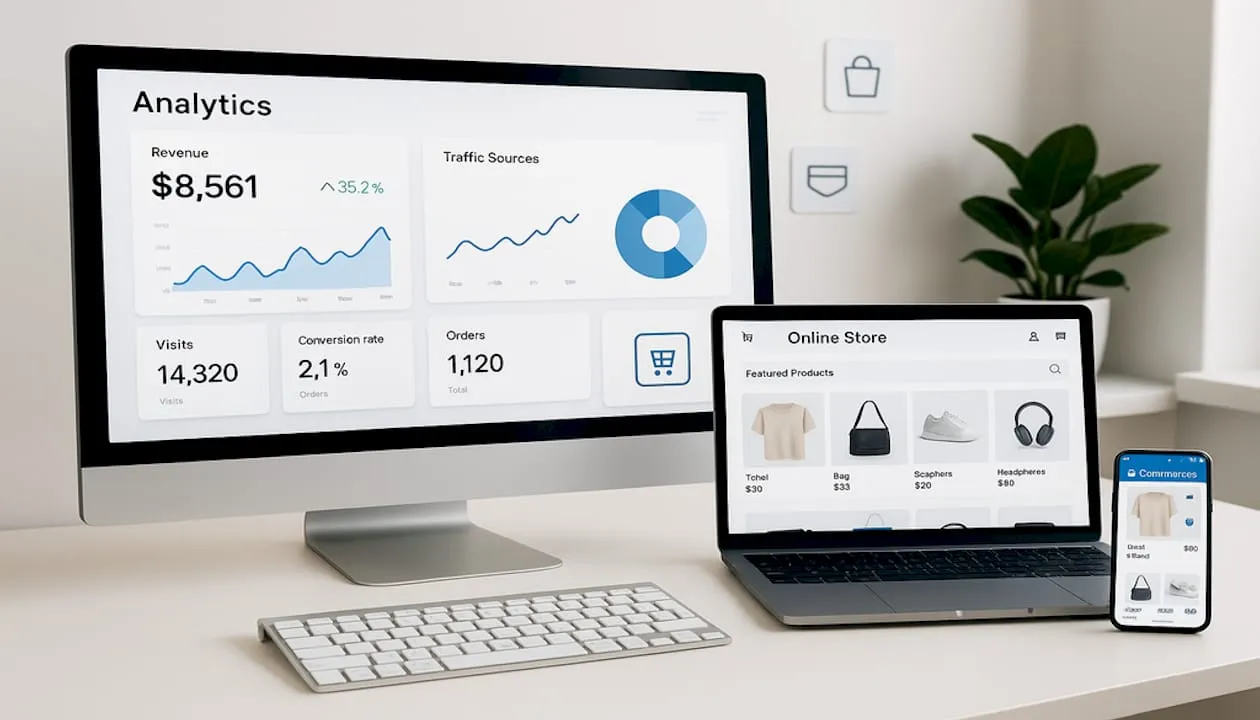
Market share by category: Track share of voice and share of sales using category-level data from Amazon Brand Analytics and Walmart Luminate.
-
Contribution margin per channel: Revenue minus COGS, fees, and ad spend. This is the number that tells you whether share growth is profitable.
-
ACoS / ROAS by platform: Blended targets across Amazon and Walmart, not siloed by campaign.
-
Repeat purchase rate: Measures whether new buyers are becoming loyal customers.
-
In-stock rate: Target 95%+ on your top 20% of SKUs. Below 90% and you’re actively losing share to in-stock competitors.
A practical 6–12 month roadmap, based on a phased multichannel approach:
-
Days 1–30: Listing and operations audit. Fix conversion blockers, confirm inventory health, and establish baseline KPIs.
-
Days 31–90: Amazon consolidation. Launch or optimize Sponsored Ads, complete A+ Content for top SKUs, and stabilize FBA inventory.
-
Days 91–180: Walmart launch. Onboard velocity-stable SKUs to WFS, activate Walmart Connect campaigns, and build out RMC for priority listings.
-
Days 181–360: DTC/Shopify expansion and lifecycle programs. Launch retention flows, test DSP, and begin eBay or other channel expansion for qualified SKUs.
Nectar’s iDerive analytics platform measures incrementality at each stage, so budget reallocation decisions are based on actual cross-channel lift rather than last-click attribution.
Nectar case study: 65% branded purchase share growth
A mid-market brand working with Nectar achieved a 65% year-over-year increase in branded purchase share across Amazon and Walmart. The result came from a coordinated set of changes, not a single tactic.
The methods:
-
Full listing overhaul: studio photography, A+ Content, and title restructuring on the top 30 ASINs
-
Retail media restructure: consolidated Amazon Sponsored Ads into a blended ACoS model and launched Walmart Connect campaigns for the first time
-
WFS enrollment for the top 10 velocity-stable SKUs, reducing out-of-stock events by eliminating reliance on a single fulfillment node
-
Lifecycle program: replenishment email flow and Subscribe & Save enrollment, which increased repeat purchase rate within six months
-
iDerive analytics tracked incrementality across all channels, confirming which media spend was driving new-to-brand buyers versus cannibalizing existing demand
The iDerive platform’s cross-channel attribution showed that Walmart Connect spend was generating measurable halo on Amazon branded search, a signal that informed a 20% budget shift toward Walmart in the second half of the engagement.
Key Takeaways
Profitable market share growth for e-commerce brands requires sequenced execution across channels, conversion, media, and operations, with measurement at every stage.
Point: Amazon as foundation Details: Consolidate Amazon listings and operations first; Amazon holds roughly 38% of U.S. e-commerce and rank stability here underpins every other channel.
Point: Walmart for incremental volume Details: Launch velocity-stable, margin-healthy SKUs on Walmart with WFS; Walmart Connect CPC benchmarks run 30–40% lower than Amazon in key categories.
Point: Conversion before media Details: Fix hero images, A+ Content, and review count before scaling ad spend; Walmart RMC drives a 15–20% conversion lift on prioritized SKUs.
Point: Unified forecasting Details: Integrate Amazon, Walmart, and DTC demand signals into one replenishment model to prevent stockouts that hand share to competitors.
Point: Nectar’s managed approach Details: Nectar’s iDerive analytics and full-funnel management drove a 65% branded purchase share increase year-over-year for a mid-market brand.
What most brands get wrong about sequencing
The conventional wisdom says “be everywhere at once.” Launch Amazon, Walmart, Shopify, and run ads on all of them simultaneously. In practice, that approach spreads operational bandwidth so thin that none of the channels get the attention needed to actually win.
The brands that grow share fastest are the ones that resist that pressure. They pick the channel where they have the clearest right to win, get the fundamentals right, and then expand. Amazon first, because the demand signal it generates is irreplaceable. Walmart second, because the ad platform is still underpriced and WFS has matured enough to be operationally reliable. Shopify/DTC third, because the margin protection it offers is most valuable once you have the customer data to use it.
The other mistake I see consistently: brands treat creative as a cost to minimize rather than a conversion lever. A $3,000 studio shoot on a $50,000/month ASIN is not an expense. It’s the highest-ROI line item in the budget. The brands that figure that out early compound their share gains. The ones that don’t keep wondering why their ads aren’t working.
Nectar drives market share growth across Amazon, Walmart, and Shopify
Nectar is a fully managed e-commerce agency built for mid-market and enterprise brands that need more than a consultant with a spreadsheet. The agency handles everything from Amazon growth and optimization and Walmart marketplace management to in-house creative production and retail media buying, all measured through the proprietary iDerive analytics platform.

A typical engagement moves through the same 30/90/180-day milestones outlined in this article: audit and baseline in month one, Amazon consolidation and Walmart launch through month six, then DTC expansion and lifecycle programs in the second half of the year. Every budget decision is backed by incrementality data, not assumptions.
If you’re a brand manager or e-commerce lead ready to turn marketplace presence into measurable share growth, request a discovery call with Nectar to see what a managed engagement looks like for your catalog.
Recommended




























































.webp)