An Amazon Brand Lift study measures how your ads change what shoppers think and feel, not just what they click. It compares survey answers from people who saw your ad against a control group who did not, then reports the gap in awareness, recall, consideration, and purchase intent. It works best on upper and mid-funnel campaigns, video, display, Sponsored Brands, and DSP, and delivers a statistically measured percentage lift rather than a guess.
TL;DR:
Brand Lift works best with upper and middle funnel campaigns like Sponsored Brands, Display, Sponsored TV, and DSP, but not with Sponsored Products.
A qualifying campaign requires sufficient spend, impression volume, and duration to achieve statistically valid results.
Results are typically available within 10 business days, showing lift in awareness, consideration, or purchase intent, and should be interpreted across multiple metrics for action.
Contamination from retargeting campaigns can skew results, so exclude retargeted audiences from prospecting-focused studies.
When official Brand Lift is not feasible, behavioral proxies like incremental sales or search volume trends can provide some insight into ad impact.
What Amazon Brand Lift Measures and How It Works
Brand Lift runs on Amazon’s own survey infrastructure rather than clickstream data. Amazon sends short questionnaires to two groups pulled from the Amazon Shopper Panel: one exposed to your ad and one not. The gap between their answers is your lift.
The reported metrics usually include:
-
Ad recall (did they remember seeing your ad)
-
Brand awareness (do they recognize the brand)
-
Consideration (would they consider buying it)
-
Favorability (how they feel about the brand)
-
Purchase intent (how likely they are to buy soon)
Amazon reports these as absolute lift, the raw percentage-point difference between exposed and control groups, and lets you break results out by segment. That segmentation, tied to Amazon’s promotion pillar in the broader Amazon marketing mix, is what turns a single lift number into a media-planning tool.
Who Can Run a Brand Lift Study and What Are the Eligibility Requirements?
Not every campaign qualifies, and the exceptions matter more than the rules. Amazon has expanded eligibility over the past two years to cover more self-serve formats, but the core requirement stays the same: enough reach to hit statistical significance.
-
Supported formats: Sponsored Brands, Sponsored Display, Sponsored TV, and Amazon DSP all support Brand Lift.
-
Key exception: Sponsored Products is not eligible, since it is built for bottom-funnel conversion, not brand perception.
-
Minimum thresholds: campaigns need sufficient spend and impression volume, and a minimum run time, to generate a sample large enough for a valid read.
-
Account access: available through self-service Ads Console accounts and through managed DSP setups, though rollout still varies by market and ad product.
If your campaign is small, thin on impressions, or purely performance-driven, an official study is not the right tool yet.
How Do You Set Up a Brand Lift Study in the Ads Console?
Setting up a study takes less time than most marketers expect, but the sequencing matters. Rushing the timing window or skipping question review is the most common way teams end up with unusable data.
-
Choose your campaigns. Select the eligible Sponsored Brands, Sponsored Display, Sponsored TV, or DSP campaigns you want measured.
-
Pick your objective and questions. Amazon offers question templates for awareness, consideration, and purchase intent. Stick close to the template wording; custom phrasing can skew comparability.
-
Set the exposure window. Define how long shoppers need to be exposed before they qualify for the survey pool.
-
Launch and monitor. Once live, the study runs alongside your campaign without extra creative work.
-
Pull results via API if you want automation. Amazon’s Ads API supports a create endpoint, an update endpoint, and a get-results endpoint, useful for agencies running studies across many accounts at once.
Pro Tip: Exclude retargeting campaigns from prospecting-focused studies. Mixing the two contaminates your control group, since retargeted shoppers already know the brand before the study starts.
How Do You Read Brand Lift Results and How Long Does It Take?
Results come back as absolute lift, question by question. A “consideration” lift of 4 percentage points means 4% more exposed shoppers said they would consider the brand compared to the control group. That is the whole metric, no modeling required.
Reports typically include:
-
Overall lift per question (awareness, recall, consideration, intent, favorability)
-
Demographic breakouts (age, income bracket)
-
Device breakouts (mobile versus desktop exposure)
-
Frequency segmentation (how exposure count affects lift)
Preliminary results often arrive in as few as 10 business days, with fuller analysis following once the sample stabilizes. That turnaround is fast enough to inform a mid-campaign creative swap, not just a post-mortem.
How Do You Interpret Lift Numbers and What Counts as a Good Result?
A lift number by itself does not tell you what to do next. Context does. Practitioner benchmarks suggest that even a small single-digit lift can be meaningful if the sample is large enough to be statistically robust, while a flashy double-digit lift on a tiny sample can be noise.
-
Actionable lift: a consistent, statistically significant gain across two or more brand metrics (say, recall and consideration both moving together) usually justifies more budget on that creative.
-
Needs follow-up: a lift in one metric but not others, or a result that barely clears significance, calls for a repeat test before you scale spend.
-
Common pitfall: judging creative quality off a single question’s lift instead of looking at the full metric set.
-
Common pitfall: treating a short study window as conclusive when the sample size was borderline.
Rule of thumb: trust the pattern across metrics more than any single number.
What Are the Alternatives When You Can’t Run an Official Brand Lift Study?
Brand Lift measures attitudes. When you cannot access it, behavioral proxies fill the gap, though they answer a different question.
-
AMC incrementality testing measures actual purchase behavior lift, useful when you want to know if ads drove sales that would not have happened otherwise, not whether shoppers now like your brand more.
-
New-to-Brand metrics track how many buyers are new to your catalog, a rough stand-in for awareness growth.
-
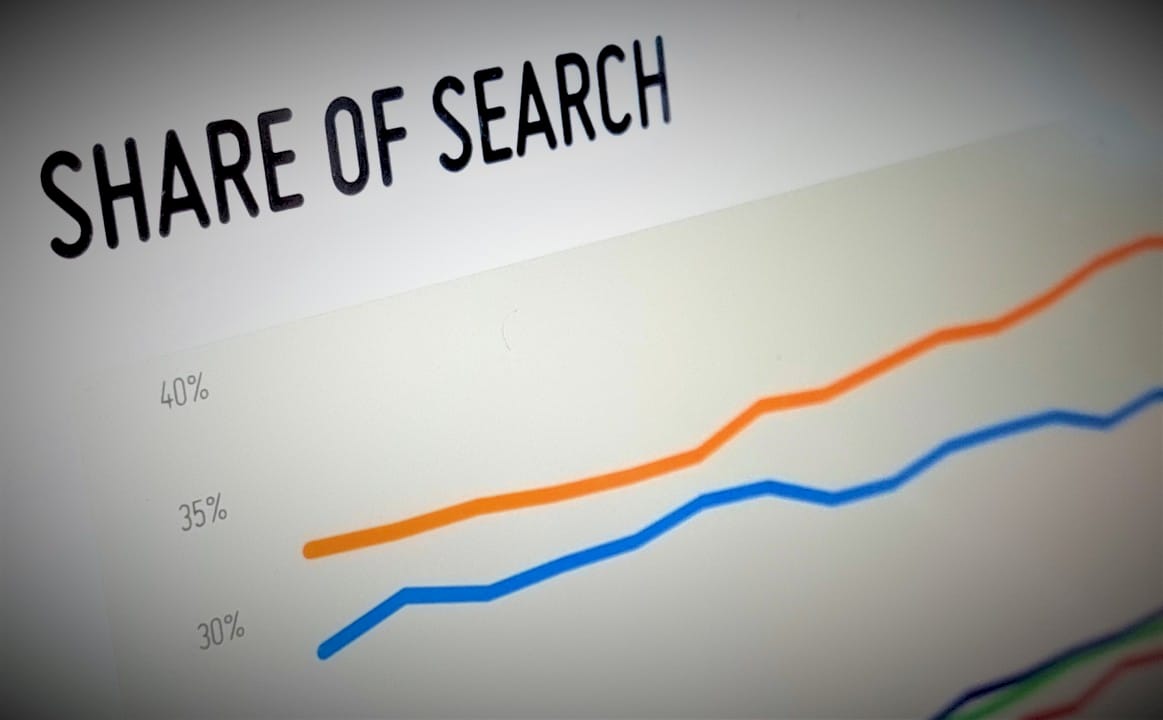
Branded search volume trends can signal rising recognition even without a formal survey.
-
Conversion lift studies isolate sales impact rather than perception, closer to performance measurement than brand measurement.
None of these substitute for official Brand Lift data, but they keep you informed between studies or when your campaign does not yet qualify.
What Methodology Limits and Pitfalls Should You Watch For?
Brand Lift’s biggest strength, its privacy-safe survey design through the Amazon Shopper Panel, is also its biggest constraint. Anonymized sampling protects respondents but limits how granular your segment cuts can get before sample sizes drop too low to trust.
-
Short attribution windows can undercount lift for products with longer consideration cycles.
-
Retargeting contamination inflates numbers when exposed and control groups aren’t cleanly separated.
-
Low sample sizes in niche categories can produce results that look dramatic but aren’t statistically stable.
Mitigate this by running separate prospecting and retargeting tests, extending your lookback window, and pairing Brand Lift with AMC incrementality analysis for a behavioral cross-check. Amazon itself frames Brand Lift as validation for upper-funnel spend, not a replacement for performance metrics on Sponsored Products.
How Agencies Turn Brand Lift Data Into Action
Most brands run one Brand Lift study, read the topline number, and stop there. That is the gap. The real value shows up when lift data gets layered against AMC and platforms like Nectar’s iDerive to connect perception shifts with actual purchase behavior and creative performance. Agency-managed studies tend to make sense once you’re running multiple campaigns simultaneously and need someone tracking sample thresholds and segment quality across all of them; self-serve works fine for a single, well-funded test.
— Dan Katona
Running and Acting on a Brand Lift Study With Nectar
Nectar runs Brand Lift studies as part of full campaign management, not as a one-off report you’re left to interpret alone. Because the team also builds out AMC incrementality analysis, creative testing, and iDerive reporting, a lift result gets tied directly to the media plan and creative decisions that follow it, rather than sitting in a spreadsheet nobody revisits.

A typical engagement starts with a review of your current campaign data and eligibility, moves into study setup and question selection, and ends with a plan for what changes based on the results, whether that’s shifting spend toward the format that lifted consideration or retesting creative that underperformed on recall. If you manage Sponsored Brands, Display, or DSP campaigns and want a partner to run that whole loop, get in touch through Nectar’s Amazon growth services page to start the conversation.
Where to Go for Official Documentation and Next Steps
Amazon’s own help center is the most reliable source once you’re ready to configure a study, since eligibility rules and API details change as formats expand.
-
Brand Lift overview and metrics from Amazon Ads
-
Step-by-step study creation guide for the Ads Console
-
Format expansion announcement covering Sponsored TV and DSP eligibility
-
Cross-channel measurement comparison for advertisers weighing Amazon lift data against other ad platforms
Sources
-
Brand Lift: Study the impact of your advertising | Amazon Ads
-
Measure brand marketing impact using Amazon Brand Lift | Amazon Ads
Recommended






































.webp)