TL;DR:
- Marketplace expansion involves selling products on additional online platforms to reach new customers and grow revenue. Success depends on operational readiness, platform-specific strategies, and tracking contribution margin rather than just sales volume. Brands that treat each marketplace as its own profit-and-loss unit build sustainable, profitable growth.
Marketplace expansion is defined as the practice of selling existing products across additional online platforms beyond a brand’s current channel, with the goal of reaching new customers and growing revenue. Sellers on three or more marketplaces generate 156% more revenue than those selling on a single platform. That gap is not a coincidence. Platforms like Amazon, Walmart, and TikTok Shop each serve distinct buyer segments, and brands that appear across multiple channels capture demand that a single-platform strategy simply misses. The tradeoff is real: operational complexity rises with every new channel, and brand control requires active management to preserve.
What is marketplace expansion, and what types exist?
Marketplace expansion takes three primary forms: geographic, demographic, and platform-based. Geographic expansion means entering marketplaces that serve new countries or regions. Demographic expansion means targeting buyer segments your current platform underserves. Platform-based expansion, the most common form for U.S. brands, means adding channels like Walmart or TikTok Shop alongside an existing Amazon presence.

Each type requires a different selection filter. The four factors that determine whether a new marketplace is worth entering are category fit, margin floor, brand control, and data ownership. Category fit means the platform’s dominant buyer base actually purchases your product type. Amazon leads in electronics and home goods. TikTok Shop over-indexes in wellness, beauty, and impulse purchases. Margin floor matters because marketplace fees vary widely, from roughly 6% on Walmart to approximately 45% all-in on Amazon FBA. A product with a 30% gross margin cannot absorb Amazon FBA fees without a price increase or cost reduction.
Brand control refers to how much the platform allows you to manage your presentation, pricing, and intellectual property. Data ownership refers to whether you can access customer-level purchase data to inform future marketing. Most marketplaces restrict both, which is why building a direct-to-consumer (DTC) channel alongside marketplace sales is a sound long-term move.
Platform-based expansion works best when you:
-
Launch a curated SKU subset rather than your full catalog on each new platform
-
Match product categories to the platform’s dominant buyer behavior
-
Confirm your margin survives the platform’s full fee structure before committing inventory
-
Verify that the platform’s brand control tools meet your minimum standards
Pro Tip: Every marketplace has its own advertising ecosystem. Build dedicated ad campaigns per platform from day one rather than copying Amazon campaigns to Walmart. The keyword structures, bid logic, and audience signals differ enough that copy-paste campaigns consistently underperform.
Building a sustainable marketplace growth strategy means treating each platform as its own P&L, not as a copy of your Amazon operation.
How do you manage operations across multiple marketplaces?
Operational readiness is the single biggest predictor of whether marketplace expansion succeeds or fails. Adding a new platform before your systems can support it creates a cascade of problems: overselling, delayed shipments, suppressed listings, and customer complaints.
Inventory overselling causes 23% of customer complaints in multi-channel environments. That number reflects what happens when brands manage inventory manually across platforms. A centralized ERP system with automated listing and pricing updates solves this. Inventory synchronization tools that centralize ERP and automate updates can reduce operational costs by 30–40% compared to managing each marketplace independently. That savings compounds as you add more channels.
The five operational steps to get right before launching a new marketplace:
-
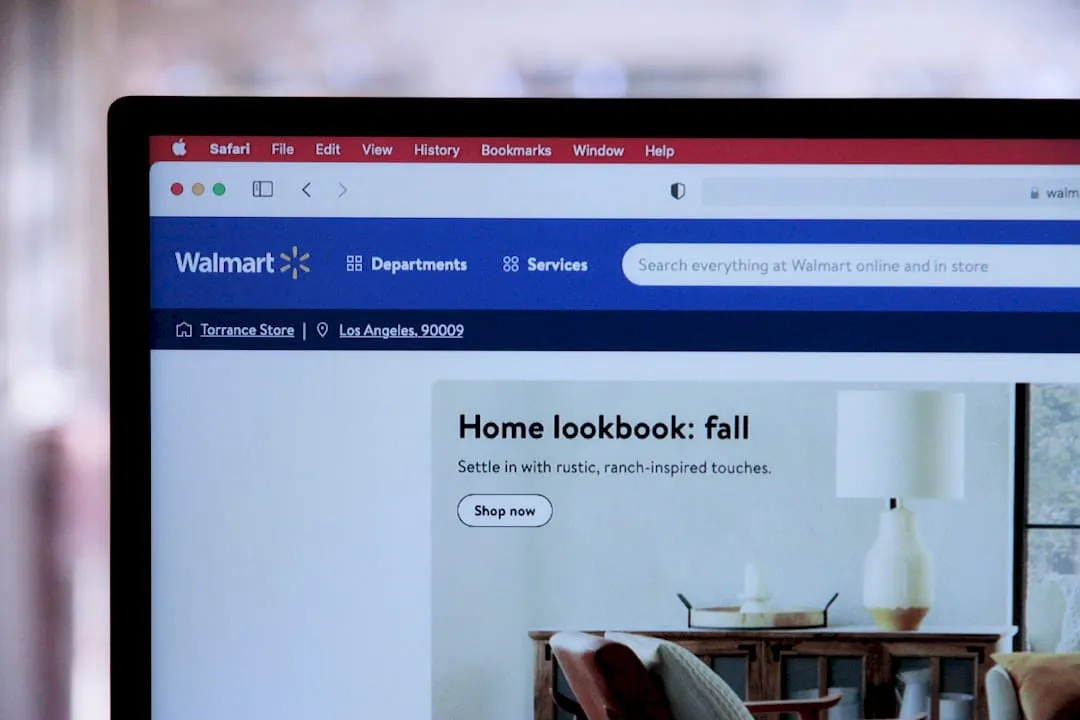
Validate your product data. Walmart’s item ingestion system requires strict GTIN validation. Mismatched UPCs can cause rejections that take 5–7 business days to resolve. Shopify or Amazon UPCs often fail Walmart’s system, so verify your GTINs before submitting a single listing.
-
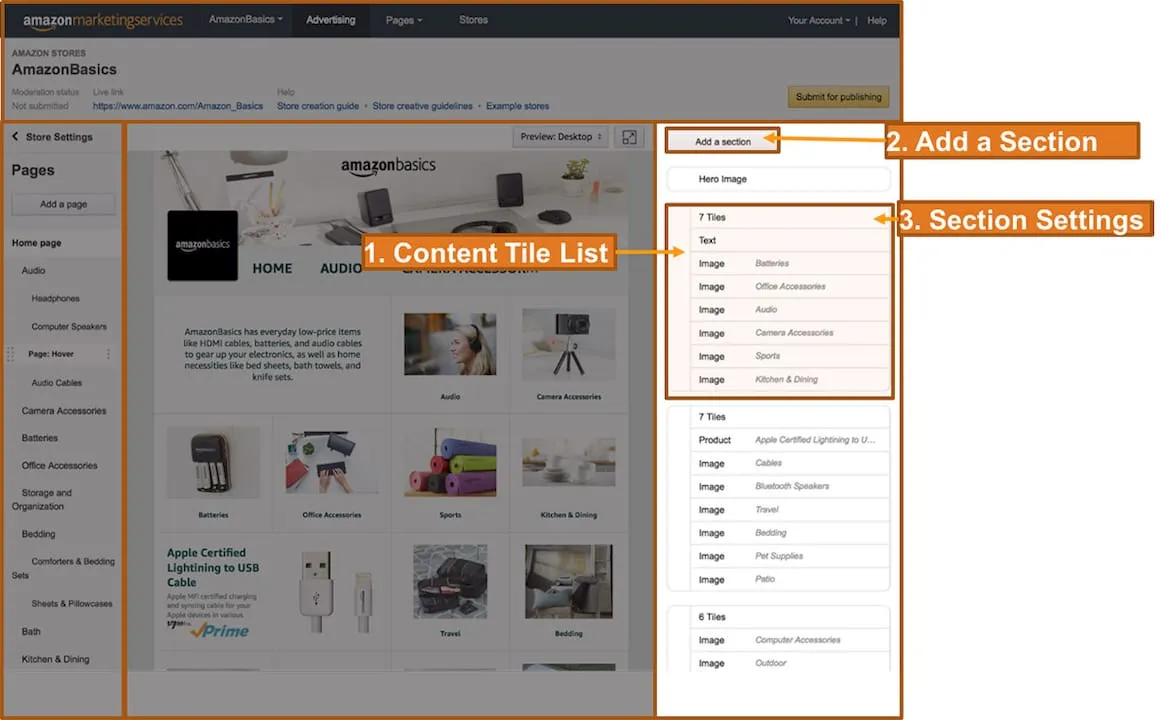
Enroll in brand protection programs. Amazon Brand Registry unlocks A+ content, intellectual property protections, and enhanced storefront tools. Enroll before listing, not after.
-
Adapt content per platform. Amazon rewards A+ content and keyword-rich bullet points. Walmart prioritizes key features in a specific format. Copying content across platforms without adaptation hurts both conversion and search visibility.
-
Build dedicated advertising architectures. Each platform’s ad system rewards platform-native campaign structures. Advertising budgets under $8,000 per month on Amazon frequently fail to maintain listing visibility. Budget accordingly before you launch.
-
Monitor seller health metrics. Walmart’s Seller Scorecard evaluates on-time delivery, tracking rate, cancellations, and customer satisfaction quarterly. Poor scores suppress listings or trigger account suspension.
Pro Tip: Enforce a minimum advertised price (MAP) policy across every marketplace from launch day. Without MAP enforcement, third-party sellers will undercut your pricing, triggering a race to the bottom that erodes margin and brand perception simultaneously.
For a detailed breakdown of Walmart-specific compliance, Nectar’s Walmart best practices guide covers listing optimization and seller health management in depth.
What are the benefits and risks of marketplace expansion?
The revenue case for multi-marketplace selling is clear. Sellers on three or more platforms generate 156% more revenue than single-platform sellers. That figure reflects both the volume of new customers reached and the compounding effect of appearing across multiple discovery surfaces. Marketplaces collectively serve billions of active buyers, and each platform surfaces your products to shoppers who may never visit your DTC site.
The risks are equally real and frequently underestimated.
-
Platform dependency means a single algorithm change, fee increase, or policy update can materially damage your revenue overnight.
-
Brand exclusivity erosion happens when your products appear on too many channels without consistent pricing and presentation controls.
-
Customer relationship loss is structural. Marketplaces own the customer data. You fulfill the order, but the platform retains the buyer relationship.
-
Margin compression accelerates when fee structures are not modeled accurately before expansion.
“Marketplace expansion risks include loss of brand exclusivity and customer relationship erosion if marketplaces are treated merely as volume tactics. The most advanced e-commerce brands treat marketplaces as integrated components of a layered distribution architecture alongside DTC, TikTok Shop, and wholesale channels.”
The brands that avoid these traps treat marketplace channels as one layer in a broader distribution system, not as the foundation of their business. A DTC migration path, where marketplace buyers are eventually converted to direct customers through email capture, loyalty programs, or insert cards, preserves both margin and brand equity over time.
How do you launch and scale marketplace expansion effectively?
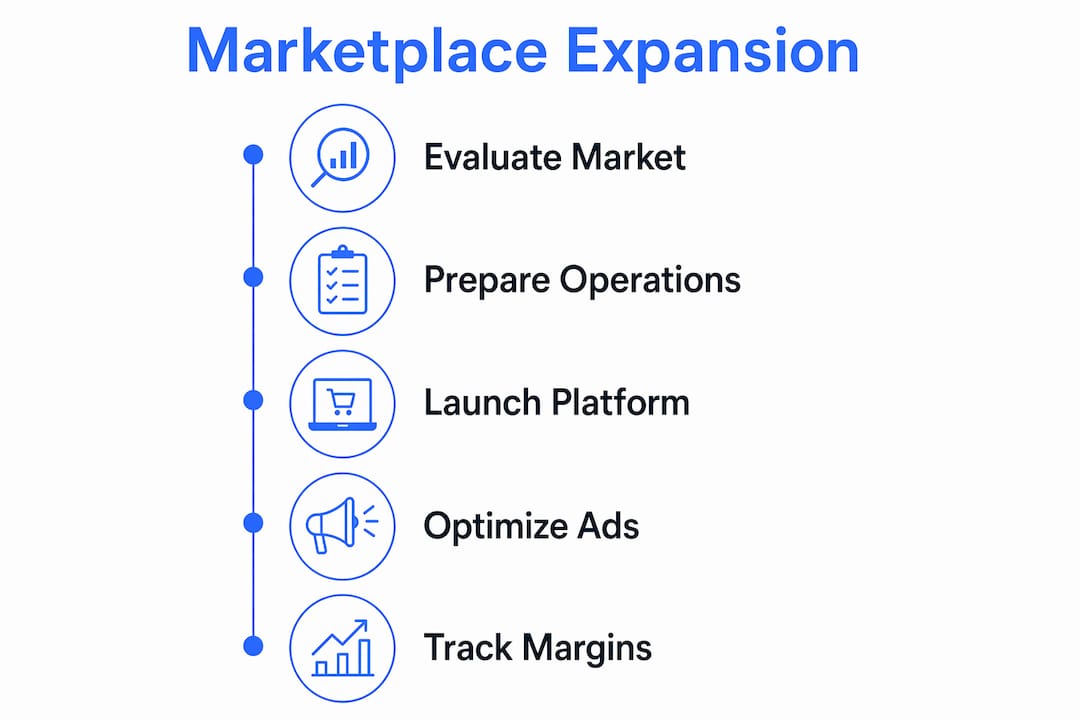
A phased approach consistently outperforms trying to enter multiple marketplaces simultaneously. Start with one or two platforms, build operational competency, then add channels incrementally.
A practical four-phase framework:
-
Foundation (months 1–3). Select one new marketplace based on the four-factor filter: category fit, margin floor, brand control, and data ownership. List a curated SKU subset, not your full catalog. Complete brand registry enrollment, validate all GTINs, and build platform-native ad campaigns.
-
Optimization (months 4–6). Measure contribution margin by channel, not just revenue. Track your marketplace-to-DTC migration rate if you have insert cards or post-purchase email flows in place. Adjust pricing, content, and ad spend based on actual performance data.
-
Expansion (months 7–12). Add a complementary marketplace once your first new channel is operationally stable and margin-positive. Apply the same phased launch process. Resist the temptation to add platforms because competitors are there.
-
Scale and diversification. Consider international expansion or category extension once domestic multi-marketplace operations run without constant manual intervention. Layered distribution architectures that blend marketplaces, DTC, and wholesale channels represent the most durable growth model.
The KPIs that matter most are contribution margin by channel, brand search volume lift, and marketplace-to-DTC migration rate. Revenue alone is a misleading metric. A channel generating strong revenue at negative contribution margin is destroying value, not creating it.
Pro Tip: Walmart’s onboarding process is selective. Approval is not guaranteed, and the application requires demonstrating catalog quality, fulfillment capability, and customer service standards. Apply before you need the channel, not when you’re ready to launch.
Brands that diversify marketplace presence with measured contribution margins build durable growth rather than chasing short-term volume.
Key Takeaways
Successful marketplace expansion requires operational readiness, platform-specific strategy, and a clear contribution margin framework before adding any new channel.
Point
Details
Multi-marketplace revenue lift
Sellers on three or more platforms generate 156% more revenue than single-platform sellers.
Four-factor marketplace filter
Evaluate every new platform by category fit, margin floor, brand control, and data ownership.
Operational readiness first
Inventory sync, GTIN validation, and brand registry enrollment must be complete before launch.
Contribution margin over revenue
Track margin by channel, not just sales volume, to avoid expanding into unprofitable platforms.
DTC migration path
Build a direct customer conversion strategy alongside marketplace sales to preserve brand equity.
Why most marketplace expansion advice misses the point
The standard advice on marketplace expansion focuses almost entirely on which platforms to join. That framing is wrong. The real question is whether your operations, team structure, and P&L model can support a new channel without degrading performance on the ones you already run.
I’ve seen brands add Walmart to a thriving Amazon operation and watch their Amazon performance decline within 90 days. Not because Walmart was the wrong choice, but because the same team was now splitting attention across two complex platforms without dedicated ownership. Marketplace expansion is a system. Each channel needs its own budget owner, its own content calendar, and its own performance review cadence.
The brands that build durable multi-marketplace businesses share one trait: they measure contribution margin per channel from day one. They know exactly what each platform costs to operate, not just what it generates in revenue. That discipline is what separates brands that grow profitably from brands that grow themselves into margin problems.
The future of multi-channel commerce blends marketplace volume with proprietary DTC experiences. Marketplaces bring discovery and transaction volume. DTC builds the customer relationship and the brand. Neither works as well without the other. Build both, and treat each marketplace as a channel with its own P&L, not as a shortcut to scale.
— Dan Katona
How Nectar supports profitable marketplace expansion
Expanding across Amazon, Walmart, and Shopify requires more than listing products on new platforms. It requires platform-specific content, advertising architecture, and analytics that connect performance data across every channel.
Nectar manages the full scope of marketplace expansion for mid-sized and enterprise brands, from listing creation and brand registry enrollment to dedicated ad campaign management and creative production. The proprietary iDerive analytics platform unifies data across Amazon, Walmart, and Shopify into a single view, so your team can track contribution margin by channel and make decisions based on real performance. Brands looking to grow profitably across multiple platforms can explore Nectar’s Amazon and Walmart growth services or request a consultation to build a channel expansion plan grounded in margin, not just volume.
FAQ
What is marketplace expansion in e-commerce?
Marketplace expansion is the practice of selling existing products on additional online platforms beyond a brand’s current channel. The goal is to reach new customer segments and grow revenue across platforms like Amazon, Walmart, and TikTok Shop.
How many marketplaces should a brand sell on?
Sellers on three or more marketplaces generate 156% more revenue than single-platform sellers, but adding beyond five platforms can produce diminishing returns due to operational complexity. Start with one or two new channels and expand incrementally.
What are the biggest risks of marketplace expansion?
The primary risks are platform dependency, brand exclusivity erosion, loss of customer data ownership, and margin compression from high marketplace fees. Brands that treat marketplaces as volume tactics rather than managed channels face the steepest consequences.
How do you choose which marketplace to expand to?
Evaluate each new platform using four criteria: category fit, margin floor, brand control, and data ownership. A marketplace where your product category does not perform well or where fees eliminate your margin is not worth entering regardless of its overall size.
What KPIs should you track during marketplace expansion?
The three most important metrics are contribution margin by channel, marketplace-to-DTC migration rate, and brand search volume lift. Revenue alone does not reveal whether a channel is profitable or sustainable.
Recommended












.png)