TL;DR:
- Customer reviews are essential for building trust and increasing sales in D2C commerce. They influence consumer decisions more than retail placement or endorsements by providing unfiltered peer validation. Effective review strategies include reaching at least 20 reviews per SKU, using visual content, responding transparently to negative feedback, and integrating reviews across marketing channels.
Customer reviews are the most powerful social proof driving trust and sales in direct-to-consumer (D2C) commerce. Unlike retail shelf placement or third-party endorsements, reviews give shoppers unfiltered peer validation at the exact moment they consider buying. The role of customer reviews in D2C is not decorative. It is structural. 93% of consumers read reviews before making a purchase, and 53% of shoppers consider reviews more important than price. For D2C brands competing without a physical store, reviews fill the trust gap that a retail environment normally provides.
How do customer reviews influence consumer trust and buying decisions in D2C?
Reviews function as social proof. They replace the tactile experience of touching a product in a store with the collective judgment of people who already bought it. This matters more in D2C than in any other channel because the brand controls the entire shopping environment, and shoppers know it. Without a neutral third party, reviews become the only independent voice on the page.

The impact on purchase behavior is measurable. Displaying as few as five reviews can increase purchase likelihood by up to 270%, with higher-priced products seeing up to a 380% lift. That means a $150 skincare product with five honest reviews converts dramatically better than the same product with none.
Several factors shape how much trust a review earns:
-
Verified purchase badges boost conversion rates by 15–28% compared to unverified reviews. Shoppers treat verified reviews as harder to fake.
-
Recency signals that the product is still relevant and the brand is still active. A cluster of reviews from three years ago reads as stale.
-
Rating distribution matters. A product with 200 reviews averaging 4.4 stars, including a few 2-star ratings, reads as more credible than one with 50 perfect 5-star scores.
-
Review length and specificity build confidence. “Great product” does nothing. “The zipper held up after six months of daily use” answers a real objection.
Negative reviews, handled well, actually strengthen trust. Shoppers expect some dissatisfaction. What they watch for is how the brand responds. A courteous, specific reply to a critical review signals accountability. That signal converts skeptics.
Pro Tip: Display your lowest-rated reviews prominently alongside your highest. Hiding criticism reads as manipulation. Showing it reads as confidence.

What metrics and benchmarks define effective review strategies for D2C brands?
Review volume is an operational KPI, not a passive outcome. The threshold where reviews begin to materially influence purchase decisions sits at approximately 20 reviews per SKU. Below that number, most shoppers treat the product as unproven. The median ecommerce brand has only 9 reviews per SKU. Top-performing brands average 38 or more.
The conversion lift from volume does not scale forever. Products with 50 or more reviews see up to a 4.6x conversion increase over unreviewed products, but returns plateau around that 50-review mark. After 50, qualitative factors drive growth more than raw count.
The three qualitative factors that matter most after volume are format, recency, and specificity.
-
Photo reviews convert 9–14% better than text-only reviews. Shoppers use photos to verify fit, color accuracy, and scale.
-
Video reviews perform up to 4x better in high-engagement categories like fitness equipment, apparel, and home goods. A 30-second unboxing video answers questions no product description can.
-
Recency keeps your rating credible. A product with 80 reviews, all from 18 months ago, raises questions about whether the formula or quality changed.
For apparel brands specifically, visual reviews carry extra weight because fit and color are the two biggest purchase barriers in online apparel shopping. A photo of a real customer wearing the item removes more doubt than any size chart.
Pro Tip: Incentivize photo and video submissions with a small discount on the next order rather than a lottery. Certain rewards drive higher submission rates than uncertain ones.
How can D2C brands leverage customer reviews across the entire buying journey?
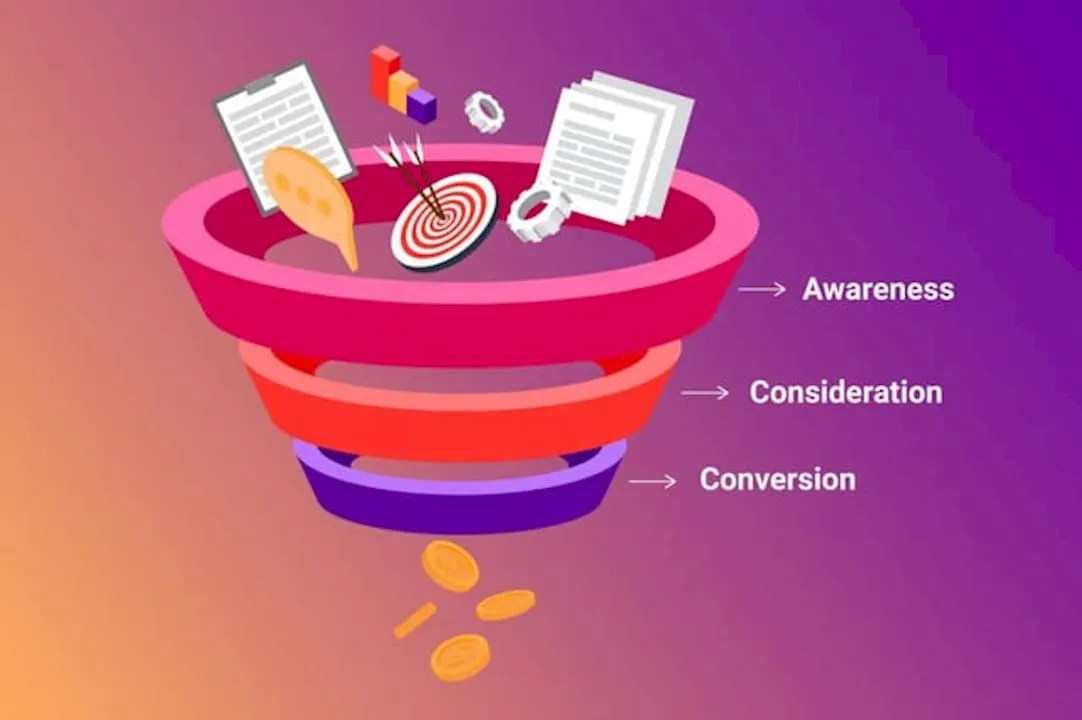
Reviews do not belong only on product pages. The importance of customer feedback in D2C extends across every stage of the funnel, from first impression to repeat purchase.
-
Acquisition campaigns. Pull specific quotes from reviews and use them as ad copy. “I’ve tried six protein powders. This is the only one I reorder” outperforms any brand-written headline. Google Shopping ads and Meta ads that feature review snippets consistently outperform generic creative.
-
Email marketing. Segment post-purchase emails based on review sentiment. Customers who leave 4 or 5-star reviews are prime candidates for referral program invitations. Customers who leave 2 or 3-star reviews need a service recovery sequence before you ask them to buy again. Ecommerce email automation makes this segmentation scalable without manual effort.
-
Retargeting. Shoppers who viewed a product but did not buy respond well to retargeting ads that feature reviews addressing the most common objections for that category.
-
Public responses. Every public reply to a review is visible to future shoppers. A thoughtful response to a complaint is not damage control. It is a conversion asset for the next thousand people who read it.
-
Product development. Review content drives product intelligence that fuels both product development and marketing campaigns. Recurring complaints about a product’s scent, texture, or packaging are direct signals for your R&D team. Recurring praise tells you which features to lead with in your next campaign.
The brands that treat customer opinions in direct-to-consumer as a continuous data stream, not a static rating, build compounding advantages over time.
What are best practices for managing negative reviews and maintaining authentic ratings?
Perfect 5-star ratings raise suspicion. Shoppers have learned that a flawless score often means filtered or incentivized reviews. Maintaining a 4.3–4.5 star average with authentic responses builds more enduring trust than chasing perfection.
The right approach to negative reviews follows a clear pattern:
-
Respond publicly and promptly. A reply within 24–48 hours signals that the brand monitors feedback and takes it seriously.
-
Acknowledge the specific complaint. Generic apologies (“We’re sorry you had this experience”) read as automated. Name the issue the customer raised.
-
Offer a resolution. Direct the customer to a support channel or offer a replacement. The offer matters less than the visibility of making it.
-
Never delete or suppress. Removing negative reviews destroys credibility faster than the review itself would have. Shoppers notice when a rating profile looks curated.
-
Use criticism as a brief. A recurring complaint about slow shipping is a logistics brief. A recurring complaint about confusing assembly instructions is a content brief.
Transparent public responses to negative reviews often persuade future shoppers more effectively than perfect ratings. They demonstrate accountability in a way that no marketing copy can replicate.
Pro Tip: Pin your best response to a negative review near the top of your review display. It shows confidence and turns a liability into a trust signal.
How to build a scalable review generation system for D2C growth
Systematic review collection is the difference between brands that plateau at 9 reviews per SKU and those that reach 38 or more. Automation and timing in review requests can triple review volume within 90 days when executed correctly.
The four steps that drive consistent volume are:
-
Time the request to delivery, not purchase. Send the review request 3–5 days after confirmed delivery. Sending it at purchase, before the customer has used the product, produces low response rates and shallow feedback.
-
Reduce friction to near zero. Allow inline review submission without requiring account creation. Every additional step cuts submission rates. A one-click rating followed by an optional text field outperforms a multi-step form every time.
-
Prompt for specifics. Generic prompts (“Tell us what you think”) produce generic reviews. Prompts like “What problem did this solve for you?” or “How does it compare to what you used before?” produce reviews that answer real shopper questions.
-
Segment follow-ups by satisfaction. Use a brief post-purchase survey to gauge satisfaction before asking for a public review. Satisfied customers go straight to the review request. Dissatisfied customers go to a service recovery flow first.
Videography drives trust in ways that text cannot replicate. Building a small incentive for video submissions into your automated flow, such as a $5 credit on the next order, produces a disproportionate return given how much video reviews lift conversion.
Pro Tip: Test your review request subject line the same way you test ad creative. “How did we do?” underperforms “Your honest opinion helps other shoppers” by a measurable margin.
Key Takeaways
Customer reviews are a structural growth asset in D2C, not a passive rating system. Brands that treat review volume, format, and response quality as operational KPIs consistently outperform those that treat reviews as a byproduct.
| Point | Details |
|---|---|
| Review volume threshold | Reach at least 20 reviews per SKU before reviews materially influence purchase decisions. |
| Visual content priority | Photo and video reviews convert significantly better than text alone; incentivize them directly. |
| Rating authenticity | A 4.3–4.5 star average with transparent responses builds more trust than a perfect score. |
| Full-funnel integration | Use review content in ads, email segmentation, and product development, not just on product pages. |
| Automation drives volume | Timed, low-friction review requests with specific prompts can triple submission rates within 90 days. |
Why I think most D2C brands are still treating reviews as an afterthought
After working with dozens of brands across Amazon, Shopify, and Walmart, the pattern I see most often is this: a brand invests heavily in creative, advertising, and logistics, then treats reviews as something that just happens. They set up a basic post-purchase email, collect whatever comes in, and move on. That approach leaves significant conversion lift on the table.
The brands that grow fastest treat reviews as a managed channel with its own KPIs, workflows, and creative strategy. They know their average review volume per SKU. They track photo and video submission rates. They monitor response time on negative reviews the same way they monitor ad spend efficiency.
What I find most underused is the intelligence layer. Review content tells you exactly what language your customers use to describe your product’s value. That language belongs in your ad copy, your email subject lines, and your product descriptions. The brands that close this loop, from review insight to creative brief to campaign, consistently outperform those that treat reviews and marketing as separate functions.
The future of review management in D2C is not more automation. It is smarter integration. The brands that win will be the ones that treat every review as a data point in a continuous feedback loop, not a static star rating on a product page.
— Dan Katona
How Nectar helps D2C brands turn reviews into a growth engine

Nectar works with mid-sized and enterprise brands across Shopify, Amazon, and Walmart to build the full-funnel systems that turn customer feedback into measurable revenue. That includes review collection workflows, visual content strategy, and the creative production needed to make photo and video reviews a consistent part of your listing performance. Nectar’s iDerive analytics platform connects review intelligence to advertising and creative decisions, so your best customer language shows up in your highest-performing campaigns. If your brand is ready to treat reviews as a managed growth channel, Nectar’s services are built for exactly that.
FAQ
How many reviews does a D2C product need to drive sales?
A product needs at least 20 reviews per SKU before reviews materially influence purchase decisions. Conversion lift plateaus around 50 reviews, after which qualitative factors like photo content and recency matter more than volume.
Do negative reviews hurt D2C conversion rates?
Negative reviews handled with transparent, specific public responses often improve conversion by demonstrating brand accountability. A 4.3–4.5 star average with honest replies builds more trust than a perfect score.
What review format converts best for D2C brands?
Video reviews perform up to 4x better than text reviews in high-engagement categories. Photo reviews convert 9–14% better than text alone, making visual content the highest-priority format to incentivize.
When should a D2C brand send a review request?
Send the request 3–5 days after confirmed delivery, not at the time of purchase. Customers who have used the product leave more specific, useful reviews that answer real shopper questions.
How do verified purchase badges affect review credibility?
Verified purchase badges boost conversion rates by 15–28% compared to unverified reviews. They reduce consumer skepticism by signaling that the reviewer actually bought and used the product.
Recommended