TL;DR:
- Successful marketplace expansion relies on operational stability and liquidity building before scaling to new channels. Brands should focus on a phased approach, starting with a wedge, verifying supply, and managing manual transactions to find friction points. Monitoring key metrics and maintaining adequate runway ensure sustainable growth and prevent failure.
Step by step marketplace expansion is the structured process of preparing, launching, and scaling your e-commerce presence on additional platforms by carefully sequencing growth phases to ensure sustainable liquidity and profitability. Most mid-market and enterprise brands that struggle on Amazon or Walmart do so not because of weak products, but because they skipped the sequencing. A phased approach, built around liquidity first and breadth second, is the difference between compounding growth and fragmented revenue. The industry standard for a marketplace MVP build runs 10–16 weeks, and brands that respect that timeline consistently outperform those that rush to launch.
What are the prerequisites for step by step marketplace expansion?
Expansion readiness starts with operational stability on your primary marketplace. If your Amazon or Walmart storefront has inconsistent inventory, unresolved customer service backlogs, or listing assets that vary by channel, adding a new platform multiplies those problems rather than solving them. Stability on your first channel is the foundation everything else rests on.
Before you expand, audit these core areas:
-
Inventory synchronization. Your stock levels must update in real time across every channel. A single oversell event on Walmart can trigger account health penalties that take weeks to resolve.
-
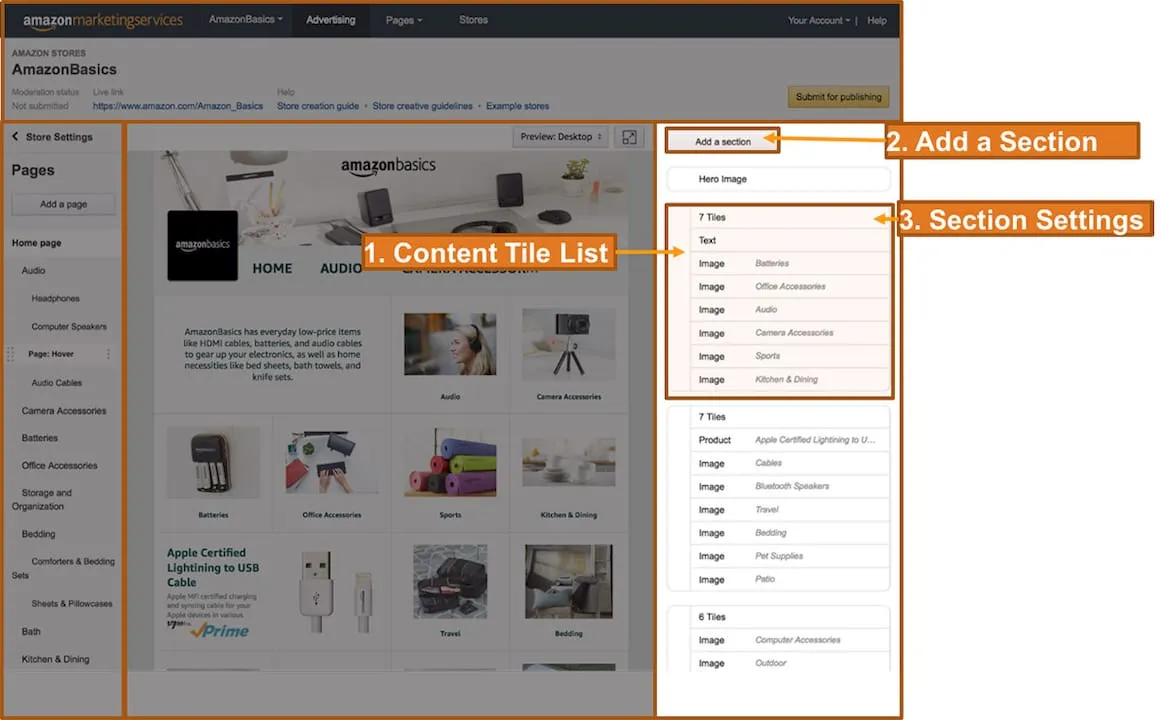
Standardized listing assets. Product titles, bullet points, images, and A+ content should follow a documented template. Rebuilding assets from scratch for each new marketplace wastes time and creates brand inconsistency.
-
Documented SOPs. Order processing, returns handling, and customer service escalation paths all need written procedures. Without them, each new marketplace becomes a training exercise rather than a growth channel.
-
Dedicated resource allocation. Marketplace management requires channel-specific attention. Assigning a single generalist to manage Amazon, Walmart, and Shopify simultaneously produces mediocre results on all three.
-
Performance benchmarks. Know your current conversion rate, return rate, and seller metrics before you expand. These numbers become your baseline for diagnosing problems on new channels.
The most common early mistake is treating marketplace expansion as a listing exercise. Brands copy their Amazon catalog to Walmart, set it live, and wonder why sales are flat. The real work is operational alignment, not catalog duplication.
Pro Tip: Run a two-week “stress test” on your primary channel before expanding. Artificially spike order volume through promotions and measure how your fulfillment, customer service, and inventory systems respond. If they crack under pressure, they will crack on a new marketplace.
How do you plan and execute a phased marketplace expansion?
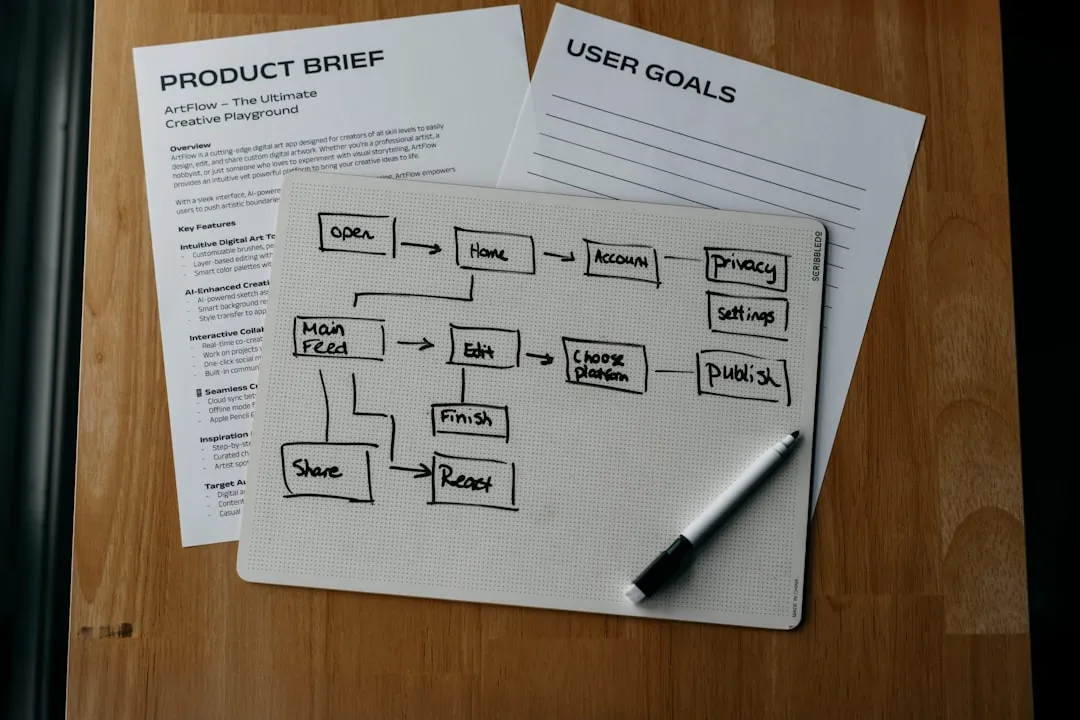
Phased expansion, sometimes called stepwise marketplace development, follows a defined sequence: choose your wedge, seed supply, validate with manual transactions, then scale. Skipping any step compresses your learning curve in the wrong direction.

Step 1: Choose your wedge
A wedge is a single geography or product category where you concentrate your initial effort. Strong liquidity in a single wedge consistently outperforms broad but shallow market presence. Density creates network effects and trust. For a brand expanding from Amazon to Walmart, the wedge might be your top three SKUs in your strongest product category rather than your full catalog.
Step 2: Seed supply before demand
The liquidity-first approach means getting supply in place before you drive buyer traffic. For product marketplaces, this translates to having sufficient inventory depth and competitive pricing before running any paid advertising. Launching ads into a thin catalog burns budget and trains the algorithm against you.

Step 3: Run a manual concierge phase
Manually manage your first 20–50 transactions before automating anything. This is where you find the friction points: slow shipping confirmations, return label failures, customer message delays. Automating a broken process locks in the breakage. Manual oversight surfaces it while the stakes are still low.
Step 4: Set realistic financial timelines
Budget for 4–6 months to reach breakeven on each new marketplace. That timeline accounts for algorithm ramp-up, review accumulation, and advertising efficiency gains. Brands that expect profitability in 30 days pull investment too early and never reach escape velocity.
Step 5: Build a repeatable launch playbook
Document everything from your first expansion. The asset creation process, the advertising ramp schedule, the SOP adjustments, the metric benchmarks at weeks 4, 8, and 12. A go-to-market playbook built from real data cuts your second expansion timeline significantly. Each new channel becomes faster and cheaper to launch because the institutional knowledge is already written down.
Pro Tip: Treat your Walmart launch like a new business, not a copy-paste of your Amazon operation. Walmart’s search algorithm, content requirements, and customer expectations differ enough that a direct copy rarely performs. Build channel-specific content from the start.
What metrics should guide your expansion progress?
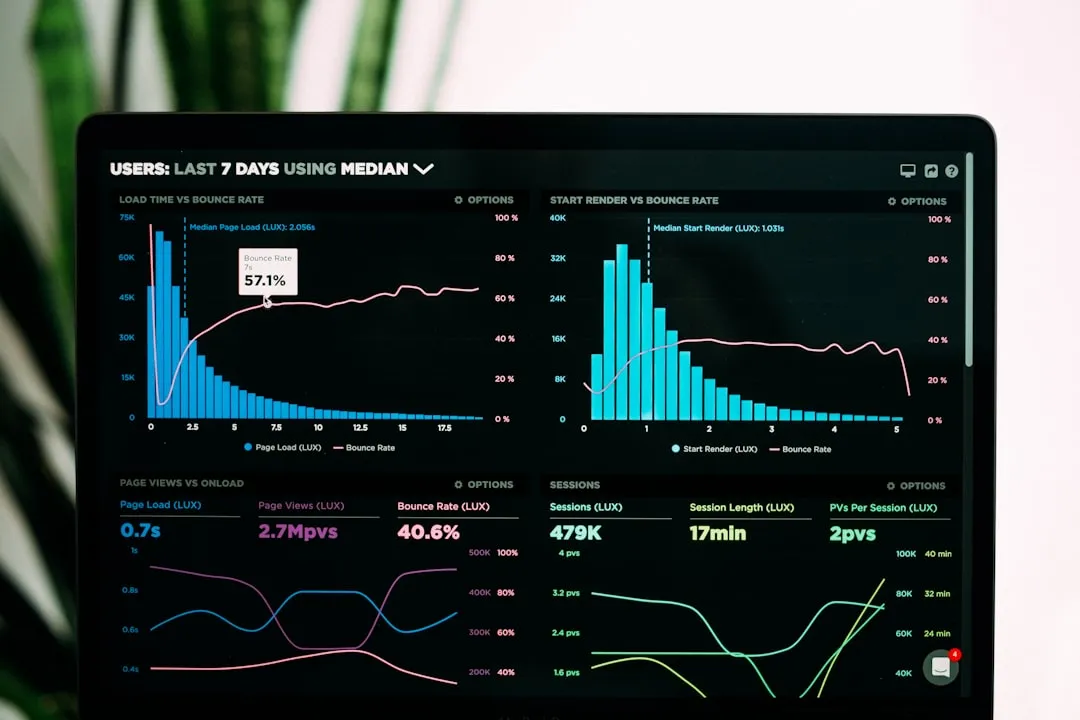
Marketplace growth is constrained by liquidity, and the metrics that matter most are the ones that measure it directly. That means tracking funnel health on both the supply and demand sides before you declare a channel healthy enough to scale.
The core metrics to monitor weekly:
-
Search-to-fill rate. What percentage of buyer searches result in a completed transaction? A low rate signals either insufficient inventory depth or pricing misalignment.
-
Time to first transaction. How long does it take a new listing to generate its first sale? Longer times indicate weak discoverability or poor content quality.
-
Unit economics per channel. Calculate contribution margin per order after marketplace fees, advertising spend, and fulfillment costs. A channel that looks profitable on gross revenue can be deeply negative on a per-unit basis.
-
Return rate by SKU. High return rates on a new channel often point to content gaps, specifically, images or descriptions that misrepresent the product.
-
Advertising cost of sale (ACoS) trend. ACoS should decline over the first 90 days as the algorithm learns your catalog. A flat or rising ACoS after 60 days signals a content or targeting problem.
The operating cadence that works for most mid-market brands is a weekly review of supply acquisition and buyer funnel metrics, a monthly P&L review by channel, and a quarterly decision point on whether to hold, optimize, or expand to the next market. Reaching self-sustaining liquidity on your current channel before adding another is the single most important rule in phased expansion. Brands that violate it dilute their attention and their cash simultaneously.
Subsidy strategies, such as promotional pricing or advertising subsidies, should be modeled against your unit economics before deployment. A subsidy that makes sense at $15 average order value may be catastrophic at $8. Build the model first, then run the promotion.
What are the most common mistakes in marketplace expansion?
The most damaging mistake in marketplace expansion is launching multiple channels simultaneously without the financial runway to sustain them. Multi-market launches require 12–18 months of runway to absorb the ramp-up period across channels. Brands that launch three marketplaces at once with six months of cash typically fail on all three.
Other critical pitfalls include:
-
Copying global playbooks without diagnosing your constraint. Most marketplace failures trace back to founders applying tactics designed for supply-constrained markets to demand-constrained ones, or vice versa. Before scaling, identify whether your bottleneck is supply availability or buyer acquisition. The answer changes everything about resource allocation.
-
Automating before validating manually. Automation is only as good as the process it replicates. Automating only after manual testing preserves flexibility and prevents building rigid systems that cannot handle exceptions.
-
Ignoring channel-specific policy differences. Walmart’s content policies, Amazon’s FBA requirements, and Shopify’s fulfillment expectations are meaningfully different. A single policy violation can suppress listings or suspend accounts at the worst possible time.
-
Treating expansion as a one-time event. Marketplace expansion is an ongoing GTM motion, not a launch-and-forget project. Each new channel needs its own market entry validation cycle, not a recycled version of the last one.
“Applying common e-commerce growth tactics prematurely to marketplaces leads to fragmented performance. The correct sequence is liquidity first, match quality second, trust systems third, and then revenue expansion. Brands that skip steps do not accelerate growth. They accelerate failure.”
The brands that expand successfully treat each new marketplace as a distinct business with its own economics, its own customer expectations, and its own learning curve. That discipline is not slow. It is the fastest path to durable growth.
Key Takeaways
Successful marketplace expansion requires sequencing growth phases in the right order, starting with operational readiness and liquidity before adding channels or geographies.
Point
Details
Establish operational stability first
Fix inventory sync, SOPs, and listing assets on your primary channel before expanding to new ones.
Use a wedge strategy
Focus initial expansion on one geography or product category to build density and network effects.
Run a manual concierge phase
Manage the first 20–50 transactions by hand to identify friction before committing to automation.
Track liquidity metrics weekly
Monitor search-to-fill rate, time to first transaction, and per-channel unit economics to guide decisions.
Maintain 12–18 months of runway
Multi-market launches require sustained financial support through the ramp-up period to reach breakeven.
What I’ve learned from watching brands rush their expansion
The brands I see struggle most are not the ones with weak products. They are the ones with strong products and impatient timelines. They hit $5M on Amazon, assume the playbook transfers directly to Walmart, and launch with the same catalog, the same creative, and the same advertising structure. Six months later, they are frustrated that Walmart is not performing, and they pull back just before the algorithm would have started rewarding them.
The insight that changed how I think about marketplace scaling is this: density beats breadth at every stage of early expansion. A brand with 50 deeply optimized SKUs on two channels will outperform a brand with 500 thinly managed SKUs on five channels. The math on attention, advertising efficiency, and content quality all favor concentration.
The manual concierge phase is the part most brands skip because it feels inefficient. It is actually the most efficient thing you can do. Spending two weeks manually processing orders and reading every customer message on a new channel teaches you more than six months of dashboards. You learn where the product description misleads buyers. You learn which shipping method generates complaints. You learn what questions customers ask before purchasing, and those questions become your next round of content updates.
The 70/20/10 resource allocation model applies directly here. Seventy percent of your expansion energy should go to the channel that is already working. Twenty percent goes to the new channel you are actively building. Ten percent goes to experimentation. Brands that invert this ratio, pouring most of their resources into new channels before the existing one is stable, end up with nothing performing well.
Build the playbook. Respect the timeline. Measure liquidity before you measure revenue.
— Dan Katona
How Nectar supports brands through marketplace expansion
Expanding to new marketplaces is a process that rewards preparation and punishes shortcuts. Nectar works with mid-market and enterprise brands to build the operational foundation, creative assets, and advertising infrastructure that make each new channel launch faster and more profitable than the last.
Nectar’s marketplace expansion management service covers the full expansion cycle, from catalog readiness and listing optimization to phased advertising ramp-up and performance monitoring. Whether you are scaling on Amazon or building your presence on Walmart, Nectar’s iDerive analytics platform gives you the channel-specific data you need to make decisions with confidence. Explore Nectar’s full services to see how structured expansion support translates into measurable growth.
FAQ
What is step by step marketplace expansion?
Step by step marketplace expansion is the process of growing your e-commerce presence on new platforms by following a defined sequence of phases, starting with operational readiness and liquidity building before scaling to additional channels or geographies.
How long does it take to break even on a new marketplace?
Most brands reach breakeven on a new marketplace within 4–6 months, assuming adequate inventory depth, optimized listings, and a consistent advertising ramp from launch.
Should you launch on multiple marketplaces at the same time?
Simultaneous multi-market launches require 12–18 months of financial runway to sustain. Brands without that runway are better served by sequencing one channel at a time.
What is the most important metric in early marketplace expansion?
Search-to-fill rate and time to first transaction are the two most critical early indicators. They reveal whether your catalog has sufficient depth and discoverability to generate consistent buyer activity.
Why do marketplace expansion strategies fail?
Most failures trace back to copying tactics designed for a different market constraint, either applying demand-generation tactics to a supply-constrained market or vice versa. Diagnosing your specific constraint before scaling is the first step toward a strategy that actually fits your situation.
Recommended