{
"@type": "Article",
"image": {
"url": "https://csuxjmfbwmkxiegfpljm.supabase.co/storage/v1/object/public/blog-images/organization-10884/1774833521871_Ecommerce-videographer-preparing-product-shoot.jpeg",
"@type": "ImageObject",
"caption": "Ecommerce videographer preparing product shoot"
},
"author": {
"url": "https://thinknectar.com",
"name": "Thinknectar",
"@type": "Organization"
},
"@context": "https://schema.org",
"headline": "How videography drives ecommerce sales and customer trust",
"publisher": {
"url": "https://thinknectar.com",
"name": "Thinknectar",
"@type": "Organization"
},
"inLanguage": "en-US",
"articleBody": "Learn how product videography boosts ecommerce conversions by up to 86%, reduces returns, and builds buyer trust across Amazon and Shopify in 2026.",
"description": "Learn how product videography boosts ecommerce conversions by up to 86%, reduces returns, and builds buyer trust across Amazon and Shopify in 2026.",
"datePublished": "2026-03-30T01:18:48.196Z"
}
How videography drives ecommerce sales and customer trust
.webp)
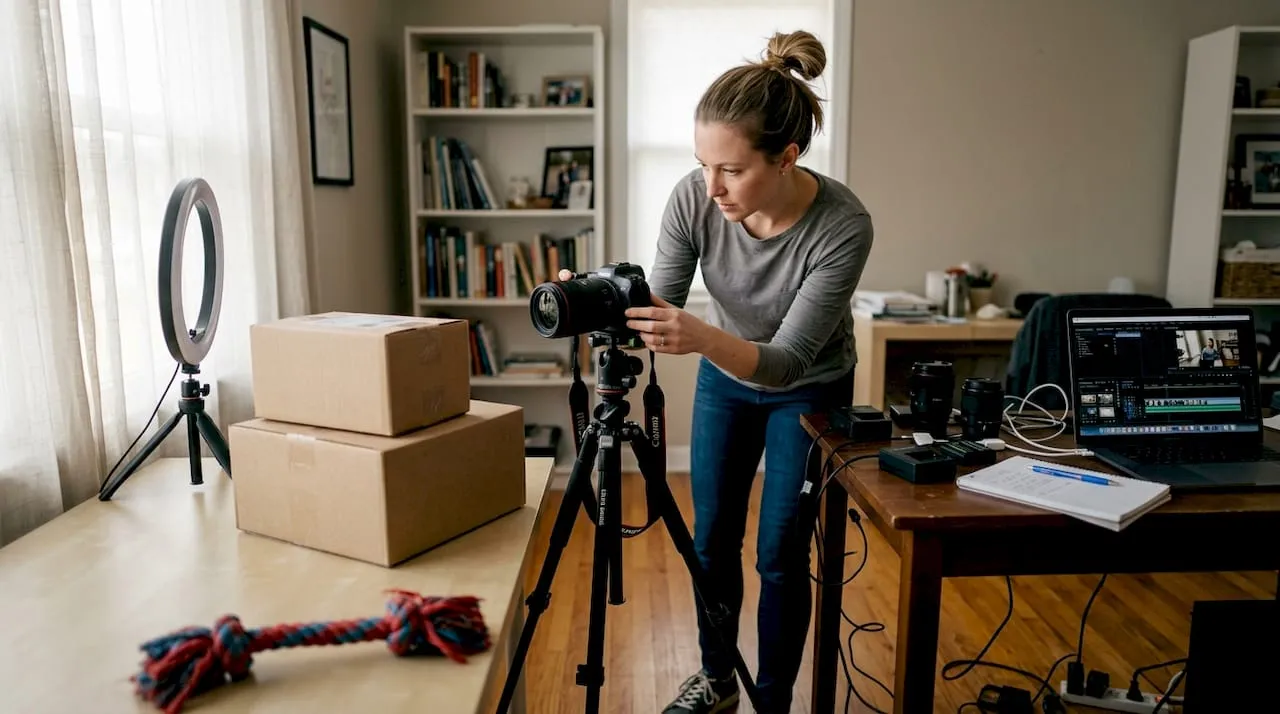
Product videos are not a nice-to-have for ecommerce brands anymore. They are one of the highest-leverage investments you can make in your listings. Most mid-sized and enterprise brands still treat video as a creative afterthought, yet product videos boost conversions by 60 to 80 percent compared to pages without them. That gap between brands that use video strategically and those that do not is widening fast. This article breaks down the data, the psychology, the formats, and the execution steps you need to turn video into a measurable revenue driver across Amazon, Shopify, and beyond.
Key Takeaways
| Point | Details |
|---|---|
| Video lifts conversions | Adding product videos can boost conversion rates by as much as 86 percent. |
| Reduces returns | Clear, informative videos set expectations and reduce return rates by up to forty percent. |
| UGC and short-form win | User-generated and short, authentic videos outperform polished studio content for trust and sales. |
| Track meaningful metrics | Measure view rates, completion, and attributed revenue—not just impressions. |
| Platform integration is key | Optimizing videos for Amazon, Shopify, and emerging platforms ensures maximum impact and ROI. |
Why video matters in ecommerce: The data-driven case
The numbers behind ecommerce video are hard to ignore. When you add a product video to a landing page, you are not just adding content. You are fundamentally changing how buyers evaluate and trust your product. Conversion rates lift by up to 86% on product and landing pages that feature video compared to those relying on static images alone. That is not a marginal improvement. That is a category-defining advantage.
Returns are one of the most expensive problems in ecommerce, and video directly addresses the root cause. Shoppers return products because reality does not match expectation. When you show your product in motion, in context, and at scale, you close that gap. Return rates drop 25 to 40% for brands that use video to set accurate expectations before purchase. That reduction alone can justify the entire cost of a video production program.

| Content type | Avg. conversion lift | Return rate impact | Trust signal |
|---|---|---|---|
| Static images only | Baseline | Baseline | Moderate |
| Images plus video | Up to 86% higher | 25-40% lower | High |
| Shoppable video | Up to 30% above video | Lowest | Very high |
Beyond the numbers, quality ecommerce visuals build the kind of brand credibility that drives repeat purchases. First-time buyers who feel confident in what they are ordering become loyal customers. Video accelerates that trust cycle faster than any other content format. Brands that invest in analyzing conversion data consistently find video at the top of their highest-performing content types.
“Video is not just a marketing asset. It is a customer service tool that answers questions before they are asked.”
The shoppable video ROI data from 2026 shows brands achieving up to 3x conversion improvements when they combine interactive video with streamlined checkout. The case for video is not theoretical. It is operational.

How video influences buyer behavior and trust
Online shoppers cannot touch, hold, or try your product. That sensory gap creates anxiety, and anxiety kills conversions. Video is the closest thing to an in-store experience that ecommerce can offer. It shows true-to-life color, demonstrates scale, and walks buyers through actual usage scenarios. Accurate product expectations set by video directly reduce the post-purchase disappointment that drives returns and negative reviews.
Here is how video reduces shopper anxiety at each stage of the decision process:
-
Awareness: Motion captures attention faster than static images in crowded feeds
-
Consideration: Demonstrations answer the “but does it actually work?” question
-
Decision: Social proof through real-user footage removes final hesitation
-
Post-purchase: Instructional video reduces confusion and support tickets
| Factor | High-quality images | Product video |
|---|---|---|
| Trust building | Moderate | High |
| Product education | Low | Very high |
| Return rate reduction | Minimal | 25-40% lower |
| Cart abandonment impact | Low | Significant |
To boost Amazon conversions, video is especially powerful in the A+ Content and brand story sections where buyers are actively comparing options. The creative services in ecommerce that move the needle most are those that combine visual storytelling with functional product education.
Pro Tip: Prioritize video production for high-consideration categories first. Clothing, electronics, fitness equipment, and home goods all involve significant buyer hesitation. A 30-second video showing fit, function, and real-world use can do more for your conversion rate than months of copy optimization.
The real-world video strategy results from brands that have made this shift confirm it. Video is not just a top-of-funnel awareness play. It is a full-funnel conversion tool.
What works best: Short-form, UGC, and shoppable video
Here is something that surprises most brand managers: polished, high-production video does not always win. UGC and lo-fi videos outperform high-production content for both conversions and trust in many categories. Authenticity signals credibility. A real customer showing how a product fits into their daily life often converts better than a studio shoot with perfect lighting.
That does not mean production quality is irrelevant. It means the format and authenticity of the content matter as much as the technical execution. Here are the best practices that consistently outperform in 2026:
-
Format: Vertical 9:16 for mobile-first platforms (TikTok, Instagram, Amazon mobile)
-
Length: 15 to 30 seconds for top-of-funnel; up to 90 seconds for consideration-stage content
-
Hook: Capture attention in the first 3 to 5 seconds or lose the viewer
-
Overlays: Add text captions for mute viewing, which accounts for the majority of mobile video consumption
-
CTA: Include a clear next step, whether that is a shoppable link or a swipe-up prompt
Shoppable and live videos achieve conversion rates up to 30% higher than standard video content. Live shopping events, in particular, create urgency and social proof simultaneously. That combination is extremely difficult to replicate with any other format.
Pro Tip: Creative fatigue is real. Rotate your video creatives every three to four weeks on paid channels. Even a slight variation in the hook or overlay text can reset performance and extend the life of your best-performing concepts.
For brands exploring shoppable video strategies on TikTok Shop and similar platforms, the key is volume and velocity. Test multiple hooks, multiple formats, and let the data tell you what resonates. Pair that with video optimization best practices on your product pages to create a consistent experience from ad to checkout. Brands that integrate AI-powered video content creation into their workflow are scaling this process faster than those relying on traditional production alone.
Implementing video: Platforms, production, and tech stack
Knowing what to create is only half the battle. Getting it live, optimized, and measurable across Amazon, Shopify, and social channels requires a clear deployment process. Shopify brands benefit from apps and AI tools like ReelPik and HeyGen, plus adding video schema markup for SEO value that static images simply cannot provide.
Here is a practical launch sequence for high-impact video content:
-
Audit your catalog and identify the top 20% of SKUs by revenue or return rate. Start video production there.
-
Define your format mix based on platform. Amazon needs horizontal or square for desktop; TikTok and Instagram demand vertical 9:16.
-
Source UGC by reaching out to existing customers with a simple incentive program. Even 10 authentic clips can seed a high-performing content library.
-
Add video schema to your Shopify product pages so search engines can index and surface your video content in results.
-
Deploy and tag every video with UTM parameters so you can attribute traffic and revenue accurately from day one.
-
Review performance at the two-week mark and rotate or iterate based on completion rate and conversion data.
| Platform | Video placement options | Shoppable feature | SEO value |
|---|---|---|---|
| Amazon | A+ Content, brand story, sponsored video | Limited | Moderate |
| Shopify | Product pages, homepage, collections | Yes, via apps | High with schema |
| TikTok Shop | Feed ads, live shopping, product pages | Yes, native | Low (platform-specific) |
Common pitfalls include uploading the same video across all platforms without reformatting, skipping captions, and failing to test multiple hooks. Each platform has its own algorithm and viewer behavior. Treat them as distinct channels, not a single distribution network. Use product page video optimization principles to ensure your Shopify listings are structured for both conversion and discoverability. Tracking data-driven video ROI from the start prevents the common mistake of measuring success by views alone.
Measuring video’s performance: Beyond views
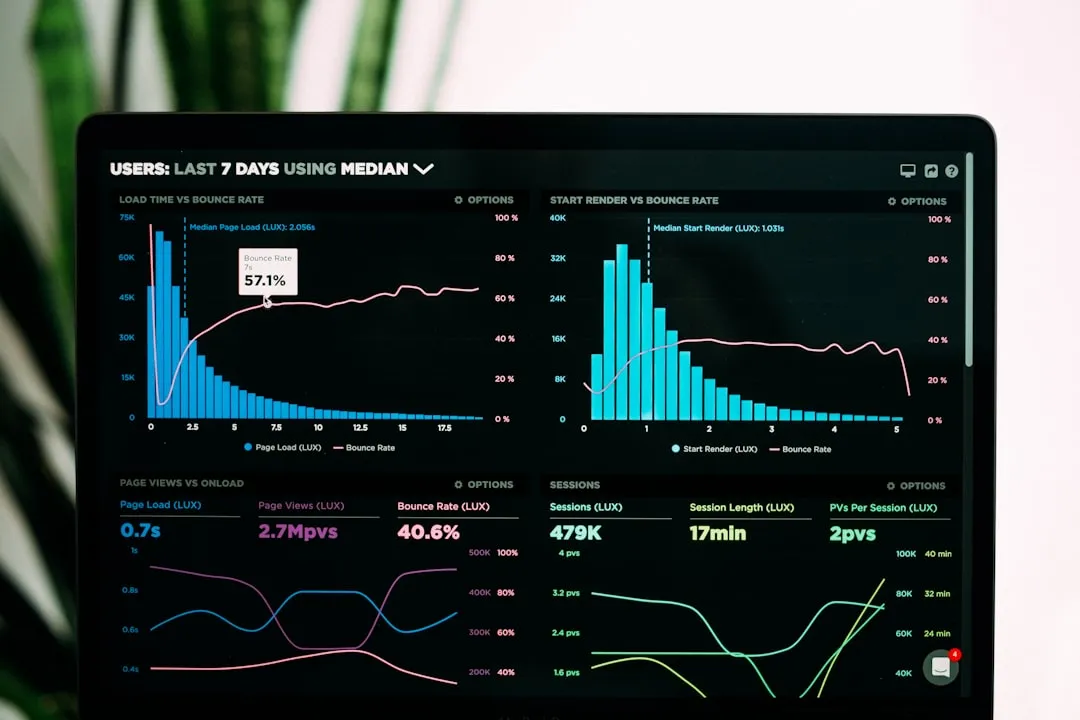
Views are vanity. Revenue is reality. Most ecommerce teams make the mistake of celebrating high view counts without connecting video performance to the metrics that actually matter for the business. The right measurement framework changes how you allocate budget and iterate on creative.
The metrics that matter most for ecommerce video are:
-
View rate: What percentage of people who saw your video actually watched it? Low view rate signals a weak hook or poor targeting.
-
Completion rate: Are viewers watching to the end? High completion rate indicates strong content relevance and engagement.
-
Conversion rate lift: Compare CVR on pages or campaigns with video versus those without. This is your clearest signal of direct revenue impact.
-
Revenue attribution: Use UTM tagging and platform analytics to tie specific videos to actual orders and revenue.
-
Return rate by SKU: Track whether return rates drop after adding video to a product listing. This is often the most overlooked ROI signal.
Track view rate, completion, and conversion lift together to get a complete picture of how your video content is performing across the funnel. One metric in isolation tells you very little.
“Measure for impact, not just impressions.”
Experiment with campaign objectives too. Website visits campaigns and video views campaigns often deliver very different results depending on your funnel stage and platform. Testing both gives you data to optimize spend allocation. Connect your video performance data to your broader video performance metrics dashboard so leadership can see the full business impact, not just creative engagement numbers.
Maximize your brand’s growth with expert ecommerce videography
Video strategy at scale requires more than a camera and a concept. It requires platform expertise, creative production, data infrastructure, and the ability to iterate fast based on real performance signals. That is exactly what Nectar delivers for mid-sized and enterprise brands across Amazon, Shopify, and Walmart.

Nectar’s in-house creative team produces UGC, shoppable video, and platform-optimized content that is built to convert, not just impress. Our Amazon optimization solutions and Shopify strategy support are backed by the iDerive analytics platform, which connects creative performance directly to revenue outcomes. If you are ready to stop guessing and start scaling with video that actually moves the needle, explore how our ecommerce video content production capabilities can transform your listings into high-converting storefronts.
Frequently asked questions
How much can product videos boost ecommerce sales?
Product videos can lift ecommerce conversion rates by 60 to 80 percent, and up to 86 percent on dedicated landing pages compared to pages without video.
What are shoppable videos and how effective are they?
Shoppable videos embed purchase links directly inside the video experience. They achieve conversion rates up to 30% higher than standard video content, making them one of the highest-performing formats in ecommerce.
How do videos reduce product returns in ecommerce?
By showing accurate size, color, and function before purchase, product videos reduce return rates by 25 to 40% by closing the gap between buyer expectation and product reality.
What are the best practices for ecommerce product videos in 2026?
The most effective videos use a vertical 9:16 format, run 15 to 30 seconds, hook viewers in the first 3 to 5 seconds, and include text overlays for mute viewing on mobile devices.
Recommended


































































.webp)