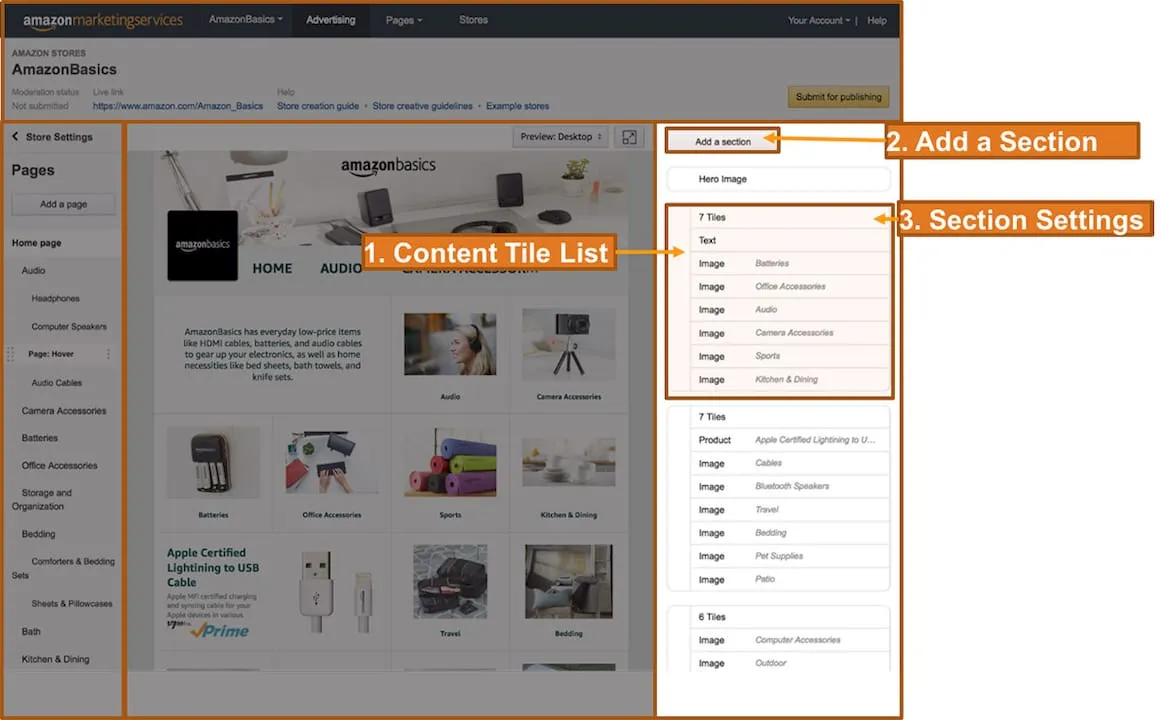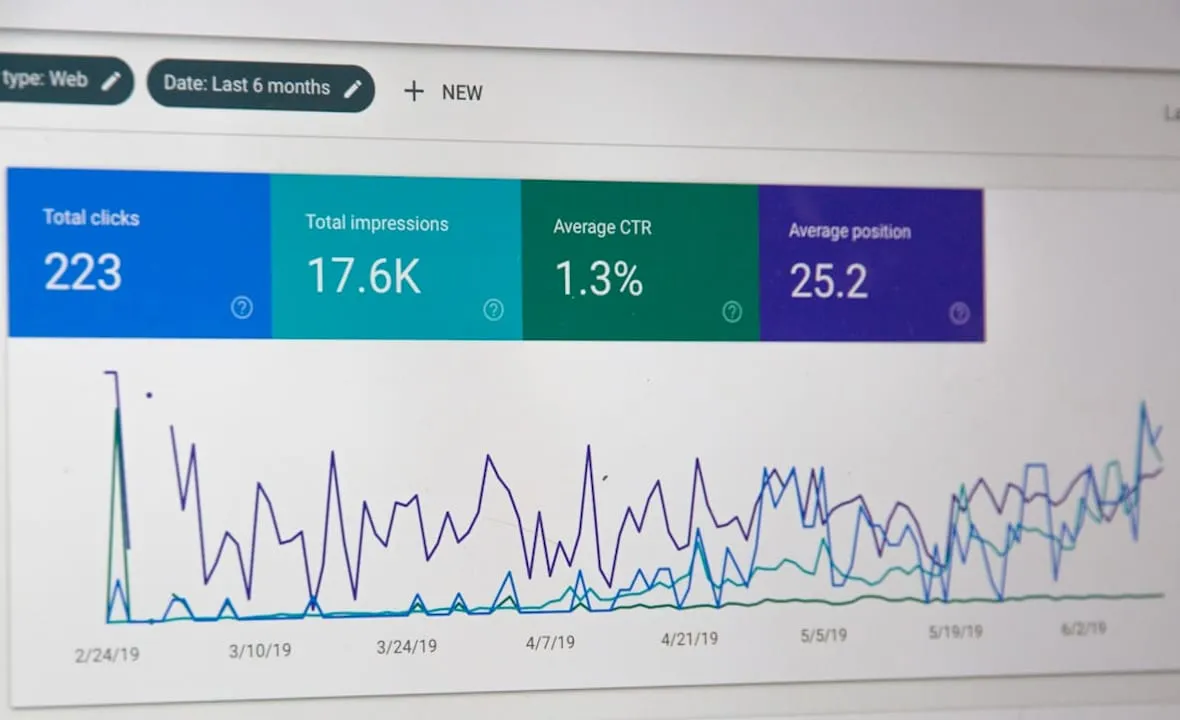
Product content syndication is the automated process of distributing product data from a single governed source to every retail channel simultaneously, with each endpoint receiving content formatted to its exact requirements. For brand managers selling on Amazon and Walmart, this is not a background IT function. It is the operational backbone of your digital shelf presence.
The role of content syndication goes well beyond pushing files to retailer portals. It determines whether your listings appear, convert, and stay compliant as retailer requirements shift. Salsify and Akeneo describe it as “data activation,” the process of formatting raw product data to meet diverse retail endpoint requirements.
Here is what effective syndication delivers:
-
A single source of truth, typically a Product Information Management (PIM) system, that feeds every channel from one governed record
-
Automated formatting that translates your master data into Amazon flat files, Walmart item setup sheets, or API-ready payloads without manual reformatting
-
Real-time or scheduled updates so a price change or spec correction propagates everywhere at once
-
Validation before publication, catching errors before a retailer rejects or suppresses your listing
-
Digital shelf optimization, keeping product detail pages (PDPs) accurate, complete, and discoverable across every touchpoint
How content syndication shapes product data accuracy and shopper trust
87% of shoppers abandon purchases because of inaccurate or incomplete product descriptions. That single figure explains why data accuracy is not a nice operational metric but a direct revenue driver.
Syndication reduces errors by removing the human copy-paste step between your master catalog and each retailer portal. When a product spec changes in your PIM, the update flows outward automatically. No channel gets a stale version while another shows the current one.
-
Consistent descriptions across Amazon, Walmart, and your own site reduce shopper confusion and return rates
-
Validated content, checked against retailer schemas before submission, prevents listing rejections that cost you days of visibility
-
Standardized images and attribute fields mean shoppers see the same product story whether they find you on Google Shopping or inside Walmart’s search results
-
Accurate, consistent data across social commerce, marketplaces, and e-commerce sites builds the trust that keeps buyers coming back in saturated markets
Automation advantages that cut costs and speed up launches
Manual content management across distribution channels creates unsustainable costs and error rates. Automated syndication significantly reduces internal content management costs by eliminating manual data entry and multiple uploads, and the operational math compounds fast as your catalog grows.
Before automated syndication, launching a product across channels averaged weeks of manual portal work. With a connected PIM and syndication layer, brands can push across many channels simultaneously in under 24 hours.
-
Templated exports auto-populate retailer spreadsheets from your mapped data model, cutting hours of manual formatting per SKU
-
Direct API connections, available from technically mature retailers like Amazon’s Selling Partner API, deliver content in real time and return validation feedback automatically
-
Scheduled feed URLs let channels pull updated data on their own cadence, so inventory and pricing stay current without anyone triggering a manual upload
-
Automating syndication transforms error-prone manual updates into clean workflows, freeing your team to focus on content strategy and creative work rather than data entry
Pro Tip: Set automated go-live and takedown dates for seasonal promotions inside your syndication platform. A midnight launch across all channels simultaneously requires zero manual intervention when the workflow is configured in advance.
Technical challenges and best practices for getting syndication right

Every retailer has its own schema, required fields, character limits, image specifications, and category structures. Syndigo specialists stress that carefully mapping each channel’s technical requirements is the single most important step to prevent listing errors and rejections.
The complexity compounds because retailer requirements change. A field that was optional on Walmart last quarter may become required today, and a listing that passed validation in January can get suppressed in March if you miss the update.
-
Centralize all product data in a PIM before syndicating. Brands that syndicate from spreadsheets or ERP exports end up with disorganized workflows and replicated errors at scale
-
Map channel requirements explicitly: Amazon’s browse nodes, Walmart’s item taxonomy, and Google’s product categories each demand different attribute structures
-
Run a pilot rollout with a limited SKU set first. Validating data mapping and presentation on 20–50 products catches catalog-wide mistakes before they affect thousands of listings
-
Monitor Walmart’s Content Quality Score and Amazon’s listing health metrics continuously. Minor errors missed in syndication can trigger automated suppression
-
Build a governance workflow: assign ownership of each channel feed, set a refresh cadence, and route retailer error feedback to whoever can resolve it quickly
For a practical audit of where your current listings stand before you build out syndication, Nectar’s listing audit guide covers the exact checks that matter on Amazon and Walmart.
Why syndication is central to omnichannel scaling and brand growth
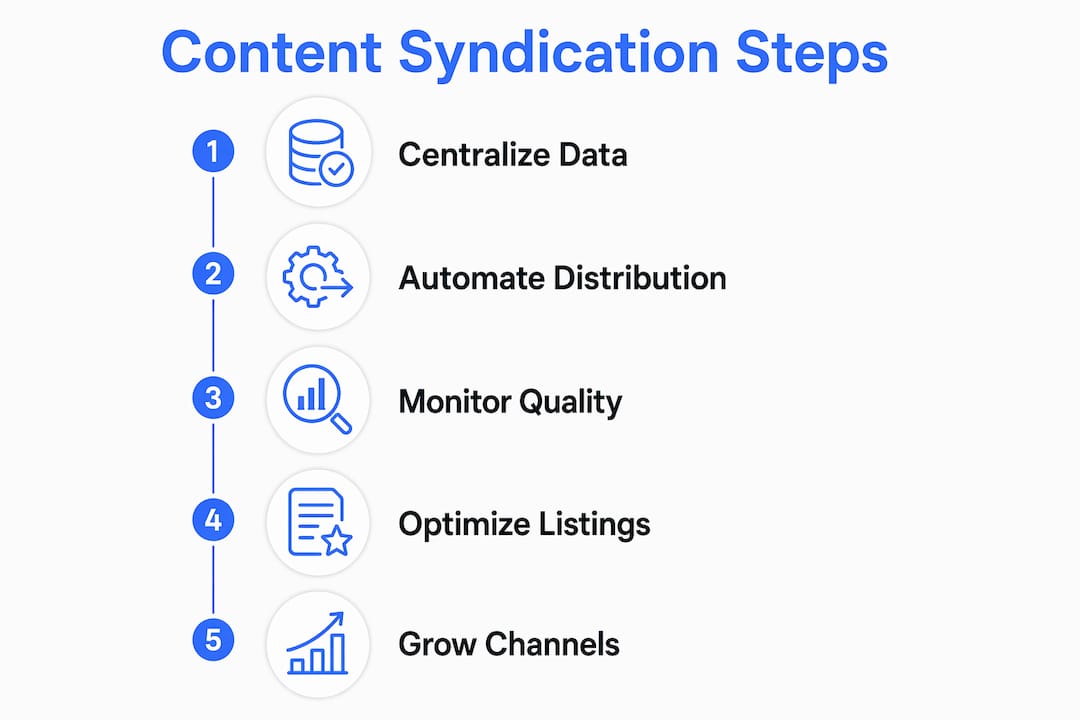
InRiver positions syndication as indispensable for omnichannel scaling, specifically because maintaining a consistent customer experience across touchpoints requires a single source of truth that feeds every channel from one governed record. Without that, brand consistency degrades as channels drift apart.
The strategic payoff extends beyond consistency. Many B2B e-commerce professionals regard product content syndication as their strongest tactic for lead generation and brand visibility. Reaching buyers wherever they research and compare, with accurate and complete information, is what drives discoverability and conversion at scale.
Nectar’s proprietary iDerive analytics platform connects directly to this loop. When syndication pushes content to Amazon and Walmart, iDerive tracks how those listings perform at the PDP level, surfacing which attributes drive conversion and where content gaps are costing you rank. That feedback informs the next round of content enrichment before re-syndication, closing the optimization cycle rather than leaving it open-ended.
Syndication also makes entering new marketplaces faster. Once your PIM holds clean, enriched data, adding a new channel is a mapping exercise, not a content rebuild. For brands looking to expand their Walmart presence specifically, the Walmart marketplace best practices guide covers the channel-specific requirements that matter most.
What successful content syndication looks like in practice
The clearest way to understand how syndication works in production is to look at the mechanics across real scenarios.
Manufacturer expanding from direct-to-consumer to retail partners. A brand selling on its own Shopify store decides to add Amazon and Walmart. Without syndication, the team manually reformats product data for each portal, a process that takes weeks and introduces inconsistencies. With a PIM-connected syndication layer, the same enriched content flows to both retailers in their required formats simultaneously. The brand goes live on both channels in days, not weeks, and every listing reflects the same specs, images, and pricing from day one.
Seasonal pricing update across a large catalog. A brand running a promotional price drop across a large selection of SKUs needs every channel updated at the same moment. Manual updates across Amazon Seller Central, Walmart Seller Center, and a Shopify storefront would take a team hours and guarantee at least some channels lag behind. Automated syndication pushes the price change from the PIM to all connected endpoints at once, with no channel showing the old price while another shows the new one.
Compliance correction after a retailer schema update. Walmart updates its item taxonomy and adds a required attribute to a product category. Brands without automated syndication discover the gap only when listings get suppressed. A brand with a connected syndication solution receives the schema update automatically, flags the affected SKUs, and re-syndicates corrected content before suppression occurs. Monitoring tools like technical SEO audits can surface these gaps at the channel level before they compound.
The pattern across all three scenarios is the same: a governed central source, automated distribution, and continuous monitoring replace reactive firefighting with a predictable, repeatable process.
Key Takeaways
Content syndication is the operational foundation that keeps product data accurate, consistent, and channel-compliant across every retail touchpoint at scale.
Point: Centralize before syndicating Details: A PIM system as your single source of truth prevents errors from replicating across every channel feed.
Point: Automation cuts launch time Details: Automated syndication compresses multi-channel product launches from weeks to a much shorter timeframe for leading brands.
Point: Map retailer requirements explicitly Details: Amazon, Walmart, and Google each require different schemas; precise mapping prevents listing rejections and suppression.
Point: Monitor continuously Details: Walmart’s Content Quality Score and Amazon’s listing health metrics must be tracked ongoing, not just at launch.
Point: Syndication drives brand growth Details: Many B2B e-commerce professionals cite content syndication as their strongest tactic for lead generation and brand visibility.
Nectar manages the full syndication and advertising cycle for brands on Amazon, Walmart, and Shopify, backed by iDerive analytics that connect content performance to revenue outcomes. If your listings are underperforming or your team is still managing channel updates manually, Nectar’s e-commerce services are built to fix both.
Recommended











.png)