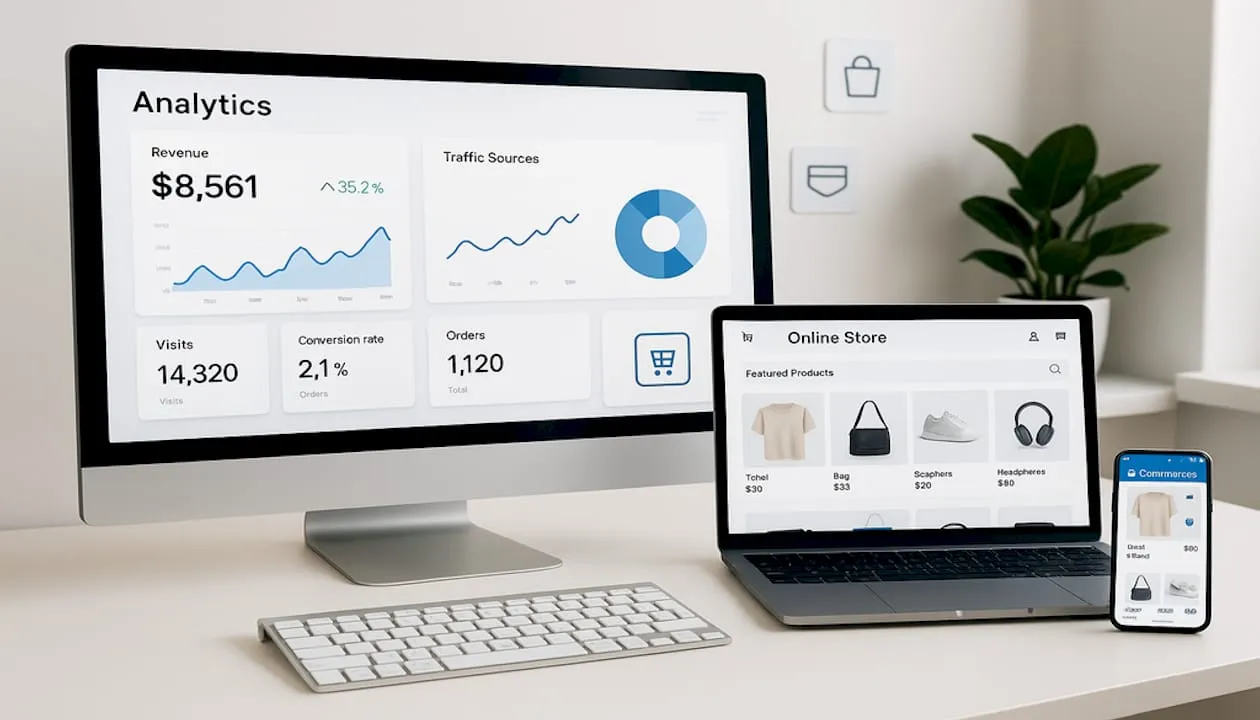
Multichannel retail is the practice of selling products through multiple independent channels, such as physical stores, ecommerce websites, mobile apps, social media platforms, and third-party marketplaces, with each channel operating separately under its own management, inventory, and data systems. The key word is independent: a brand running a flagship store, a Shopify site, and an Amazon listing is doing multichannel retail even if those three channels never share a single customer record. Major US retailers including Target, Under Armour, Nordstrom, Lululemon, and Pandora all sell across multiple channels in exactly this way. The model maximizes reach by putting products wherever customers already shop, but it trades integration for breadth.
The core elements that define multichannel retail:
-
Multiple distinct sales channels operating at the same time
-
Each channel managed separately, often with its own staff, tools, and processes
-
Inventory and customer data that do not automatically sync across channels
-
Customers who choose their preferred channel without a guaranteed consistent experience across all of them
-
Brand presence across both physical and digital environments
What are the key benefits of a multichannel retail strategy?
The most direct benefit is reach. Selling across several channels puts your products in front of customer segments you would never capture through a single storefront. A shopper who discovers a brand on Instagram may never visit a physical store; a loyal in-store customer may never open a mobile app. Multichannel retail expands market reach by meeting each of those people where they already are.
Revenue follows reach. When customers can buy through their preferred channel rather than adapt to yours, conversion rates tend to rise. A brand that sells only through its own website loses every sale from a customer who prefers the convenience of a marketplace or the tactile experience of a store.
Additional benefits worth understanding:
-
Brand exposure: Presence across multiple environments reinforces name recognition and keeps the brand visible throughout a customer’s decision process.
-
Purchase data by channel: Each channel generates its own behavioral data, giving you a clearer picture of which audiences respond to which formats and price points.
-
Risk distribution: Dependence on a single channel creates fragility. A platform algorithm change or a supply disruption hits harder when you have no alternative revenue stream.
-
Faster testing: Launching a product on a new channel is lower risk than building an entirely new business model. You can test demand on a marketplace before investing in a dedicated storefront.
Pro Tip: Before adding a new channel, map your current best customers and identify where they already spend time online and offline. Adding a channel they do not use adds cost without adding revenue.
What operational challenges come with multichannel retailing?
The biggest operational problem in multichannel retail is inventory synchronization. When channels run independently, stock levels update separately. A product that sells out in-store may still appear available on your website, leading to oversells, canceled orders, and damaged customer trust. Without a centralized inventory system pushing real-time updates to every channel, this problem compounds as volume grows.

Data fragmentation is the second major challenge. Customer purchase history, preferences, and behavior sit in separate systems for each channel. You end up with a partial picture of who your customers actually are, which makes personalized marketing nearly impossible and attribution analysis unreliable.
Other challenges retail professionals consistently run into:
-
Siloed operations: Separate teams, tools, and workflows for each channel create redundancy and slow decision-making. A pricing change that takes one hour on your website may take a week to propagate across all channels.
-
Inconsistent brand experience: When channels are managed independently, tone, visual identity, and customer service standards can drift. A customer who gets excellent service in-store and a frustrating return experience online forms a single impression of your brand, not two separate ones.
-
Channel-specific logistics: Returns, shipping windows, and customer service expectations differ by channel. Marketplace customers expect faster resolution than direct-to-consumer customers, and managing those differences at scale requires dedicated resources.
-
Cost creep: Each additional channel adds fixed costs in technology, staffing, and fulfillment. Margins that look healthy on one channel can erode quickly when overhead is allocated across all of them.
Retailers should avoid the “silo trap” by building data integration into their multichannel strategy from the start. Retrofitting systems after the fact is both expensive and disruptive.
Which sales channels do US brands actually use?
Understanding how each channel type functions within a multichannel model helps you decide which ones fit your business. The channels below represent the most common combinations among US retailers today.
Physical retail stores
Brick-and-mortar locations remain a primary channel for brands with strong in-person experiences. Target operates thousands of US locations and uses its stores as both a sales channel and a fulfillment hub for online orders. Nordstrom built its reputation on in-store service and continues to use physical locations as a differentiator, particularly for high-consideration purchases where customers want to see and touch products before buying.
Brand-owned ecommerce websites
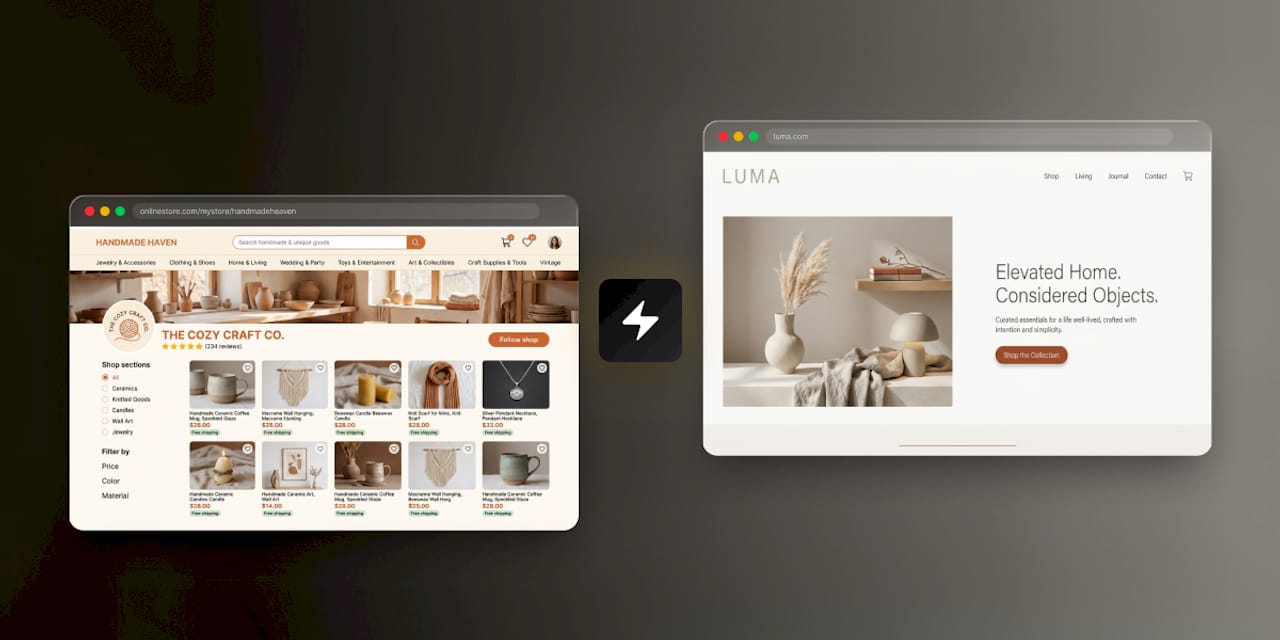
A direct-to-consumer website gives brands full control over the customer experience, pricing, and data. Under Armour and Lululemon both run ecommerce storefronts that sit alongside their physical stores, capturing online demand without ceding margin to a marketplace. The tradeoff is that you own the traffic problem: no one discovers you on your own site the way they might on Amazon.
Mobile shopping apps
Apps serve customers who prefer to browse and buy on their phones. They also enable push notifications, loyalty program integration, and faster checkout, features that a mobile browser cannot replicate as effectively. Lululemon’s app, for example, combines product browsing with class scheduling, creating a reason to open it beyond a purchase.
Social media platforms
Social commerce has grown from a referral channel into a direct sales channel. Brands now sell through Instagram Shopping, TikTok Shop, and Pinterest, with transactions completed without leaving the platform. Pandora uses social media both to drive traffic to its website and to sell directly through platform-native shopping features.

Third-party marketplaces
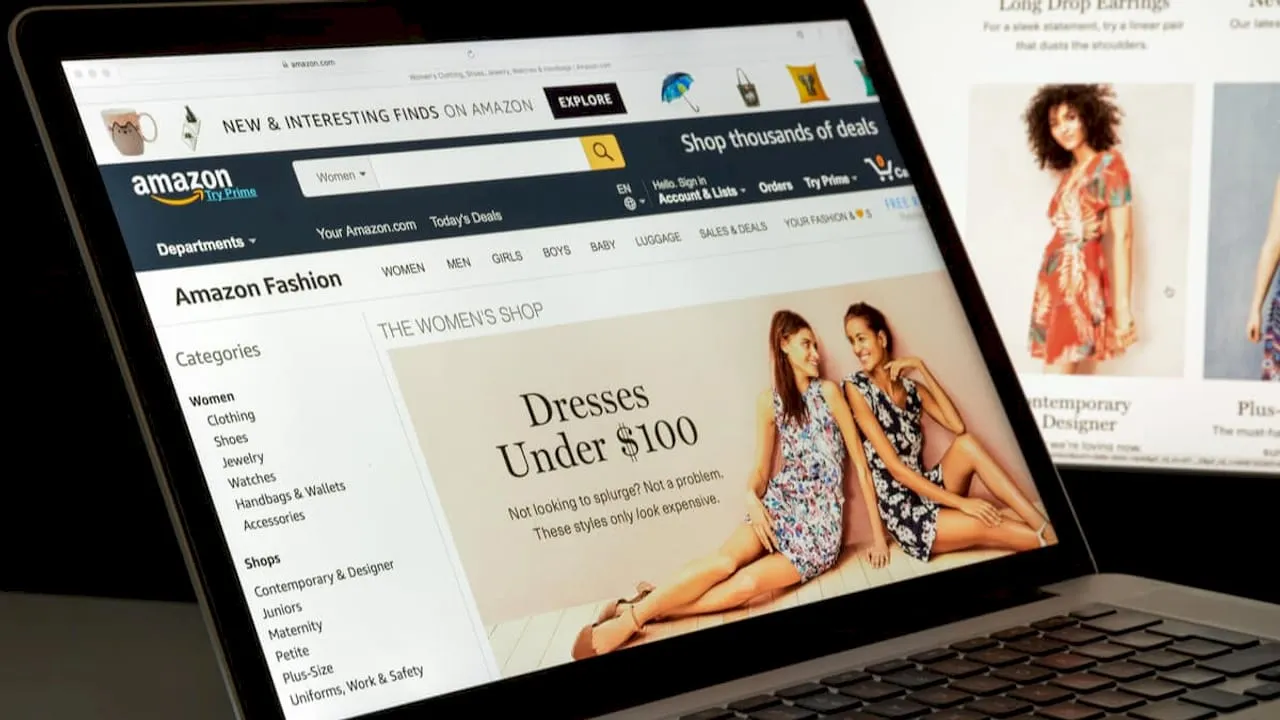
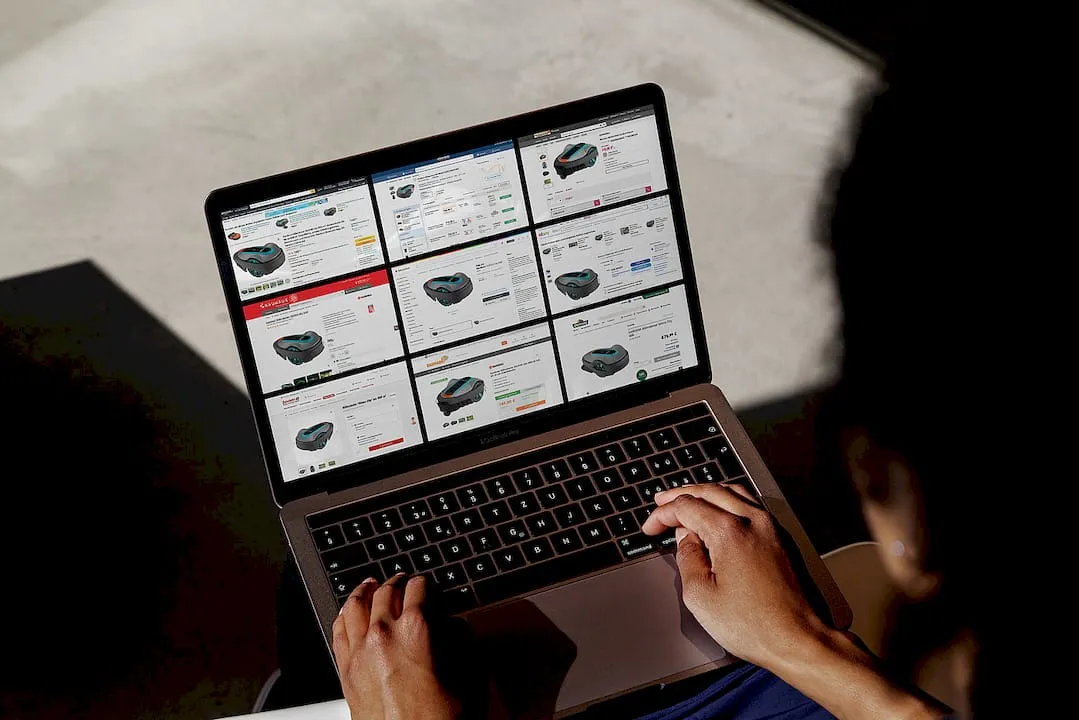
Amazon dominates US marketplace traffic, and most multichannel retailers treat it as a mandatory channel rather than an optional one. Marketplace listings reach customers who start their product search on the platform rather than through a search engine, a behavior that has grown steadily. The cost is reduced margin and limited customer data, since the marketplace owns the transaction relationship.
Pro Tip: Not every channel deserves equal investment. Rank your channels by contribution margin, not just revenue, and allocate resources accordingly. A high-revenue channel with thin margins may be less valuable than a smaller channel where you control pricing and own the customer relationship.
Multichannel vs. omnichannel retail: what actually separates them?
The fundamental difference between multichannel and omnichannel retail is integration. Multichannel retail is product-centric: the goal is to make products available in as many places as possible, and each channel is optimized independently. Omnichannel retail is customer-centric: the goal is a consistent, connected experience regardless of which channel the customer uses, which requires shared data, unified inventory, and coordinated messaging across every touchpoint.
A practical example makes this concrete. A multichannel retailer lets you buy online and return in-store, but the store associate has no record of your online purchase and cannot look up your order history. An omnichannel retailer gives that associate full visibility into your account, your purchase history, and your loyalty status the moment you walk in. The omnichannel model requires significantly more investment in integration technology, but it produces a materially better customer experience.
Multichannel retail is often the starting point. Most brands begin by adding channels independently, then gradually invest in the integration layer as they scale. The risk is waiting too long: the longer channels operate in silos, the more expensive and disruptive it becomes to connect them. Early investment in a unified inventory system and a centralized customer data platform pays off faster than most operators expect.
For brands looking to evolve toward omnichannel, the practical path usually starts with inventory synchronization, then moves to customer data unification, then to coordinated marketing across channels. Trying to do all three at once is where most mid-market brands stall.
Pro Tip: Pilot each new channel before committing full resources. Run a 60-to-90-day test, measure contribution margin including returns and channel-specific customer service costs, and only scale what proves out. Operational complexity grows faster than revenue when channels are added without validation.
US brands that have navigated this transition successfully share one common pattern: they treated multichannel expansion as a phased investment rather than a one-time build. Target, for instance, spent years integrating its store and digital inventory before it could offer same-day delivery from store locations. That infrastructure did not appear overnight, and the brands that try to shortcut it typically end up with the worst of both models: the cost of multiple channels without the data to manage them well.
The customers who shop across both online and offline channels tend to be among the most valuable in any retail portfolio. Capturing their full behavior requires eventual data consolidation, and the brands that invest in that consolidation earlier gain a compounding advantage in personalization and retention. Multichannel retail gives you access to those customers. What you do with that access depends entirely on how well your systems talk to each other.
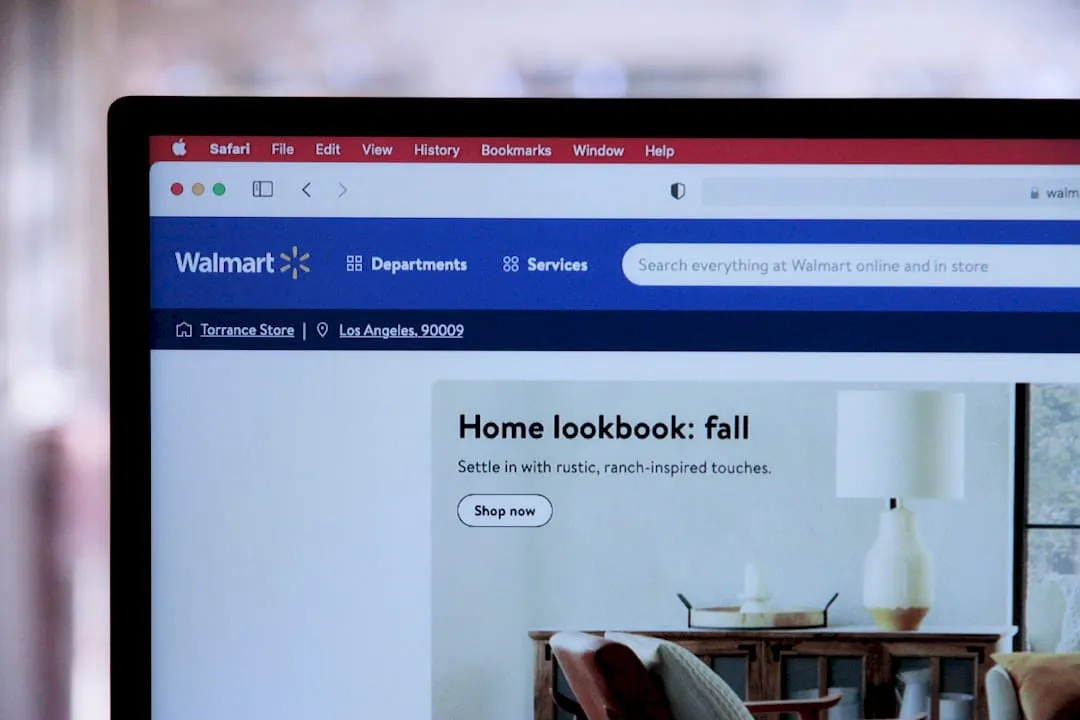
For brands managing growth across Amazon, Walmart, and Shopify, Nectar’s multichannel selling guidance covers the specific operational and advertising decisions that determine whether adding a channel adds margin or just complexity.
Key Takeaways
Multichannel retail builds reach by selling across independent channels, but the brands that profit most are the ones that plan for integration from day one.
Point: Definition of multichannel retail Multichannel retail means selling through multiple independent channels, each with separate management, inventory, and data systems.
Point: Primary benefit Expanded reach and revenue come from meeting customers on their preferred platforms, whether in-store, online, or on a marketplace.
Point: Biggest operational risk Inventory synchronization failures across siloed channels lead to overselling and damaged customer trust without a centralized system.
Point: Multichannel vs. omnichannel Multichannel is product-centric and siloed; omnichannel is customer-centric and integrated, requiring shared data and unified inventory.
Point: Best practice for expansion Pilot each new channel for 60–90 days and measure contribution margin before committing full resources to avoid margin erosion.
Nectar helps mid-sized and enterprise brands grow profitably across Amazon, Walmart, and Shopify by combining data-driven advertising with full-funnel channel management. If you’re building or refining a multichannel retail strategy, explore Nectar’s brand growth services to see how the right channel mix and creative execution translate into measurable ROI.
Recommended










.png)