A Shopify store checklist is a structured list of setup, optimization, and launch tasks that every e-commerce entrepreneur must complete before going live and accepting real orders. Skipping steps costs money. Hidden fees like shipping and taxes cause 48% of cart abandonments, and that number climbs when the store itself is not ready for traffic. This checklist covers everything from domain registration to AI discoverability, organized by priority so you build a store that converts from day one, not month six.

1. What does a complete Shopify store checklist include?
A Shopify store checklist covers four core areas: technical setup, conversion optimization, launch timing, and ongoing maintenance. Most guides stop at setup. The stores that grow past their first year treat optimization and post-launch audits as non-negotiable parts of the same list. Each section below addresses one of these areas in depth, with specific tasks, real numbers, and the pitfalls that trip up new owners most often.
2. Register a custom domain and configure your store identity
Your domain is your brand’s permanent address. A custom domain builds trust immediately. Shopify’s default .myshopify.com URL signals “not yet a real business” to first-time visitors, and that perception costs you sales before anyone reads a product description.
Register your domain through Shopify’s built-in domain manager or a third-party registrar like Google Domains or Namecheap, then connect it inside Shopify’s settings. Set your store name, business email, currency, and time zone at the same time. These details appear on receipts, shipping confirmations, and customer emails, so getting them right before launch prevents confusing communications later.
Pro Tip: Choose a domain that is short, easy to spell, and free of hyphens. Customers who hear your name verbally should be able to type it without guessing.
3. Choose a theme based on function, not just appearance
Your theme controls page load speed, mobile layout, and checkout flow. A visually impressive theme that loads slowly will hurt conversions more than a plain theme that loads fast. Shopify’s free themes like Dawn are built for speed and are a legitimate starting point for most new stores.
Evaluate themes by the features they include natively: product filtering, sticky navigation, quick-buy buttons, and built-in review sections. Every feature you add through an app instead of the theme adds load time. Pick a theme that covers your core needs out of the box, then customize colors and fonts to match your brand.
4. Build the pages every Shopify store requires
Shopify stores need more than a homepage and product pages. Customers check About, Contact, Shipping Policy, and Returns Policy pages before buying, especially from brands they have never heard of. Missing any of these pages signals that the store is incomplete or untrustworthy.
Write each page with specific details. Your shipping policy should list carrier names, delivery windows, and costs. Your returns policy should state the exact window, condition requirements, and refund method. Vague policies create customer service problems and chargebacks. A detailed Contact page with a response time commitment reduces pre-purchase anxiety and increases conversion.
5. Configure payment gateways and enable SSL
Shopify Payments is the native payment processor and the simplest starting point. It eliminates third-party transaction fees and integrates directly with Shopify’s checkout. Add PayPal as a secondary option because a meaningful portion of shoppers will not enter card details on an unfamiliar site but will pay through PayPal without hesitation.
SSL is enabled automatically on all Shopify stores. Verify it is active by checking that your domain shows “https” and the padlock icon in the browser. Customers notice when SSL is missing, and browsers now warn users explicitly when a site is not secure. This is a non-negotiable item on any Shopify store setup list.
6. Sync inventory across all sales channels
Inventory sync across platforms prevents overselling, protects your reputation, and is a native Shopify feature. Overselling one unit on two channels simultaneously creates cancellations, negative reviews, and customer service headaches that are entirely avoidable. Shopify’s inventory management handles this natively when you connect your sales channels correctly.
Connect every channel you plan to sell on before launch: your Shopify storefront, any social commerce integrations, and any marketplace connections. Set inventory tracking to “on” for every product variant. Run a test order on each channel to confirm stock levels update correctly across the board.
7. Which optimization steps have the biggest impact on conversions?
Conversion optimization is where most new store owners underinvest. The technical setup gets done because it is required. The optimization work gets skipped because it feels optional. It is not.
Test checkout end-to-end with real transactions
Fixing the checkout process with real payment testing provides the highest ROI of any pre-launch task. Run an actual transaction using a real card, then refund it. This reveals payment errors, confirmation email failures, and order notification gaps that test mode misses entirely.
Each additional page in checkout can decrease conversion rates by 10–15%. Shopify’s one-page checkout reduces friction significantly. Enable it, test it, and confirm the post-purchase confirmation page displays correctly.
Write product descriptions that answer real questions
Generic product descriptions copied from a supplier do not rank in search and do not convert browsers into buyers. Write at least 150 words per product, focused on the specific problem the product solves for your customer. Address material, sizing, use case, and care instructions directly. Unique descriptions also protect you from duplicate content penalties in Google Search.
Install Google Analytics GA4 and Meta Pixel from day one
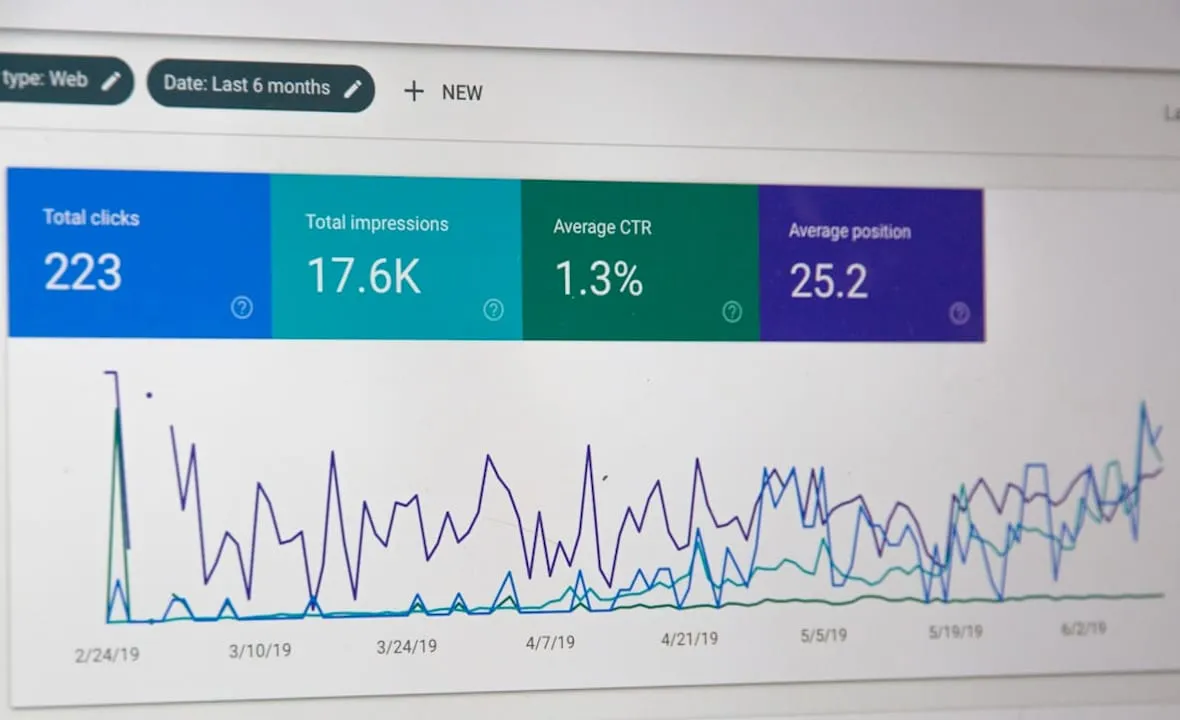
Analytics tools must be in place before your first visitor arrives. GA4 tracks user behavior, traffic sources, and conversion paths. Meta Pixel enables retargeting and measures the effectiveness of any future Facebook or Instagram ads. Setting these up after launch means losing data you can never recover.
Pro Tip: Verify both GA4 and Meta Pixel are firing correctly using their respective browser extensions before you launch. A misconfigured pixel wastes every dollar you spend on paid ads.
Keep your app count low
New store owners often install too many apps early, which slows page load times and creates feature overlap. Start with the minimum: one review app, one email marketing integration, and your analytics tools. Add apps only after you have data showing a specific gap that cannot be filled natively. Every app you install runs code on your storefront, and that code adds load time.
8. How to plan your launch timing and marketing budget
Shopify store setup takes 2–8 weeks depending on theme complexity and catalog size. A five-product store with a free theme can launch in two weeks. A 200-SKU store with a custom theme needs closer to eight. Build your timeline around your actual catalog, not an optimistic estimate.
Resist launching paid advertising before your store is fully optimized. Launching paid ads before completing store optimization wastes traffic and produces low conversions. Your ad spend funds traffic to a store that cannot close the sale. Fix the store first, then buy traffic.
When you are ready to test paid channels, budget properly. Testing a product with $100–200 gives you enough data to make an informed decision about scaling or pivoting. Spending $20 on a test tells you almost nothing statistically useful.
Set realistic financial expectations. Shopify businesses typically need an 18–24 month runway to reach financial maturity. Owners who expect profitability in month two make panicked decisions that hurt long-term growth. Plan your cash flow accordingly and treat early months as a data-gathering phase, not a profit phase.
For a deeper look at realistic growth timelines, the path from launch to scale requires patience and a clear measurement framework from the start.
9. What 2026 priorities belong on every Shopify checklist?
The Shopify best practices that mattered in 2023 are table stakes now. The stores gaining ground in 2026 are doing things most checklists still do not mention.
“The stores winning in AI-powered search are the ones that give AI tools clear, structured information about their brand and products. An llms.txt file and schema markup are not optional extras in 2026. They are the new baseline for discoverability.”
For a full breakdown of conversion-focused improvements that complement these 2026 priorities, the gap between a good store and a great one comes down to specificity and speed.
10. Build a Shopify store maintenance checklist for after launch
A launch is not the finish line. Stores that grow consistently treat maintenance as a monthly discipline. Review your app list every 30 days and remove anything that is not producing measurable results. Check your page load speed using Google PageSpeed Insights after any new app installation. Review your checkout flow quarterly because Shopify updates its checkout frequently and your customizations may need adjustment.
Monitor your analytics weekly in the first three months. Look for pages with high exit rates, products with high add-to-cart but low purchase rates, and traffic sources that send visitors who do not convert. Each of these signals a specific problem with a specific fix. For a structured approach to ongoing improvements, a retail setup guide that covers post-launch operations can complement your Shopify-specific work.
Collect customer feedback actively. Send a post-purchase survey after the first 50 orders. Ask one question: “What almost stopped you from buying?” The answers will tell you more about your store’s weaknesses than any analytics tool.
Key Takeaways
A complete Shopify store checklist covers technical setup, conversion optimization, realistic launch timing, and ongoing maintenance, with checkout reliability as the single highest-ROI task before going live.
Setup foundations
Register a custom domain, configure SSL, and build all required store pages before accepting any traffic.
Checkout is the priority
Each extra checkout page drops conversions by 10–15%. Test with a real transaction before launch, not just in test mode.
Budget for real testing
Allocate $100–200 per product to gather meaningful data before scaling paid advertising.
Plan for an 18–24 month runway
Financial maturity takes time. Treat early months as a data phase, not a profit phase.
Add 2026 signals now
An llms.txt file, schema markup, and 150-word product descriptions are the new baseline for search and AI discoverability.
What I’ve learned from Shopify launches that most checklists miss
The single most common mistake I see is treating checkout as an afterthought. Store owners spend weeks on their homepage design and product photography, then go live with a checkout they have never actually completed as a customer. A broken confirmation email or a payment error that only appears on mobile will cost you more in lost sales than any design decision you agonized over.
The second trap is app overload. I have audited stores running 30-plus apps, each one installed to solve a problem that appeared urgent at the time. The result is a store that loads in five seconds on a good connection and eight on mobile. Every app you add is a bet that its benefit outweighs its cost to speed. Most of the time, that bet loses.
The mindset shift that separates stores that grow from stores that stall is simple: treat your first six months as a research project, not a revenue project. You are learning what your customers actually want, what messaging converts, and which channels send buyers versus browsers. The stores that win at month 18 are the ones that collected clean data at month two.
Nectar’s approach to Shopify store growth
Building a Shopify store that converts requires more than checking boxes. It requires the right creative assets, the right data, and the right advertising strategy working together from the start.
Nectar’s team manages the full picture for mid-sized and growing brands: store setup, product photography, conversion-focused design, and data-driven advertising through the proprietary iDerive analytics platform. If you want a store built to perform from launch, not rebuilt after a slow start, Nectar’s Shopify growth services give you an experienced team with a proven process. See the full range of brand growth services and find out where Nectar fits your current stage.
FAQ
How long does Shopify store setup take?
Setup takes 2–8 weeks depending on theme complexity and catalog size. A small catalog with a free theme can launch in two weeks; a large custom store needs closer to eight.
What is the most important item on a Shopify launch checklist?
Testing checkout with a real transaction is the highest-priority task. A broken checkout loses every customer who reaches it, regardless of how good the rest of the store looks.
How much should I budget to test a Shopify product?
Budget $100–200 per product to gather enough data for a meaningful decision. Spending $20 on a test produces results that are too limited to act on confidently.
What are the biggest mistakes new Shopify store owners make?
The two most common mistakes are launching paid ads before the store is fully optimized and installing too many apps too early. Both waste money and slow growth.
What does a Shopify store maintenance checklist include?
Monthly app audits, quarterly checkout reviews, weekly analytics checks, and regular page speed tests using Google PageSpeed Insights form the core of an ongoing maintenance routine.
Recommended
.png)