Why Track Product Ranking: The E-Commerce Growth Guide
.webp)

Product ranking is the position your product occupies in search results and marketplace algorithms, and it is the single most direct determinant of whether a shopper finds you or your competitor first. For brand managers running storefronts on Amazon, Walmart, or Shopify, understanding why track product ranking matters is not optional. It is the foundation of every visibility, conversion, and revenue decision you make. Tools like Google Search Console, Amazon’s A9 algorithm, and shelf analytics platforms have made rank monitoring more precise than ever, yet most brands still treat it as an afterthought rather than a core business signal.
Why tracking product ranking drives real business outcomes
Rank tracking is not a vanity exercise. Rank tracking connects SEO and visibility changes directly to business outcomes by linking traffic growth to specific optimization efforts. That connection is the difference between reacting to a revenue drop weeks after it happens and catching the problem before it costs you.

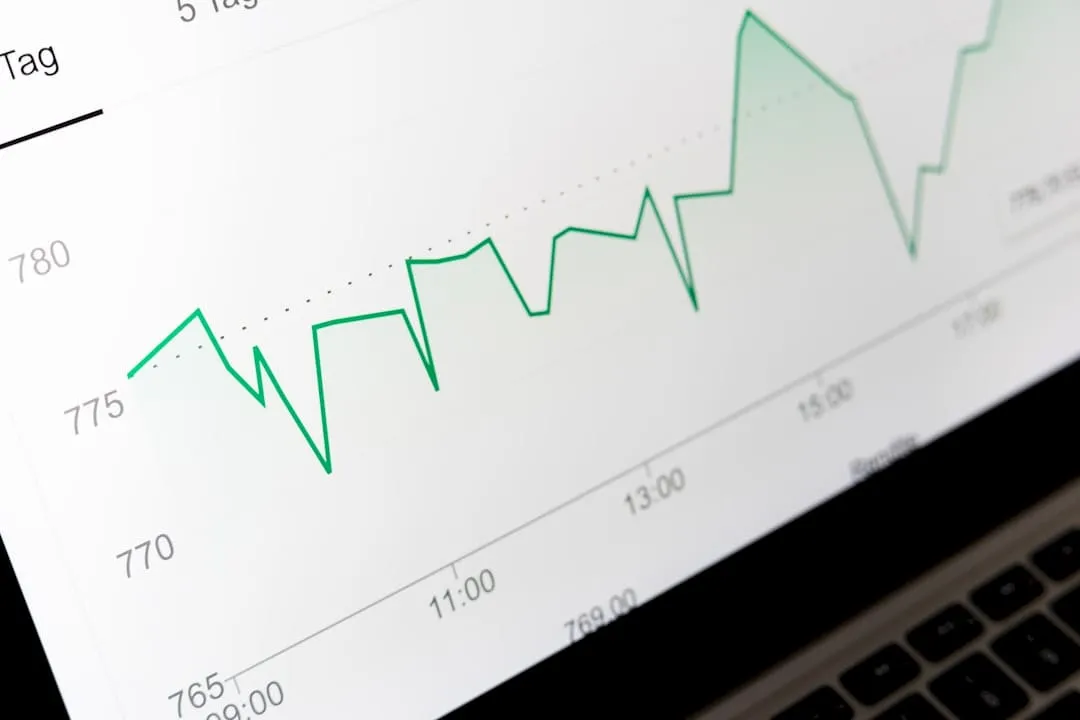
The most underappreciated benefit is the early warning function. Traffic shifts lag behind ranking changes by days or weeks, making rank tracking an early warning system that no analytics dashboard can replicate on its own. By the time Google Analytics shows a dip in sessions, your ranking may have already slipped from position 3 to position 11. That gap costs clicks, conversions, and margin.
The economic stakes go deeper than traffic. Product ranking determines how demand is allocated among SKUs and underpins revenue distribution, inventory movement, and margin impact. A product that drops in rank does not just lose impressions. It pulls demand toward lower-margin alternatives, distorts your inventory forecasts, and raises your cost per acquisition. Connecting rank data to inventory management decisions is one of the highest-leverage moves a brand manager can make.
Here is what consistent rank monitoring gives you in practice:
Pro Tip: Set a weekly rank review cadence tied to your top 20 revenue-driving keywords. Pair each rank movement with its corresponding conversion data from your analytics platform so you are always reading rank in context, not in isolation.
What product ranking metrics actually tell you

Not all ranking metrics carry equal weight, and misreading them is one of the most common mistakes brand managers make. Understanding the difference between average position and true visibility is the starting point.
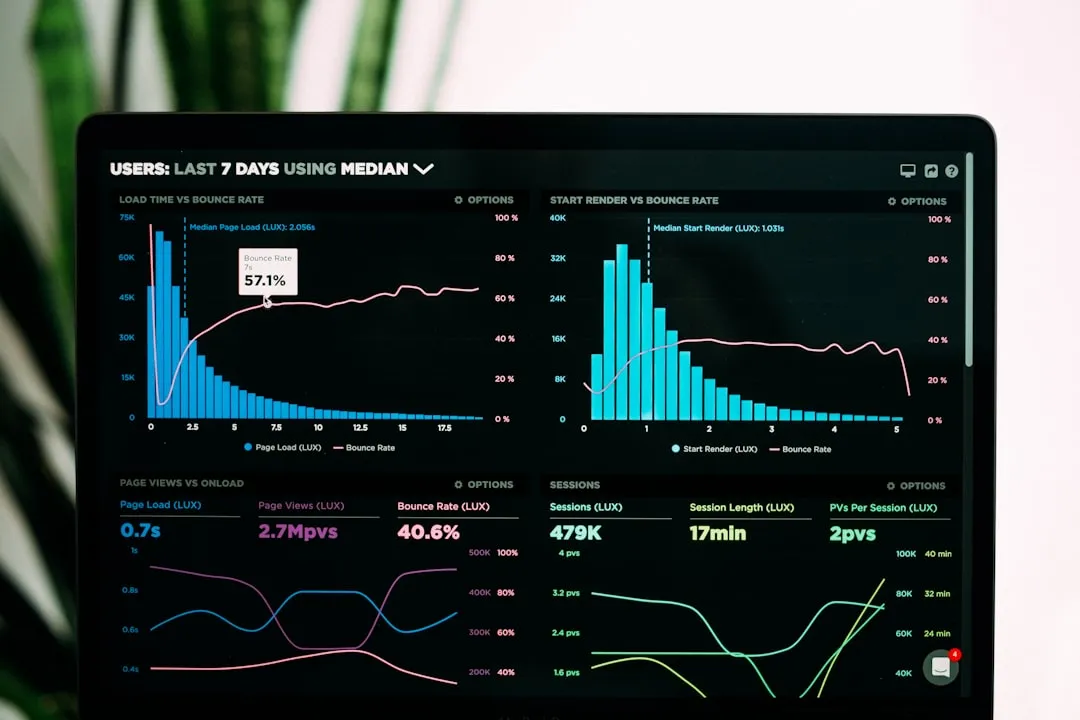
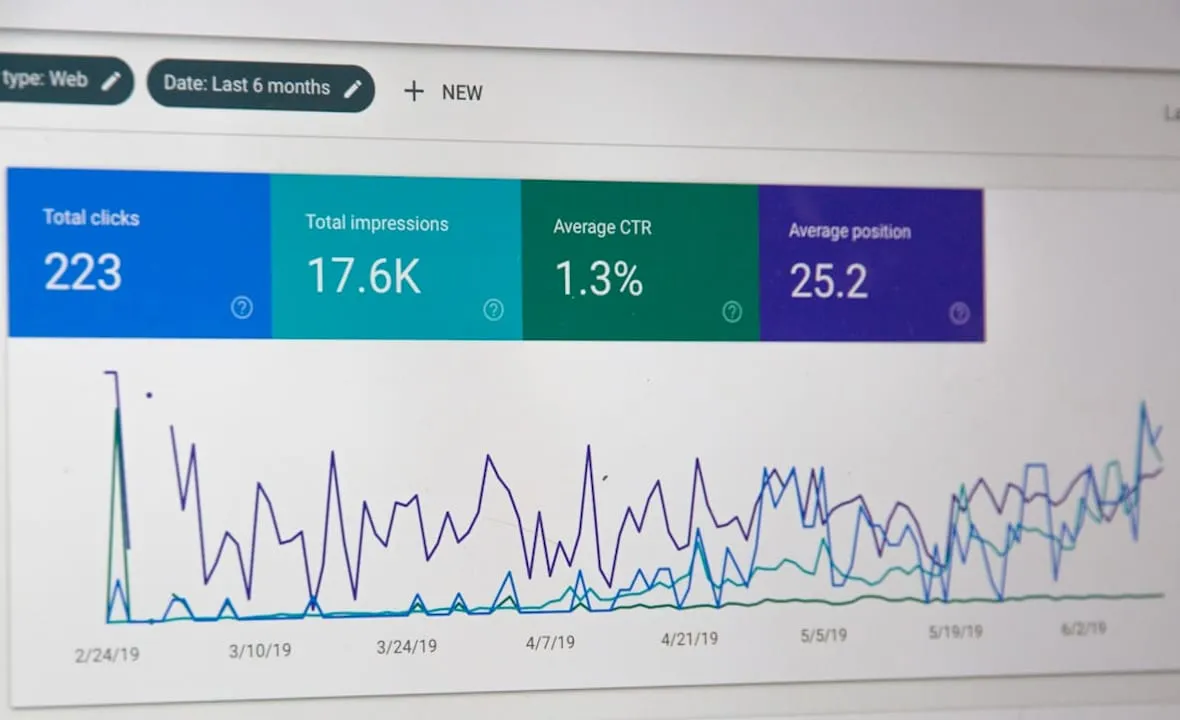
Google Search Console’s Performance report combines clicks, impressions, CTR, and average position for meaningful rank tracking, with breakdowns by query, page, device, and search appearance to avoid misleading averages. An average position of 4.2 sounds solid until you realize that number is a blend of ranking 2nd on desktop and 9th on mobile in your top markets. The average masks the variance that actually drives your results.
Here are the four metrics that matter most for e-commerce rank tracking:
Tracking share of search and competitive benchmarks alongside your own position data gives you a complete picture of where you stand in the category, not just on your own scorecard.
How the AI-first search environment changed rank tracking in 2026
The definition of “ranking” has fundamentally shifted. Holding position 1 in 2026 does not mean what it meant in 2022. AI Overviews, zero-click results, and generative search panels now sit above traditional organic listings on Google, and similar AI-driven features are expanding across Amazon and Walmart search interfaces.
The practical implication is direct: in 2026, rank tracking includes monitoring citation status to know if your products are surfaced in AI-generated overviews beyond just ranking position. A brand that ranks 3rd organically but is cited in the AI Overview captures more visibility than the brand sitting at position 1 below it.
“Ranking alone doesn’t guarantee reaching the right buyer or signaling proper value; tracking must be paired with page relevance and customer journey understanding.” —
Zero-click behavior compounds this challenge. Users increasingly get answers directly from AI panels without clicking through to product pages, which means your click-through rate can decline even when your rank holds steady. Tracking CTR alongside position is now non-negotiable for diagnosing true performance.
The tactical response requires three adjustments:
Practical steps for tracking product rank effectively
Effective rank tracking starts with choosing the right keywords, not the most keywords. Tracking the right keywords, those actively targeted and mapped to specific pages, is more effective than indiscriminate tracking of every term you appear for. Group keywords by intent and by page so that a rank movement always points to a specific asset you can act on.
Competitor tracking is equally non-negotiable. Tracking competitors’ rankings alongside your own provides comparative intelligence to detect market shifts and strategic opportunities. When a competitor gains three positions on a keyword you both target, that signal tells you something changed: new content, a link acquisition, a listing update, or an algorithm benefit. You need to know which one.
Integrating ranking data with analytics platforms links position changes to click-through rates and conversion metrics, clarifying the causes of traffic fluctuations. Without that integration, you are reading rank data in a vacuum. A drop from position 4 to position 6 on a high-volume keyword might cost you 15% of your clicks on that term. Knowing that number lets you decide whether the optimization investment is worth it.
For marketplace-specific tracking on Amazon and Walmart, the digital shelf context matters. Rank tracking for marketplaces must reflect the digital shelf by integrating availability, sponsored versus organic placements, and competitor share of search for proper visibility assessment. A product that ranks organically at position 5 but is surrounded by four sponsored placements above it has a very different visibility reality than its organic number suggests.
Pro Tip: Pair your rank tracking tool with keyword research resources like ecommerce keyword guides to build a tracking list grounded in actual search demand, not just terms you assume matter.
Common pitfalls to avoid:
Key takeaways
Tracking product ranking is a diagnostic system that connects visibility directly to revenue, inventory, and competitive position across every channel you sell on.
Rank is an early warning system
Ranking changes precede traffic and revenue impacts by days or weeks, giving you time to respond before losses compound.
Metrics require context
Average position alone misleads. Segment by device, location, and search appearance type to read rank data accurately.
AI overviews changed the game
Citation status in AI-generated results is now a core visibility metric, separate from and often more impactful than traditional organic position.
Competitor tracking is mandatory
Monitoring your own rank without tracking competitors leaves you blind to the market shifts that most directly threaten your share.
Integration multiplies value
Rank data connected to conversion and revenue metrics reveals the true cost of visibility changes and justifies optimization investment with hard numbers.
Rank tracking is a strategic necessity, not a reporting task
I have worked with brand managers who check their rankings once a month and call it done. That cadence made sense in 2018. It is a liability today.
What changed is not just the frequency of algorithm updates. It is the economic stakes attached to each position. Ranking inefficiencies increase customer acquisition costs and reduce return on ad spend by attracting traffic to weakly converting or low-margin products. When I see a brand running aggressive paid campaigns on a keyword where their organic listing is buried at position 14, that is not a paid media problem. It is a rank tracking failure. Nobody caught the organic drop, so paid spend kept compensating for it at a cost that eroded the entire margin on that SKU.
The brands I have seen use rank tracking most effectively treat it as a connective layer between their SEO work, their paid strategy, and their inventory planning. They do not just ask “where do we rank?” They ask “what changed, why did it change, and what does that mean for our next 30 days of spend and stock?” That shift in framing turns rank tracking from a reporting task into a genuine strategic tool.
The AI-first search environment makes this even more urgent. Without continuous monitoring, product visibility and retail ranking drops go unnoticed until the business is already impacted. In a world where AI Overviews can intercept your traffic without your rank technically changing, the brands that win are the ones watching the full picture, not just the position number.
How Nectar helps you turn rank data into profitable growth

Nectar works with mid-sized and enterprise brands across Amazon, Walmart, and Shopify to convert ranking intelligence into measurable revenue growth. The proprietary iDerive analytics platform integrates rank data, share of search, and conversion metrics into a single view, so your team always knows what is driving performance and what is costing you margin. From Amazon growth optimization to full-funnel marketplace management, Nectar’s data-driven approach connects every visibility signal to a business outcome. If your brand is ready to move beyond position numbers and start making rank data work for your bottom line, explore Nectar’s full service offerings to see how the agency builds profitable growth at scale.
FAQ
What does product ranking mean in e-commerce?
Product ranking is the position your listing occupies in search results on platforms like Amazon, Google, or Walmart for a given keyword. Higher positions capture more impressions, clicks, and sales.
How does rank tracking connect to revenue?
Rank changes precede traffic and conversion shifts by days or weeks, making tracking an early warning system. Connecting rank data to conversion metrics reveals the direct revenue cost of any visibility change.
What ranking metrics should brand managers track?
The most important metrics are average position segmented by device and location, share of search voice, citation status in AI overviews, and visual rank or pixel depth. Average position alone is not sufficient.
How has AI changed what it means to rank in 2026?
AI Overviews and zero-click results now intercept traffic above traditional organic listings. Ranking at position 1 no longer guarantees clicks if an AI panel answers the query first, making citation status a required tracking metric.
How often should you review product rankings?
A weekly review cadence tied to your top revenue-driving keywords is the practical standard. Daily fluctuations are normal variance. Week-over-week trends are the signals worth acting on.
Recommended











.png)