What Are Sponsored Products? A Guide for Retailers
.webp)
TL;DR:
- Sponsored products are pay-per-click ads that promote individual product listings directly within marketplace search results on platforms like Amazon and Walmart. They help drive immediate high-intent traffic, improve organic ranking, and require no upfront costs, making them a cost-effective growth tool for e-commerce retailers. Effective strategies include listing optimization, hybrid targeting, and continual data-driven campaign adjustments to maximize performance and return on investment.
Sponsored Products are cost-per-click ads that promote individual product listings directly within marketplace search results and product pages. On platforms like Amazon and Walmart, these ads place your specific items in front of shoppers who are already searching for what you sell. They require no upfront fees, no custom creative assets, and can go live within one hour of setup. For e-commerce retailers looking to grow visibility and drive sales without committing to expensive media buys, sponsored product campaigns are the most direct path to high-intent buyers.
How do sponsored products work?

Sponsored Products operate on a pay-per-click model. You set a bid for how much you are willing to pay each time a shopper clicks your ad. When a relevant search happens, an auction runs in real time to determine which ads appear and where.
Amazon uses a second-price auction for this process. The winner pays just one cent above the second-highest bid, not their full maximum bid. This means your actual cost-per-click is often lower than what you set, especially when your listing is highly relevant to the search.
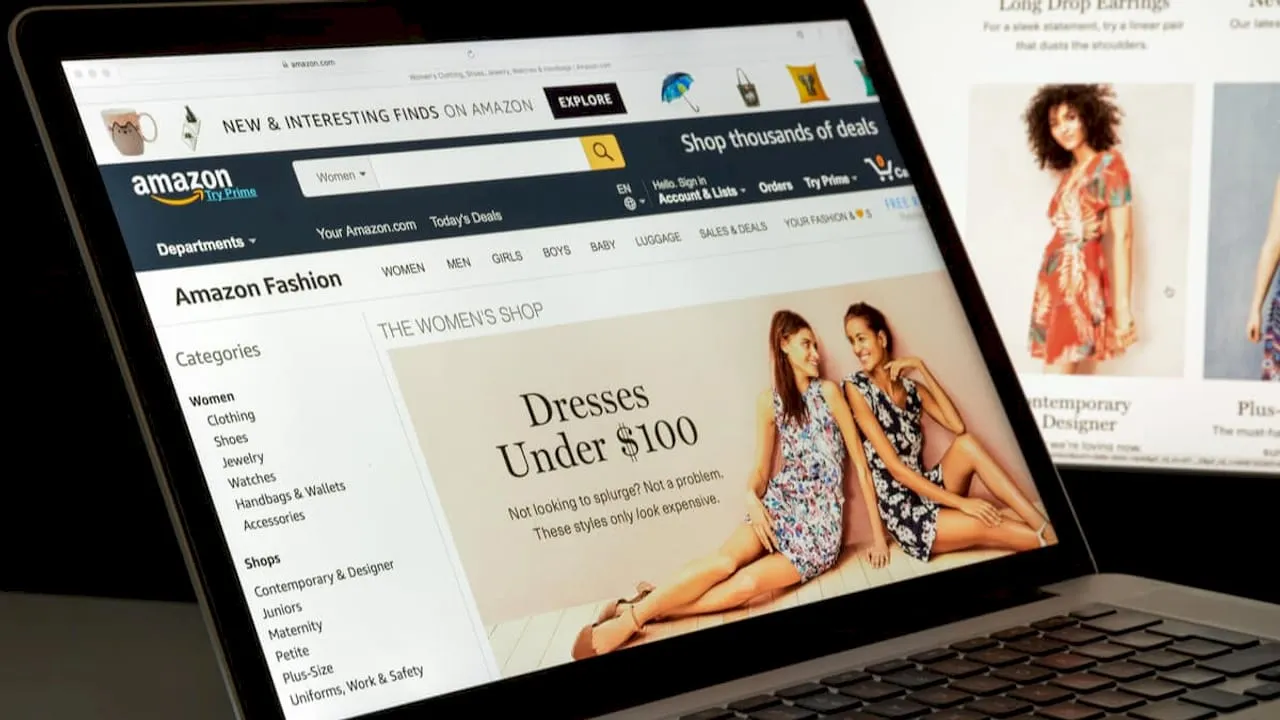
Ad placements span the top, middle, and bottom of search results pages, as well as product detail pages. The ads appear in dynamic placements across Amazon search results and recommendation carousels, giving your products multiple chances to appear in a single shopping session.
The core benefits for e-commerce retailers
The advantages of sponsored products advertising go beyond simple visibility. Here is what sellers consistently gain:
-
Immediate traffic. Unlike organic SEO, sponsored product campaigns can drive clicks the same day they launch.
-
High-intent reach. Shoppers clicking these ads are already searching for the product category you sell. They are closer to buying than any display audience.
-
Organic ranking lift. Increased sales velocity from paid traffic signals to the algorithm that your product is relevant, which improves your organic position over time.
-
Budget control. You set daily budgets and can adjust them at any time. There is no minimum spend requirement.
-
No creative production costs. Ads pull directly from your existing product detail page, so there is nothing extra to design or produce.
Pro Tip: Run sponsored product campaigns even on products that already rank organically. Owning both a paid and organic placement on the same search result page doubles your real estate and pushes competitors further down.
What are the targeting options for sponsored products?
Targeting is where sponsored product strategies either succeed or waste budget. There are two primary modes: automatic and manual. Most experienced sellers use both at the same time.
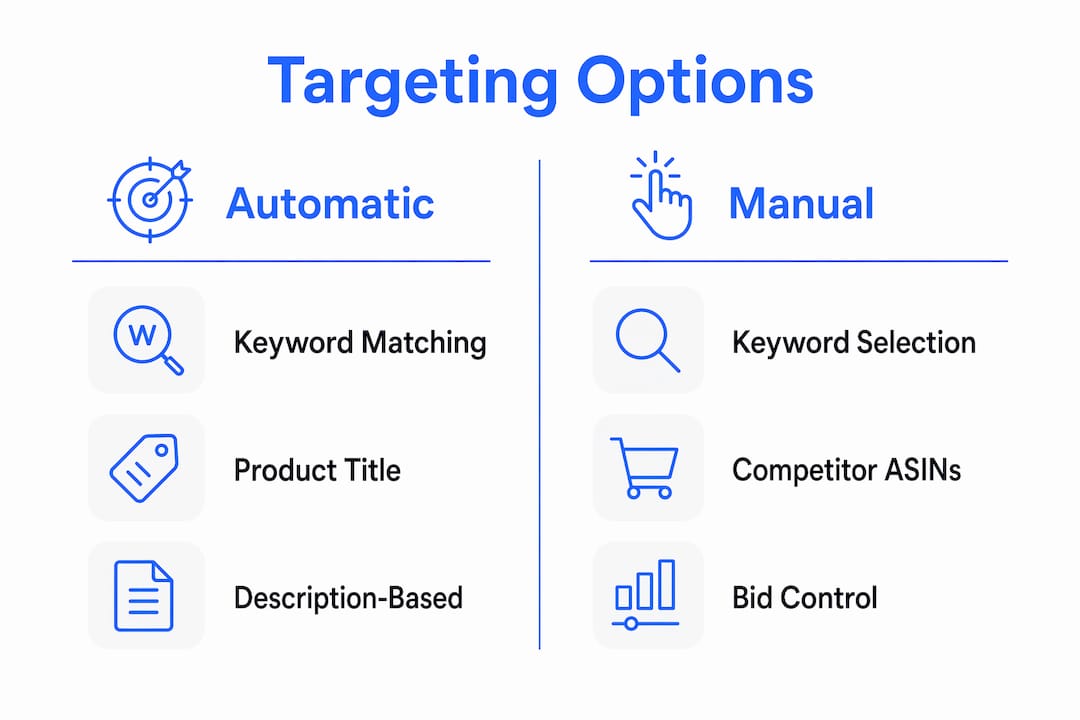
Automatic targeting lets the platform match your ads to relevant searches based on your product title, description, and category data. You do not choose the keywords. The algorithm does. This is useful for discovering which search terms actually convert for your product, especially when launching something new.
Manual targeting gives you direct control. You select specific keywords or competitor ASINs to target, and you set individual bids for each. This precision matters when you know your best-performing terms and want to allocate budget efficiently.
The hybrid approach combining both is considered best practice. Automatic campaigns surface new keyword opportunities. Manual campaigns let you capitalize on what works. The two work together rather than in competition.
Here is how experienced advertisers use the hybrid model:
-
Launch an automatic campaign to gather search term data for two to four weeks.
-
Review the search term report to identify high-converting keywords.
-
Move those keywords into a manual campaign with refined bids.
-
Add low-performing or irrelevant terms as negative keywords in the automatic campaign to stop wasted spend.
Pro Tip: Negative targeting is one of the most underused tools in sponsored product campaigns. Blocking irrelevant search terms can cut wasted spend by a meaningful amount without reducing your reach for terms that actually convert.
Too much reliance on automatic targeting wastes budget on irrelevant placements. The brands that scale profitably treat automation as a discovery tool, not a permanent strategy. Manual oversight is what keeps campaigns profitable as they grow.
How do sponsored products differ on amazon vs. walmart?
Amazon and Walmart both offer sponsored product advertising with CPC models, but the platforms have meaningful differences that affect how you approach each one.
Amazon sponsored products
Amazon’s program is the most mature marketplace ad product available to third-party sellers. Placements include the top of search, mid-page results, the bottom of search, and product detail pages. Amazon also surfaces sponsored products in recommendation carousels throughout the shopping experience. The breadth of placement options means your ads can appear at multiple touchpoints in a single session.
Amazon’s auction system rewards listing quality and relevance. A well-optimized product detail page with strong images, detailed bullet points, and a competitive price will win placements at a lower cost-per-click than a weak listing bidding the same amount. This is why listing quality directly affects ad performance, not just the bid itself.
For sellers managing Amazon advertising at scale, understanding the full funnel in Amazon advertising is critical. Sponsored Products sit at the bottom of that funnel, capturing demand that already exists.
Walmart sponsored products
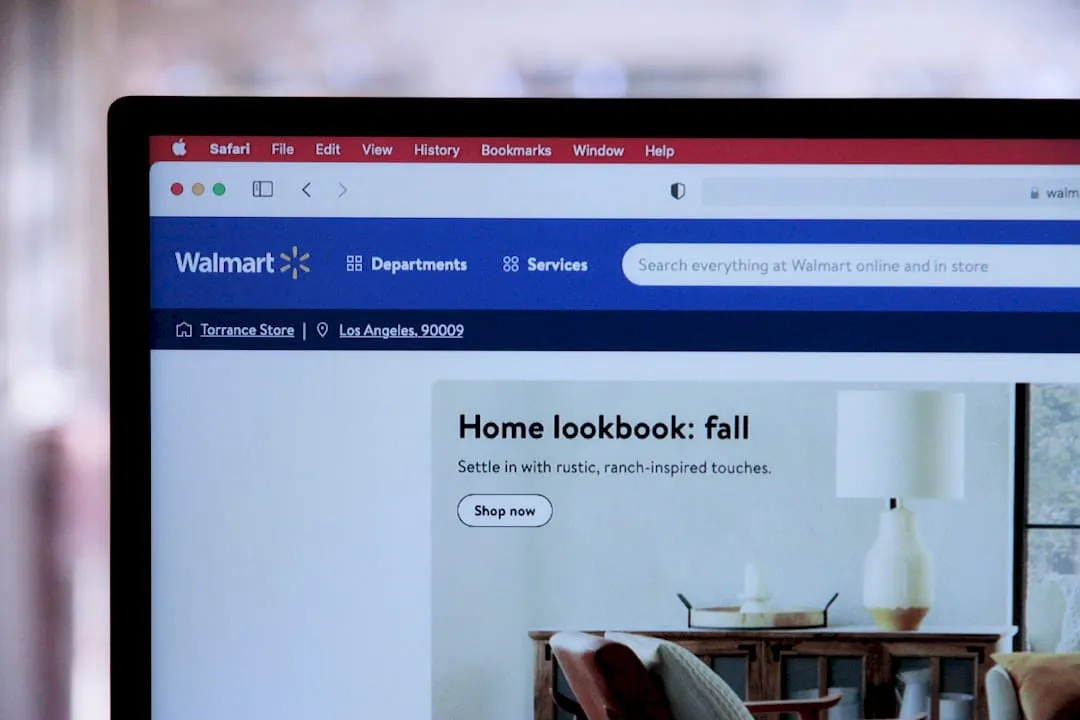
Walmart Sponsored Products appear in prominent, high-traffic placements on Walmart.com, including search results and category pages. The CPC model mirrors Amazon’s structure, but Walmart’s marketplace is less saturated with advertisers. That lower competition often translates to lower cost-per-click for comparable categories.
Walmart’s eligibility requirements differ from Amazon’s. Sellers need to meet specific performance thresholds before accessing sponsored product ads. The ad formats are also more limited compared to Amazon’s ecosystem, but the core mechanic of bidding for placement in search results is the same.
For brands selling on both platforms, the practical implication is clear. Amazon requires deeper investment in listing optimization and bid strategy due to higher competition. Walmart offers a less crowded environment where well-placed bids can generate strong returns with less complexity.
What strategies actually maximize sponsored products performance?
Understanding sponsored products is one thing. Running them profitably is another. These are the practices that separate high-performing campaigns from ones that drain budget without results.
-
Start with your best listings. Ads pull content directly from your product detail page, so weak images or thin descriptions will hurt your conversion rate regardless of how much you bid. Fix the listing before you fund the ad.
-
Use Sponsored Products to launch new items. Organic ranking for a new product takes time because the algorithm has no sales history to evaluate. Sponsored Products provide early sales data and better indexing that organic efforts alone cannot achieve in the early weeks. Think of it as priming the algorithm.
-
Set a daily budget you can sustain for at least 30 days. Campaign data becomes meaningful only after enough impressions and clicks accumulate. Cutting budgets too early prevents you from making informed optimization decisions.
-
Review your search term reports weekly. The search term report shows exactly what shoppers typed before clicking your ad. This is your most valuable source of keyword intelligence. Use it to expand manual campaigns and eliminate waste.
-
Monitor placement performance separately. Amazon breaks down performance by top-of-search, rest-of-search, and product pages. If one placement is delivering a much higher return on ad spend, shift your bid modifiers to favor it.
-
Avoid the set-it-and-forget-it trap. Campaign automation requires manual oversight to stay profitable. Algorithms optimize for clicks, not margins. You need to check that the traffic you are buying is actually converting at a profitable rate.
Pairing strong sponsored product campaigns with solid Amazon SEO practices compounds your results. Paid visibility drives sales velocity. Sales velocity improves organic rank. Organic rank reduces your dependence on paid spend over time.
Key takeaways
Sponsored Products are the most direct paid tool for e-commerce retailers to capture high-intent shoppers on Amazon and Walmart, and their long-term value compounds when listing quality and campaign strategy work together.
PointDetails
CPC model with no upfront cost You pay only when a shopper clicks, with daily budgets you can adjust at any time.
Second-price auction rewards relevance A well-optimized listing wins placements at lower cost than a weak listing bidding the same amount.
Hybrid targeting is best practice Run automatic campaigns to discover keywords, then move top performers into manual campaigns for control.
Listing quality drives ad performance Ads pull directly from your product detail page, so strong images and descriptions are prerequisites, not extras.
New product launches need paid support Sponsored Products provide early sales data and indexing signals that organic efforts cannot generate quickly on their own.
The part most sellers get wrong about sponsored products
I have watched brands pour significant budget into sponsored product campaigns and walk away frustrated because the results did not match their expectations. In almost every case, the problem was not the ads. It was the assumption that ads could compensate for weak fundamentals.
Sponsored Products are not a visibility shortcut. They are an amplifier. If your listing has poor images, a vague title, or pricing that is out of step with the market, paid traffic will expose those weaknesses faster than organic traffic ever would. You will get clicks. You will not get conversions. And you will burn budget learning a lesson that a listing audit would have caught in an hour.
The other pattern I see constantly is over-reliance on automatic targeting past the discovery phase. Automatic campaigns are genuinely useful for surfacing search terms you would never have thought to target manually. But leaving them running without negative keyword management is like leaving a faucet open. The spend accumulates on irrelevant terms while you are focused elsewhere.
What actually works is treating sponsored product campaigns as a feedback loop. The data your campaigns generate, search terms, placement performance, conversion rates by keyword, is more valuable than the traffic itself. Brands that use ecommerce performance data to inform their next campaign iteration consistently outperform brands that optimize by instinct.
The shift worth making is from thinking about sponsored products as a cost to thinking about them as a measurement system. Every dollar you spend is buying you information about what your customers actually search for, what they click on, and what they buy. That information is worth more than the sale it generates today.
— Dan Katona
How Nectar helps brands get more from sponsored products
Running sponsored product campaigns profitably on Amazon and Walmart requires more than a good bid strategy. It requires listing quality, keyword intelligence, and the discipline to act on campaign data consistently. Nectar manages all of it. As a fully managed e-commerce agency, Nectar handles Amazon and Walmart advertising from campaign architecture through ongoing optimization, backed by the iDerive analytics platform that surfaces the insights most brands miss. If your sponsored product spend is not generating the returns it should, explore Nectar’s full suite of services to see what a data-driven approach actually looks like in practice.
FAQ
What is sponsored products advertising?
Sponsored Products are cost-per-click ads that promote individual product listings within marketplace search results and product pages on platforms like Amazon and Walmart. Advertisers pay only when a shopper clicks the ad, with no upfront fees or minimum budget requirements.
How do sponsored products differ from other ad types?
Sponsored Products promote specific individual listings and appear within organic search results, making them less disruptive than display ads. Unlike Sponsored Brands or Sponsored Display ads, they do not require custom creative assets and pull content directly from the product detail page.
What are sponsored listings vs. sponsored products?
Sponsored listings is a general term for any paid placement within a marketplace or retailer website. Sponsored Products is the specific ad format offered by Amazon and Walmart that promotes individual SKUs through a CPC auction model.
Do sponsored products help with organic ranking?
Yes. Increased sales velocity from sponsored product traffic signals relevance to the marketplace algorithm, which improves organic ranking over time. This is why new product launches benefit significantly from early sponsored product investment.
How much do sponsored products cost?
There is no fixed cost. You set a maximum bid per click and a daily budget. Amazon’s second-price auction means your actual cost-per-click is typically lower than your maximum bid, especially when your listing quality and relevance are strong.
Recommended
































































.webp)