TL;DR:
- Paid media involves brands paying for advertising space to reach specific audiences quickly and precisely. Effective strategies combine demand capture channels like search with demand creation channels such as social media and streaming TV, focusing on role-specific channel use. Diversifying and testing within budgets improves long-term growth and reduces risks from platform changes or saturation.
Paid media is any advertising where a brand pays for space or placement to promote its message across digital or traditional channels. Unlike earned media (press coverage) or owned media (your website), paid media gives you immediate reach and precise control over who sees your message. The types of paid media available today span search ads, social ads, display, video, native, streaming TV, and influencer sponsorships. Each serves a distinct role in a full-funnel strategy, and knowing which to use, and when, separates brands that scale from brands that waste budget.
1. Types of paid media: an overview of the full channel stack
Practitioners treat paid media channels as a stack of roles, not a menu of interchangeable options. A well-structured stack uses Google for demand capture, Meta for catalog conversion, TikTok for demand creation, and Microsoft Advertising for niche cost savings. Each channel does a specific job. Mixing them without a framework wastes money. The sections below break down each major category, with cost benchmarks, best-fit scenarios, and practical guidance.

2. Search advertising: the cornerstone of demand capture
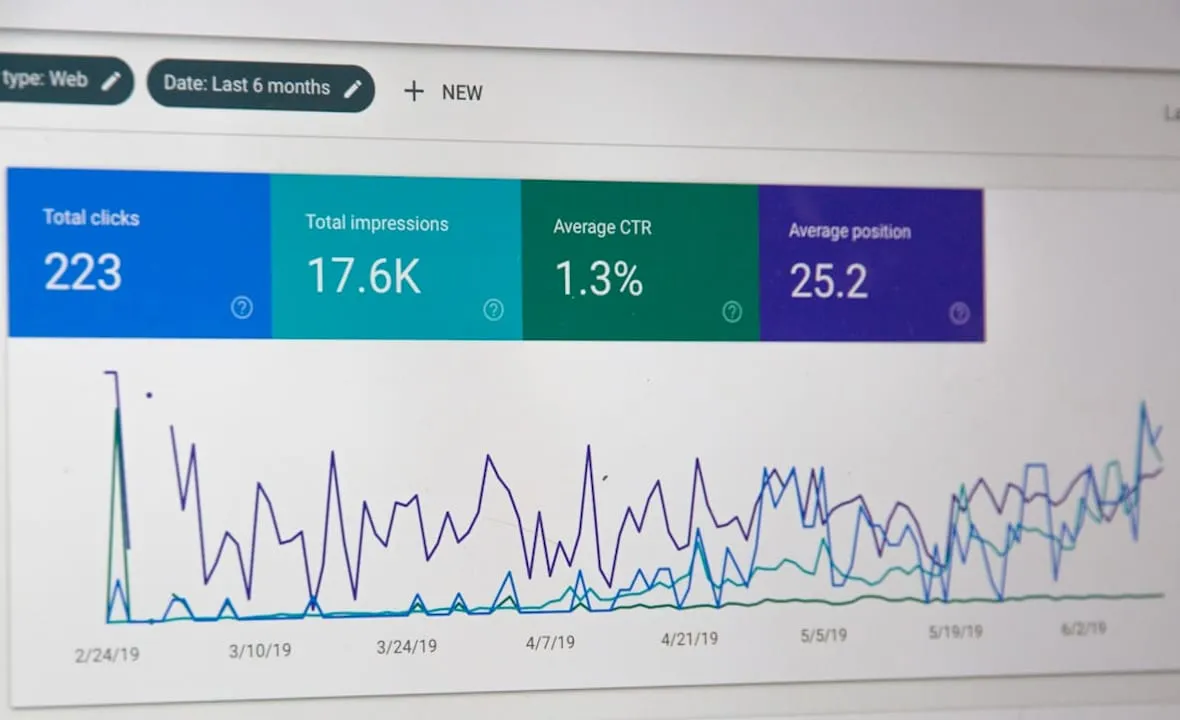
Search advertising is the practice of placing text ads on search engine results pages, triggered by specific keywords a user types. Google Ads dominates this category. Users declare intent through their typed queries, making search the highest-quality intent signal in paid advertising. No other channel puts your ad in front of someone who is actively looking for what you sell.
Key facts about search advertising:
-
Google Ads averages a CPC of about $3.67, making it the benchmark for demand capture budgeting.
-
Effective Google Ads testing campaigns typically require $500–$1,500 per month to generate statistically meaningful data.
-
Microsoft Advertising delivers CPCs 20–50% lower than Google for comparable keywords, making it a cost-effective complement.
-
Microsoft Advertising also integrates LinkedIn professional data, which gives B2B advertisers sharper audience targeting.
-
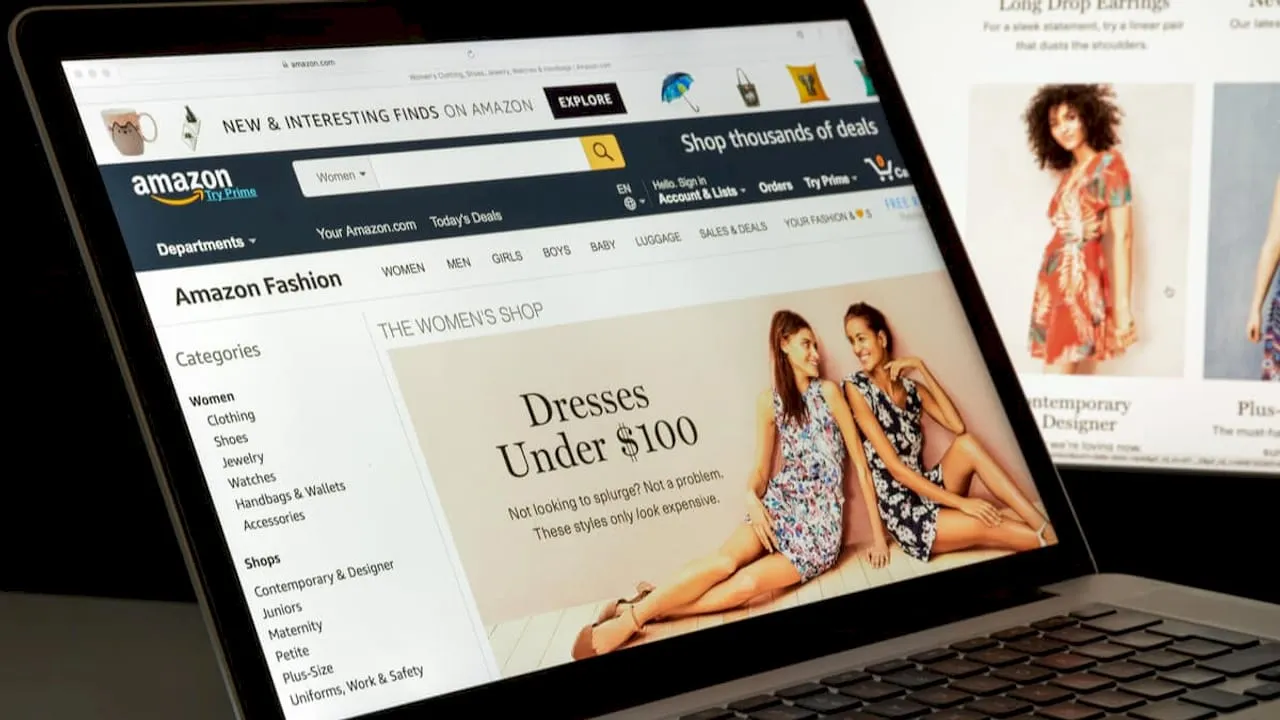
Amazon Ads functions as a search channel for e-commerce brands. It accounts for 47% of all U.S. e-commerce spend and often delivers 34% sales growth within four weeks of adoption.
Search advertising works best when clear demand already exists for your product or service. If people are not searching for what you sell, search ads will not create that demand. That is the job of social and video channels.
Pro Tip: Run Google Ads and Microsoft Advertising simultaneously from the start. Microsoft’s lower CPCs often produce a better cost per acquisition in B2B niches, and the combined reach fills gaps that Google alone misses.
3. Paid social media ads: driving demand generation and audience engagement
Paid social advertising places ads inside social media feeds, stories, and video streams. The defining characteristic is audience targeting by behavior, interest, and demographics rather than search intent. These ads create demand by reaching people before they know they need your product.
The major platforms each serve a different audience and creative format:
-
Meta (Facebook and Instagram): The default starting point for most brands. CPCs range from $0.50 to $2.00, with monthly testing budgets typically between $300 and $1,000. Meta’s catalog ads and retargeting tools make it especially effective for e-commerce.
-
TikTok: Built for content-native, authentic video. TikTok creates demand through engagement velocity rather than social graphs, and its CPMs are typically lower than Meta’s. It reaches younger demographics most efficiently.
-
LinkedIn: The only social platform with reliable B2B targeting by job title, company size, and industry. CPCs range from $5 to $12, which is high, but the audience quality justifies the cost for B2B brands selling high-ticket products or services.
Creative quality determines performance on social platforms more than budget size. A weak creative with a large budget loses to a strong creative with a modest one. For TikTok paid advertising, ads that look like organic content consistently outperform polished production formats.
Pro Tip: Never run the same creative across Meta and TikTok. Meta rewards clear product shots and benefit-driven copy. TikTok rewards lo-fi, story-driven video that feels native to the feed. Treat them as separate creative briefs.
4. Display, native, and video ads: versatile formats for branding and retargeting
These three formats share one trait: they reach audiences who are not actively searching. They build brand awareness and keep your brand visible across the web.
Display ads are banner ads that appear on websites across the Google Display Network and other ad exchanges. They excel at retargeting. A visitor who viewed your product page but did not buy can see your display ad on unrelated websites for days afterward. Display CPMs are generally low, but click-through rates are also low. The value is in repeated exposure, not direct clicks.
Native ads blend into the editorial content of a page. They appear as “recommended articles” or “sponsored content” on news sites and content platforms. Because they match the look and feel of surrounding content, they generate higher engagement than standard banners. Native works well for content marketing funnels where the goal is education before conversion.
Video ads on YouTube and programmatic video placements combine the trust-building power of television with digital targeting precision. YouTube pre-roll ads, for example, let you target by search history, demographics, and interest categories. Programmatic video buying automates placement across thousands of publisher sites, letting you control reach and frequency at scale.
Pro Tip: Use programmatic buying platforms to set frequency caps on display and video. Seeing the same ad more than five times in a week creates ad fatigue and negative brand association. Cap impressions per user per week.
5. Streaming TV advertising and influencer marketing: two fast-growing channels
These channels represent the newest additions to most paid media strategies, and both are growing faster than traditional digital formats.
Connected TV advertising
Connected TV (CTV) advertising places video ads inside streaming content on platforms like Hulu, Roku, and Peacock. The U.S. CTV ad market reached $37.95 billion by late 2025, reflecting rapid adoption by brands of all sizes. This is not just a big-brand channel anymore.
Key advantages of CTV advertising:
-
Higher consumer trust compared to social media ads, closer to traditional broadcast TV.
-
Zip code level targeting with digital campaign reporting, combining TV’s reach with digital’s measurability.
-
Testing budgets can start as low as $50, making it accessible for small and mid-sized brands.
-
Full-screen, unskippable ad formats that guarantee completion rates traditional digital video cannot match.
Nectar’s programmatic and CTV advertising capabilities give brands access to premium streaming inventory with the same data-driven targeting applied to their other paid channels.
Influencer and affiliate marketing as paid media
Influencer marketing qualifies as paid media when a brand sponsors content creation. The brand pays for placement, just as it would for a display or social ad. The difference is that the creative comes from the influencer’s voice, which typically generates higher trust and engagement than brand-produced content.
Affiliate marketing is a performance-based paid media model. Brands pay a commission only when a sale or lead is generated. This makes it lower risk than CPM or CPC models, though it requires building and managing a publisher network.
Both channels work best as complements to search and social, not replacements. They fill the upper funnel with awareness and trust that converts more efficiently when users later encounter your search or retargeting ads.
6. How to choose and mix paid media types for your strategy
No single channel covers the full customer journey. The most effective paid media strategies combine demand capture and demand creation in deliberate proportions.
A balanced media mix allocates roughly 40–50% of budget to demand capture channels (search, Amazon Ads) and 40–50% to demand creation channels (social, streaming TV, video). This balance drives immediate sales while building the brand awareness that sustains future growth.
Practical allocation frameworks by business model:
-
DTC e-commerce brands should prioritize Meta and TikTok for demand creation, Google Shopping for demand capture, and Amazon Ads for retail media if they sell on the marketplace.
-
B2B companies should weight LinkedIn and Google Search heavily, with Microsoft Advertising as a cost-efficient supplement.
-
Local service businesses should focus on Google Search with local targeting, supported by display retargeting to stay visible after initial site visits.
-
Mid-market brands with brand awareness goals should add CTV and YouTube to their mix, using programmatic buying to control frequency and reach.
Avoid concentrating more than 60% of your paid budget in a single channel. Platform algorithm changes, policy updates, and audience saturation can cut performance overnight. Diversification is not just a growth tactic. It is risk management.
Pro Tip: Before scaling any channel, run a 30-day test with a fixed budget and measure cost per acquisition, not just clicks or impressions. Data from a real test beats any benchmark. Use e-commerce keyword research to identify high-intent terms before committing search budget.
Key takeaways
The most effective paid media strategy combines demand capture channels like search with demand creation channels like social and streaming TV, allocating budget across both rather than concentrating spend in one place.
Point: Search captures existing demand
Search ads on Google and Microsoft Advertising reach users who are already looking to buy, making them the highest-intent channel in any paid media stack.
Point: Social creates new demand
Meta, TikTok, and LinkedIn reach audiences before they search, building awareness and desire through creative and targeting.
Point: CTV is no longer a big-brand channel
The U.S. streaming TV ad market hit $37.95 billion in 2025, and testing budgets can start as low as $50, putting it within reach for mid-sized brands.
Point: Balance your media mix
A 40–50% split between demand capture and demand creation channels produces better long-term results than over-investing in a single platform.
Point: Platform selection follows business model
E-commerce brands need Amazon Ads and Meta. B2B firms need LinkedIn and Google Search. Match the channel to the customer, not to industry trends.
What I’ve learned from watching brands get their media mix wrong
The most common mistake I see is treating paid media as a single category. A brand launches Google Ads, sees decent results, and pours 80% of its budget into search. Then a competitor raises bids, CPCs spike, and the entire growth engine stalls. That brand has no demand creation engine running in parallel, so there is no new audience coming into the funnel to replace the ones they are losing.
The second mistake is chasing the newest channel before mastering the fundamentals. TikTok and CTV are genuinely exciting, and the data on CTV trust levels is real. But I have watched brands spend $10,000 testing CTV before they had a single retargeting campaign live. CTV works best when it feeds an audience that your search and social ads can then convert. Without that downstream infrastructure, you are paying for awareness that evaporates.
The insight that changed how I advise clients is this: paid media channels are not competitors for your budget. They are teammates with different positions. Google defends and captures. Meta and TikTok attack and create. CTV builds the brand equity that makes every other channel more efficient. When you assign each channel a role instead of a budget percentage, the allocation decisions become much clearer.
Experiment within your budget constraints, but always tie experiments to a specific funnel stage. If you cannot articulate what problem a new channel solves at a specific stage of the customer journey, you are not ready to spend money on it.
— Dan Katona
Nectar’s approach to full-funnel paid media management
Brands that want to grow across Amazon, Walmart, and Shopify need more than a single ad channel. They need a coordinated strategy where each paid channel plays its assigned role.
Nectar manages the full paid media stack for mid-sized and enterprise brands, from Amazon Sponsored Ads and retail media to programmatic display and CTV. The agency’s proprietary iDerive analytics platform connects performance data across channels, so budget decisions are based on actual attribution rather than platform-reported metrics. Brands that want to stop guessing about which channels drive real growth can explore Nectar’s services to see how a managed, data-driven approach performs against their current results.
FAQ
What is paid media in marketing?
Paid media is any advertising channel where a brand pays for placement or reach, including search ads, social ads, display, video, streaming TV, and sponsored influencer content.
What are the main types of paid media?
The main types are search advertising (Google Ads, Microsoft Advertising, Amazon Ads), paid social (Meta, TikTok, LinkedIn), display and native ads, video ads, connected TV, influencer sponsorships, and affiliate marketing.
How much budget do I need to start with paid media?
Effective Google Ads testing typically requires $500–$1,500 per month, Meta testing runs $300–$1,000 per month, and CTV campaigns can start as low as $50 for initial tests.
What is the difference between demand capture and demand creation?
Demand capture channels like search ads reach users who are already looking to buy. Demand creation channels like social and CTV ads reach users before they have expressed intent, building awareness and desire.
How should I split my paid media budget across channels?
A balanced media mix allocates roughly 40–50% to demand capture and 40–50% to demand creation, adjusted based on your business model and current brand awareness levels.
Recommended










.png)