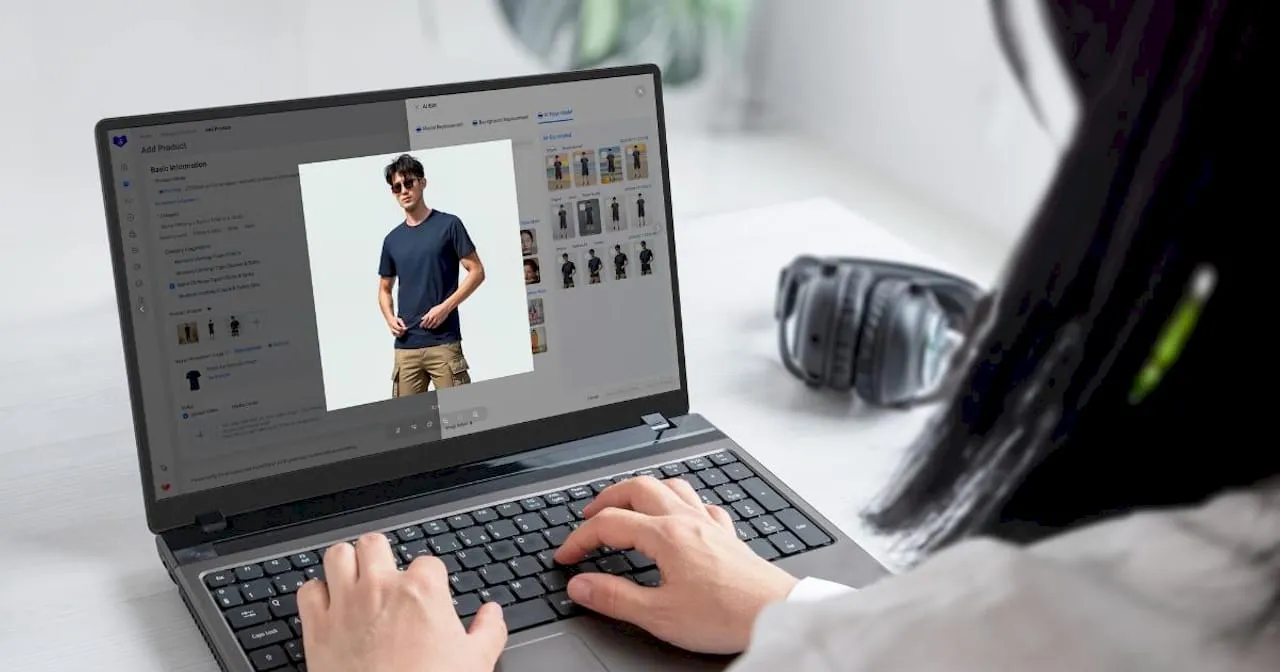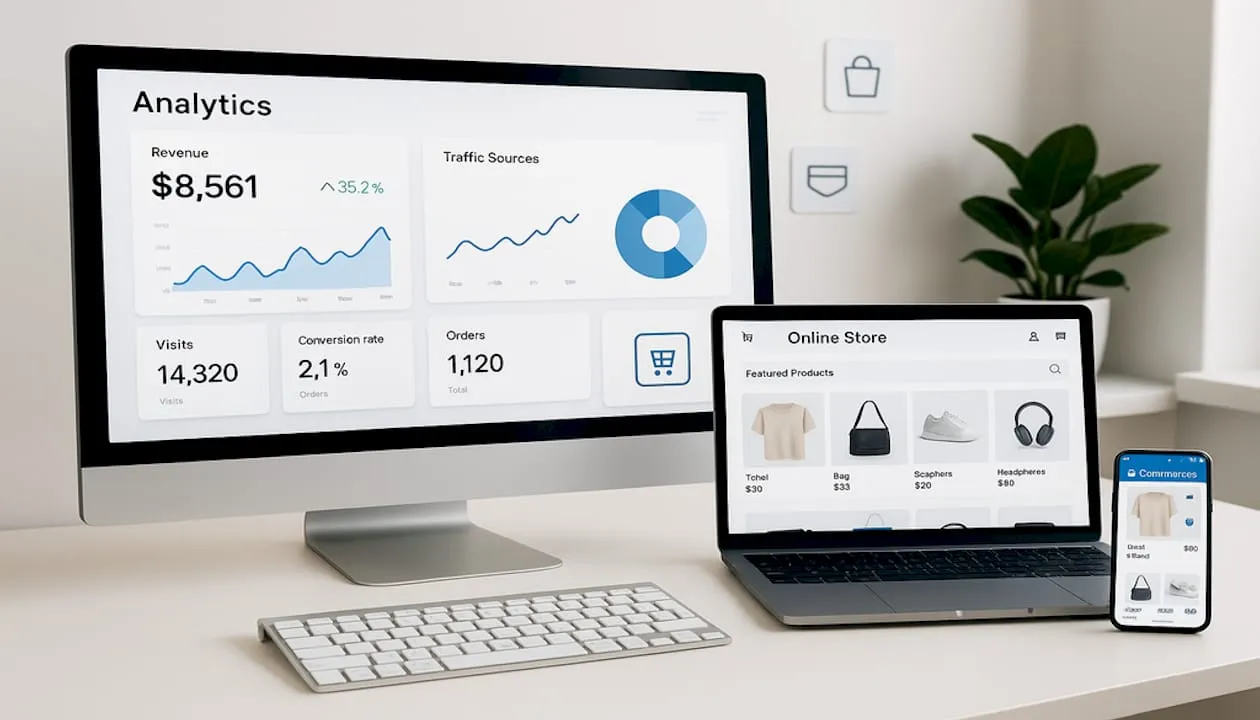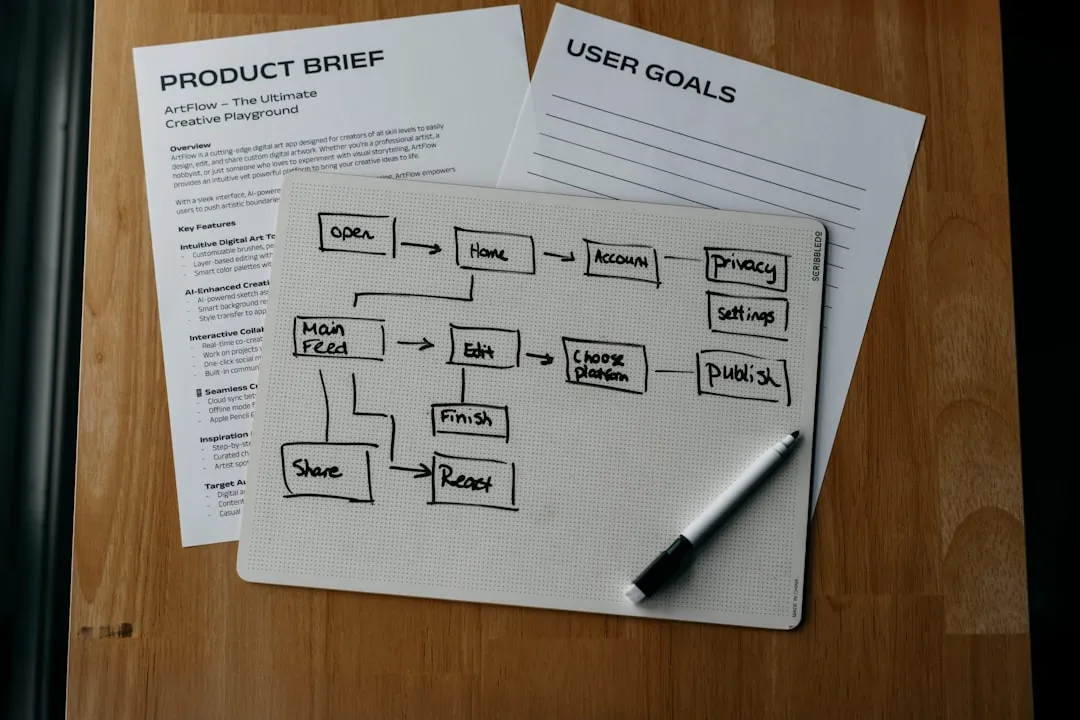
An ads creative studio is a managed, in-house production team that builds photography, video, A+ modules, and ad cutdowns purpose-built for Amazon, Walmart, and Shopify listings. The output is measurable: better conversion on the same traffic and creative that scales with paid strategy instead of fighting it. If you manage a multi-SKU portfolio, the fastest way to test this is a scoped pilot, not a full rebrand of every listing at once.
How Product Creative Drives Marketplace Conversions
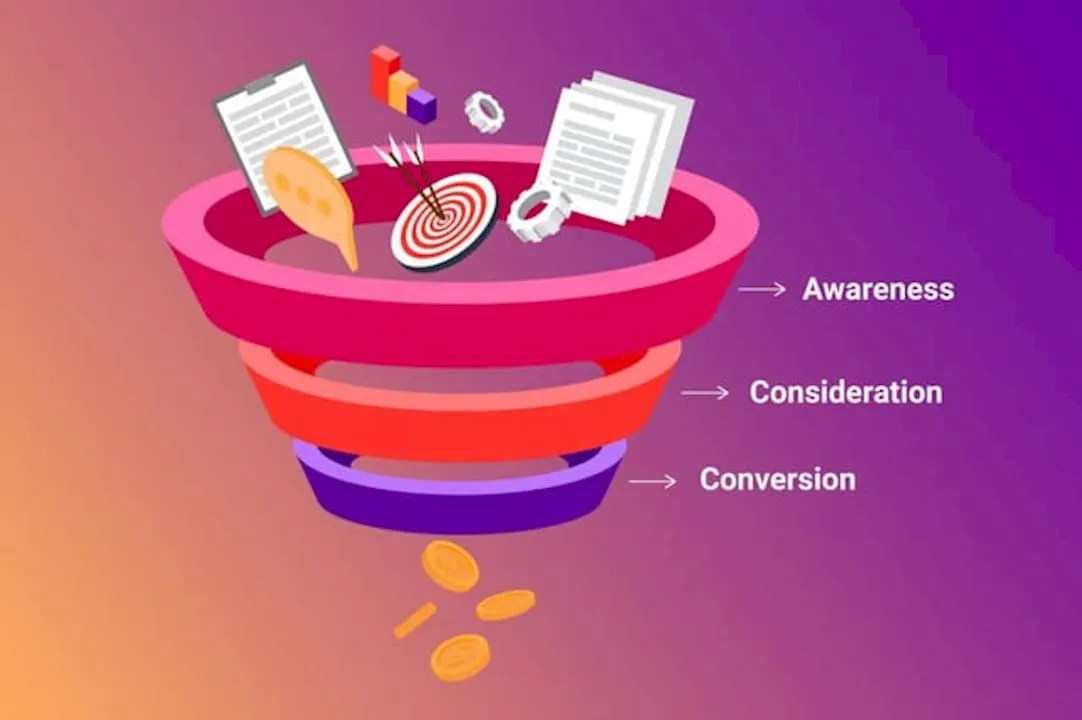
Every marketplace listing runs through a funnel, and creative controls most of it. A shopper sees a thumbnail, clicks into a main image carousel, scans price and reviews, and only then reaches A+ content before deciding to buy. Each stage asks a different job of the image or video sitting there.
The funnel actually maps like this:
That last stage carries real weight. Amazon’s own data shows A+ Content typically lifts conversion rate by 3 to 10 percent once the main images and bullets are already doing their job.
Three psychological mechanisms are at work across those stages: attention (the thumbnail has to stop a scroll), trust amplification (lifestyle and detail shots make quality believable before a hand ever touches the product), and objection removal (comparison charts and specs answer the question a shopper would otherwise ask customer service). A studio that understands this sequence designs images to solve a specific stage rather than just producing more images.
Core Services And Deliverables An Ads Creative Studio Must Provide
A capable studio should hand you a full listing asset set, not a folder of pretty photos. That distinction matters when you’re briefing a vendor against a channel-specific spec sheet.
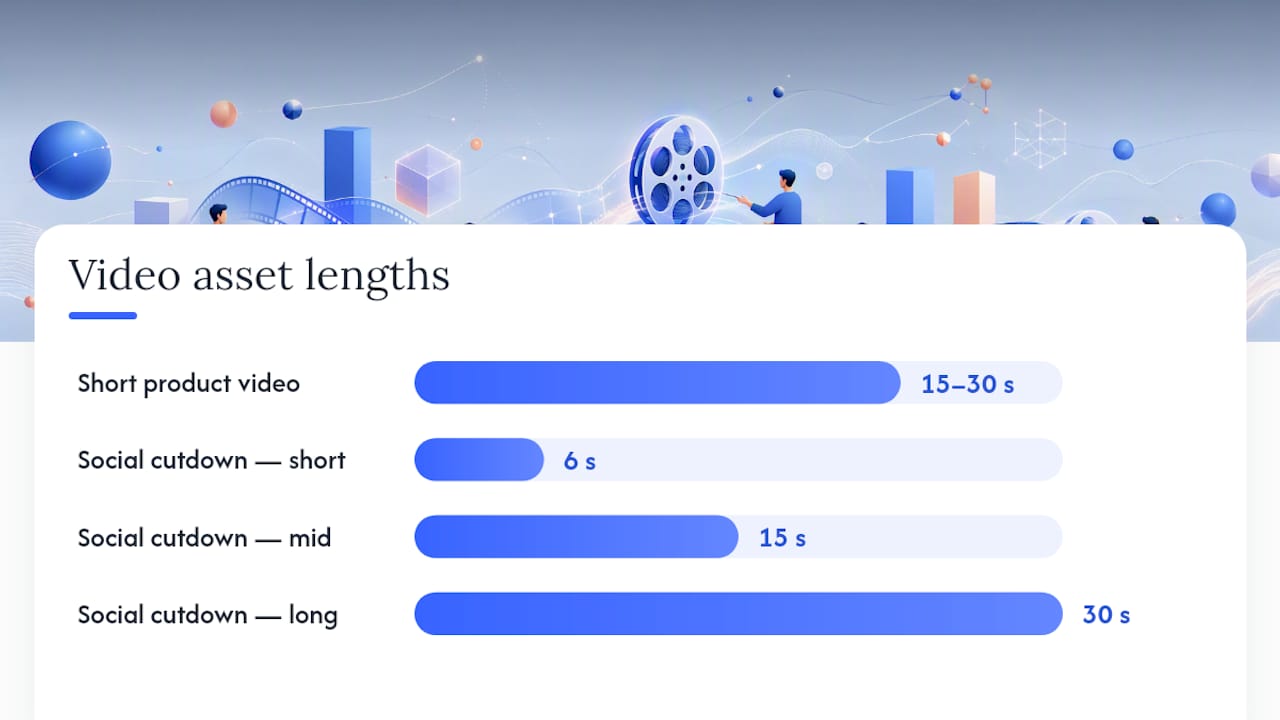
Expect these deliverables in a standard scope:
On the file side, deliverables should arrive named by SKU and variant, with every required crop and resolution labeled, so your team isn’t guessing which file goes where. Ecommerce photography needs to prioritize commercial clarity over artistry: scale reference, material detail, and functional use matter more than a striking composition that doesn’t answer a buyer’s question.
Ask any studio how much of this happens in-house versus outsourced. A studio that shoots stills internally but subcontracts every video edit will have inconsistent turnaround, and that gap shows up in your launch calendar.
How To Evaluate And Brief A Managed Creative Studio
Vetting a studio comes down to four things: portfolio fit, operational reliability, evidence of measurable lift, and how clearly they explain their own process. A strong evaluation checklist weighs portfolio patterns against your category, checks whether deliverables actually follow naming and crop conventions, and looks for a documented testing practice rather than a one-and-done shoot.
Run through this before signing anything:
Red flags show up fast: no ecommerce-specific samples, vague answers about file specs, or no mention of post-launch testing at all. A studio that can’t tell you how it will measure results after the shoot is a studio guessing at outcomes.
Pro Tip: Write your brief before you take a single call. One paragraph covering goals, must-have shots, target channels, the KPI you’ll judge success by, timeline, and who signs off internally saves two or three rounds of confused revisions later.
A solid production plan starts by listing the channels involved, the specific hesitations buyers have at each one, the proof moments that resolve those hesitations, and the final deliverables needed, so nothing gets shot twice for two different platforms.
Production Workflow, Timelines, And Pricing Shapes
A typical project moves through discovery, sample intake, the shoot itself, retouching, delivery, and then a testing and iteration phase once assets go live. Skipping that last step is the most common mistake mid-market brands make. They treat the shoot as the finish line instead of the start of an optimization cycle.
One-off shoots for a handful of SKUs usually run two to four weeks from kickoff to delivery, depending on sample shipping and revision rounds. Ongoing retainer work compresses that timeline over time, since the studio already has your brand guidelines, sample handling process, and approval chain in place. Ongoing studio relationships consistently outperform one-off shoots on speed and consistency, because the provider isn’t relearning your brand every time.
What moves the price:
It’s often worth capturing video during the same production window as stills, since a separate video shoot later usually costs more than adding it to an existing session.
Here’s how the two pricing models typically break down:
Project-based pricing fits a single launch, a seasonal refresh, or a defined SKU count. You know the total cost upfront, but every new request outside scope means a new quote.
Retainer pricing fits brands running continuous testing across dozens or hundreds of SKUs. The monthly cost is predictable, and the studio can move faster because the relationship and specs are already established.
For a pilot, pick 10 to 20 SKUs with clear conversion baselines, run the new creative for four to six weeks, and measure against those baselines before deciding whether to expand.
Typical Client Onboarding Process With An Ads Creative Studio
Onboarding usually opens with a discovery call where the studio asks about your catalog structure, brand guidelines, current conversion rates, and which SKUs are underperforming. This is also where you’ll hand over existing brand assets, style guides, and any prior creative that worked or flopped, so the studio isn’t starting blind.
Next comes a kickoff brief, ideally the same one-paragraph document from the evaluation stage, refined with specific SKU priorities and channel targets. The studio then builds a shot list and shares it for approval before any physical samples ship. This step matters more than it sounds. A misaligned shot list is the single biggest cause of reshoots.
Sample intake follows, where physical products or high-resolution reference files arrive at the studio. Production happens on a scheduled cadence, with proofs shared at defined checkpoints rather than a single “here’s everything” drop at the end. Most studios build in two rounds of revisions before final delivery.
Once assets are live, onboarding transitions into a standing cadence, usually a monthly or biweekly check-in, where performance data gets reviewed and the next batch of priorities gets set. Brands that treat this transition seriously, rather than letting the relationship go dormant after the first shoot, get the compounding benefit of a studio that already understands their catalog.
How To Assess Cultural And Brand Alignment When Selecting A Provider
Technical skill gets a studio in the room. Brand fit is what determines whether the work actually sounds and looks like you six months in. Start by reviewing how a studio’s past work handles tone: does their lifestyle photography lean playful, clinical, aspirational, or utilitarian? Match that against your own brand voice before you evaluate anything else.
Ask how the studio handles creative disagreement. A provider that pushes back with a reasoned point of view is usually more valuable long-term than one that simply executes whatever you ask, because the latter won’t catch a brand inconsistency before it ships. At the same time, a studio that never adapts to feedback and keeps producing the same look regardless of your notes is a fit problem, not a skill problem.
Look at how the team communicates during the sales process itself. If a studio takes three days to answer a scoping question before you’ve signed anything, that’s a preview of the working relationship, not an exception. Enterprise brands with multiple stakeholders need a studio that can manage several approvers without losing the thread of who signed off on what.
Finally, ask for a small paid test project rather than free spec work. A short paid pilot reveals communication style, revision handling, and creative instincts far better than a portfolio review ever will, and it gives both sides a real basis for deciding whether to continue.
In-House Creative Teams Versus Managed Agency Studios
An in-house team gives you full control over scheduling and brand knowledge that never leaves the building. The tradeoff is capacity. A two-person internal design team can produce steady work for a stable catalog, but it buckles fast when you add three new SKUs, a holiday push, and an A+ refresh in the same month.
A managed agency studio solves the capacity problem by design. It already runs multiple production lines in parallel, has photographers, videographers, and designers on staff rather than one generalist wearing every hat, and can absorb a launch surge without your team hiring and training for a temporary spike.
Cost comparisons aren’t as simple as headcount math. An in-house hire carries salary, benefits, equipment, and studio space year-round, whether or not there’s a shoot that week. A managed studio’s retainer or project fee scales with actual output, and you’re not carrying idle capacity during slow months.
The realistic middle ground for most mid-market and enterprise brands: keep a small internal team for day-to-day asset requests and brand governance, and bring in a managed studio for the higher-volume production work, like full listing overhauls, seasonal campaigns, and video production that requires specialized equipment an internal team won’t own. Brands that try to do everything in-house often end up with inconsistent quality across SKUs, because different team members interpret brand guidelines differently under deadline pressure.
What Creative Overhauls Actually Move In Ecommerce Sales
The clearest signal that creative investment pays off shows up when a brand replaces a thin, single-image listing with a full asset set built around funnel logic instead of just aesthetics. A listing with one product shot and no A+ content is competing against rivals with nine images, video, and comparison charts. That gap alone explains a meaningful share of conversion differences between similar products at similar prices.
The mechanism is consistent across categories: main images that clearly answer “what is this and is it for me,” carousel images that handle the top three buyer hesitations, and A+ modules that close the remaining gap. Categories with high consideration purchases (electronics, home goods, supplements with dosage questions) see the biggest lift from A+ content specifically, since that’s where shoppers spend the most time before deciding.
What doesn’t move the needle as much: swapping one main image for a slightly better one without touching the rest of the funnel. Isolated creative fixes rarely produce the same result as a coordinated overhaul, because a shopper who clicks past a strong thumbnail still needs the carousel and A+ content to close the sale. The studios that produce consistent results treat the listing as one connected system, not a series of independent image slots to fill.
Why Choose Nectar’s Ads Creative Studio
Nectar runs photography, videography, and design in-house for brands selling on Amazon, Walmart, and Shopify, which means your creative gets built by a team that also manages the retail media strategy it needs to support. That alignment matters more than it sounds. Creative built without visibility into ad performance tends to look good and underperform.

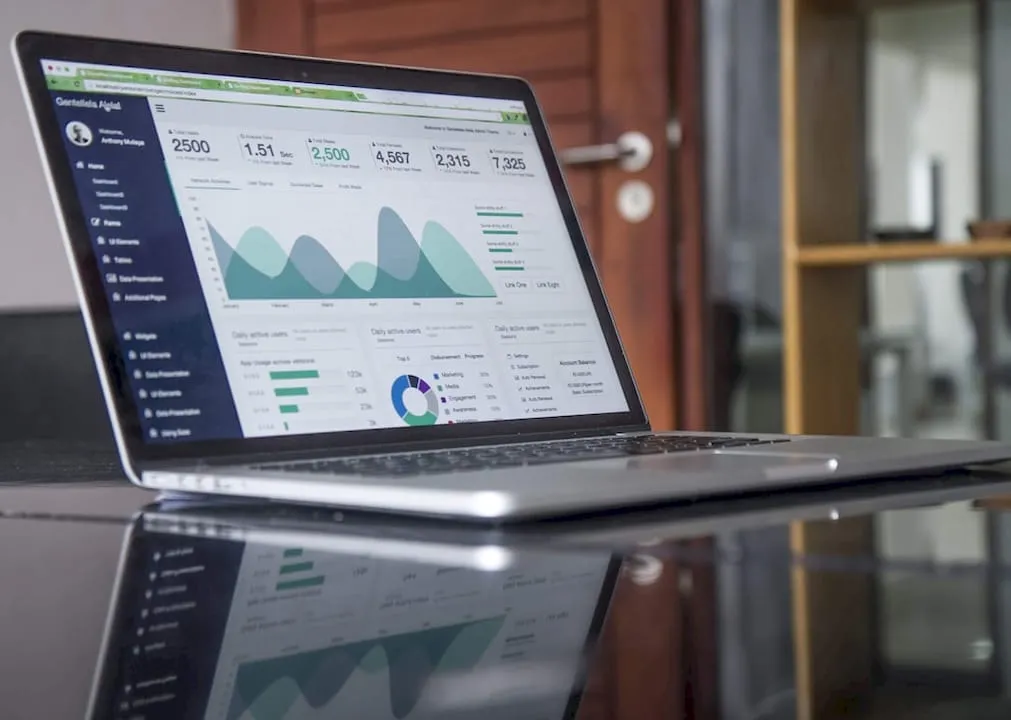
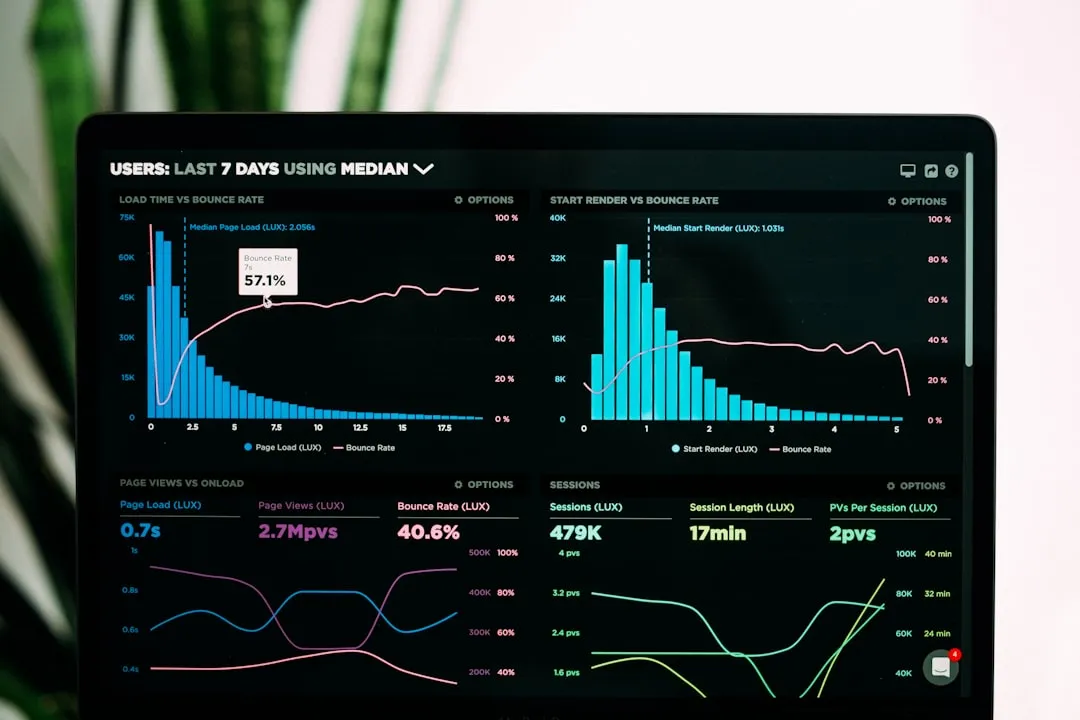
The real differentiator is measurement. Nectar’s proprietary iDerive analytics platform tracks creative performance at a granular, full-funnel level, so you’re not guessing which image or A+ module actually moved conversion. That’s the piece most studios can’t offer: a direct line from a specific asset to a specific outcome. Pair that with conversion-focused A+ content and a full production team covering stills, video, and social cutdowns, and you get a single point of accountability instead of three separate vendors to coordinate.
The most efficient way to start is a scoped pilot: pick 15 to 25 SKUs with clear baseline conversion data, run a full creative refresh across images, A+ content, and ad cutdowns, and measure the lift over a defined window before expanding. Visit Nectar’s services page to scope a pilot for your catalog.
Pragmatic Advice From An Agency Lead
Start narrow. Pick the SKUs where you already have conversion data and clear buyer objections, and fix the top-funnel and mid-funnel images first, before touching A+ content. Most brands want to redo everything at once, and that makes it impossible to know which change actually caused the lift.
Once a pilot shows measurable conversion improvement, scale the same approach across the catalog rather than reinventing the process for every new batch of SKUs. The studios that win long-term aren’t the ones with the flashiest portfolio. They’re the ones that treat every shoot as a test with a clear hypothesis behind it.
Sources
Recommended
.png)