What Is Digital Shelf Analytics? A Guide for E-Commerce Managers
.webp)
TL;DR:
- Digital shelf analytics provides real-time monitoring of product visibility, pricing, and content across online channels to enable proactive optimization. It connects live data with PIM systems to quickly identify and fix issues, improving search rankings and sales. AI-driven insights and segmentation further enhance shelf performance management at scale.
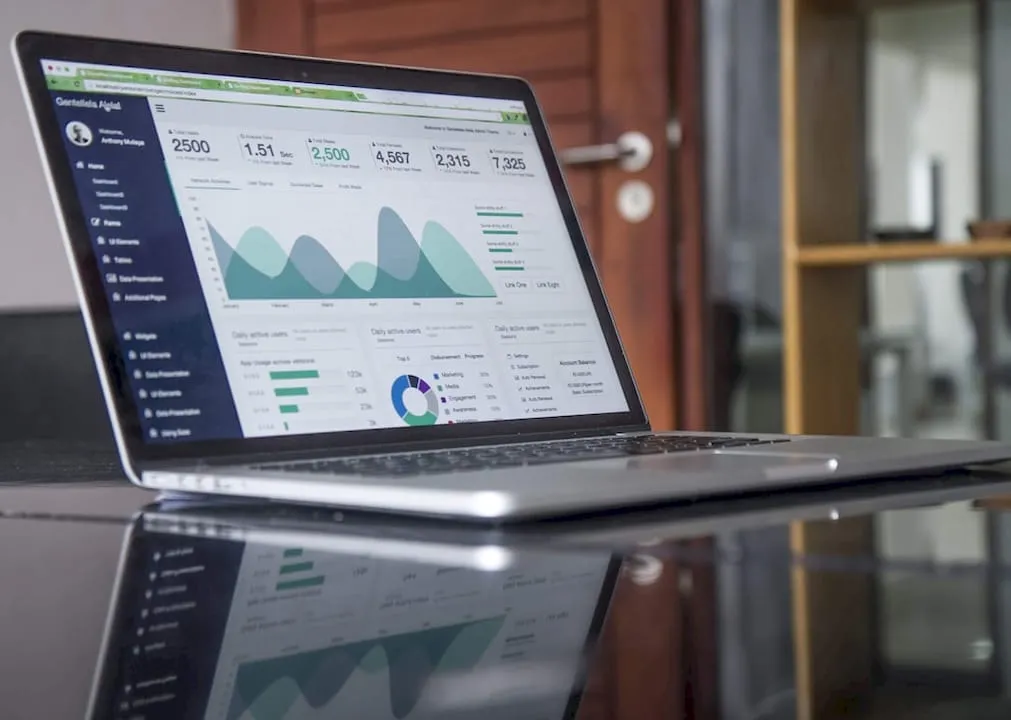
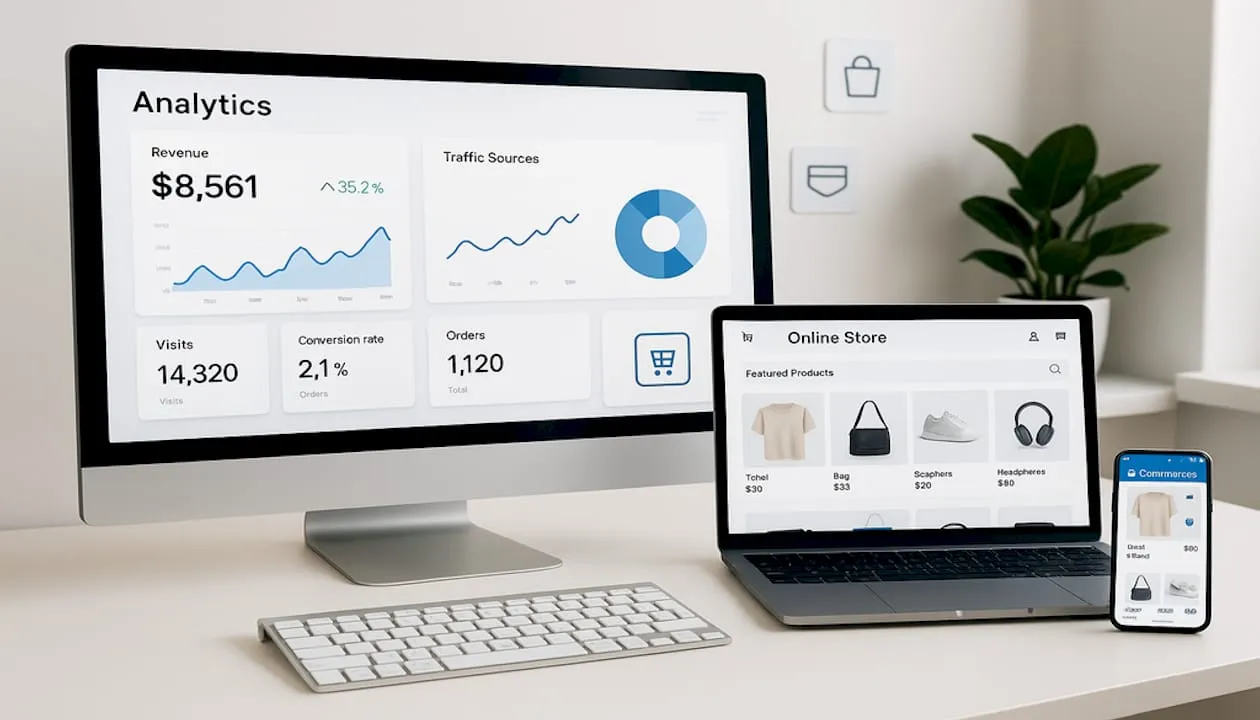
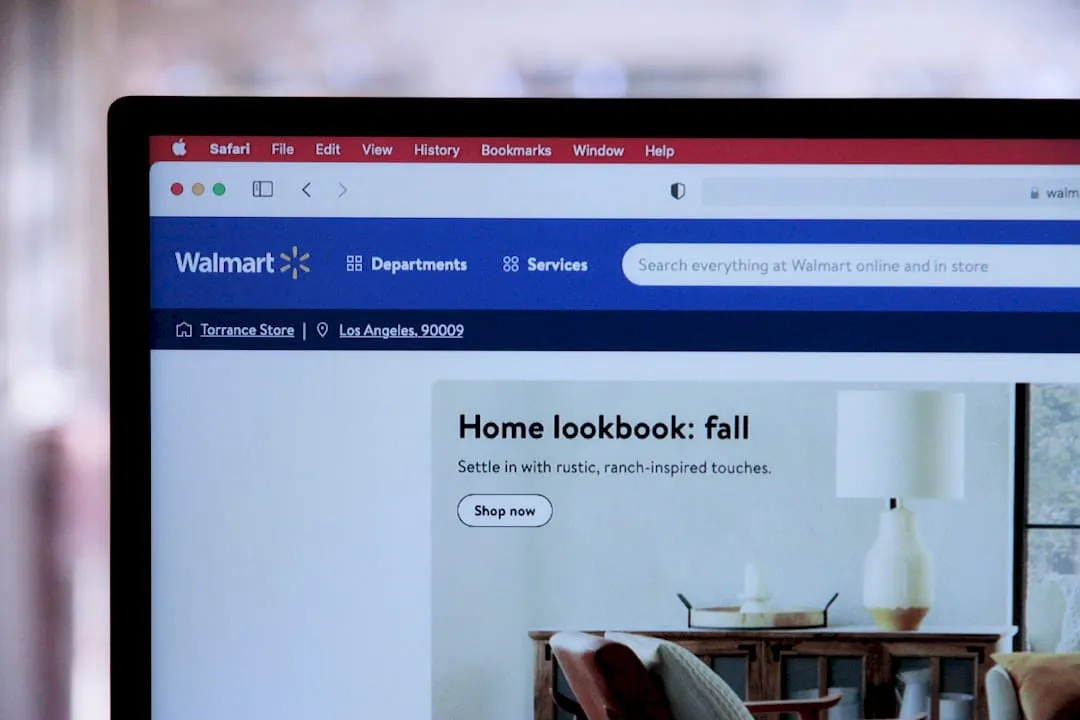
Digital shelf analytics is the continuous monitoring and analysis of how products appear and perform across online retailer websites, apps, and marketplaces. It gives e-commerce managers and brand strategists a live view of visibility, pricing, content accuracy, and competitive positioning across channels like Amazon, Walmart, and Shopify. Where traditional reporting tells you what happened last week, digital shelf analytics tells you what is happening right now, so you can act before a suppressed listing or a pricing gap costs you revenue. Platforms like Inriver and CommerceIQ have built entire product suites around this discipline, and Google Merchant Center’s AI performance insights have extended it further into AI-driven shopping surfaces.
What is digital shelf analytics and why does it matter?
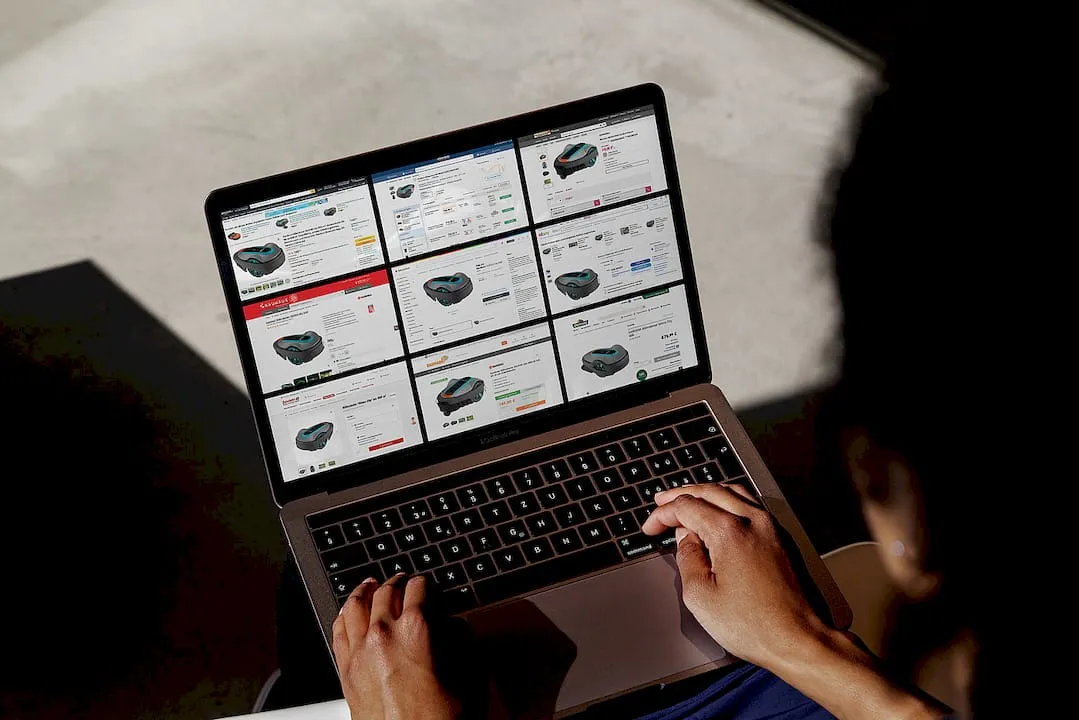
Digital shelf analytics monitors and analyzes product presentation and performance across online retailer websites, apps, and marketplaces to improve visibility and competitive positioning. The core function is tracking live product listings, flagging issues like missing or suppressed content, and feeding those insights into optimization workflows before they affect sales.

The discipline matters because most brands lose control of their product experience the moment content leaves their internal systems. A product description that looks correct in your product information management (PIM) system may display incorrectly on a retailer’s site, rank poorly in search, or be suppressed entirely due to a missing attribute. Without live monitoring, you only discover these problems when sales drop.
The business case is direct. Real-time monitoring supports high product availability, accurate content, and competitive pricing, all of which improve search rankings and conversion rates. For a mid-sized brand managing hundreds of SKUs across multiple retailers, the difference between reactive and proactive shelf management can represent millions of dollars in recoverable revenue.
Key metrics that digital shelf analytics reveals
Understanding shelf analytics starts with knowing which metrics actually connect to business outcomes. These are not vanity numbers. Each one maps directly to a revenue driver.
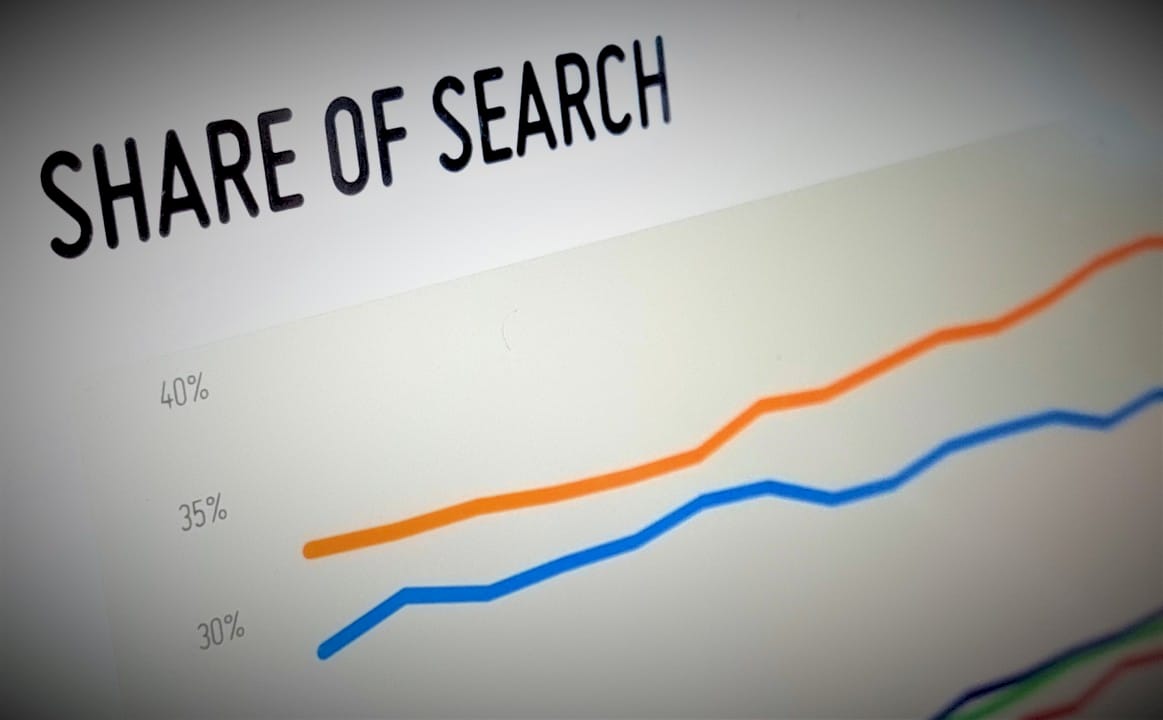
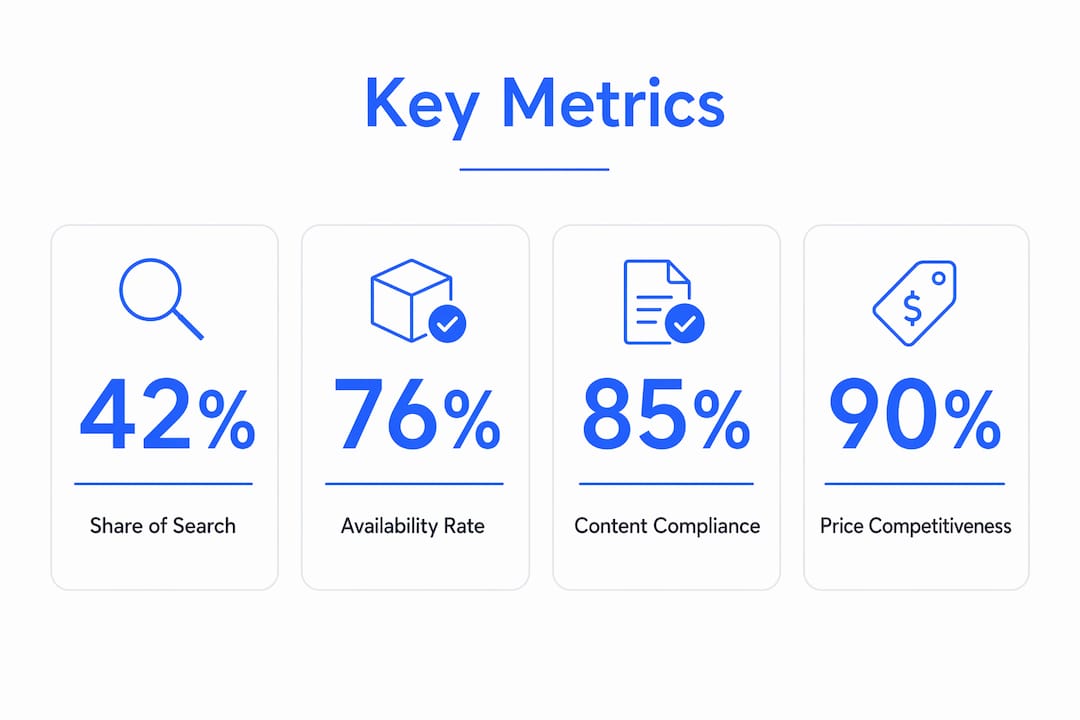
Share of search
Share of search measures what percentage of relevant search results your products occupy on a given retailer or marketplace. A low share of search on Amazon for your core category terms signals that competitors are outranking you, often because their content is better optimized or they are running more aggressive sponsored placements.
Digital share of shelf
Digital share of shelf tracks how many product listings you control within a category compared to total listings. This metric is the online equivalent of physical shelf space. Brands that track share of shelf alongside share of search get a clearer picture of both organic presence and category dominance.
Availability rate
Availability rate measures what percentage of your SKUs are actually purchasable at any given moment. An out-of-stock product does not just lose a sale. It loses search ranking, because most retailer algorithms deprioritize unavailable items, and that ranking loss persists even after stock is restored.
Content compliance
Content compliance checks whether your product titles, images, bullet points, and descriptions meet retailer requirements and your own brand standards. Content accuracy is distinct from data syndication. A product can be syndicated correctly and still display incorrectly on the retailer’s front end due to character limits, image rendering issues, or attribute mapping errors.
Price competitiveness
Price competitiveness compares your prices against competitors and against your own pricing floors across channels. Monitoring this in real time prevents margin erosion from unauthorized sellers and helps you respond to competitor promotions before they shift category share.
Pro Tip: Segment these ecommerce KPIs by SKU, retailer, and geography rather than reviewing brand-level aggregates. A brand total can look healthy while a top-revenue SKU on Walmart is suppressed and losing ground daily.
How digital shelf analytics connects to PIM and syndication
Digital shelf analytics and product information management solve different problems, but they are most powerful when connected. PIM systems like Akeneo or Salsify manage the source of truth for product data and handle syndication to retailer channels. DSA validates what actually happens after that data leaves your system.
The gap between syndication and display is where most brands bleed performance. You send a compliant data feed to a retailer, but the retailer’s ingestion process truncates a title, drops a required image, or maps an attribute to the wrong field. Without DSA, that error is invisible until a customer or account manager notices it manually.
Integrating DSA with PIM closes this loop. When DSA flags a content compliance failure on a specific SKU at a specific retailer, that alert can trigger a workflow in your PIM to review and correct the source data, re-syndicate, and then re-measure the result. This is the visibility-diagnose-fix-re-measure cycle that enterprise brands use to sustain shelf performance at scale.
The benefits of this closed-loop approach include:
-
Faster issue resolution because alerts route directly to the team responsible for the data
-
Reduced manual auditing, since automated monitoring replaces spreadsheet-based content checks
-
Consistent brand presentation across all retailer surfaces, not just the channels you happen to check
-
A documented correction history that helps identify recurring syndication failures by retailer or attribute type
Pro Tip: When connecting DSA outputs to your PIM, map alerts to specific data fields rather than general product records. A flag for a missing secondary image should route to the asset management workflow, not a general content review queue. Specificity cuts resolution time significantly.
Comparing DSA solutions and AI-driven capabilities
The digital shelf analytics market splits into two broad categories: standalone monitoring platforms and integrated systems that combine DSA with PIM, syndication, and advertising data.
Standalone platforms like those offered by Inriver’s DSA module or similar tools provide deep shelf monitoring with dashboards built specifically for content compliance, share of search, and availability tracking. They are fast to deploy and work well when your PIM and analytics infrastructure are already mature.
Integrated systems connect shelf monitoring directly to the data management and distribution layer. This architecture eliminates the manual step of taking a DSA alert and translating it into a PIM correction. For enterprise brands managing thousands of SKUs across Amazon, Walmart, and international retailers, that automation is not optional. It is the only way to operate at scale without a large manual operations team.
AI-driven analytics represent the next layer. Google Merchant Center’s 2026 AI performance insights extend digital shelf measurement to AI-powered shopping surfaces, providing funnel performance data and product attribute optimization recommendations targeting both search and purchase steps. This matters because AI-generated shopping results are becoming a primary discovery surface, and brands that do not measure their presence there are flying blind on an increasingly important channel.
When evaluating any DSA solution, prioritize these capabilities:
-
Real-time or near-real-time data refresh rates, not daily or weekly snapshots
-
Retailer coverage that matches your actual distribution footprint, including long-tail marketplaces
-
Anomaly detection that surfaces unexpected drops in availability or search rank automatically
-
Workflow integrations with your existing PIM, ERP, or product information management infrastructure
-
Segmentation by SKU, retailer, geography, and category so you can prioritize fixes by revenue impact
-
Prescriptive recommendations, not just descriptive reporting, so the platform tells you what to fix, not just what is broken
Pro Tip: Ask any DSA vendor to show you how their platform handles a listing suppression event end to end. The demo should show detection, alert routing, and a re-measurement confirmation. If the workflow stops at detection, you are buying a monitoring tool, not an optimization system.
How to implement digital shelf analytics in your organization
Starting a DSA program does not require replacing your entire analytics stack. The most effective implementations begin with a focused scope and expand from there.
The foundation is standardizing KPI definitions across teams and retailers before you deploy any tooling. Share of search means different things to a brand manager focused on organic rank and an account manager focused on sponsored placement. If your teams are measuring different things under the same label, your optimization efforts will conflict rather than compound.
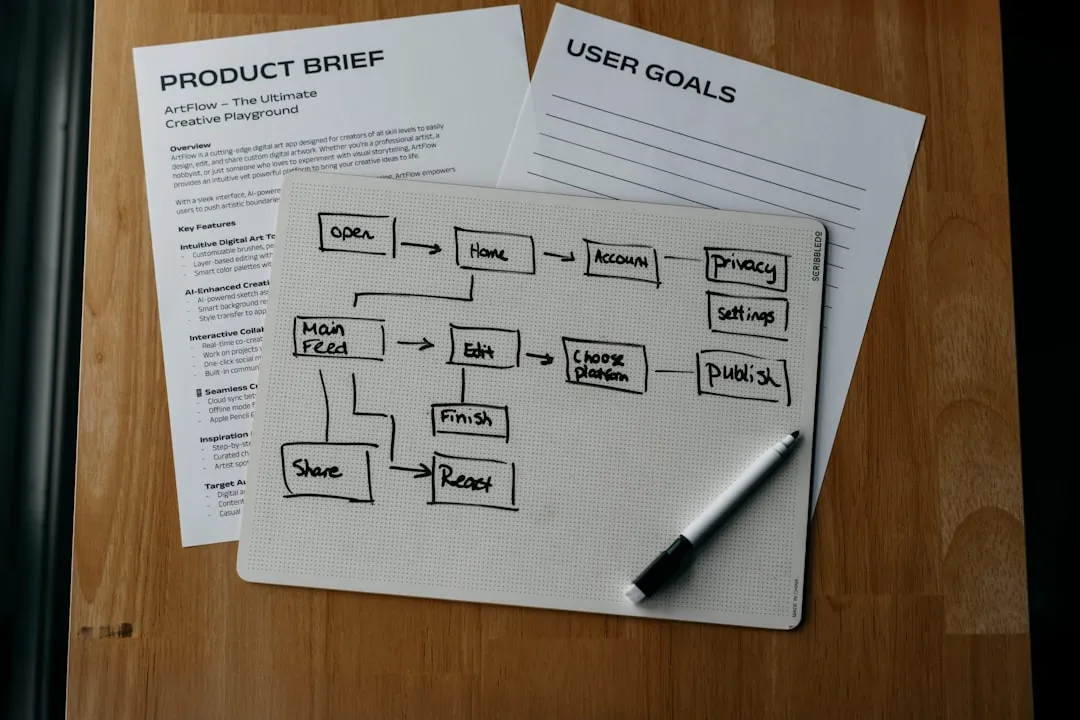
Once definitions are aligned, the operational model follows a clear sequence. Monitor live listings to establish a baseline. Diagnose issues by category: content compliance failures, availability gaps, pricing anomalies, or search rank declines. Fix the root cause in the data source, whether that is a PIM record, a pricing rule, or an advertising bid. Then re-measure to confirm the fix took effect at the retailer level.
Prioritization is where most programs stall. Segmenting DSA outputs by SKU, geography, and retailer allows you to rank issues by revenue impact rather than working through a flat list of alerts. A content compliance failure on your top-10 revenue SKUs on Amazon deserves immediate attention. The same failure on a low-velocity SKU on a secondary marketplace can wait.
Cross-functional alignment accelerates outcomes. DSA empowers brand managers, category managers, account managers, and marketing teams by providing a centralized, real-time performance view. When all four functions see the same data, response times drop and conflicting fixes stop happening. Connecting shelf monitoring data to conversion rate analysis helps each team understand which shelf improvements actually move the revenue needle.
Key takeaways
Digital shelf analytics is the operational foundation for any brand that sells across multiple online retailers and needs to maintain control of visibility, content, pricing, and availability at scale.
Point: Core definition DSA continuously monitors product listings across retailer sites and marketplaces to flag issues and support proactive optimization.
Point: Essential metrics Share of search, availability rate, content compliance, and price competitiveness each connect directly to sales and search ranking outcomes.
Point: PIM integration Connecting DSA alerts to PIM workflows closes the loop between issue detection and data correction, reducing resolution time and manual effort.
Point: AI-driven expansion Google Merchant Center’s 2026 AI performance insights extend DSA into AI-powered shopping surfaces, making coverage of these channels a competitive necessity.
Point: Implementation priority Standardize KPI definitions first, then segment alerts by SKU and revenue impact to ensure your team fixes the right problems in the right order.
What I’ve learned about digital shelf analytics adoption
Most brands I work with discover DSA after a painful moment: a top SKU was suppressed on Amazon for two weeks before anyone noticed, or a competitor undercut their price by 15% and they only found out when the monthly sales report landed. That reactive discovery pattern is the exact problem DSA is designed to eliminate.
The challenge is that many teams treat DSA as a reporting layer rather than an operational system. They set up dashboards, review them in weekly meetings, and then manually assign fixes to whoever is available. That process is better than nothing, but it misses the core value. The brands that get the most from shelf analytics are the ones that wire alerts directly into their correction workflows, so a suppressed listing triggers a PIM review within hours, not days.
I have also seen programs fail because of inconsistent KPI definitions. One team measures share of search as organic rank position. Another measures it as percentage of search results pages where the brand appears. Both call it “share of search” in their reports. When leadership reviews performance, the numbers do not reconcile, and the conversation becomes about the data rather than the shelf. Standardizing definitions before you deploy tooling is not a nice-to-have. It is the prerequisite for any DSA program that produces decisions rather than debates.
The other pattern worth naming: brands that use data to scale treat DSA outputs as inputs to every other function, not just the e-commerce team. When your content team, pricing team, and advertising team all work from the same shelf performance data, you stop optimizing in silos and start moving the whole system in the same direction.
— Dan Katona
How Nectar helps brands turn shelf data into sales growth
Nectar works with mid-sized and enterprise brands across Amazon, Walmart, and Shopify to translate digital shelf insights into measurable revenue growth. The agency’s proprietary iDerive analytics platform provides the granular, real-time performance data that shelf optimization requires, covering everything from listing health and content compliance to advertising efficiency and conversion tracking. Rather than handing brands a dashboard and leaving them to act on it, Nectar’s fully managed model connects analytics directly to execution. If you are ready to move from reactive reporting to a proactive shelf management program, explore Nectar’s growth services or see how the team approaches Amazon optimization specifically.
FAQ
What is digital shelf analytics in simple terms?
Digital shelf analytics is the practice of continuously monitoring how your products appear and perform across online retailer sites and marketplaces. It tracks metrics like search rank, availability, pricing, and content accuracy in real time so brands can fix issues before they affect sales.
How is digital shelf analytics different from SEO?
DSA measures actual listing experiences on retailer and search surfaces, including pricing, availability, and content compliance, rather than website traffic or organic search rankings. SEO focuses on driving visitors to a site; DSA focuses on what happens to your product once a shopper is already on a retailer platform.
What metrics does digital shelf analytics track?
Core metrics include share of search, digital share of shelf, availability rate, content compliance, price competitiveness, and conversion rate. Each metric connects to a specific business outcome, from search ranking to margin protection.
Do I need a PIM system to use digital shelf analytics?
A PIM system is not required to start using DSA, but integrating the two creates the most value. DSA identifies what is broken on the retailer’s front end; PIM is where you correct the source data. Without that connection, fixes require manual coordination and take longer to validate.
Which retailers does digital shelf analytics cover?
Coverage depends on the platform, but leading DSA tools monitor major retailers including Amazon, Walmart, Target, and Kroger, as well as direct-to-consumer channels. Brands should verify that any DSA solution covers their specific retailer footprint before committing to a platform.
Recommended











.png)