TL;DR:
Channel diversification reduces revenue volatility and minimizes dependence on a single platform.
Implementing omnichannel infrastructure and strategic planning builds resilience and broadens market reach for brands.
Channel diversification is the practice of spreading sales and marketing efforts across multiple platforms so no single channel controls your revenue. Brands that rely on one marketplace or one ad platform expose themselves to algorithm changes, policy shifts, and demand swings that can erase months of growth overnight. The data is clear: brands with two or more active channels experience 40% less revenue volatility than single-channel competitors. For brand managers and marketing strategists at mid-sized and enterprise companies, understanding why brands need channel diversification is not optional. It is the foundation of any growth architecture built to last.
Why brands need channel diversification: the core case
Single-channel dependency is a structural risk, not just a tactical inconvenience. When one channel accounts for more than 70–80% of revenue, a single algorithm update can trigger CAC spikes of 30–60%. That kind of cost shock can wipe out margin in a quarter.

The benefits of spreading across channels go well beyond risk reduction. Omnichannel customers spend 30% more per transaction and carry 23% higher lifetime value than single-channel shoppers. Each additional channel a customer uses raises both their in-store and online spending by 9%, showing a compounding effect that single-channel brands simply cannot access.
Multi-channel marketing strategies also lower customer acquisition costs over time. Diversified marketing portfolios reduce CAC volatility by 35% compared to brands operating on a single platform. That stability makes forecasting more reliable and budget planning more accurate.

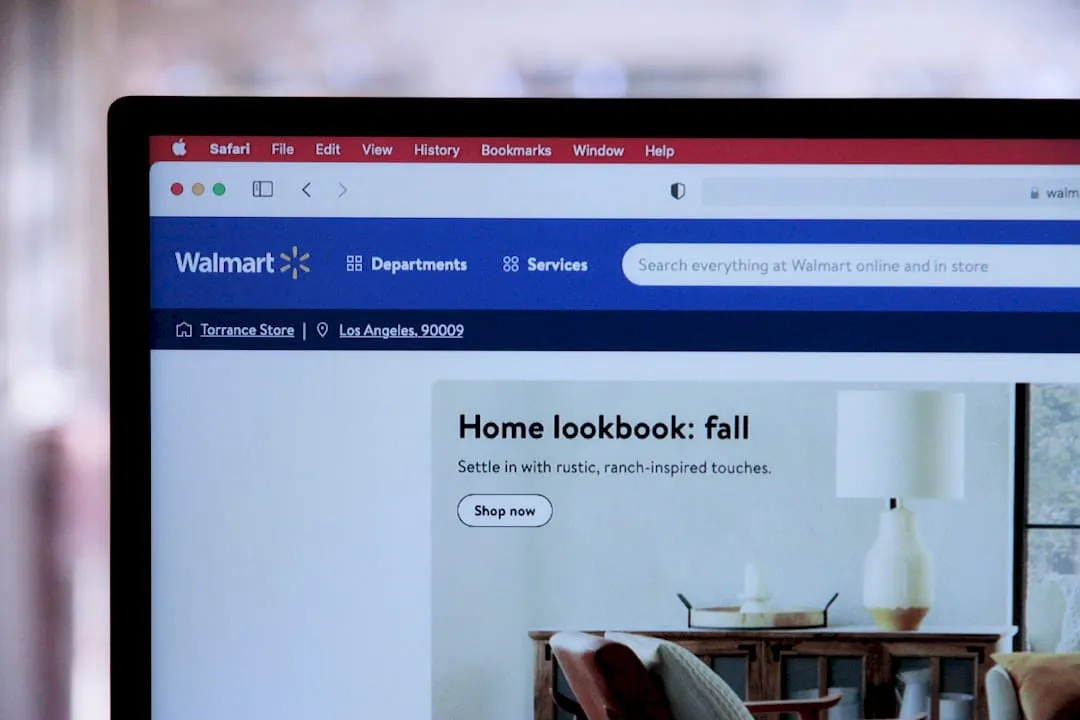
The importance of channel diversification also shows up in audience reach. Different channels attract different buyer segments. Amazon captures high-intent shoppers. Shopify DTC channels attract brand-loyal repeat buyers. Walmart reaches value-focused consumers. A brand present on all three addresses a far wider market than one anchored to a single platform.
Key benefits of channel diversification at a glance:
-
Revenue stability: 40% less volatility for brands with two or more active channels
-
Higher customer value: 23% greater lifetime value from omnichannel customers
-
Lower acquisition costs: 35% reduction in CAC volatility with diversified portfolios
-
Broader market reach: distinct buyer segments across Amazon, Walmart, Shopify, and social commerce
-
Compounding spend: each added channel drives a 9% increase in total customer spending
How does omnichannel infrastructure amplify diversification?
Multi-channel presence and omnichannel integration are not the same thing. Multi-channel means selling on several platforms. Omnichannel means those platforms share data, inventory, and customer context in real time. The difference in outcomes is significant.
Retailers that deployed unified commerce platforms saw 312% revenue growth and a 287% increase in cross-channel sales velocity over 18 months. The same platforms drove a 243% increase in customer lifetime value and cut acquisition costs by 43%. These are not marginal improvements. They reflect what happens when channels stop operating as silos and start reinforcing each other.
The operational mechanics matter here. Unified commerce solutions integrate real-time inventory, customer profiles, and consistent pricing across every touchpoint. 73% of retailers using these platforms eliminated inventory discrepancies, and 81% achieved real-time customer data synchronization. Those numbers translate directly into fewer stockouts, fewer pricing errors, and a cleaner customer experience.
AI-driven personalization adds another layer. When customer data flows across channels, brands can serve relevant product recommendations, retargeting ads, and loyalty offers based on full purchase history rather than a single session. BOPIS (buy online, pick up in store) customers make additional in-store purchases 85% of the time they pick up an order. That cross-channel synergy only works when the infrastructure connects the dots.
Steps to build omnichannel infrastructure:
-
Audit your current channel data flows and identify where customer and inventory data breaks down
-
Implement a unified commerce platform that syncs inventory, pricing, and customer profiles in real time
-
Connect your ad platforms to your CRM so retargeting reflects actual purchase behavior
-
Build cross-channel promotions that reward customers for engaging across more than one touchpoint
-
Measure cross-channel attribution with a model that credits the full path to purchase, not just the last click
Pro Tip: Link your omnichannel growth tactics to a unified data layer before adding new channels. Adding platforms without shared infrastructure creates complexity, not growth.
What strategies support successful channel diversification?
Execution separates brands that grow from brands that spread themselves thin. The most effective approach uses a phased model: maintain 2–3 core channels at full depth while testing 2–3 exploratory channels at lower investment. This 18–24 month framework gives brands time to build operational competence before committing full resources to new platforms.
Budget allocation follows a clear rule. No single channel should absorb more than 40–50% of total marketing spend. That cap protects against the scenario where one platform’s algorithm change doubles your CAC overnight. A well-structured ad spend allocation plan treats channel concentration the same way a portfolio manager treats stock concentration: as a risk to be capped, not ignored.
SKU tiering prevents internal cannibalization. Assigning specific product tiers to specific channels preserves margin and avoids price wars between your own listings. Core commodity items belong on high-volume platforms like Amazon and Walmart. Premium SKUs belong on DTC channels like Shopify, where you control the experience and the price point. This segmentation protects both margin and brand perception.
Metrics to track across your channel portfolio:
-
Customer acquisition cost per channel, tracked monthly
-
Revenue distribution across channels, with a flag when any single channel exceeds 50%
-
Customer lifetime value segmented by acquisition channel
-
Cross-channel conversion rates to measure how channels reinforce each other
-
Return on ad spend by channel, compared against a blended portfolio benchmark
Pro Tip: Review your cross-channel advertising mix every quarter. Markets shift fast, and a channel that drove efficient growth six months ago may now be overpriced or oversaturated.
What are the common pitfalls in channel diversification?
The biggest mistake brands make is adding channels faster than their operations can support them. Rapid diversification without infrastructure results in inventory mismatches, inconsistent pricing, and fragmented customer data. The result is not growth. It is operational collapse that damages the core business.
Brand dilution is a subtler risk. Marketplace dependency causes brands to be perceived as tied to the platform rather than owning the customer relationship. When a brand lives entirely on a third-party marketplace, it loses first-party data, premium pricing power, and the ability to build direct loyalty. That erosion compounds over time and is difficult to reverse.
Poor attribution is the third major pitfall. Most brands still measure channels in isolation, crediting the last click rather than the full path. That approach systematically undervalues upper-funnel channels like social and content, leading to budget cuts that hurt long-term growth. A multichannel SEO strategy that feeds organic traffic into paid retargeting funnels, for example, will always look underperforming if you only measure last-click conversions.
Successful diversification acts as structural insurance. It allows brands to adapt to market shocks rather than break under them. The brands that survived major platform disruptions in recent years were not the ones with the best single-channel performance. They were the ones with the most distributed revenue bases.
The fix for all three pitfalls is the same: build the infrastructure before you build the channel count. Centralized inventory management, unified customer data, and cross-channel attribution models are prerequisites, not upgrades.
Key Takeaways
Brands that diversify across multiple channels reduce revenue volatility, lower customer acquisition costs, and build the customer lifetime value that single-channel competitors cannot match.
Point
Details
Revenue stability
Brands with two or more active channels experience 40% less revenue volatility than single-channel operators.
CAC protection
Cap any single channel at 40–50% of marketing spend to prevent algorithm-driven cost spikes from damaging margins.
Omnichannel infrastructure
Unified commerce platforms drive 312% revenue growth by syncing inventory, pricing, and customer data in real time.
Phased expansion
Use an 18–24 month framework: master 2–3 core channels before committing resources to exploratory platforms.
SKU segmentation
Assign product tiers to channels by margin profile to prevent internal cannibalization and protect brand pricing power.
The structural advantage most brands underestimate
I have worked with brand managers who treat channel diversification as a growth tactic. It is not. It is risk architecture. The brands I have seen struggle most are the ones that built exceptional performance on a single platform and then treated that performance as proof they did not need to diversify. They were right, until they were not.
The uncomfortable truth is that single-channel excellence creates a false sense of security. A platform that drives 80% of your revenue is not an asset. It is a dependency. And dependencies, by definition, are controlled by someone else.
What I find consistently underestimated is the operational discipline required to diversify well. Adding a new channel is easy. Running it with the same rigor as your core channel is hard. Most brands underinvest in the infrastructure and team capability needed to make a new channel perform. They add the platform, see mediocre results, and conclude that diversification does not work. The problem was never the channel. It was the execution.
The brands that get this right treat their channel portfolio the way a CFO treats a balance sheet: with deliberate allocation, regular rebalancing, and clear rules about concentration limits. They also accept that exploratory channels will underperform in the short term. That underperformance is the cost of building resilience, and it is worth paying.
— Dan Katona
How Nectar helps brands build multi-channel growth

Nectar is a fully managed e-commerce agency that helps mid-sized and enterprise brands build and operate diversified channel portfolios across Amazon, Walmart, and Shopify. The agency combines in-house creative production with data-driven advertising management and its proprietary iDerive analytics platform to give brands the visibility they need to allocate spend, manage SKUs, and grow across channels without losing margin or brand integrity. For brands ready to move from single-channel dependency to a distributed revenue architecture, Nectar’s full-service growth programs provide the operational depth and strategic guidance to make it work.
FAQ
Why do brands need channel diversification?
Channel diversification reduces revenue volatility and protects brands from platform-specific risks like algorithm changes and policy shifts. Brands with two or more active channels experience 40% less revenue volatility than single-channel competitors.
What is the difference between multichannel and omnichannel?
Multichannel means selling on several platforms independently. Omnichannel means those platforms share real-time inventory, pricing, and customer data to create a unified experience that compounds customer value.
How many channels should a brand manage at once?
The most effective framework maintains 2–3 core channels at full depth while testing 2–3 exploratory channels at lower investment over an 18–24 month period.
What percentage of spend should go to one channel?
No single channel should exceed 40–50% of total marketing spend. Concentration beyond that threshold exposes brands to CAC spikes of 30–60% when platform conditions change.
How does channel diversification affect customer lifetime value?
Omnichannel customers carry 23% higher lifetime value than single-channel shoppers, and each additional channel they use raises their total spending by 9%.
Recommended