{
"@type": "Article",
"image": {
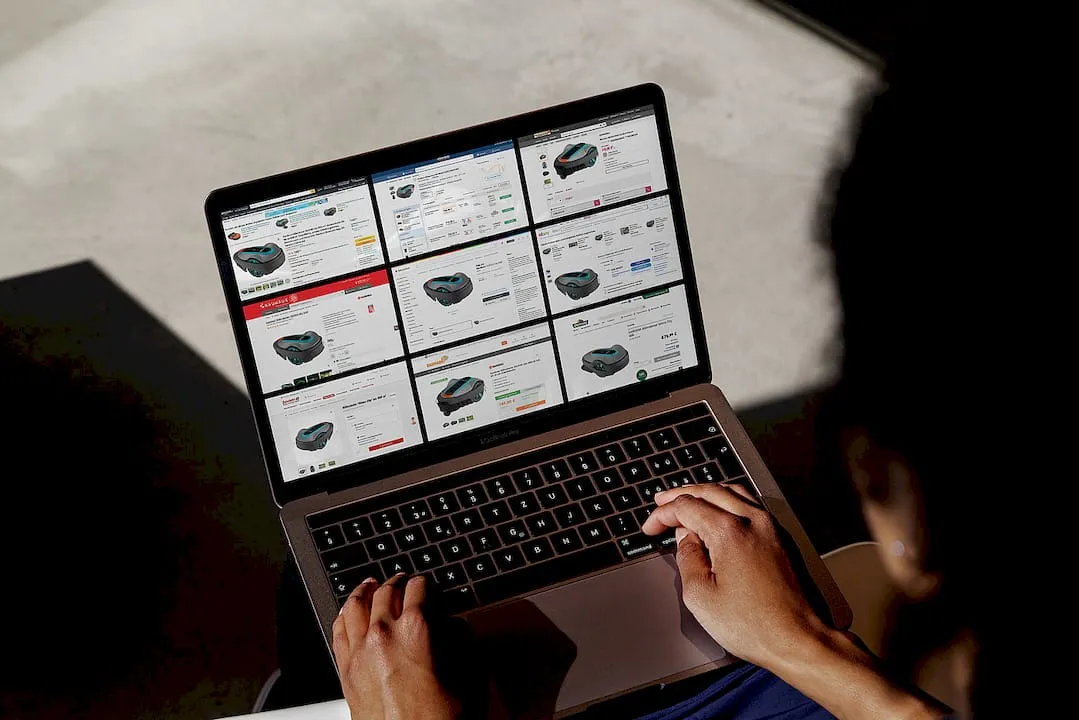
"url": "https://csuxjmfbwmkxiegfpljm.supabase.co/storage/v1/object/public/blog-images/organization-10884/1775006565799_Woman-reviews-ecommerce-product-listings-at-desk.jpeg",
"@type": "ImageObject",
"caption": "Woman reviews ecommerce product listings at desk"
},
"author": {
"url": "https://thinknectar.com",
"name": "Thinknectar",
"@type": "Organization"
},
"@context": "https://schema.org",
"headline": "Listing optimization checklist: Boost sales on Amazon, Walmart, Shopify",
"publisher": {
"url": "https://thinknectar.com",
"name": "Thinknectar",
"@type": "Organization"
},
"inLanguage": "en-US",
"articleBody": "Use this platform-specific checklist to optimize product listings on Amazon, Walmart, and Shopify and turn more clicks into conversions in 2026.",
"description": "Use this platform-specific checklist to optimize product listings on Amazon, Walmart, and Shopify and turn more clicks into conversions in 2026.",
"datePublished": "2026-04-01T01:22:59.096Z"
}
Listing optimization checklist: Boost sales on Amazon, Walmart, Shopify
.webp)

Poor product listings don’t just underperform — they actively drain your ad budget. Every click you pay for that lands on a weak title, blurry image, or vague bullet point is money gone. Brands running paid campaigns on Amazon, Walmart, or Shopify without optimized listings are essentially pouring fuel into a leaking engine. The good news: a disciplined, platform-specific checklist can reverse that damage fast. This guide walks you through exactly what to prepare and execute across all three platforms in 2026, so your listings convert at the level your ad spend deserves.
Key Takeaways
| Point | Details |
|---|---|
| Prepare assets first | Centralize all essential content and data before starting optimization to streamline work. |
| Platform-specific execution | Customize your listings for each marketplace’s unique requirements and user patterns. |
| Checklist rigor wins | Following a disciplined, step-by-step checklist leads to higher visibility and conversions across sales channels. |
| Ongoing review matters | Regularly update listings and monitor platform metrics for sustained success. |
Preparation: What to gather before you optimize
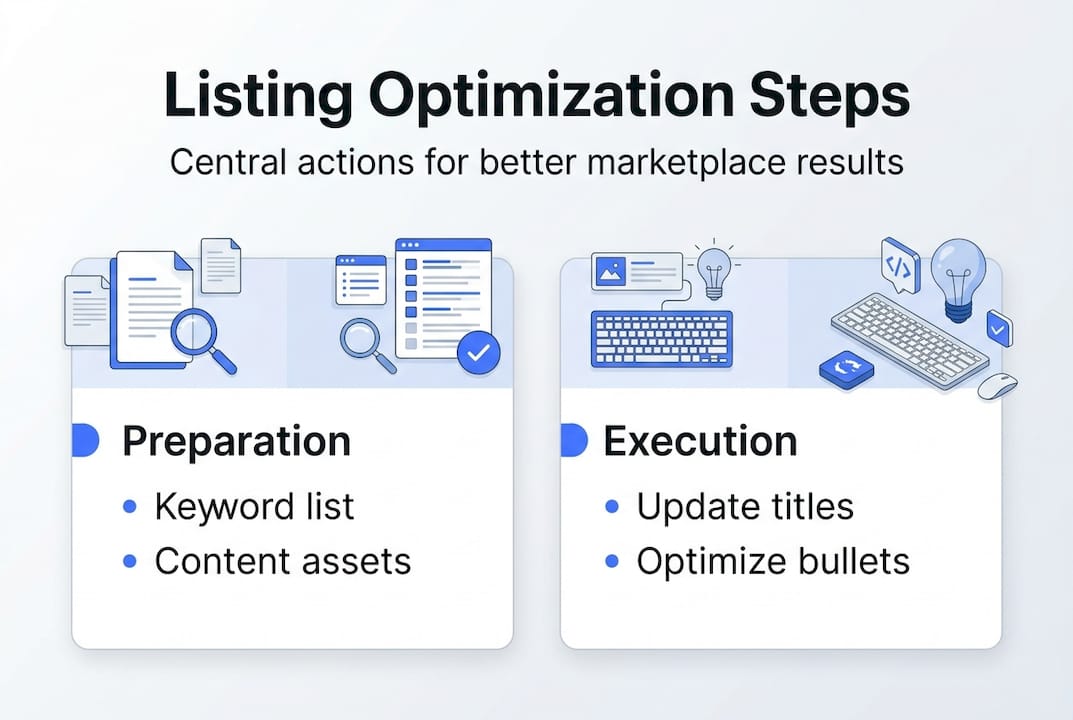
Before you touch a single listing, you need the right inputs. Jumping into optimization without data is like editing a document you haven’t read. The brands that optimize product listings most effectively are the ones that treat preparation as a non-negotiable first step.
Here’s what to gather before you begin:
- Product specs and dimensions: Weight, materials, size variations, and compatibility details. These feed titles, bullets, and attributes across every platform.
- Keyword research data: Use platform-specific tools (Helium 10 for Amazon, Walmart’s Listing Quality dashboard, Google Keyword Planner for Shopify) to identify high-volume, relevant search terms.
- Brand assets: High-resolution images from multiple angles, lifestyle shots, and video if available. Shopify recommends high-quality images from multiple angles, descriptive keyword-rich titles, and structured data schema as baseline requirements.
- Review and Q&A data: Pull your top customer complaints and questions. These are goldmines for bullet point language and FAQ content.
- Competitor benchmarks: Screenshot top-ranked competitor listings. Note what they do well and where they fall short.
The three platforms have meaningfully different requirements. Amazon demands backend keyword fields and A+ Content eligibility. Walmart requires attribute completeness for Content Score. Shopify needs schema markup and mobile-ready page speed.

| Platform | Key tool | Primary focus |
|---|---|---|
| Amazon | Helium 10, Seller Central | Keywords, A+ Content |
| Walmart | Listing Quality Dashboard | Attributes, Content Score |
| Shopify | Google Search Console, Analytics | SEO, schema, mobile |
Pro Tip: Create a shared folder with all assets, specs, and keyword lists before starting. Switching between drives and spreadsheets mid-checklist kills momentum and introduces errors.
Amazon: Step-by-step optimization for 2025
With your essentials gathered, let’s walk through Amazon’s specific checklist for top-performing listings. Amazon’s algorithm rewards relevance and conversion signals, so every element needs to earn its place.
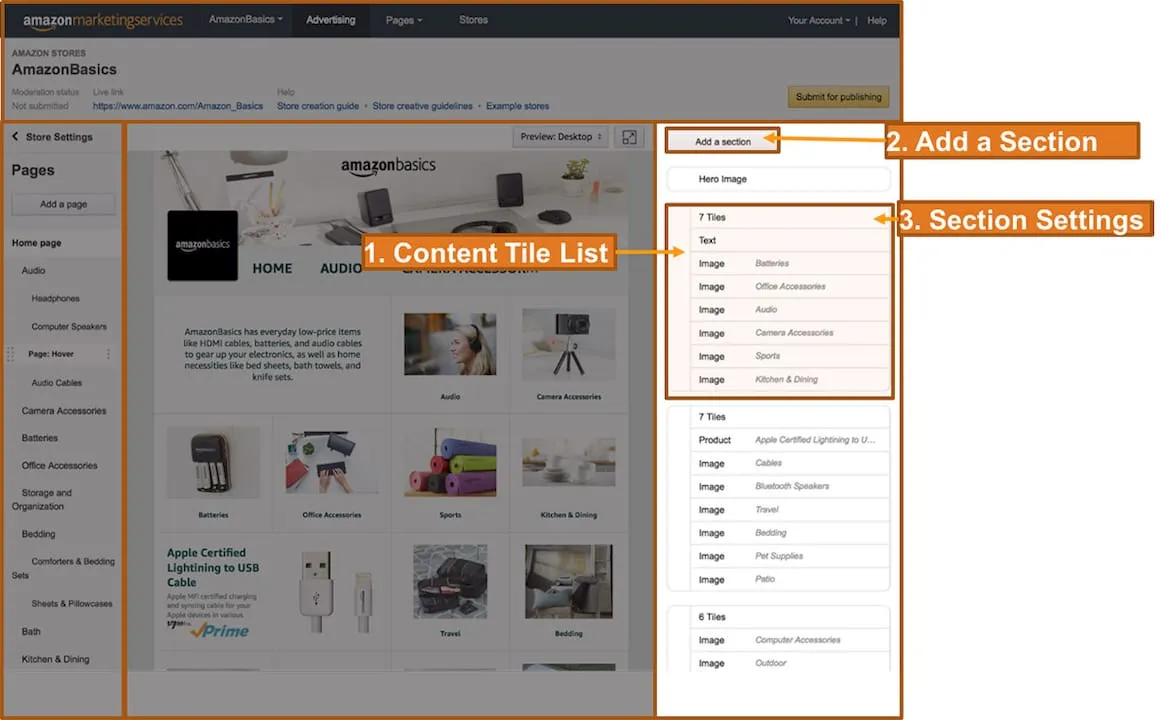
- Write a keyword-rich title. Stay within Amazon’s 200-character limit. Lead with your primary keyword, include the brand name, and add key attributes like size, color, or quantity. Avoid promotional language.
- Craft five benefit-focused bullet points. Five scannable benefit-focused points, one idea per bullet, with no pricing, promotions, or emojis. Think customer outcomes, not product features.
- Write a detailed product description. Use this space to tell the product’s story. If you have Brand Registry, skip the plain description and go straight to A+ Content.
- Fill backend keywords strategically. The backend keyword limit is 250 bytes. Use synonyms, common misspellings, and alternate phrases. Never repeat terms already in your title or bullets, and never include competitor brand names.
- Upload seven or more images. Lead with a clean white-background hero shot. Follow with lifestyle images, infographics, and a scale reference. Image quality directly affects conversion.
- Activate A+ Content. Brand-registered sellers who use A+ Content consistently see higher conversion rates. Use it to address objections, showcase use cases, and reinforce brand trust.
Review your Amazon SEO best practices regularly because the algorithm shifts. What ranked well six months ago may need a refresh today.
“The most common listing mistake we see is keyword stuffing in titles. It tanks readability and signals low quality to Amazon’s algorithm. Natural, benefit-led language always outperforms.”
| Element | Do | Avoid |
|---|---|---|
| Title | Lead keyword + attributes | Promotional phrases |
| Bullets | Customer benefits | Pricing, emojis |
| Backend keywords | Synonyms, misspellings | Repetition, competitor brands |
| Images | 7+, multi-angle | Low resolution, watermarks |
Pro Tip: Use your review data to write bullets in the customer’s own language. If buyers consistently mention “easy to clean,” that phrase belongs in your copy. It matches search intent and builds trust.
Brands that consistently apply these Amazon listing strategies and work to boost Amazon conversion rates see compounding returns over time.
Walmart: Essential steps for high-converting listings
While Amazon has its own checklist, Walmart’s rules and optimization levers require a different approach for 2026. Walmart’s algorithm heavily weights content completeness and attribute accuracy, not just keyword density.
- Optimize your title. Walmart titles should be under 150 characters, descriptive, and free of repetition or multiple brand names. Lead with the product type, then add key differentiators.
- Write strong key features. Key features should include 3 to 10 benefit-focused points, each under 80 characters, with no repetition. Think of these as your Walmart equivalent of Amazon bullets, but tighter.
- Complete all category attributes. Walmart scores your listing based on how completely you fill out category-specific fields. Incomplete attributes lower your Content Score and reduce discoverability.
- Upload high-quality images. Walmart requires a minimum of four images. Use a clean main image plus lifestyle and detail shots. Consistent image quality signals brand credibility.
- Monitor your Content Score. A Content Score above 70% is required for Pro Seller status, which improves buy box eligibility and overall visibility.
“Walmart rewards completeness. Brands that fill every attribute field, even optional ones, consistently outrank those that only cover the basics.”
| Listing element | Walmart requirement | Impact |
|---|---|---|
| Title length | Under 150 characters | Search ranking |
| Key features | 3-10, under 80 chars each | Conversion, Content Score |
| Attribute fill | All fields, especially category-specific | Content Score, visibility |
| Images | Minimum 4, high quality | Trust, conversion |
| Content Score | Above 70% | Pro Seller status, buy box |
Pro Tip: Pull Walmart’s Content Report weekly. It flags low-scoring items by category so you can prioritize fixes before they affect your Pro Seller standing.
For more detail on platform-specific tactics, explore these Walmart listing tips and the broader case for marketplace optimization for 2026.
Shopify: Checklist for maximizing discoverability and conversions
Shopify’s open platform gives you the flexibility to fine-tune both content and performance elements. That flexibility is a double-edged sword: more control means more variables to get right.
Core content steps:
- Write titles that lead with the primary keyword and read naturally for humans. Avoid keyword stuffing.
- Use descriptive keyword-rich titles alongside high-quality multi-angle images and structured data schema to satisfy both search engines and shoppers.
- Write product descriptions that answer the buyer’s top questions in the first two sentences, then expand with details.
Technical and SEO steps:
- Implement product schema markup so Google can display rich results like price, availability, and ratings directly in search.
- Compress images without sacrificing quality. Page load speed directly affects both SEO rankings and conversion rates.
- Ensure every product page is fully functional on mobile. Over 70% of Shopify traffic comes from mobile devices.
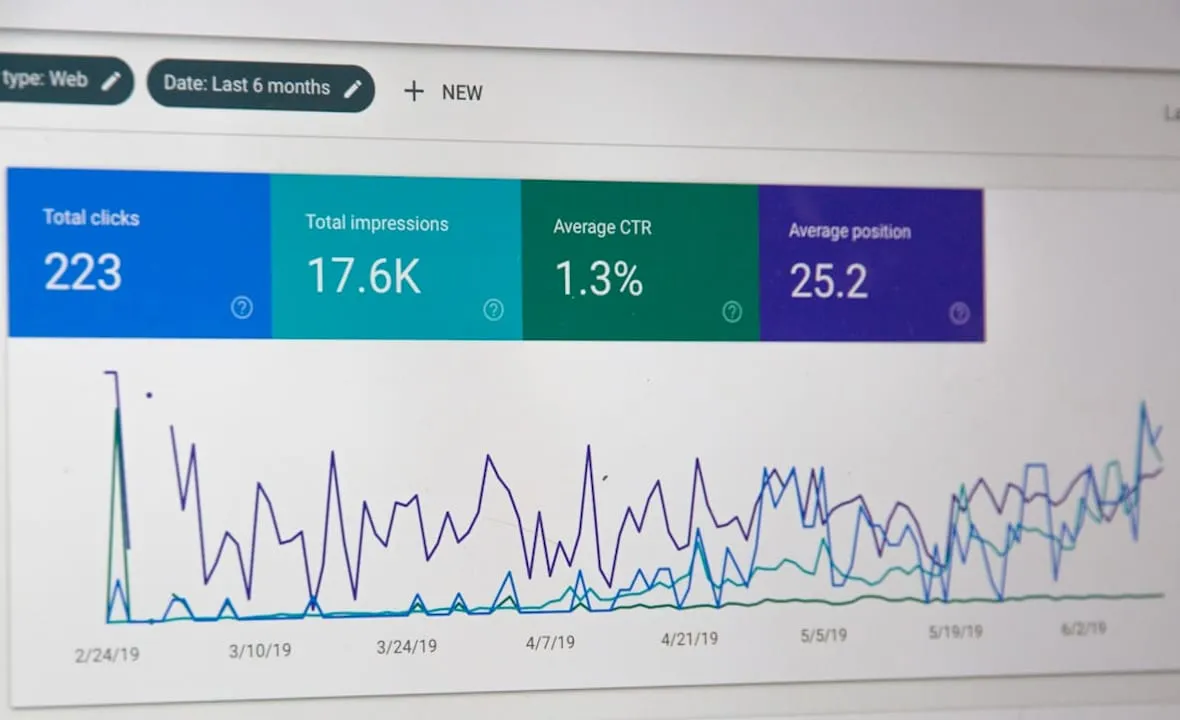
- Set up Shopify Analytics to track conversion rate by product page. Identify underperformers and prioritize them for revision.
Ongoing optimization steps:
- Test elements like titles and images, gather authentic reviews, run targeted promotions, and tailor content for each sales channel.
- Push for verified reviews using post-purchase email flows. Social proof is one of the highest-impact conversion levers on Shopify.
Pro Tip: Use Shopify Analytics to set a conversion rate baseline for each product. Any listing below your store average is a candidate for immediate revision. Small copy or image changes often produce measurable lifts within two weeks.
Applying these ecommerce optimization strategies consistently across your Shopify catalog compounds over time, especially as organic traffic grows.
Why checklist discipline is your marketplace edge in 2026
Here’s what most brands still get wrong: they treat listing optimization as a launch task, not an operating discipline. They optimize once, move on, and wonder why performance decays six months later.
The brands that consistently outperform their category aren’t doing anything exotic. They work the checklist on a schedule. They review Amazon listings every 30 to 60 days. They monitor Walmart Content Score above 70% as a standing KPI. They treat Shopify product pages as living documents, not static assets.
The uncomfortable truth is that platform algorithms change constantly. Amazon’s ranking signals shift. Walmart updates its content quality standards. Shopify’s SEO landscape evolves with every Google core update. A listing that was fully optimized in January can be underperforming by March if no one is watching.
Chasing shortcuts, whether that’s bulk keyword tools with no human review or copy-paste bullets across platforms, creates the illusion of optimization without the results. The teams that win are methodical, platform-aware, and willing to do the unglamorous work of regular audits. That discipline is harder to copy than any single tactic.
Accelerate your listing success with expert support
If you’re ready to operationalize every best practice in this checklist across your team, here’s how Nectar can help.
Nectar’s fully managed services cover Amazon growth and optimization, Walmart marketplace solutions, and Shopify storefront services, giving your brand a single partner for all three channels. Powered by the proprietary iDerive analytics platform, Nectar identifies exactly where your listings are losing conversions and builds a prioritized action plan to fix them. Whether you need a one-time listing audit to surface quick wins or ongoing full-funnel management to scale systematically, Nectar’s team brings the creative assets, keyword strategy, and platform expertise to turn your catalog into a consistent revenue driver.
Frequently asked questions
How often should I review and update my product listings?
Review Amazon listings every 30 to 60 days and monitor your Walmart Content Score on an ongoing basis to catch performance drops before they compound.
What are the most critical elements of an Amazon listing for 2025?
Prioritize keyword-rich titles, five benefit-focused bullet points with no pricing or emojis, high-quality images, and a fully utilized backend keyword field.
How do Walmart Content Scores affect my product visibility?
A Content Score above 70% qualifies you for Pro Seller status, which improves buy box eligibility and overall search placement on Walmart Marketplace.
What is the best way to optimize Shopify listings for SEO and conversion?
Use descriptive keyword-optimized titles, upload multi-angle images, implement structured data schema, and run regular A/B tests on your top product pages.
Should I use the same keywords and bullet points across all channels?
No. Each platform has distinct rules and shopper behavior, so tailor content per channel for the best results rather than copying across platforms.
Recommended
- Nectar Blog | Amazon SEO Best Practices 2025 for Maximizing Visibility
- Nectar Blog | How to Boost Amazon Conversion Rates for E-Commerce Brands
- Nectar Blog | Shopify optimization checklist for higher conversions
- Nectar Blog | 7 Essential Walmart Listing Optimization Tips for Brands
- Depop SEO guide: optimize listings to boost sales